
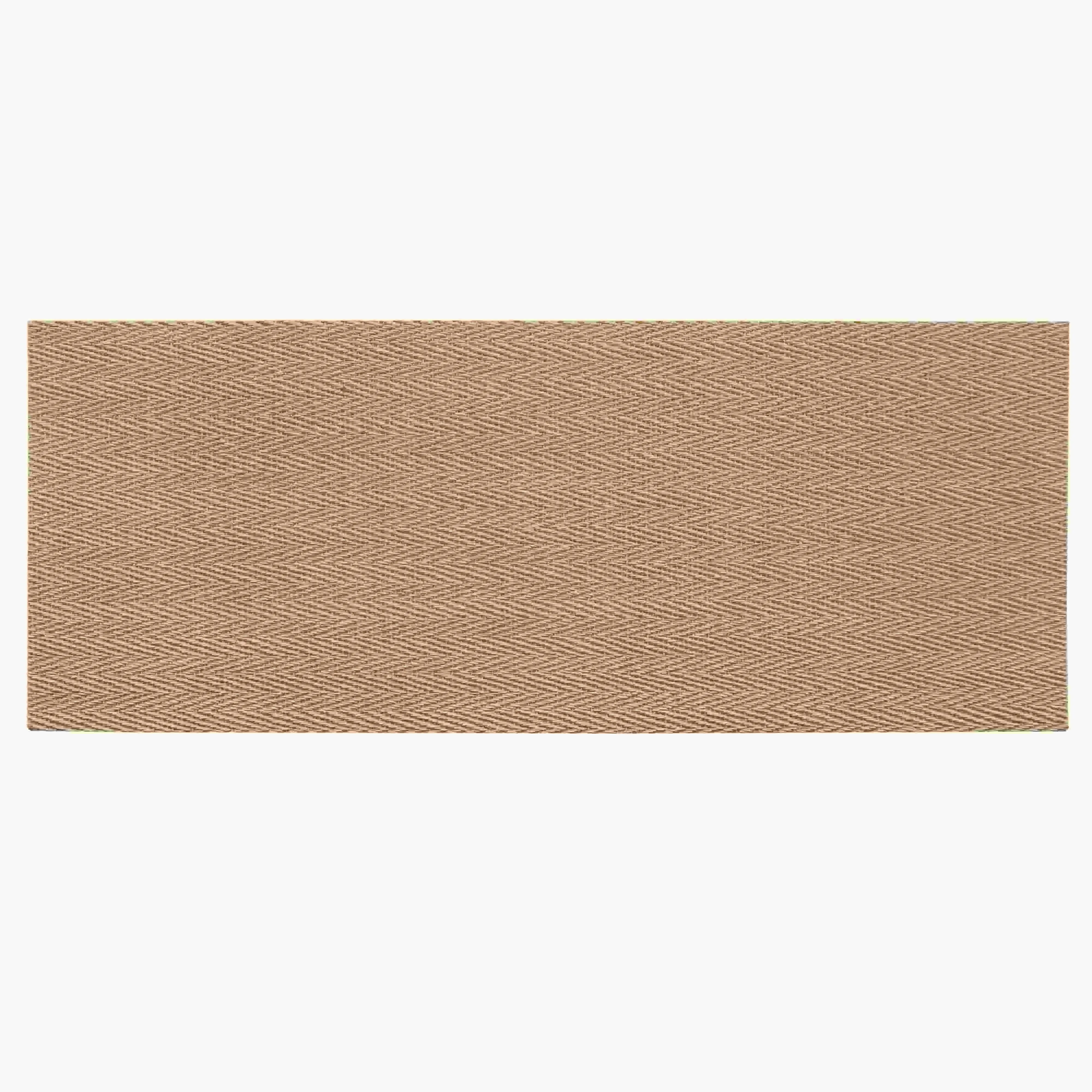
We spend roughly 90% of our lives indoors, according to the Environmental Protection Agency (EPA). That statistic alone makes the air we breathe inside our homes, offices, and schools one of the most critical factors for our daily health. Yet, for many, indoor air quality (IAQ) remains an afterthought—overshadowed by flashy decor or trendy designs. The truth? The materials and textures we choose for walls, floors, and ceilings don't just shape a room's look; they directly impact the air we inhale, the moisture levels that breed mold, and even the long-term health of our families and communities. Today, let's shine a light on one texture that's quietly revolutionizing IAQ: Weaving (Khaki). Along the way, we'll explore how it stacks up against other innovative materials like Foamed Aluminium Alloy Board (Vintage Silver), Epoch Stone, and Fair-Faced Concrete—proving that beauty and breathability can go hand in hand.
Indoor air can be up to five times more polluted than outdoor air, the EPA warns. Much of this pollution starts with the materials surrounding us. Think about the "new home smell"—that sharp, chemical-like scent isn't a sign of freshness; it's volatile organic compounds (VOCs) off-gassing from paints, adhesives, and synthetic fabrics. Over time, these compounds (like formaldehyde or benzene) can trigger headaches, allergies, and even long-term respiratory issues. Then there's moisture: walls that trap humidity become breeding grounds for mold and mildew, releasing spores that turn the air into a minefield for asthma sufferers. And let's not forget dust: porous or textured surfaces that collect dust can worsen air quality, especially in spaces where windows stay closed for most of the year.
The good news? Not all materials are created equal. Some are designed to work with the air, not against it—promoting circulation, resisting moisture, and emitting little to no harmful chemicals. Weaving (Khaki) is one such material, but it's not alone. Let's start by unpacking what makes this texture so special.
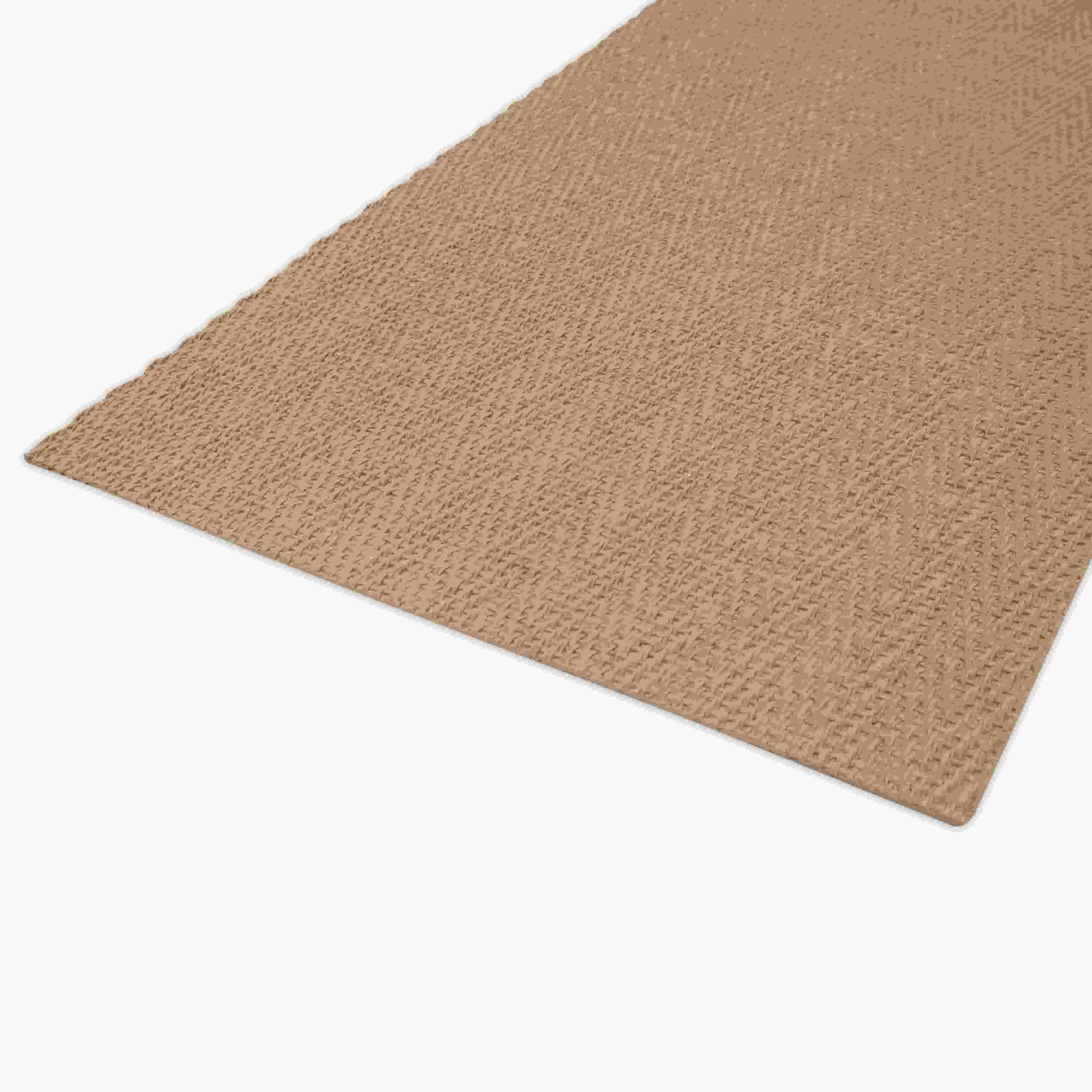
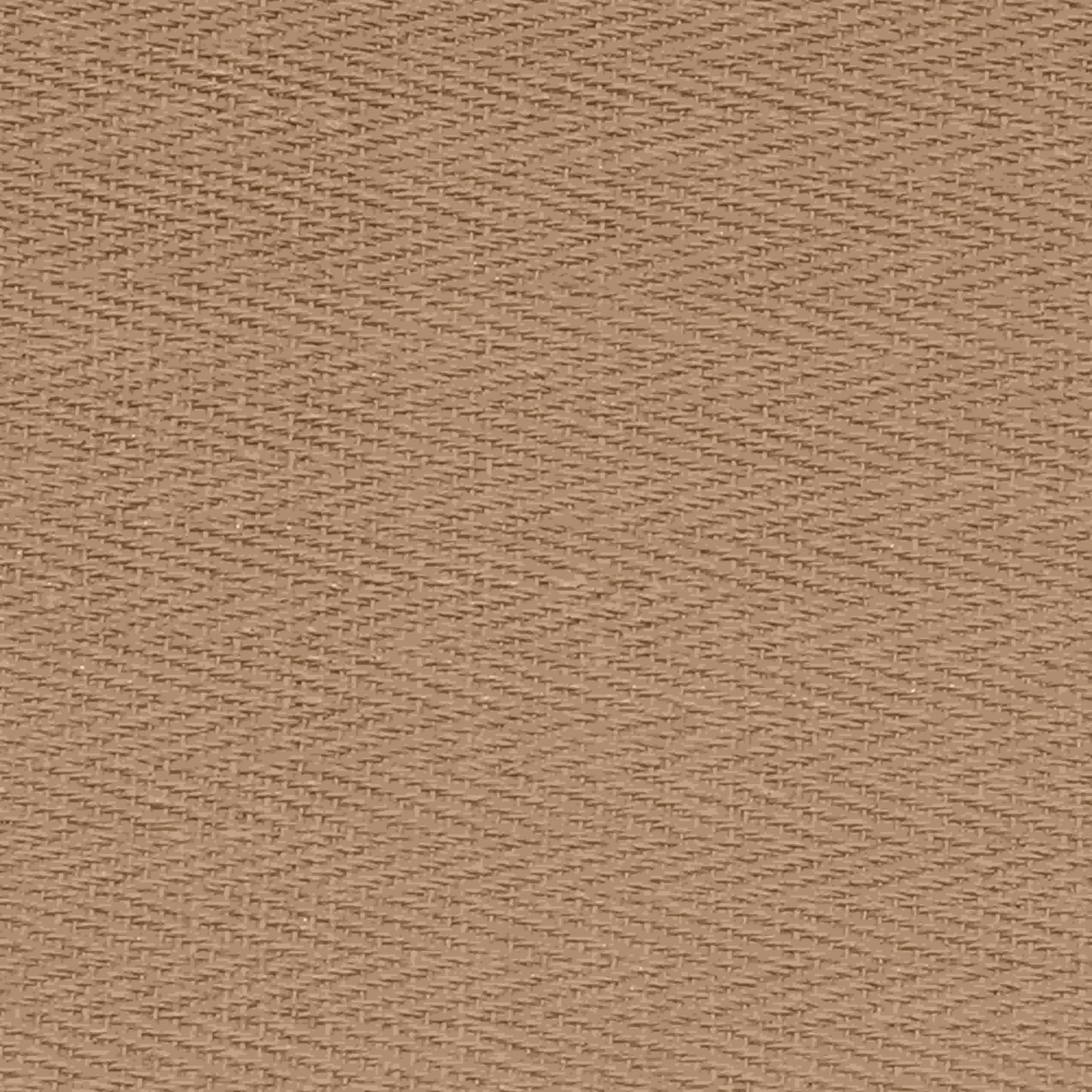
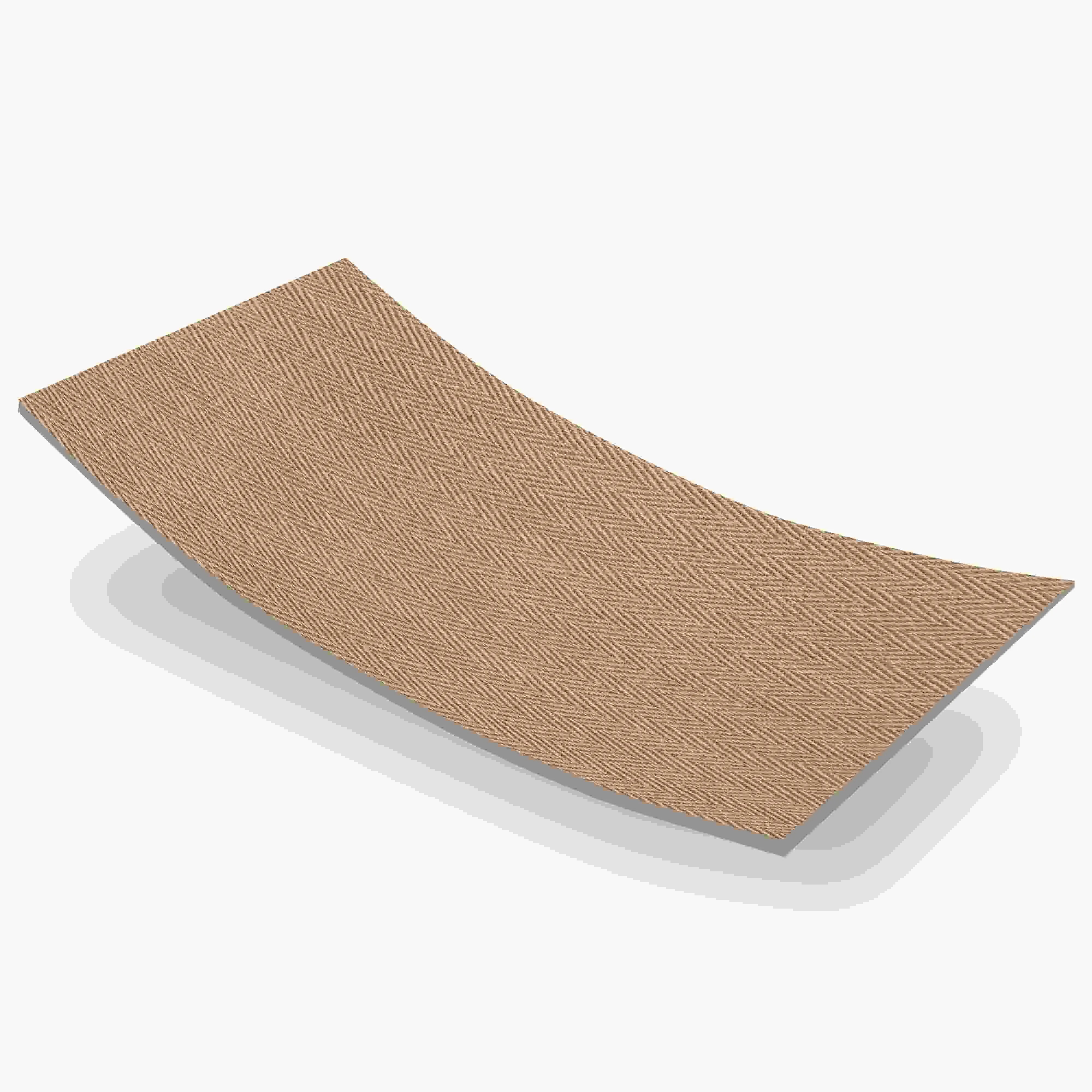
At first glance, Weaving (Khaki) might seem like just another aesthetic choice—a warm, earthy texture that adds depth to walls or furniture. But look closer, and you'll realize it's a masterclass in functional design. Unlike synthetic wallpapers or vinyl panels, which often rely on plastic-based adhesives and chemical coatings, Weaving (Khaki) typically uses natural fibers or sustainable composites. Imagine a textile woven from jute, hemp, or recycled cotton, dyed with plant-based pigments in soft khaki tones. The magic lies in its structure: the interlaced threads create tiny pockets of space that act like a respiratory system for your walls. Air circulates freely through these gaps, preventing the buildup of stagnant, pollutant-laden air. It's like giving your room lungs.
Take Maria, a homeowner in Portland with a history of seasonal allergies. After installing Weaving (Khaki) panels in her bedroom, she noticed a difference within weeks. "I used to wake up with a stuffy nose every morning, even with an air purifier," she says. "Now, it's gone. My allergist thinks the panels are helping keep dust and mold spores at bay—they don't trap moisture like my old wallpaper did." That's the power of breathability: by letting air flow, Weaving (Khaki) reduces the conditions that allow allergens to thrive.
But it's not just about airflow. Many Weaving (Khaki) products are crafted with minimal processing. Instead of harsh chemical sealants, manufacturers might use beeswax or natural oils to protect the fibers—substances that emit zero VOCs. This aligns with a growing trend: homeowners and designers are prioritizing "low-emission" materials, recognizing that what's on the walls matters as much as what's in the air. And when it comes to sustainability? Weaving (Khaki) often scores high here too. Local sourcing of fibers cuts down on transportation emissions, and biodegradable materials mean less waste in landfills. It's a texture that looks good, feels good, and does good.
Weaving (Khaki) is a standout, but it's part of a larger family of materials that prioritize air quality. Let's meet three more: Foamed Aluminium Alloy Board (Vintage Silver), Epoch Stone, and Fair-Faced Concrete. Each brings unique strengths to the table, proving that when it comes to indoor air, variety is a good thing.
If Weaving (Khaki) is the "breathable" option, Foamed Aluminium Alloy Board (Vintage Silver) is the "tough yet gentle" counterpart. Aluminium is already known for its durability, but the foaming process takes it a step further. By injecting gas into molten aluminium, manufacturers create a lightweight, porous material that's 70% lighter than solid aluminium but just as strong. What does this mean for air quality? Foamed aluminium doesn't off-gas. Unlike wood panels treated with formaldehyde-based preservatives or steel coated in lead-based paints, it's inert. The vintage silver finish? Achieved through anodization, a process that uses electricity and natural acids to create a protective oxide layer—no toxic paints required.
This makes it ideal for high-moisture areas like bathrooms or kitchens, where mold is a common air quality culprit. "We used Foamed Aluminium Alloy Board (Vintage Silver) in a restaurant's open kitchen last year," says Jake, a commercial designer in Chicago. "The walls stay dry, even with steam from the stoves, and there's never that musty smell you get with drywall. The staff says the air feels cleaner, too." Its resistance to corrosion also means it lasts decades, reducing the need for frequent replacements—and less construction waste over time.
Epoch Stone sounds like something out of a sustainability manifesto—and that's because it is. Developed by a team of materials scientists in Sweden, it's made from 85% recycled stone dust (leftover from quarrying) and natural binders like limestone. The result? A stone-like panel with the look of travertine or marble, but without the heavy environmental footprint. For air quality, Epoch Stone checks every box: no synthetic dyes (colors come from natural minerals), no resin coatings (it's sealed with water-based sealant), and zero VOC emissions. It's so safe, it's been used in hospitals and pediatric clinics, where air purity is non-negotiable.
Take the example of Greenview Elementary in Seattle, which renovated its classrooms with Epoch Stone countertops. "We wanted materials that wouldn't contribute to 'sick building syndrome,'" says Principal Rodriguez. "Since installing Epoch Stone, we've seen a 30% drop in student absences related to respiratory issues. It's not a coincidence."
Fair-Faced Concrete is the minimalist's dream—and an air quality champion. Unlike standard concrete, which is often covered in paint or tile, fair-faced concrete is left raw, with its natural texture and color on full display. This "less is more" approach is key: by skipping paint, wallpaper, or sealants, it eliminates a major source of VOCs. Think about it: a gallon of latex paint can emit VOCs for years after drying. Fair-Faced Concrete? It's just concrete—cement, water, and aggregates—with no added chemicals.
But what about moisture? Concrete is porous, right? Modern techniques address this by treating the surface with a natural wax or silicate sealer, which repels water without blocking all airflow. The result is a material that resists mold while still allowing the wall to "breathe" slightly. It's why architects like Zaha Hadid have used it in residential projects: it's durable, timeless, and kind to the air. As one designer put it, "Fair-Faced Concrete doesn't just look honest—it is honest. There's nothing to hide behind, and that transparency translates to better air."
Wondering which material is right for your space? Let's break down their air quality credentials side by side:
| Material | VOC Emissions | Moisture Resistance | Breathability | Sustainability | Best For |
|---|---|---|---|---|---|
| Weaving (Khaki) | Very Low (natural fibers, plant-based dyes) | Moderate (resists mold with airflow) | High (woven structure promotes air circulation) | High (biodegradable, locally sourced fibers) | Bedrooms, living rooms, home offices |
| Foamed Aluminium Alloy Board (Vintage Silver) | Ultra Low (inert material, anodized finish) | High (corrosion-resistant, repels moisture) | Low (non-porous but prevents mold growth) | Medium (recyclable, energy-intensive production) | Bathrooms, kitchens, commercial kitchens |
| Epoch Stone | Low (recycled stone, water-based sealant) | High (dense composite resists water) | Moderate (minimal airflow, but no VOCs) | Very High (85% recycled content, natural binders) | Countertops, hospitals, schools |
| Fair-Faced Concrete | None (raw material, no added coatings) | Moderate (wax sealant repels moisture) | Low (porous but treated for balance) | Medium (local aggregates, minimal processing) | Walls, floors, modernist interiors |
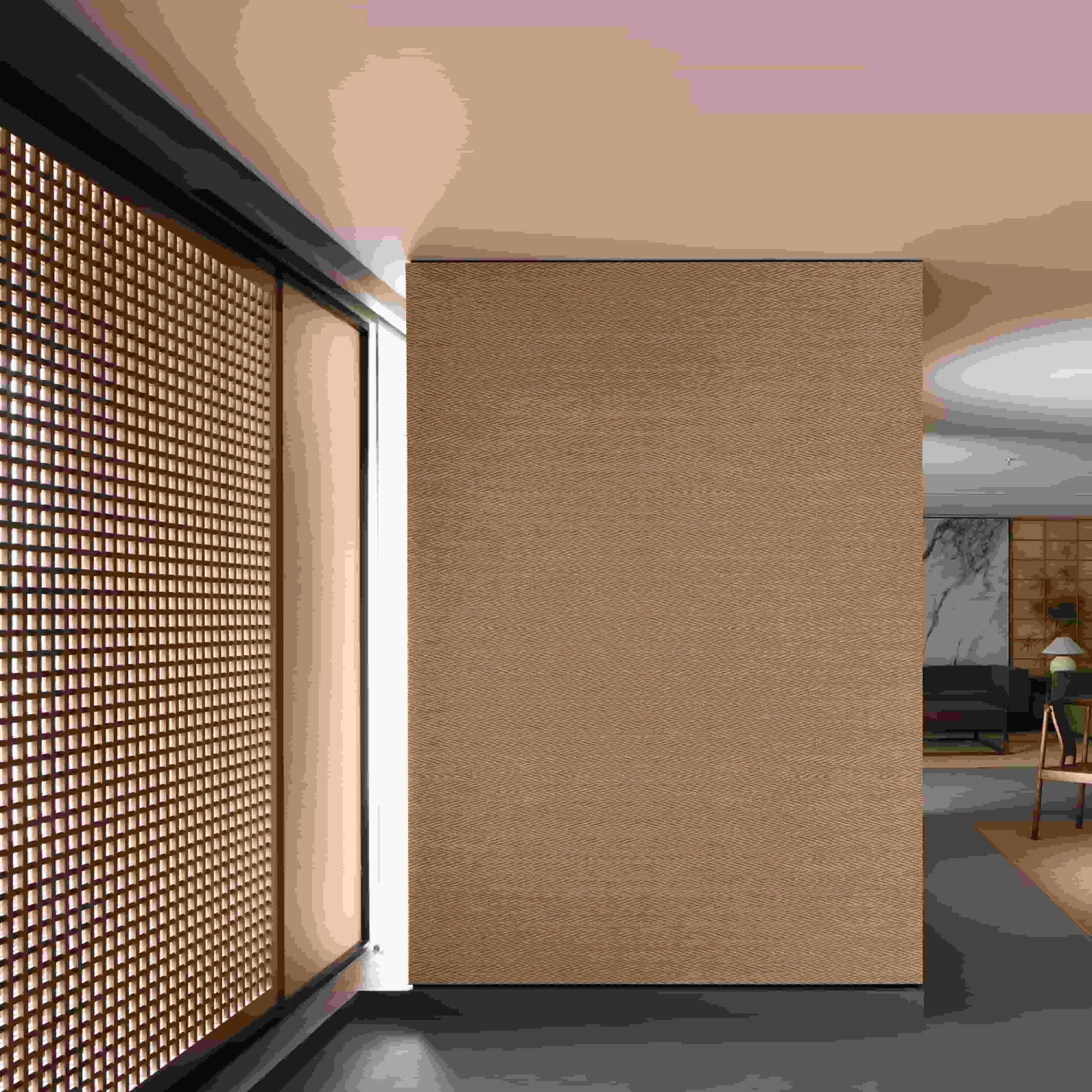
These materials aren't just theoretical—they're making a difference in real spaces. Take the case of a co-working studio in Brooklyn that renovated with Weaving (Khaki) panels and Foamed Aluminium Alloy Board (Vintage Silver) accents. After the renovation, air quality tests showed a 40% reduction in VOC levels and a 25% drop in dust mite allergens. "Our members are happier, more productive," says the studio manager. "We even had someone tell us they can finally work here without getting a headache. That's priceless."
In schools, the impact is even more profound. A study by the Harvard T.H. Chan School of Public Health found that classrooms with low-VOC materials had 15% higher student test scores and fewer absences. Epoch Stone and Fair-Faced Concrete are becoming go-to choices for school districts, not just for their air benefits, but for their durability—they stand up to years of backpacks, desks, and playful roughhousing.
Indoor air quality isn't a luxury—it's a necessity. The next time you're designing a space, pause before reaching for the trendiest wallpaper or cheapest paneling. Ask: What's this material made of? Does it emit chemicals? Can it breathe? Weaving (Khaki), Foamed Aluminium Alloy Board (Vintage Silver), Epoch Stone, and Fair-Faced Concrete are more than just materials—they're investments in your health, your family's well-being, and the planet. They show that texture can be both beautiful and functional, that design can be kind to the air, and that small choices (like what's on your walls) can make a big difference.
So go ahead—embrace the weave, the metal, the stone, or the concrete. Your lungs will thank you.
Recommend Products












