
In the bustling world of commercial design, where every café, boutique, and office competes for attention, brand identity isn't just a logo or a color scheme—it's the feeling a space leaves in the hearts of those who step inside. It's the unspoken promise of what a brand stands for: warmth, innovation, tradition, or edge. And in this quest to craft memorable identities, materials aren't just building blocks; they're storytellers. Among these, weaving real photos has emerged as a quiet yet powerful protagonist, turning walls, ceilings, and surfaces into narratives that resonate long after the first visit.
But why does brand identity matter so deeply in commercial spaces? Think of it this way: a customer might forget the price of a latte, but they'll remember how a café made them feel—whether it felt like a second home or a cold transaction. That feeling is brand identity in action. It's what turns first-time visitors into loyal patrons and casual clients into brand advocates. And in a market saturated with options, differentiation isn't just nice to have; it's survival. This is where materials like weaving real photos, paired with complementary textures such as mcm flexible stone, wood grain board, and fair-faced concrete, step in to transform "spaces" into "experiences."
Human beings are wired to connect through senses. We don't just see a space—we touch it, smell it, and let it seep into our perception of who belongs there. Weaving real photos, with their intricate patterns and tactile depth, speak directly to this sensory need. Unlike flat, uniform surfaces, they invite interaction: a hand brushing against a woven wall panel, eyes tracing the interplay of light and shadow in its threads. This isn't just decoration; it's a conversation starter. A brand that uses weaving real photos isn't just saying, "We exist"—it's saying, "We care about the details, about making you feel seen."
Take, for example, a boutique that specializes in artisanal goods. If its walls are clad in smooth, cold concrete alone, it might feel clinical, disconnected from the craftsmanship it sells. But add weaving real photos—textures that mimic handwoven fabrics, with subtle variations that hint at human touch—and suddenly the space aligns with the brand's promise of "handmade with care." The materials don't just decorate the space; they *reinforce* the brand's core values. This alignment is key: when a space's materials match its story, customers don't just believe the brand—they *live* it.
Weaving real photos aren't just about texture—they're about storytelling through visuals. Imagine a restaurant that prides itself on farm-to-table cuisine. Instead of generic wallpaper, its walls feature weaving panels that incorporate real photos of wheat fields, sunflowers, and hands harvesting vegetables. These images aren't random; they're a visual timeline of the brand's journey from farm to fork. A customer sitting at a table, glancing at those panels, isn't just eating a meal—they're part of a story about sustainability and connection to the land. Weaving real photos turn passive observers into active participants in the brand's narrative.
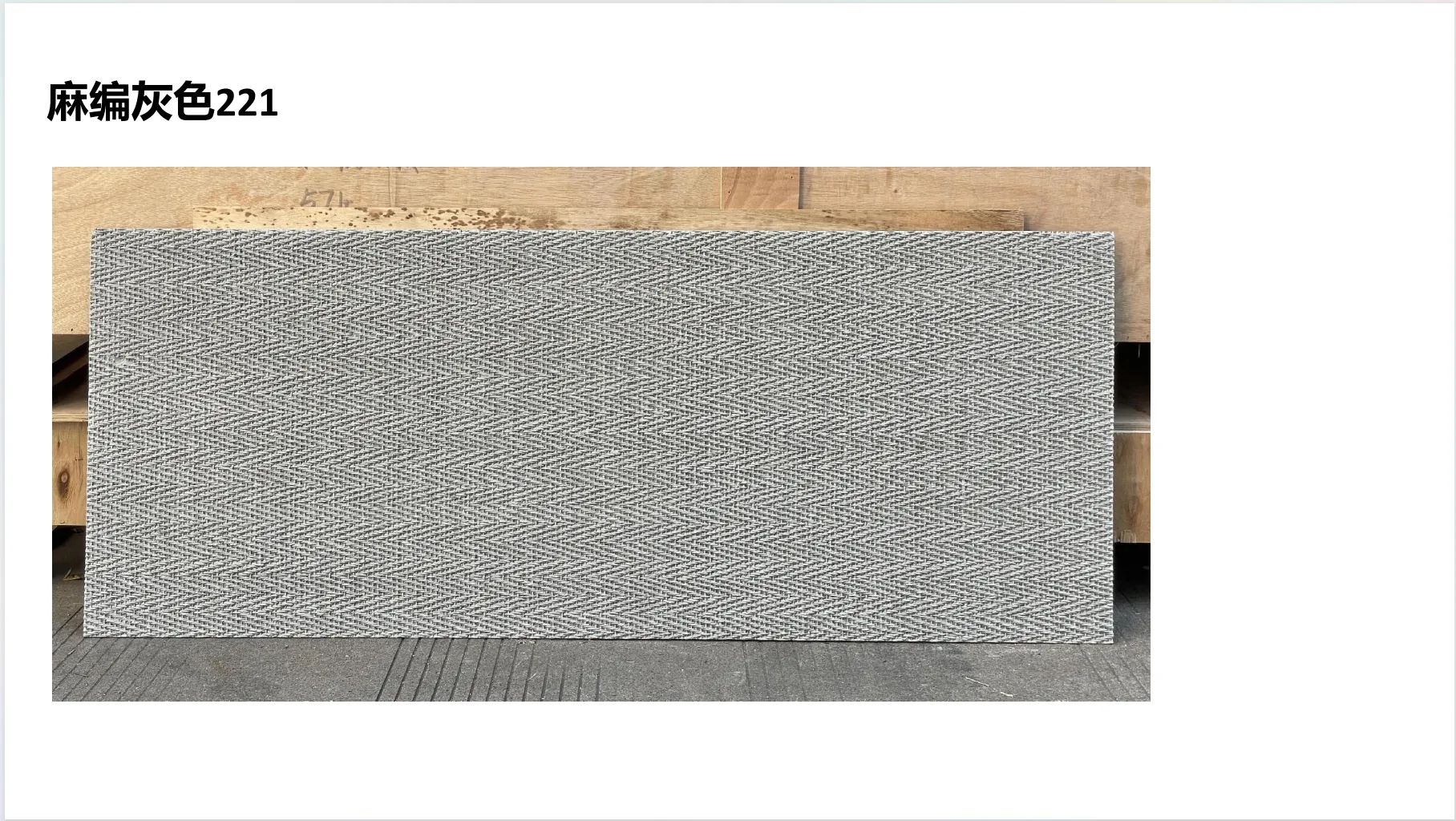
What makes weaving real photos particularly effective is their versatility. They can be soft and organic, like the "weaving (beige)" or "weaving (khaki)" variants, evoking warmth and comfort. Or they can be bold and modern, such as "weaving (jacinth)" with its rich, earthy reds, adding a pop of personality to a minimalist space. This flexibility means they can adapt to any brand identity: a yoga studio might opt for neutral weaving textures to promote calm, while a tech startup could use geometric woven patterns in vibrant hues to signal innovation.
While weaving real photos are powerful on their own, their impact multiplies when paired with the right materials. The goal isn't to overwhelm the space with texture, but to create a harmonious symphony where each material plays a role in the brand's story. Let's explore how weaving real photos can dance with other materials to amplify brand identity:
| Material | Visual & Tactile Qualities | Emotional Impact | Brand Alignment |
|---|---|---|---|
| Weaving Real Photos | Intricate patterns, tactile depth, light-catching threads | Warmth, craftsmanship, invitation to connect | Artisanal, cozy, community-focused brands |
| MCM Flexible Stone | Natural stone textures, lightweight, versatile shapes | Strength, timelessness, organic elegance | Luxury, sustainability, heritage-driven brands |
| Wood Grain Board | Natural wood patterns, smooth or rough finish, earthy tones | Nostalgia, warmth, groundedness | Eco-friendly, rustic, homey brands |
| Fair-Faced Concrete | Raw, industrial texture, matte finish, neutral palette | Modernity, honesty, understated strength | Minimalist, innovative, forward-thinking brands |
Consider a co-working space targeting creative professionals. To balance innovation with comfort, it might pair fair-faced concrete walls (conveying modernity) with weaving real photos accents (adding warmth) and wood grain board desks (grounding the space in nature). The result? A space that says, "We're cutting-edge, but we also value your well-being." Each material works in harmony to tell a cohesive story—no mixed messages, no disjointed vibes.
Or take a high-end hotel aiming for "timeless luxury." Here, mcm flexible stone could form the backdrop (evoking natural elegance), while weaving real photos in muted golds and beiges add layers of texture, preventing the space from feeling cold or sterile. Wood grain board accents in the lobby further reinforce warmth, making guests feel pampered yet at home. Together, these materials whisper, "You've arrived somewhere special—somewhere that honors tradition while embracing comfort."
At the end of the day, brand identity isn't about impressing customers—it's about forging connections. Weaving real photos excel at this because they're inherently human. They bear the marks of design choices that prioritize emotion over efficiency, personality over perfection. A brand that uses weaving real photos isn't just selling a product or service; it's creating a space where people feel they belong. And when people feel they belong, they don't just return—they bring others with them.
Think of a local bookstore that uses weaving real photos to line its reading nooks. The panels, with their soft, woven textures, make the nooks feel like secret hideaways. A customer curls up there with a book, and suddenly the bookstore isn't just a place to buy books—it's a sanctuary. That customer will remember that feeling, and when they think of "cozy reading spots," they'll think of that bookstore. They'll recommend it to friends, post about it on social media, and become a loyal patron. All because the space, through materials like weaving real photos, made them feel something.
In contrast, a brand that skimps on material storytelling risks blending into the background. A café with generic drywall, plastic chairs, and no thought to texture might serve great coffee, but it won't create memories. Customers will come for the caffeine, but they won't stay for the experience—and they won't feel compelled to return. In a world where choices are endless, "good enough" isn't enough. Brands need to *resonate*, and materials like weaving real photos are the key to that resonance.
Brand identity in commercial design is about more than aesthetics; it's about creating spaces that stick in the mind and heart. Weaving real photos, with their tactile allure and narrative potential, are more than just materials—they're silent brand ambassadors. They work tirelessly to communicate who you are, what you value, and how you want your customers to feel. When paired with complementary textures like mcm flexible stone, wood grain board, and fair-faced concrete, they create a symphony of sensory experiences that turn first-time visitors into lifelong advocates.
So, the next time you're designing a commercial space, ask yourself: What story does my brand want to tell? And which materials will help tell that story most authentically? If warmth, craftsmanship, and connection are part of that story, weaving real photos might just be the thread that ties it all together—one texture, one interaction, one memory at a time.
Recommend Products












