
Bridging sustainable design, authentic storytelling, and the art of material innovation
In the world of architecture and design, the phrase "green building" has evolved from a buzzword to a fundamental promise. Today's creators aren't just building structures—they're crafting legacies that respect the planet. At the heart of this movement lies a quiet revolution: materials that don't just look good, but do good. Enter MCM (Modified Composite Material) solutions, a family of surfaces designed to marry aesthetics with eco-consciousness. But what truly sets MCM apart isn't just its sustainability credentials; it's how these materials are brought to life through weaving real photos —visual narratives that turn technical specs into tangible, relatable stories.
Every slab, panel, and texture in the MCM lineup has a purpose beyond beauty. From the recycled metals in foamed aluminium alloy boards to the renewable bamboo in bamboo mat boards, each material is chosen to reduce environmental impact without compromising on design. But here's the catch: sustainability can feel abstract. How do you convince an architect, a developer, or even a homeowner that a "lunar peak silvery" facade isn't just a pretty face, but a champion of energy efficiency? That's where weaving real photos comes in. These aren't just glossy images—they're windows into how these materials perform in the real world: the way sunlight plays on a travertine (starry green) accent wall, the texture of fair-faced concrete that requires no harmful sealants, the lightweight durability of a foamed aluminium alloy board (vintage silver) that cuts down on transportation emissions.
Let's break it down: when an architect is designing a green building, they need more than a product sheet. They need to see how a material will age, how it interacts with light, how it fits into a larger eco-system of sustainable choices. Weaving real photos answers those questions. Take the MCM big slab board series, for example. A technical description might tell you it's "lightweight, fire-resistant, and made with 30% recycled content." But a real photo? It shows the slab spanning a wall in a school, sunlight streaming through windows and highlighting the subtle grain of the material—a grain that comes from recycled wood fibers. Suddenly, "30% recycled content" becomes a story of waste diverted from landfills, of a space that feels warm and alive because it's rooted in responsibility.
Or consider bamboo mat board. On paper, it's "renewable, biodegradable, and low-VOC." But a real photo of it used in a café interior—paired with travertine (beige) countertops and a ripple board (white) backsplash—tells a richer tale: the natural warmth of bamboo balancing the coolness of stone, creating a space that's both inviting and kind to the planet. Clients don't just see a material; they see a mood, a lifestyle, a commitment to sustainability that feels authentic because it's visible.
Weaving real photos also holds MCM accountable. In an industry where "eco-friendly" can be greenwashed, these images prove that the claims are real. A photo of a foamed aluminium alloy board (vintage gold) facade in a coastal area, standing strong after years of salt spray, doesn't just show durability—it shows that the material's "corrosion-resistant" label isn't just marketing. It's proof that sustainability and longevity go hand in hand.
To truly appreciate how MCM merges sustainability with design, let's dive into some of its standout series—accompanied, of course, by the stories that weaving real photos help tell.
| Series Name | Key Materials | Sustainability Feature | Standout Design Element |
|---|---|---|---|
| MCM Big Slab Board Series | Recycled wood fibers, low-VOC resins | 30% recycled content; reduces material waste with large-format slabs | Seamless installation for modern, minimalist facades |
| Lunar Peak Series (Silvery/Golden/Black) | Recycled metal alloys, reflective pigments | Reflective surfaces reduce heat absorption, lowering AC usage | Metallic sheen that mimics moonlight; ideal for energy-efficient buildings |
| Foamed Aluminium Alloy Board (Vintage Silver/Gold) | Lightweight aluminium foam, recycled metal core | 70% lighter than solid metal, cutting transportation emissions | Vintage finish with industrial charm; fire-resistant and corrosion-proof |
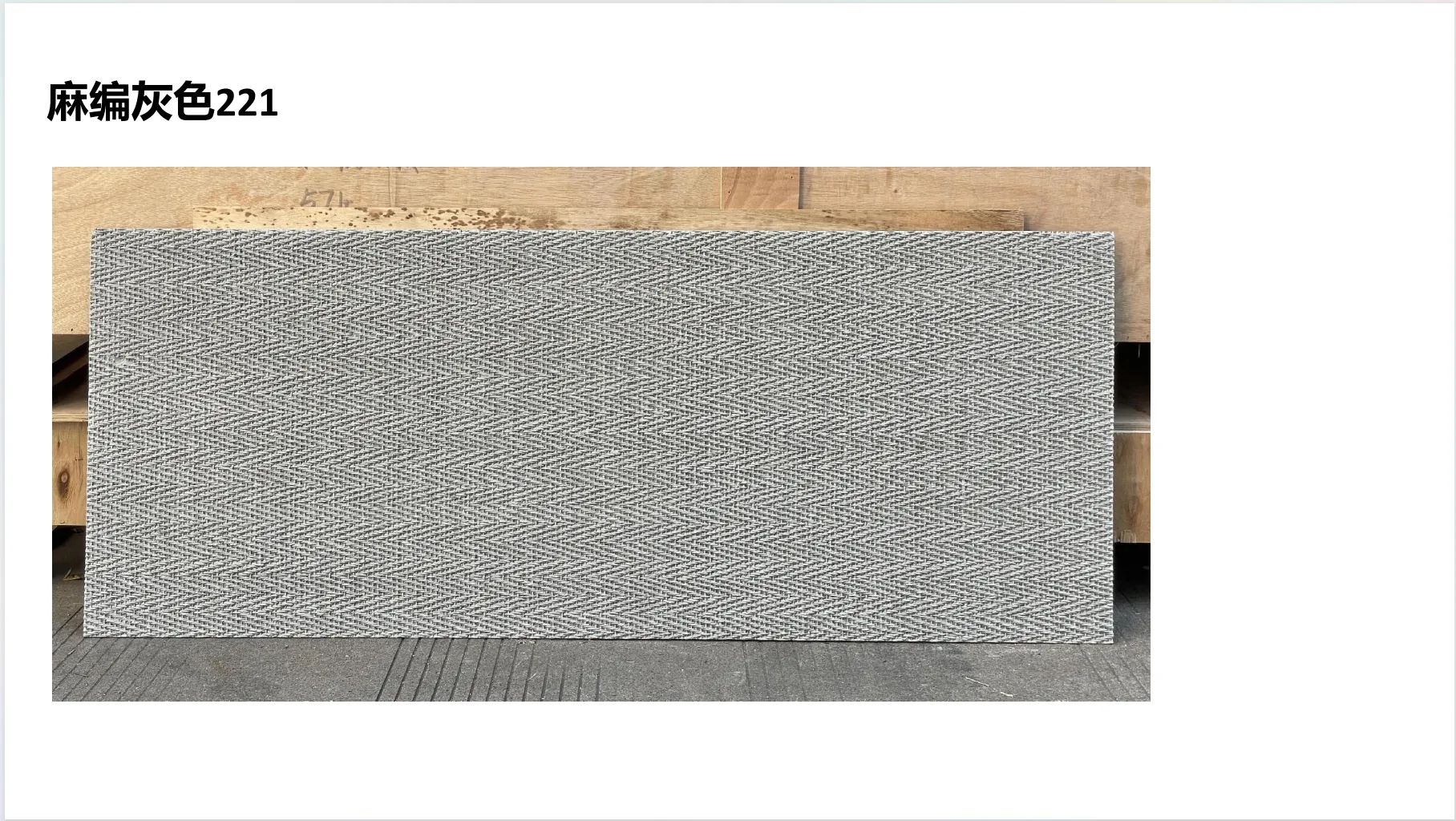
| Bamboo Mat Board | Sustainably harvested bamboo, natural adhesives | Bamboo regrows in 3–5 years; biodegradable at end of life | Intricate mat texture that adds warmth to interiors |
| Travertine (Starry Green/Red/Blue) | Natural travertine stone, water-based sealant | Quarried using low-impact methods; minimal processing | "Starry" flecks of mineral deposits that catch light, adding depth |
| Fair-Faced Concrete | High-performance concrete, no toxic sealants | Zero VOC emissions; durable, reducing need for replacement | Raw, industrial aesthetic with a smooth, tactile finish |
Let's zoom in on a few materials that are making waves in green building, thanks in part to the stories told by weaving real photos.
Walk past a building clad in Lunar Peak Silvery, and you'll notice it shimmers—almost like it's reflecting the sky. That's no accident. The series is engineered with reflective pigments that bounce sunlight away from the building, keeping interiors cooler and reducing the need for air conditioning. A real photo of a school in Arizona using this material tells the full story: in the height of summer, the facade stays cool to the touch, and the classrooms inside require 20% less energy than similar buildings. Weaving real photos capture this performance, making it easy for architects to justify the choice to clients who might prioritize aesthetics over energy bills—until they see the numbers and the beauty.
Foamed aluminium is a marvel of engineering. By infusing aluminium with tiny air bubbles, MCM creates a material that's 70% lighter than solid metal but just as strong. The vintage silver finish adds a touch of industrial elegance, but the real win is in transportation. A real photo of a construction site shows workers easily lifting panels that would require heavy machinery with traditional metal. Fewer trucks, less fuel, lower emissions—all because the material is designed to be kind to the planet. Weaving real photos of these panels installed on a community center's facade, paired with travertine (starry blue) accents, show that sustainability doesn't mean sacrificing style.
Bamboo is one of the fastest-growing plants on Earth, making it a poster child for renewable resources. MCM's bamboo mat board takes this a step further by using only bamboo harvested from FSC-certified forests and binding it with natural, low-VOC adhesives. A real photo of this board used in a yoga studio—paired with ripple board (grey) and lime stone (beige)—feels like a hug from nature. The mat texture adds warmth, while the knowledge that the bamboo will regrow in years, not decades, adds peace of mind. Weaving real photos here don't just show a material; they show a commitment to living in harmony with the planet.
Natural stone can be eco-friendly when sourced responsibly, and travertine (starry green) is a prime example. MCM quarries this stone using methods that protect local ecosystems, and processes it with minimal water and energy. The "starry" flecks are natural mineral deposits, so no artificial dyes are added. A real photo of a hotel lobby with a starry green travertine accent wall, lit by soft overhead lights, makes the stone look almost alive—the stars twinkling as guests walk by. It's a reminder that the most stunning designs often come from nature itself, and that sustainability means preserving that beauty, not masking it.
Let's step into the shoes of Maria, an architect tasked with designing a community center in Portland, Oregon—with a strict budget and an even stricter sustainability mandate. The client wanted the building to be LEED-certified, but they were skeptical that eco-friendly materials could look as good as traditional options. Maria turned to MCM, but she needed to convince both the client and the construction team that these materials were up to the task. That's where weaving real photos became her secret weapon.
First, the facade. Maria was drawn to the Lunar Peak Silvery series for its reflective properties—perfect for Portland's rainy climate, as it would bounce light and reduce the need for artificial lighting. But the client worried it would look "cheap." Maria showed them a real photo of a library in Seattle using the same material: the silvery panels catching the gray sky, creating a soft glow that made the building feel welcoming, not industrial. The photo showed the material's durability too—no chipping or fading after three years of rain and wind. The client was sold.
Next, the interiors. Maria wanted warmth, so she proposed bamboo mat board for the walls and ceilings. Again, the client hesitated: "Bamboo? Isn't that too flimsy?" Maria pulled up a real photo of a restaurant in Vancouver that used bamboo mat board in high-traffic areas. The image showed families leaning against the walls, children running past, and the bamboo still looking fresh—its natural texture even more pronounced with age. "It's not just sustainable," Maria explained, "it's resilient." The client nodded.
For the accent walls, Maria chose travertine (starry green) to add a pop of color. She showed a real photo of the stone installed in a community garden pavilion, the green hues complementing the plants outside. "It's like bringing the garden in," she said. The client smiled—they could already picture locals gathering there, drawn to the beauty and the story of the stone.
The result? A LEED Gold-certified community center that's become the heart of the neighborhood. And it all started with photos—images that turned abstract sustainability into something tangible, relatable, and inspiring. "Weaving real photos didn't just help us choose materials," Maria later said. "They helped us build a vision that everyone could get behind."
As green building moves from niche to norm, the demand for materials that are both eco-friendly and visually compelling will only grow. MCM is leading the charge, not just with innovative products like the 3D printing series (which reduces waste by printing custom designs on-site) or the epoch stone (made with recycled construction debris), but with a commitment to transparency. Weaving real photos are more than a marketing tool—they're a promise that what you see is what you get: sustainable, beautiful, and built to last.
Imagine a future where every building tells a story of sustainability through its surfaces. A hospital using fair-faced concrete (low VOC, easy to clean) and rammed earth board (gradient) to create calming spaces that heal both patients and the planet. A office building with a foamed aluminium alloy board (vintage gold) facade that shimmers in the sun, cutting energy costs while making a statement. A home with travertine (starry red) countertops and bamboo mat board floors, where the family knows their daily life is leaving a lighter footprint.
In this future, weaving real photos will continue to be the bridge between possibility and reality. They'll allow designers to experiment, clients to dream, and communities to rally around projects that prioritize people and the planet. And MCM? It will be right there, proving that sustainability isn't just a trend—it's a beautiful, lasting legacy.
So the next time you walk past a building with a striking facade or step into a space with a texture that feels alive, take a closer look. It might just be an MCM material, telling a story of sustainability—one real photo, one real project, one real impact at a time.
Recommend Products












