
Picture this: You're standing on a bustling construction site, hard hat in hand, watching as workers carefully measure, cut, and fit stone onto the facade. The architect specified a rare travertine with a unique veining pattern, but the shipment arrived with inconsistencies—some pieces are too light, others have veins that don't align. The crew spends hours reshaping each slab, delaying the project by days. Sound familiar? For decades, the construction and design industries have grappled with the headaches of on-site customization: wasted time, ballooning costs, and the constant stress of getting materials to match the original vision.
But what if there was a way to eliminate most of that on-site guesswork? Enter Weaving Real Photos Technology —a game-changer that's quietly revolutionizing how we approach architectural materials. By blending high-resolution imaging, advanced material science, and precision manufacturing, this technology is making on-site customization a thing of the past. Let's dive into how it works, why it matters, and how it's reshaping projects from residential builds to commercial skyscrapers.
At its core, Weaving Real Photos Technology is exactly what it sounds like: It starts by capturing ultra-detailed, 360-degree images of natural materials—think the rough texture of a mountain stone, the warm grain of aged wood, or the iridescent sheen of a marble quarry. These images aren't just snapshots; they're digital blueprints, capturing every nuance of color, pattern, and texture.
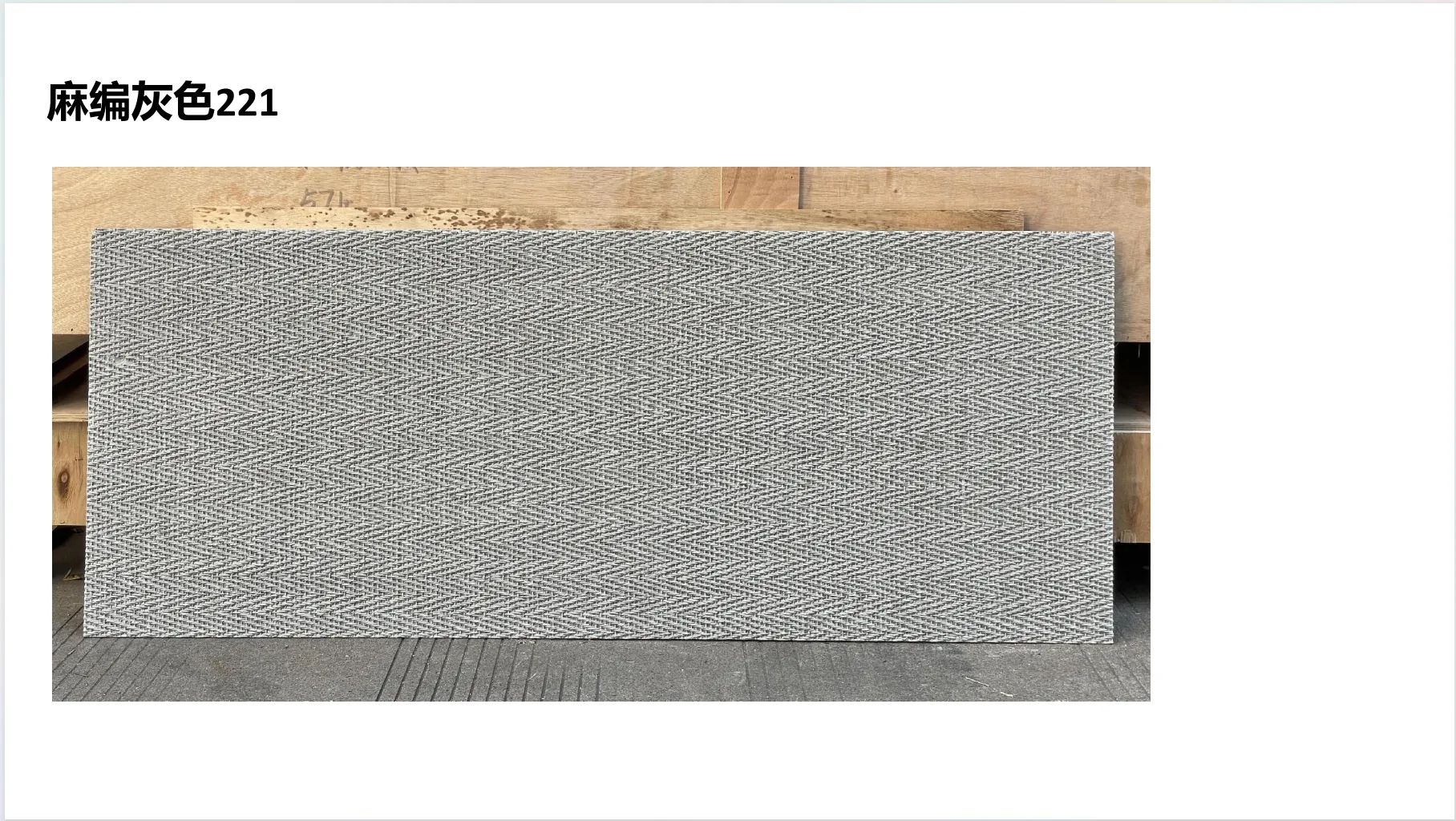
From there, the magic happens. Using specialized software, these "real photos" are "woven" into flexible, durable substrates—often paired with MCM flexible stone (Modified Composite Material), a lightweight, eco-friendly alternative to traditional stone. The result? Panels that look, feel, and even age like the real thing, but with a consistency that natural materials can never match. No more waiting for rare shipments or trimming slabs on-site—these panels arrive ready to install, right out of the box.
One of the biggest frustrations with traditional materials is their variability. Natural stone, for example, is formed over millennia, and no two slabs are identical. That beautiful "starry green" travertine the designer fell in love with at the quarry? By the time it's mined, cut, and shipped, the batch might have shifted in color, or the star-like mineral deposits might be sparse. On-site crews then have to improvise, leading to a facade that looks "almost right" but not quite.
Weaving Real Photos Technology erases that problem. By digitizing the exact look of the original material—down to the tiniest fleck of mineral or hairline crack—the technology ensures every panel is a near-perfect replica. Imagine a hotel lobby that calls for architectural big slab solutions with a "lunar peak silvery" finish. Instead of hunting for a quarry that can supply 20 identical slabs (a nearly impossible task), designers can scan a single sample of lunar peak stone, weave that image into large-format MCM panels, and receive 50 identical pieces. No more mismatched veins, no last-minute substitutions, and no on-site adjustments needed.
This precision isn't just about aesthetics. It's about trust. Clients can sign off on a digital mockup knowing exactly what the final result will look like, and contractors can install with confidence—no surprises, no delays.
Traditional on-site customization often boils down to one thing: cutting materials to fit. Whether it's trimming a stone slab to avoid a window frame or shaping a panel to follow a curved wall, these tasks eat up hours of labor and create mountains of waste (think of all those offcuts tossed into dumpsters). Prefabricated MCM panel systems , powered by Weaving Real Photos Technology, flip the script.
Here's how it works: Using the digitized material images, manufacturers can pre-cut panels to exact dimensions in the factory. Need a series of "wave panels" for a curved facade? The software maps the curve, the panels are cut to fit, and they arrive on-site with pre-drilled holes and alignment markers. Workers simply lift, position, and secure—no measuring tapes, no angle grinders, no dust clouds. It's like assembling a giant, beautiful puzzle where every piece fits on the first try.
Take MCM flexible stone as an example. Unlike heavy natural stone, which requires cranes and specialized equipment to maneuver, MCM panels are lightweight (often 70% lighter than traditional stone) and flexible enough to bend around corners. This means installers can handle them by hand, reducing the need for on-site heavy lifting and custom cutting. A project that once took a week to clad can now be finished in days—and with far fewer mistakes.
Anyone who's worked with small tiles or thin stone veneers knows the struggle: the more pieces you have, the more joints you need to fill, and the higher the chance of misalignment. Architectural big slab solutions have long been a goal, but natural stone slabs are heavy, brittle, and prone to cracking during transport—limiting their size. Weaving Real Photos Technology solves this by creating large-format panels (up to 12 feet long!) that mimic the look of big slabs without the logistical nightmares.
Imagine cladding a commercial building with 4x8-foot panels that look like solid "boulder slabs" in vintage silver. With traditional stone, you'd need dozens of smaller pieces, each requiring precise cutting and grouting. With Weaving Real Photos Technology, those panels are manufactured as single, seamless units. Fewer joints mean a cleaner, more modern aesthetic, and fewer opportunities for water infiltration or wear over time. Plus, installing 10 big slabs is infinitely faster than installing 100 small tiles—another win for reducing on-site labor.
On-site customization doesn't just cost time and money—it's hard on the planet, too. Traditional methods generate tons of waste: offcuts, damaged materials, and excess packaging. According to the U.S. Environmental Protection Agency, construction and demolition waste accounts for over 60 million tons of debris annually. Green building materials like MCM flexible stone, paired with Weaving Real Photos Technology, are helping to turn the tide.
Since panels are prefabricated to exact specifications, there's minimal waste in the factory—manufacturers can optimize material usage, recycling any scraps back into the production process. On-site, there's even less waste: no cutting means no offcuts, and lightweight panels reduce the carbon footprint of transportation (fewer trucks, less fuel). Plus, MCM itself is often made from recycled materials and is fully recyclable at the end of its life. It's a win-win: projects become more sustainable, and clients can earn LEED credits for reducing waste and using eco-friendly materials.
| Aspect | Traditional On-Site Customization | Weaving Real Photos Technology |
|---|---|---|
| Time | Weeks of on-site cutting, fitting, and adjustments | Days of installation (prefabricated panels ready to go) |
| Cost | High labor costs + wasted materials | Lower labor costs + minimal waste = 20-30% savings |
| Consistency | Hit-or-miss (natural materials vary widely) | Near-perfect replication of the original design |
| Sustainability | High waste (offcuts, damaged slabs) | Low waste (prefabricated, recyclable materials) |
| Design Flexibility | Limited by natural material availability | Unlimited (replicate any material, color, or pattern) |
Weaving Real Photos Technology isn't just about reducing on-site customization—it's about unlocking new possibilities for design. Imagine a museum facade that mimics the "starry red" travertine of a 17th-century Italian palace, or a restaurant interior that looks like it's carved from "gobi panel" stone, even though the building is in downtown Chicago. With this technology, designers are no longer limited by what's locally available or logistically feasible.
As green building materials become more critical, and clients demand faster, more cost-effective projects, Weaving Real Photos Technology is poised to become the norm, not the exception. It's a testament to how innovation can turn old frustrations into new opportunities—making construction smoother, designs more consistent, and the built world a little more beautiful.
So the next time you walk past a building with a stunning, seamless facade, take a closer look. Chances are, it wasn't crafted on-site with endless cuts and adjustments. It was woven—digitally, precisely, and perfectly—before it ever touched the ground.
Recommend Products












