
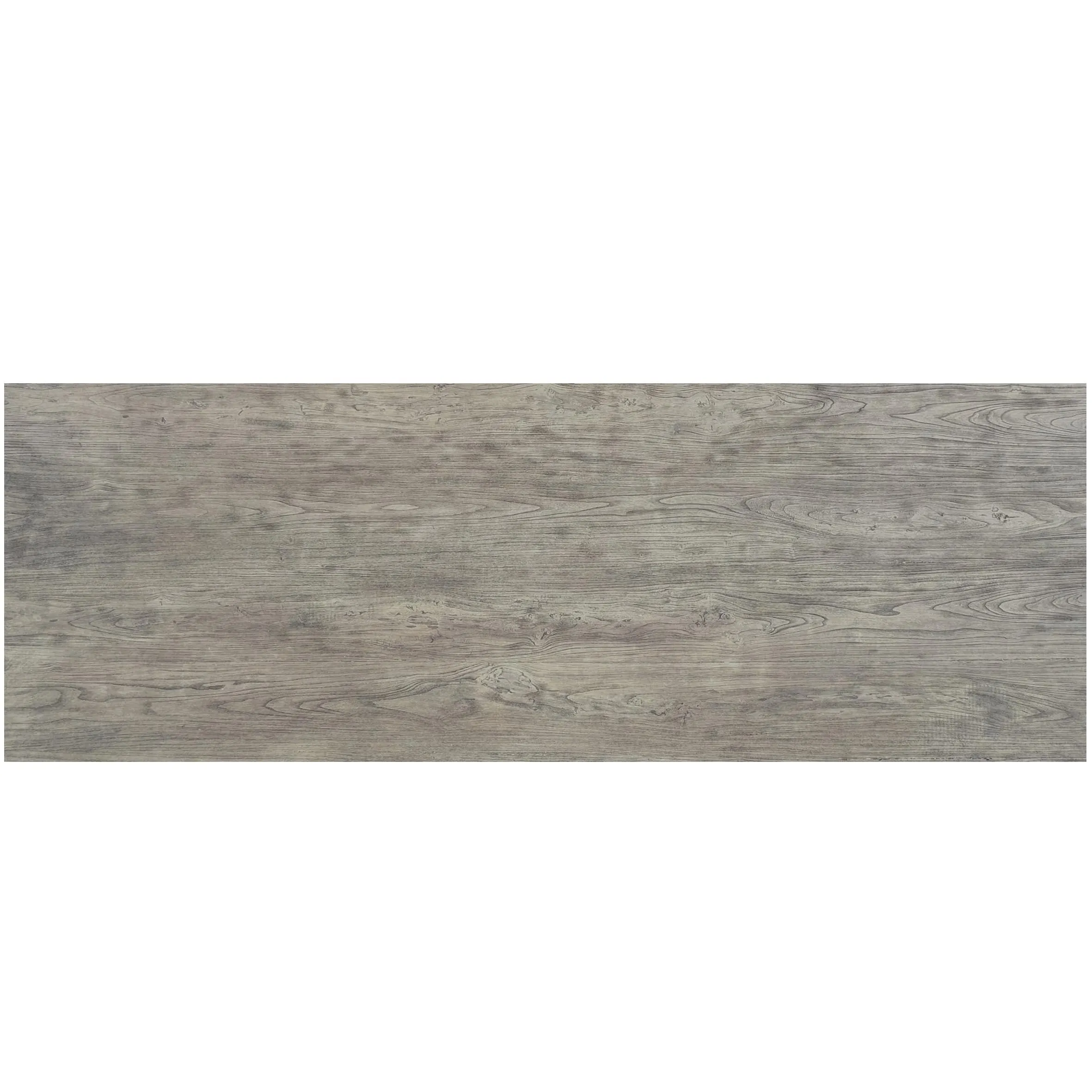
In a world where sustainability is no longer a buzzword but a critical imperative, green building certifications have become the gold standard for responsible construction. Whether it's LEED in the U.S., BREEAM in Europe, or WELL Building Standard globally, these certifications guide architects, developers, and homeowners toward choices that minimize environmental impact while enhancing human health. At the heart of this movement lies a often-overlooked hero: the materials we build with. Today, we're diving into one such material—wood grain board—and exploring how it's not just a design choice, but a powerful contributor to achieving those coveted green certifications. Along the way, we'll also touch on other innovative materials like flexible stone and fair-faced concrete, showing how the future of building is as sustainable as it is beautiful.
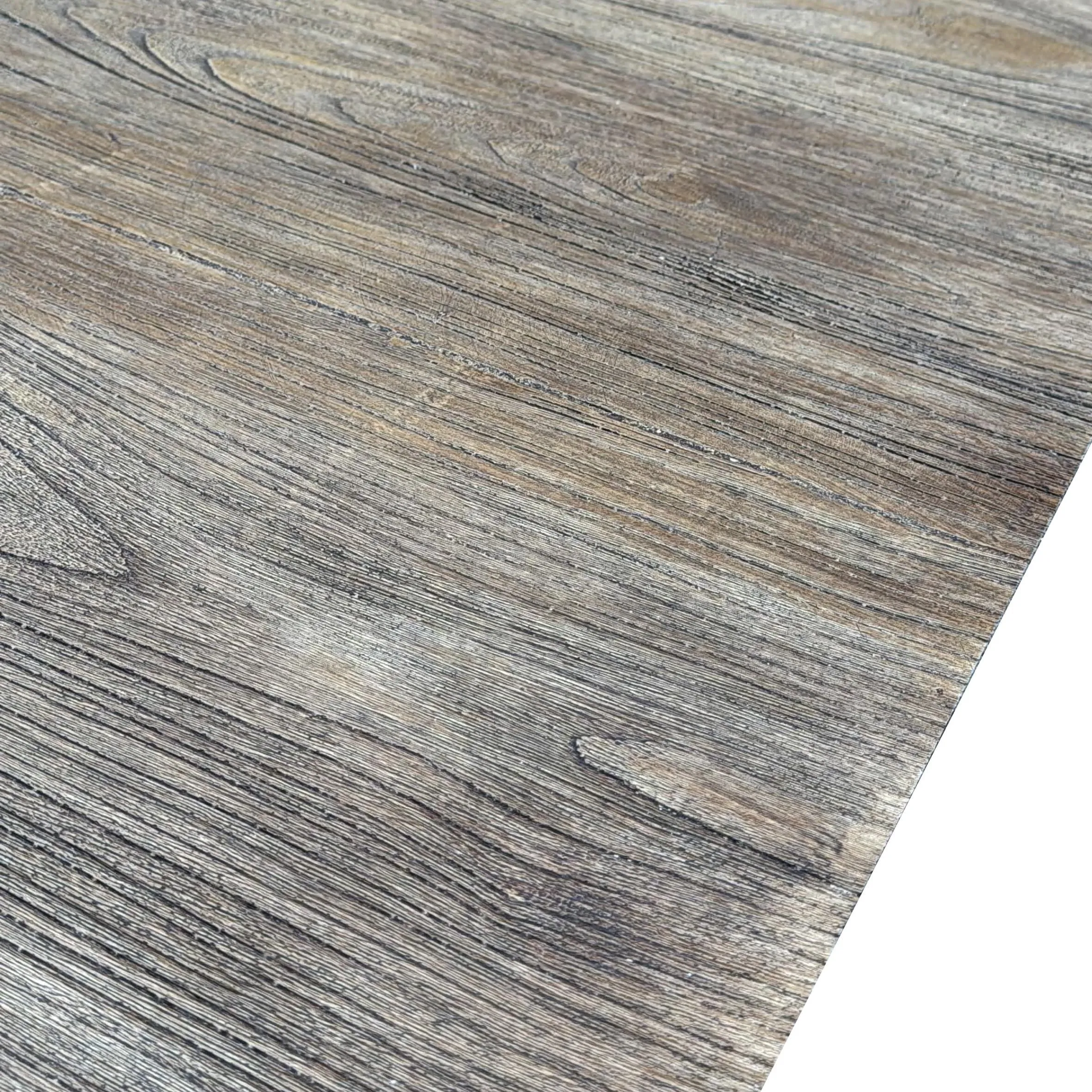
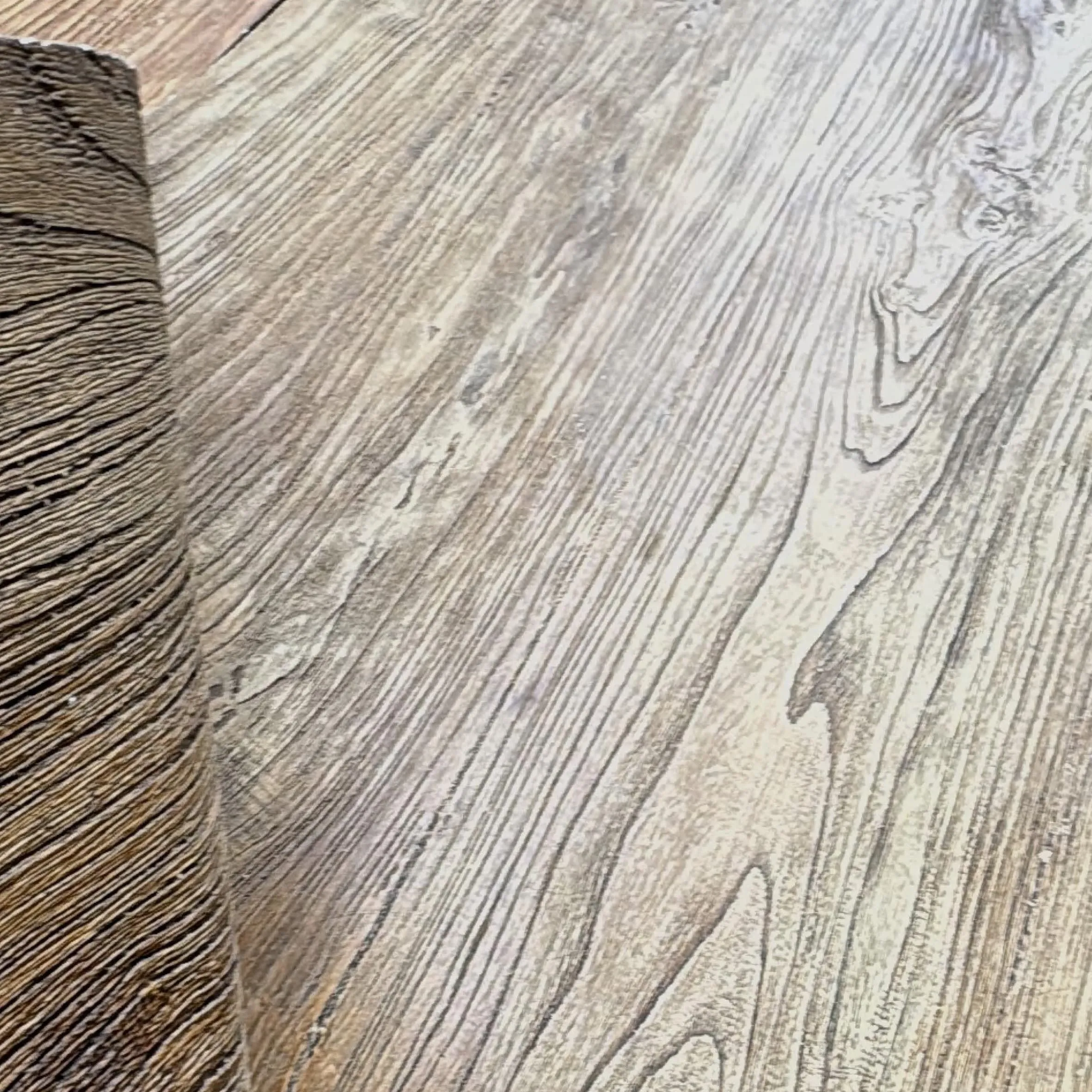
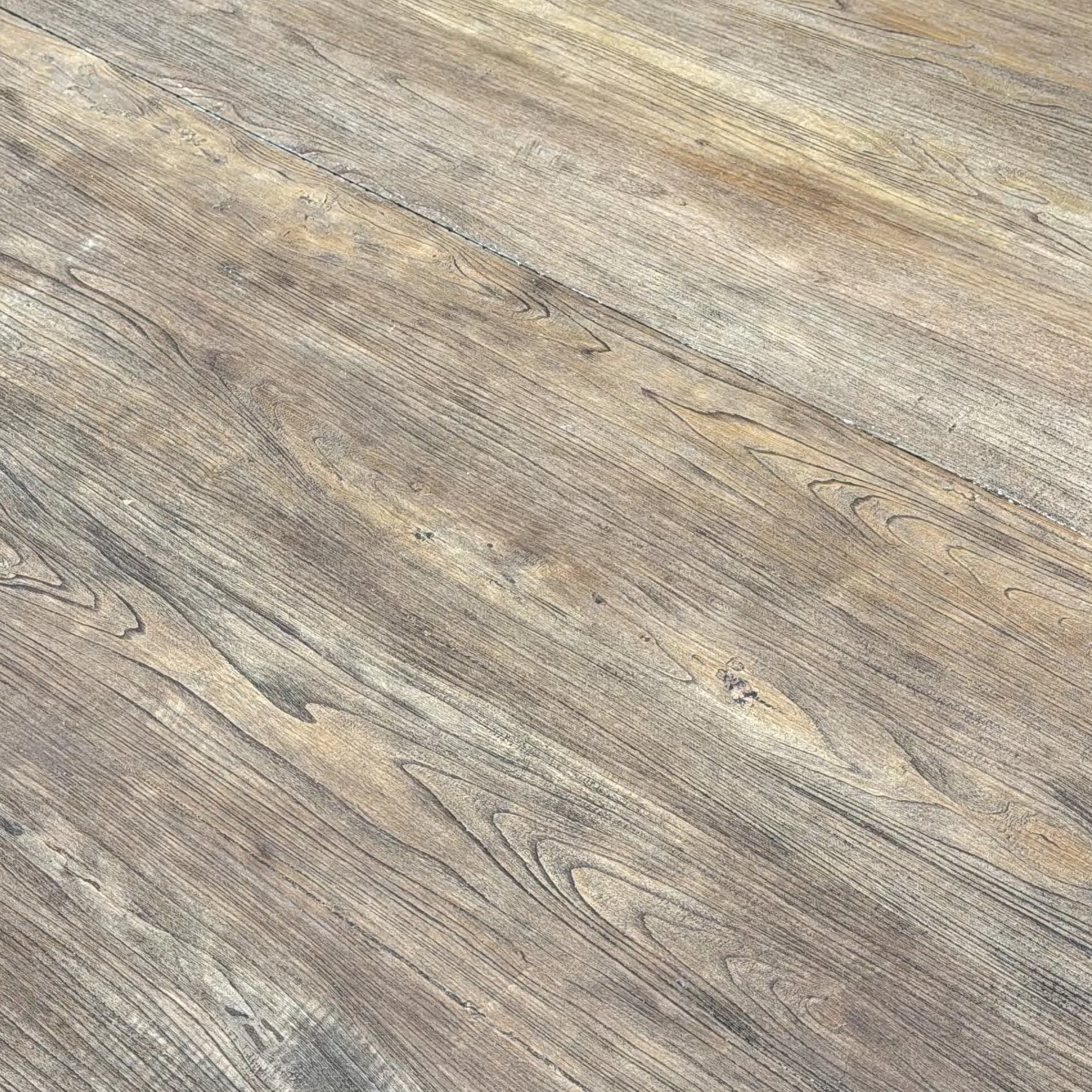
First things first: Let's demystify wood grain board. Unlike solid wood planks harvested from mature trees, wood grain board is an engineered material crafted to mimic the warm, organic look of natural wood—without the environmental toll. Typically made from a blend of recycled wood fibers, agricultural byproducts (like rice husks or bamboo), and low-VOC (volatile organic compound) adhesives, it's designed to balance aesthetics, durability, and sustainability. Think of it as wood's smarter, greener cousin—same timeless appeal, but with a much lighter footprint.
But why does this matter for green certifications? Because modern building standards don't just care about energy use or water efficiency—they dig deep into the materials that go into a structure. From where raw materials are sourced to how much waste is generated during manufacturing, every step counts. Wood grain board checks multiple boxes here, starting with its reliance on recycled or rapidly renewable resources. Unlike traditional hardwoods, which can take decades to regrow, the fibers in wood grain board often come from post-industrial waste or fast-growing plants, reducing pressure on old-growth forests.
Before we connect wood grain board to certifications, let's get clear on what these certifications prioritize. Take LEED (Leadership in Energy and Environmental Design), the most widely used green building rating system. LEED awards points across categories like Sustainable Sites, Water Efficiency, Energy and Atmosphere, Materials and Resources, Indoor Environmental Quality, and Innovation in Design. Materials play a starring role in the "Materials and Resources" section, where points are awarded for using recycled content, locally sourced materials, and products that reduce waste.
Similarly, BREEAM (Building Research Establishment Environmental Assessment Method) focuses on "Materials" as a core category, evaluating everything from embodied carbon (the emissions generated during production) to end-of-life recyclability. The WELL Building Standard, which centers on human health, zeroes in on Indoor Environmental Quality, rewarding materials that improve air quality and reduce exposure to toxins. All of these categories are where wood grain board shines—and we're about to see why.
One of the biggest wins for wood grain board is its resource efficiency. Traditional solid wood often results in significant waste during milling—up to 30% of a log might end up as sawdust or scraps. Wood grain board, by contrast, repurposes those scraps and waste fibers, turning what would be landfill-bound material into usable building products. This aligns perfectly with LEED's "Construction Waste Management" credit, which rewards diverting waste from landfills. For example, a project using wood grain board with 80% recycled content could earn points for reducing virgin material use—a key metric in both LEED and BREEAM.
Plus, many wood grain boards are made with FSC (Forest Stewardship Council)-certified wood fibers, ensuring that any virgin materials come from responsibly managed forests. This checks the box for "Sourcing of Raw Materials" credits, which prioritize ethical supply chains. When certifications see that a material is both recycled and responsibly sourced, it's a double win for points.
Here's where wood grain board truly stands out for human-centric certifications like WELL. Traditional pressed wood products (think particleboard or cheap plywood) often rely on urea-formaldehyde adhesives, which off-gas VOCs into the air. These VOCs can cause headaches, allergies, and long-term respiratory issues—exactly what WELL aims to eliminate. Wood grain board, however, is increasingly manufactured with low-VOC or formaldehyde-free adhesives, earning it the coveted "Low-Emitting Materials" credit in both LEED and WELL.
Imagine walking into a home or office where the walls, cabinets, and flooring don't off-gas harmful chemicals. That's the reality with wood grain board. It creates spaces that aren't just sustainable for the planet, but healthier for the people inside—a critical factor for WELL, which awards points for "Indoor Air Quality" and "Thermal Comfort."
You might not think of a wall panel or flooring material as an energy saver, but wood grain board has a hidden superpower: thermal insulation. Wood, by nature, is a poor conductor of heat, meaning it helps regulate indoor temperatures. When used in walls, ceilings, or flooring, wood grain board acts as a natural barrier, reducing the need for excessive heating or cooling. This directly impacts the "Energy and Atmosphere" category in LEED, which rewards buildings that lower energy consumption and greenhouse gas emissions.
Pair wood grain board with other high-insulation materials like flexible stone (another innovative, lightweight material from the MCM product line), and you've got a building envelope that's both durable and energy-efficient. Flexible stone, made from natural stone aggregates and a flexible backing, adds minimal weight while enhancing insulation—proving that sustainability and performance can go hand in hand.
Green certifications love materials that last. Why? Because durable materials mean fewer replacements, less waste, and lower lifecycle environmental impact. Wood grain board, when properly sealed and maintained, can stand up to scratches, moisture, and daily wear and tear better than many traditional woods. Unlike solid wood, which can warp or crack with humidity changes, engineered wood grain board is designed for stability—making it ideal for high-traffic areas like commercial lobbies or busy family homes.
This durability translates to points in certifications like BREEAM, which evaluates "Longevity" and "Maintenance Requirements." A building that uses long-lasting materials reduces its overall carbon footprint over time, as fewer resources are needed for repairs or replacements. It's a simple equation: longer life = less waste = more certification points.
Here's a fun fact: green certifications aren't just about "green" metrics—they also value human well-being, and nothing boosts well-being like a connection to nature. Biophilic design, which integrates natural elements into built environments, is a growing focus in standards like WELL and LEED. Wood grain board, with its realistic wood patterns and warm textures, brings the calming effect of nature indoors without requiring the harvesting of old-growth trees.
Studies show that natural materials like wood can reduce stress, improve focus, and even boost productivity. In a WELL-certified office, using wood grain board for wall panels or furniture could contribute to the "Mind" category, which rewards features that support mental health. It's a reminder that sustainability isn't just about the planet—it's about creating spaces where people thrive.
To really see the impact, let's compare wood grain board to two common alternatives: solid hardwood and standard particleboard. The table below breaks down key sustainability metrics, showing why wood grain board is a clear leader for certification points.
| Metric | Wood Grain Board | Solid Hardwood | Standard Particleboard |
|---|---|---|---|
| Recycled Content | 30-80% (varies by product) | 0% (virgin wood) | 10-20% (often low-quality waste) |
| VOC Emissions | Low to zero (formaldehyde-free options) | Low (natural), but finishes may emit VOCs | High (urea-formaldehyde adhesives) |
| Resource Renewability | High (uses recycled fibers/fast-growth plants) | Low (slow-growing trees, often non-FSC) | Medium (uses wood waste, but adhesives are non-renewable) |
| Durability | High (resistant to warping, scratches) | High (but prone to warping with moisture) | Low (prone to chipping, moisture damage) |
| Carbon Footprint (Manufacturing) | Medium-Low (recycled content reduces emissions) | High (logging, transportation, milling) | Medium (high energy for adhesives) |
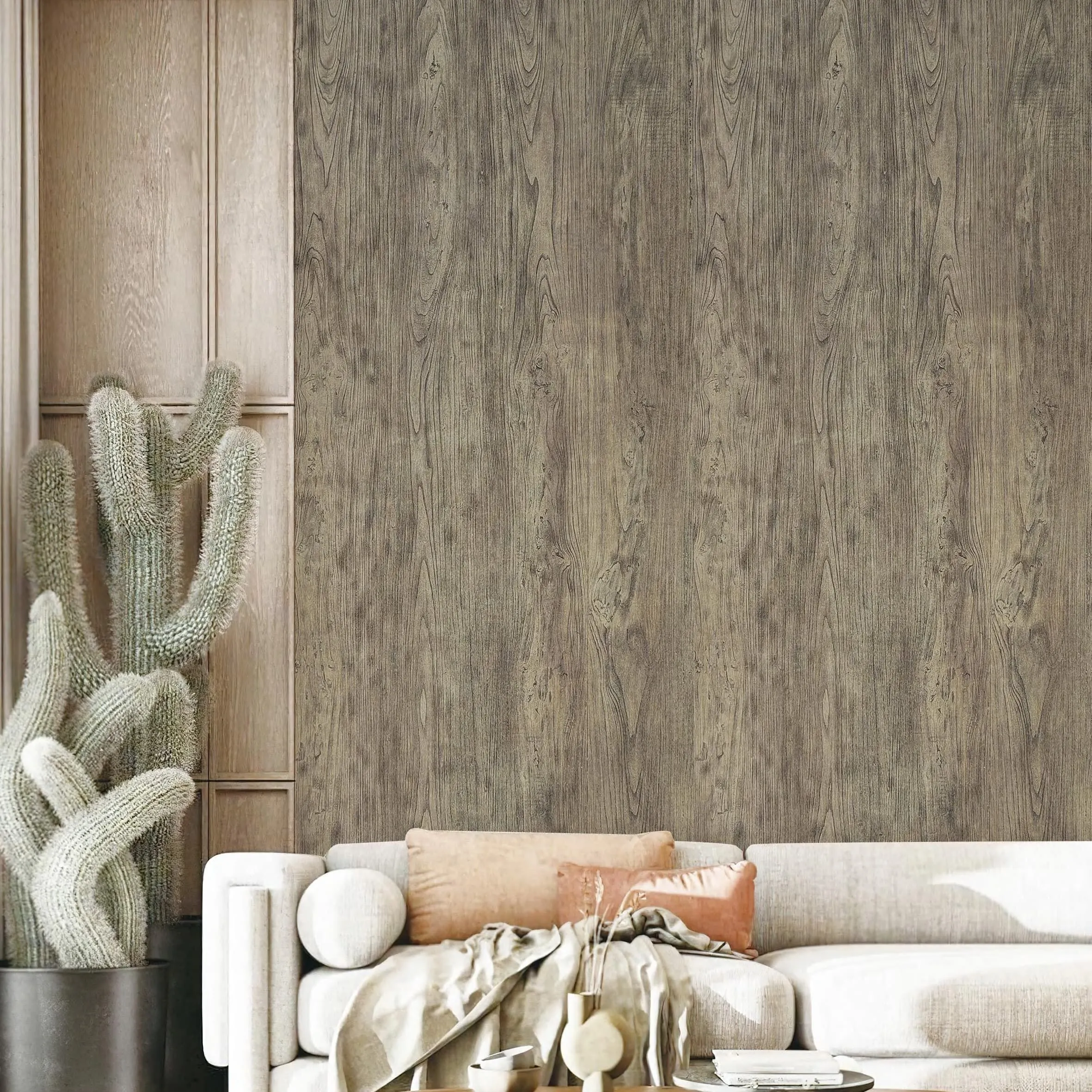
While wood grain board is a star player, it's even more powerful when paired with other sustainable materials. Take fair-faced concrete , for example. Unlike traditional concrete, which often requires energy-intensive finishes, fair-faced concrete is left in its natural state—raw, textured, and visually striking. It minimizes waste by eliminating the need for paint or cladding, and its thermal mass helps regulate indoor temperatures, complementing wood grain board's insulation properties. Together, they create a building that's both energy-efficient and aesthetically bold.
Then there's MCM flexible stone , a lightweight, durable alternative to natural stone. Made from crushed stone and a flexible polymer backing, it's easier to transport (reducing carbon emissions from shipping) and install than heavy stone slabs. Like wood grain board, it's designed for sustainability—using recycled stone waste and requiring minimal maintenance. In a LEED project, combining wood grain board with flexible stone could earn points for both "Recycled Content" and "Regional Materials" (if sourced locally), pushing the building closer to certification.
Let's look at a real-world example: the GreenSpire Office Tower in Portland, Oregon. Completed in 2023, GreenSpire aimed for LEED Platinum, the highest certification level. The design team chose wood grain board for 80% of interior wall panels and flooring, citing its low-VOC emissions and recycled content. They paired it with fair-faced concrete for exterior cladding and flexible stone for accent walls.
The results? GreenSpire earned 17 points in the "Materials and Resources" category alone—enough to push it over the Platinum threshold. The wood grain board contributed to credits for "Recycled Content," "Low-Emitting Materials," and "Biophilic Design," while the flexible stone added points for "Regional Materials" (sourced from a quarry 100 miles away). Employees reported higher satisfaction with indoor air quality, and energy bills were 23% lower than comparable buildings. It's proof that sustainable materials aren't just good for the planet—they're good for business, too.
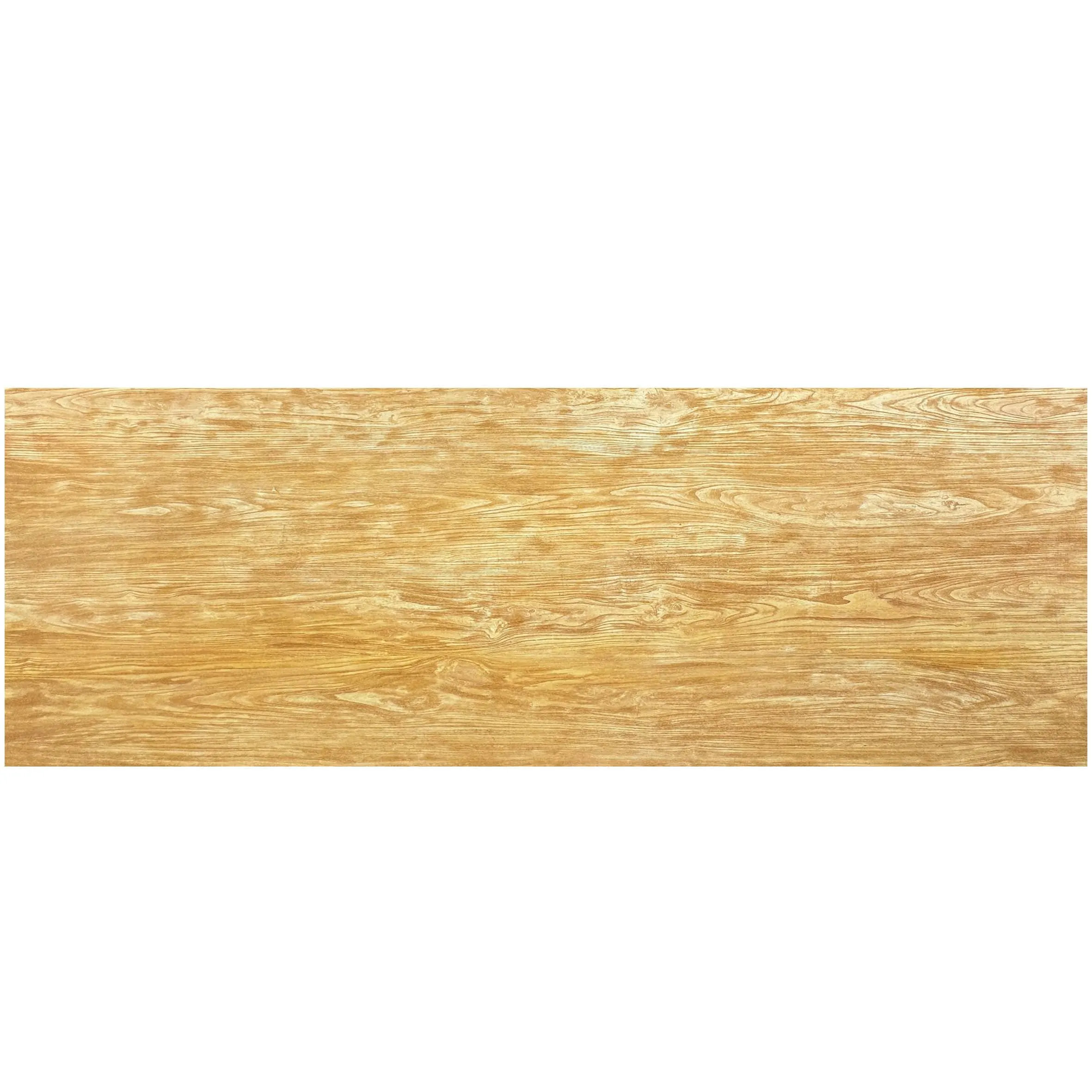
As green building certifications become the norm rather than the exception, materials like wood grain board will only grow in importance. Innovations are already making it even more sustainable: some manufacturers now use mushroom-based adhesives (yes, mushrooms!) instead of synthetic ones, further reducing environmental impact. Others are experimenting with carbon-negative production processes, where the manufacturing actually removes more CO2 from the air than it emits.
And it's not just about wood grain board. The rise of materials like foamed aluminium alloy board (vintage silver) (lightweight, recyclable metal panels) and historical pathfinders stone (reclaimed stone with minimal processing) shows that the building industry is embracing a "circular" mindset—designing materials to be reused, recycled, or composted at the end of their life.
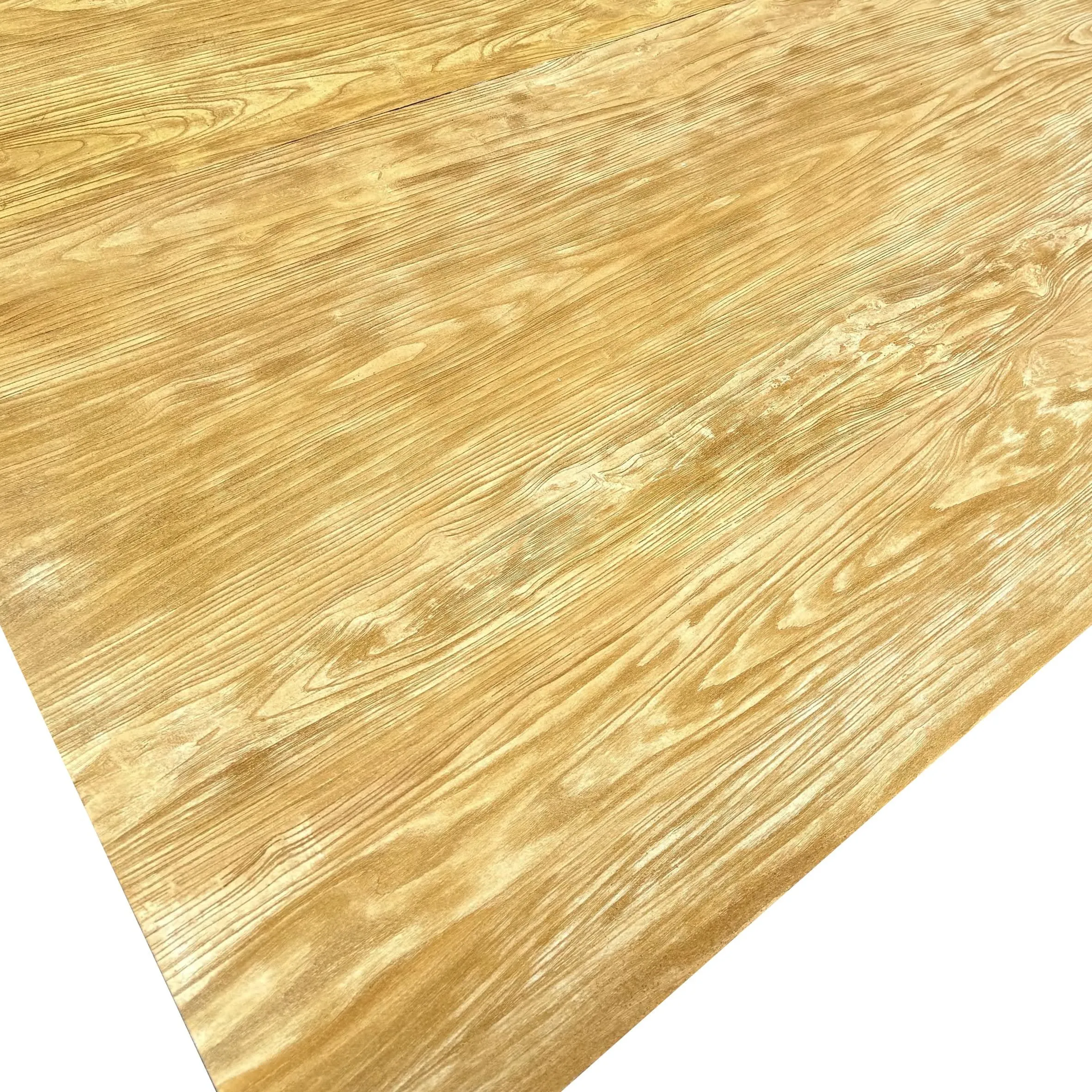
Green building certifications aren't just badges—they're roadmaps to a more sustainable world. And at the heart of that roadmap are materials like wood grain board: innovative, responsible, and designed with both people and the planet in mind. From reducing waste and emissions to improving indoor air quality and well-being, wood grain board proves that sustainability doesn't have to mean sacrificing beauty or performance.
So the next time you walk into a building—whether it's an office, a school, or a home—take a closer look at the materials around you. Chances are, if it's certified green, there's a good chance wood grain board, flexible stone, or fair-faced concrete is playing a role. And that's something to celebrate. Because every sustainable choice, no matter how small, is a step toward a greener, healthier future for us all.
Recommend Products












