
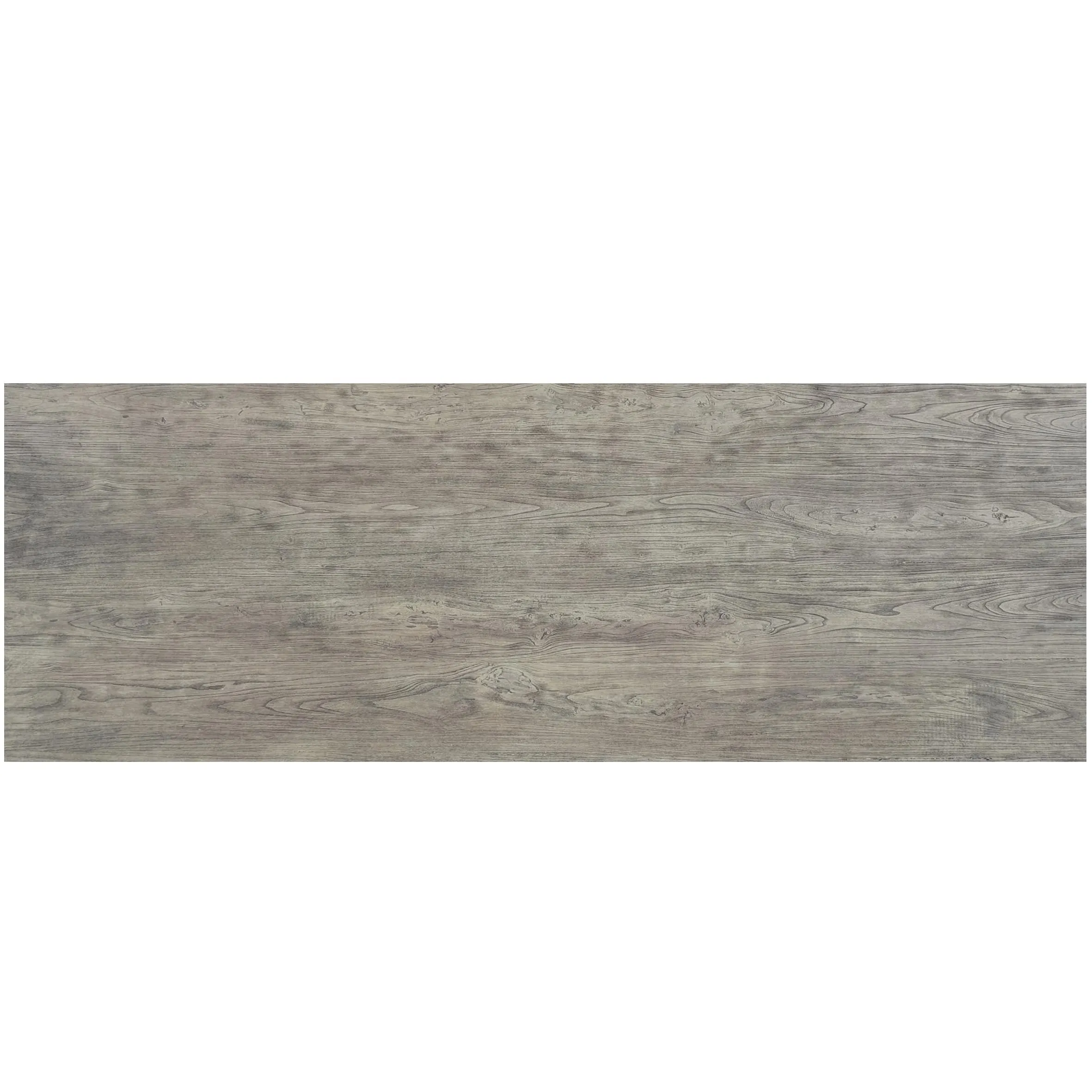
There's something almost magical about the first glance of a residential neighborhood. Maybe it's the way sunlight filters through tree branches onto a row of homes, or the subtle harmony of exterior textures that makes you think, "This feels like a place where people want to live." Curb appeal isn't just about pretty facades—it's about creating a sense of belonging, pride, and warmth that greets residents and visitors alike. In a world where first impressions stick, the materials we choose for our homes and communities matter more than ever. Today, we're diving into one material that's quietly revolutionizing residential exteriors: Wood Grain Board. More than just a surface, it's a bridge between timeless charm and modern resilience, and it's changing how we think about curb appeal.
If you've ever walked through an old wooden cabin and marveled at the way the grain tells a story—each knot and line a mark of nature's artistry—you understand the enduring appeal of wood. But wood, for all its beauty, has its flaws: it warps, rots, fades, and demands constant upkeep. Enter Wood Grain Board: a engineered material designed to capture the soul of natural wood without the hassle. Made from a blend of high-density fibers and resins, it mimics the look and texture of real wood grain—from the warm, honeyed tones of oak to the rich, deep streaks of walnut—while packing in durability that traditional wood can only dream of.
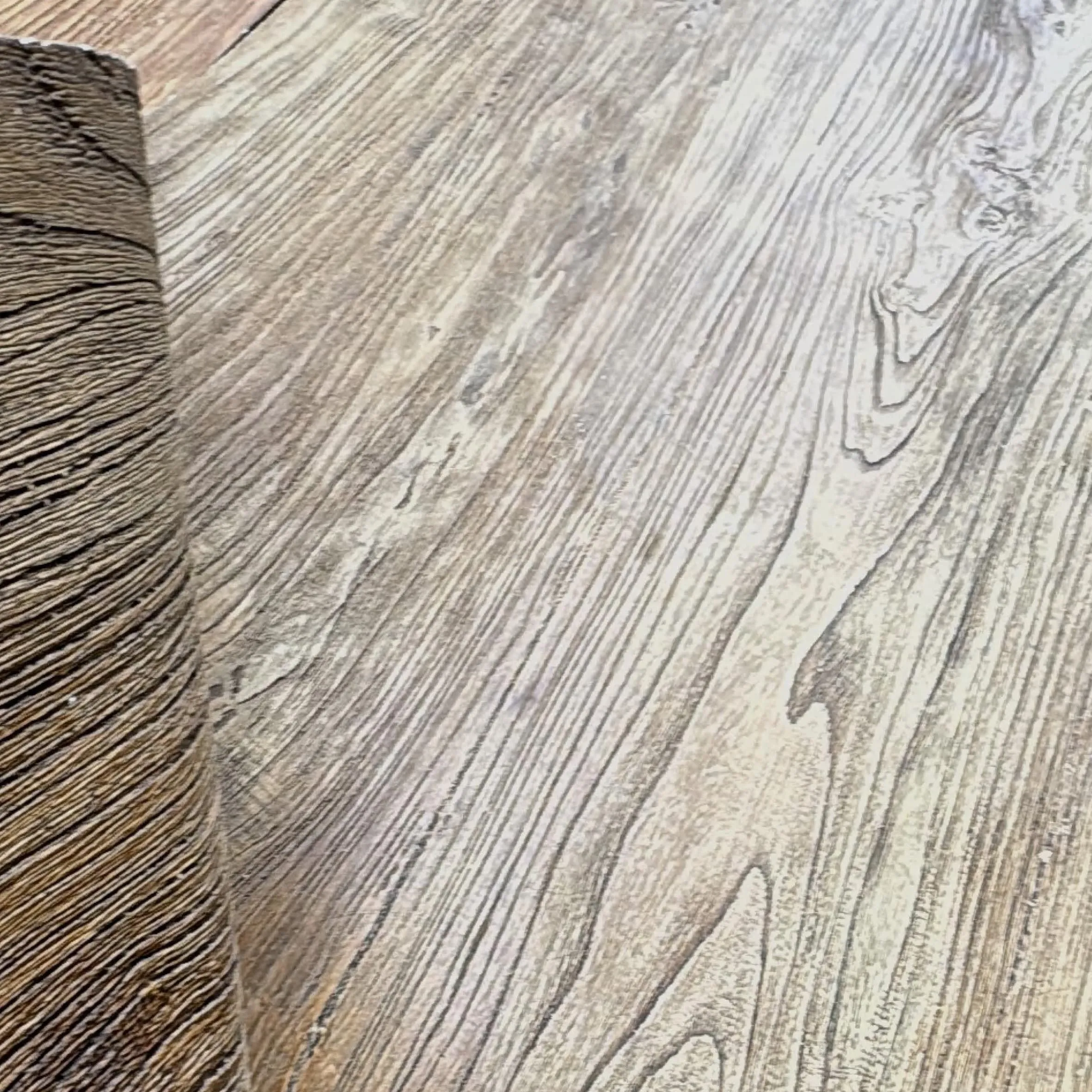
What sets Wood Grain Board apart is its versatility. Unlike one-note synthetic materials, it doesn't just "look like wood"—it feels like it, too. Run your hand over its surface, and you'll notice the subtle ridges and valleys that make natural wood so tactile. But beneath that organic texture lies a core built for the elements: resistance to moisture, UV rays, and temperature swings. It's the kind of material that looks just as good on a sleek, modern townhome as it does on a cozy, cottage-style house, making it a favorite among architects and developers aiming to balance aesthetics with practicality.
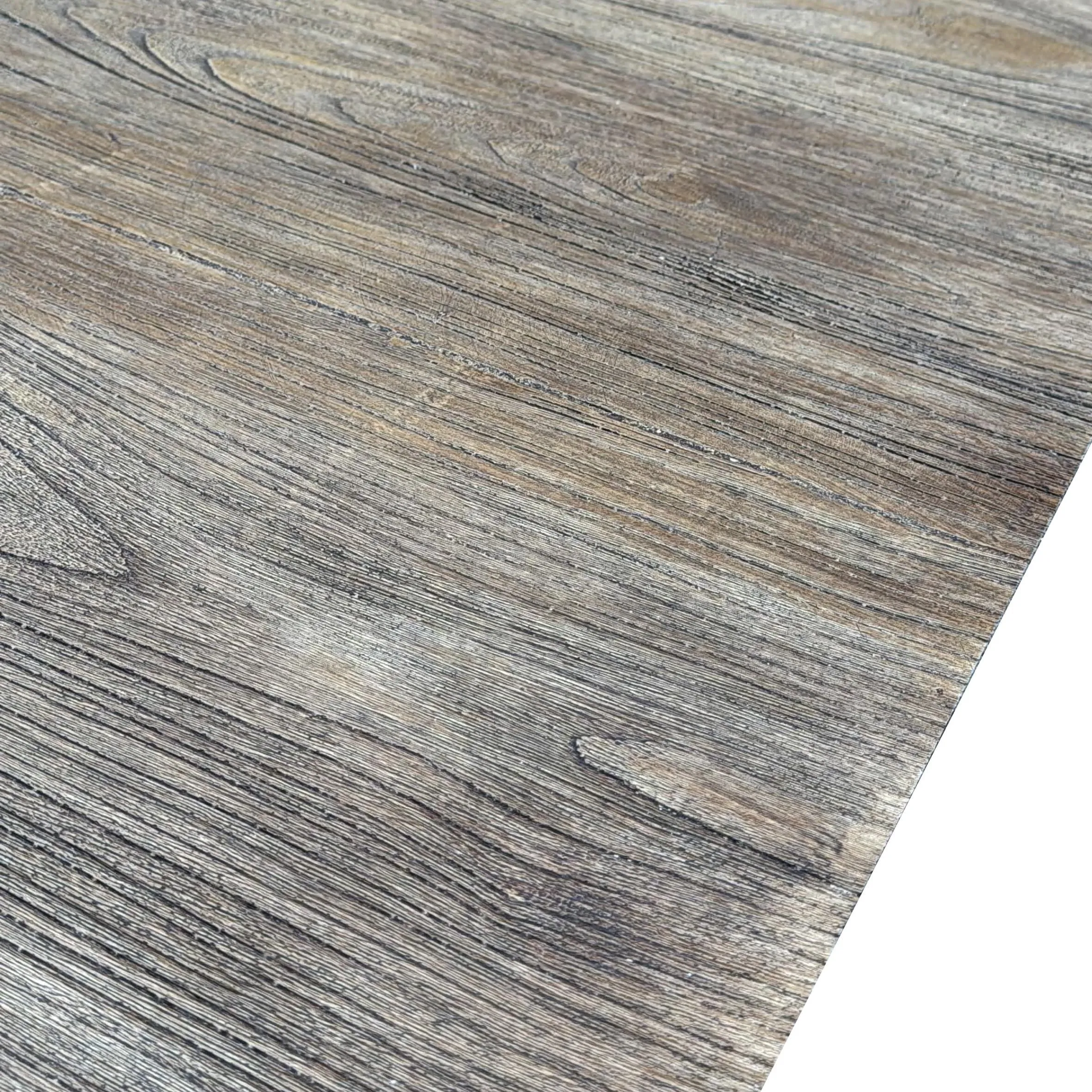
Curb appeal thrives on personality, and Wood Grain Board is a master of adaptation. Whether a development calls for the weathered, cabin-like vibe of a mountain retreat or the clean, linear elegance of urban living, this material delivers. Want to evoke the warmth of a countryside home? Opt for a rich, chestnut finish with pronounced grain patterns. Building a minimalist complex? A light, ash-colored board with subtle, uniform lines blends seamlessly with glass and steel. Even better, it pairs beautifully with other materials—think Wood Grain Board accents alongside fair-faced concrete walls or MCM Flexible Stone panels for a layered, textured look that feels intentional and refined.
Developers often struggle with creating cohesion in large neighborhoods—too much uniformity feels sterile, too much variety can look chaotic. Wood Grain Board solves this by offering a common thread that ties different architectural styles together. A row of homes might feature varying rooflines and window designs, but the consistent use of Wood Grain Board siding or trim creates a visual rhythm that says, "We belong together." It's the difference between a collection of houses and a true community.
Curb appeal isn't just about day-one beauty—it's about looking good year after year. A home that fades, cracks, or peels within a few seasons doesn't just lose its luster; it sends a message that the space isn't cared for. Wood Grain Board is built to age gracefully, not gracelessly. Unlike natural wood, it won't split in freezing temperatures or warp in humid summers. UV-resistant coatings prevent fading, so that warm cedar hue you fell in love with stays vibrant, even after years of sun exposure. And because it's moisture-resistant, it stands up to rain, snow, and even the occasional sprinkler mishap without rotting or attracting pests.
Imagine a coastal development where salt air and heavy rains are part of daily life. Traditional wood siding would require annual staining and sealing to fight off decay, but Wood Grain Board? It keeps its color and shape, season after season. For homeowners, that means less time worrying about maintenance and more time enjoying their homes. For developers, it's a selling point: "This exterior won't just look great on move-in day—it'll look great in 10 years." That kind of promise builds trust, and trust translates to curb appeal that endures.
Let's be honest: no one wants to spend their weekends power-washing, sanding, or repainting their home's exterior. Wood Grain Board understands that life is busy, and it's designed to be low-maintenance by nature. A quick hose-down with water is usually all it takes to remove dirt and grime. Unlike wood, it doesn't need to be stained, sealed, or painted every few years. Even in high-traffic areas—like the siding near a kids' play area or a pet door—it resists scratches and dents, maintaining its smooth, inviting appearance.
For property managers and HOAs, this is a game-changer. Instead of budgeting for costly exterior renovations every 5–7 years, they can invest in a material that stays fresh with minimal effort. The result? Neighborhoods that look cared for, even as the years pass. When homes don't show signs of neglect—no peeling paint, no rotting wood—they feel more welcoming. It's a small detail, but it adds up: a street where every house looks well-loved is a street where people want to stay.
Today's homebuyers and renters care about sustainability—not just as a buzzword, but as a reflection of their values. Wood Grain Board aligns with this mindset by offering an eco-friendly alternative to traditional wood. Unlike solid wood siding, which often requires cutting down mature trees, Wood Grain Board is made from recycled or sustainably sourced fibers, reducing its environmental footprint. Many manufacturers also use low-VOC resins and coatings, ensuring that the material doesn't off-gas harmful chemicals into the air.
What's more, its longevity plays a role in sustainability, too. A material that lasts 30 years instead of 10 means fewer replacements, less waste, and lower energy consumption over time. For developers aiming to earn green certifications or market their projects as eco-conscious, Wood Grain Board is more than a design choice—it's a statement. It says, "We care about the planet, and we care about the people who live here." That kind of intentionality doesn't just boost curb appeal; it builds a reputation for responsibility.
| Material | Aesthetics | Durability | Maintenance | Sustainability | Best For |
|---|---|---|---|---|---|
| Wood Grain Board | Mimics natural wood grain; versatile finishes (rustic to modern) | Resistant to moisture, UV rays, and warping; 30+ year lifespan | Low: Occasional hose-down; no staining/sealing needed | Made from recycled fibers; low-VOC options; long lifespan reduces waste | Blending traditional warmth with modern resilience; diverse architectural styles |
| Traditional Wood Siding | Authentic wood grain; classic charm | Prone to rot, warping, and insect damage; 10–15 year lifespan (with upkeep) | High: Annual staining/sealing; regular repairs for rot/dents | Requires harvesting trees; frequent replacements increase waste | Historic restorations; projects prioritizing "real wood" at all costs |
| Fair-faced Concrete | Industrial, minimalist look; neutral gray tones | Durable but prone to cracking; stains difficult to remove | Moderate: Sealing needed every 2–3 years; stains may be permanent | High carbon footprint from cement production; long lifespan but heavy | Ultra-modern, industrial-style developments |
| MCM Flexible Stone | Natural stone texture; sleek, contemporary appearance | Lightweight but durable; resistant to impact and weather | Low: Occasional cleaning; no sealing required | Made from recycled stone aggregates; energy-efficient production | High-end, modern exteriors; accent walls and feature panels |
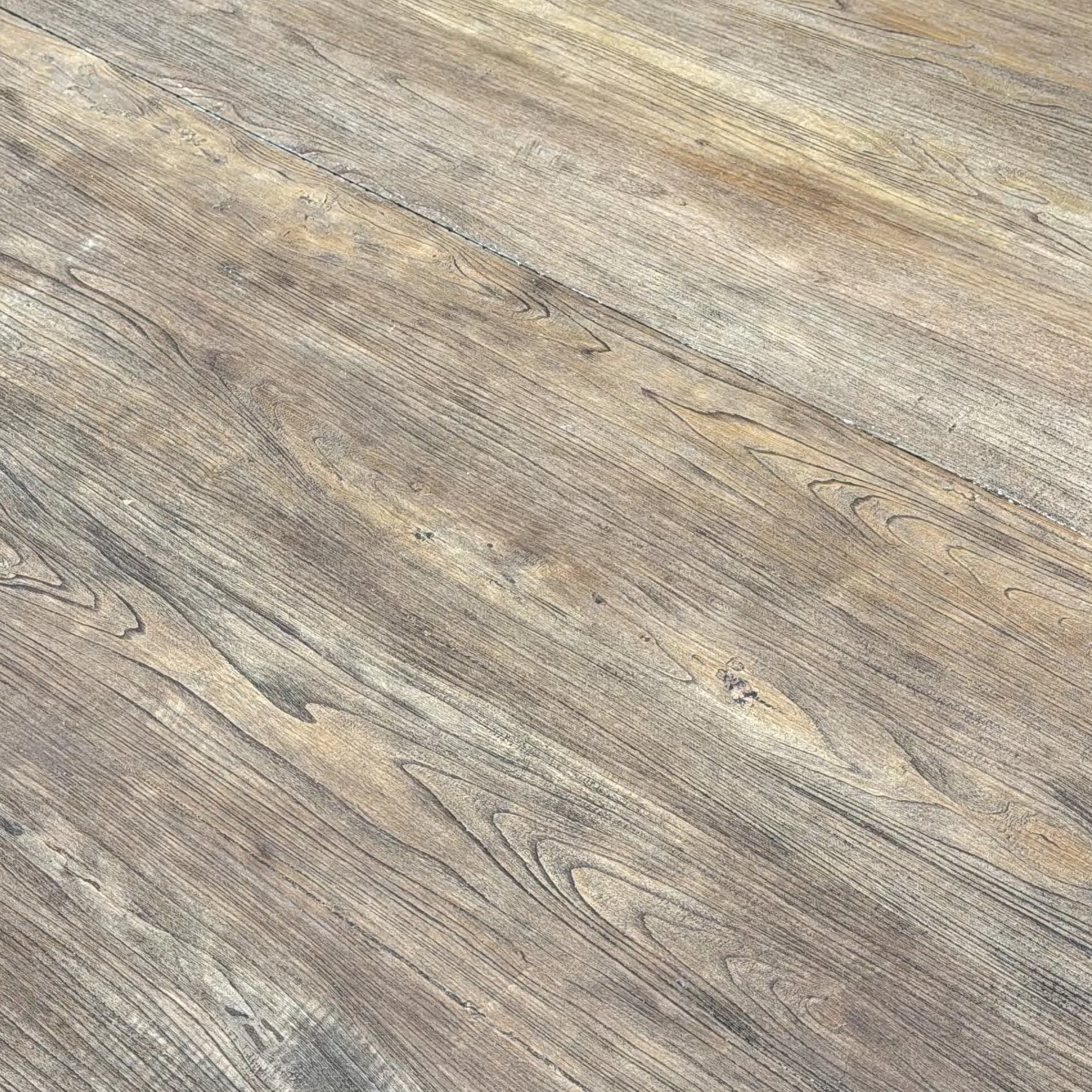
In a 1980s suburban neighborhood outside Portland, Oregon, the homes were showing their age. Peeling vinyl siding, faded paint, and rotting wood trim had turned what was once a vibrant community into a street that felt tired. The HOA faced a dilemma: replace the siding with cheap, generic options and lose character, or invest in something that would bring back charm without breaking the bank. They chose Wood Grain Board.
The transformation was striking. Homes that had blended into the background now stood out with warm, chestnut-colored siding that complemented the neighborhood's mature trees. The uniform use of Wood Grain Board created cohesion, while subtle variations in finish (light oak for some, dark walnut for others) added personality. Within a year, home values increased by 12%, and residents reported feeling prouder of their street. "It's like coming home to a new neighborhood," one homeowner said. "I actually stop to admire the houses now—including my own."
A developer in Austin, Texas, wanted to build a luxury townhome complex that felt both modern and inviting. They aimed for a "urban oasis" vibe—sleek lines, green spaces, and exteriors that didn't feel cold or sterile. After considering materials like metal panels and fair-faced concrete, they settled on Wood Grain Board as a key accent.
The townhomes feature floor-to-ceiling windows paired with vertical Wood Grain Board siding in a light, ash finish. The contrast between the cool glass and warm wood creates a balanced, welcoming look. Even better, the material holds up to Austin's hot, sunny summers and occasional storms, maintaining its color and texture. Early feedback from buyers has been glowing: "I love that it feels modern but not harsh," said one new resident. "The wood grain makes it feel like a home, not just a building."
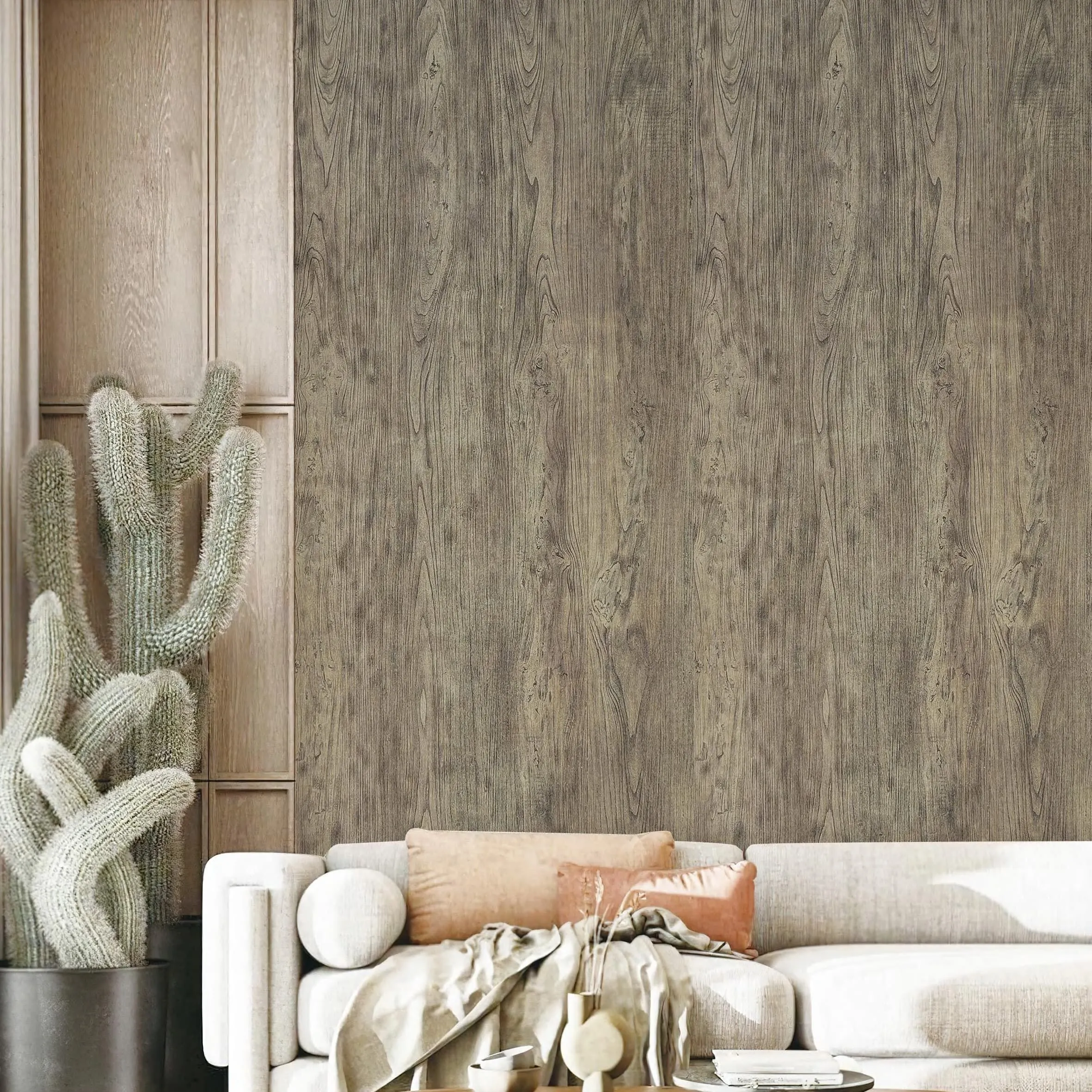
Curb appeal isn't just about aesthetics—it's about emotion. A neighborhood that looks warm and cared for makes people feel safe, happy, and connected. Wood Grain Board contributes to this emotional layer by evoking the comfort of natural wood. There's a reason we associate wood with coziness: it's a material that feels human, not industrial. In a world where so much of our built environment is made of concrete and steel, Wood Grain Board offers a softness that resonates on a deeper level.
Think about it: when you walk past a home with Wood Grain Board siding, you don't just see a house—you imagine weekends on the porch, kids playing in the yard, laughter drifting through open windows. It's a material that tells a story of home, and stories are what make places memorable. Developers who choose Wood Grain Board aren't just building exteriors; they're creating backdrops for life's moments. That's the true power of curb appeal: it's not about impressing passersby—it's about creating spaces where people feel like they belong.
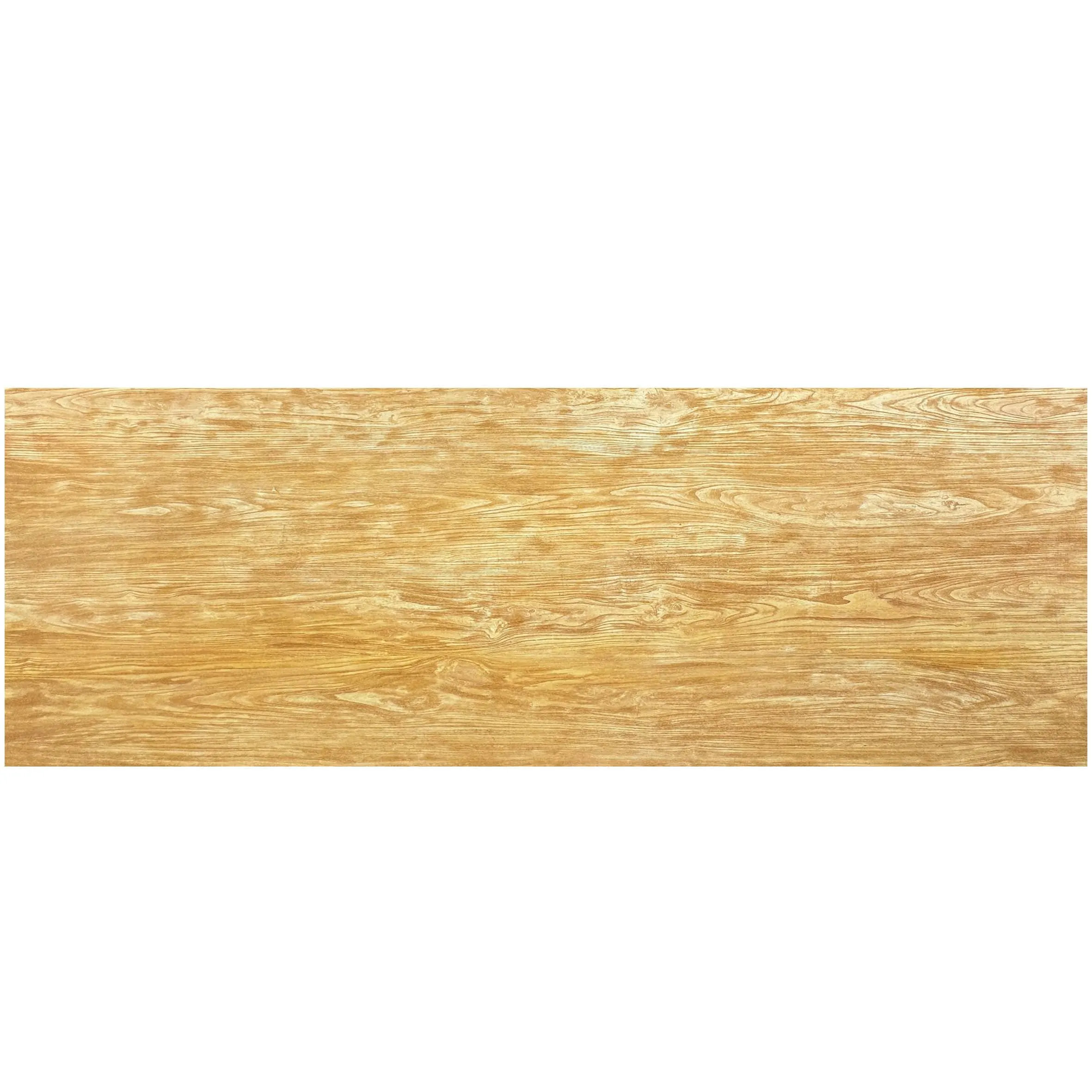
In the end, curb appeal is about more than making houses look pretty. It's about building communities that people are proud to call home—neighborhoods that feel welcoming, timeless, and full of life. Wood Grain Board emerges as a standout choice in this mission, offering the best of both worlds: the beauty of natural wood and the resilience of modern engineering. Its versatility, durability, low maintenance, and sustainability make it more than a material; it's an investment in the future of residential design.
Whether you're a developer aiming to attract buyers, an HOA looking to revitalize a neighborhood, or a homeowner wanting to fall in love with your home all over again, Wood Grain Board delivers. It's a reminder that great design doesn't have to sacrifice function for beauty—or vice versa. In a world where first impressions matter, it's the kind of choice that leaves a lasting one: warm, inviting, and undeniably human.
Recommend Products












