
Walk down any city street, and your eyes are drawn first to color. A sunlit facade in soft beige, a bold accent wall in deep blue, a historic building glowing with warm terracotta—these hues don't just decorate our built environment; they tell stories, set moods, and create memories. But what happens when that vibrant blue fades to a dull gray after a few years? When the rich terracotta turns patchy and pale? For architects, designers, and property owners, fading color isn't just a cosmetic issue—it's a loss of identity, a waste of investment, and a silent erosion of the building's soul. That's where huge travertine and MCM technology step in, redefining what it means for a material to hold onto its color, year after year.
Color fastness sounds like a technical term, but it's actually pretty simple: it's a material's ability to keep its original color, even when bombarded by the elements. Think of it as a material's "sunblock" and "raincoat" for its hue. For building materials—especially those used outdoors—this isn't just a nice-to-have. It's make-or-break.
Imagine investing in a hotel with a travertine (starry green) facade, dreaming of how its celestial shimmer will attract guests for decades. But after three summers of harsh sunlight and winter rain, that "starry green" starts to look more like "faded sage." Suddenly, the building feels outdated, cheaper, even a little sad. Visitors notice. Tenants comment. And replacing or repainting that facade? Not only expensive, but disruptive. Color fastness isn't just about beauty—it's about protecting your project's legacy and value.
Color fading doesn't happen overnight. It's a slow battle against some tough opponents:
UV Rays: The sun's ultraviolet light is color's worst enemy. Over time, it breaks down the chemical bonds in pigments, turning bright reds to pinks, deep blues to grays, and vibrant greens to… well, nothing special.
Moisture: Rain, humidity, and even dew seep into porous materials like natural stone, carrying dirt and minerals that stain or discolor the surface. Think of how a wet t-shirt changes color—now imagine that effect, but permanent.
Pollution & Chemicals: City air isn't just full of oxygen; it's full of exhaust fumes, industrial gases, and even salt (in coastal areas). These chemicals react with pigments, causing discoloration or "bleaching."
Temperature Swings: Hot days and cold nights make materials expand and contract. Over time, this stress can crack protective layers, exposing pigments to even more damage.
Traditional travertine, for example, is beautiful but porous. Its natural pores soak up moisture, and its surface pigments are often just skin-deep. After a few years of weathering, even the most stunning natural stone can lose its luster. That's where MCM flexible stone changes the game.
MCM—Modified Composite Material—isn't your average building material. It's a blend of natural minerals, polymers, and advanced additives, engineered to be lightweight, flexible, and yes, incredibly colorfast. Unlike traditional stone or concrete, which often have pigments mixed into the surface layer, MCM locks color throughout the material. It's like dying a shirt from the inside out, instead of just painting the surface.
MCM flexible stone is also non-porous (or at least, far less porous than natural stone), thanks to its composite structure. That means moisture, dirt, and chemicals have a much harder time seeping in and ruining the color. And because it's flexible, it bends with temperature changes instead of cracking, keeping its protective layers intact.
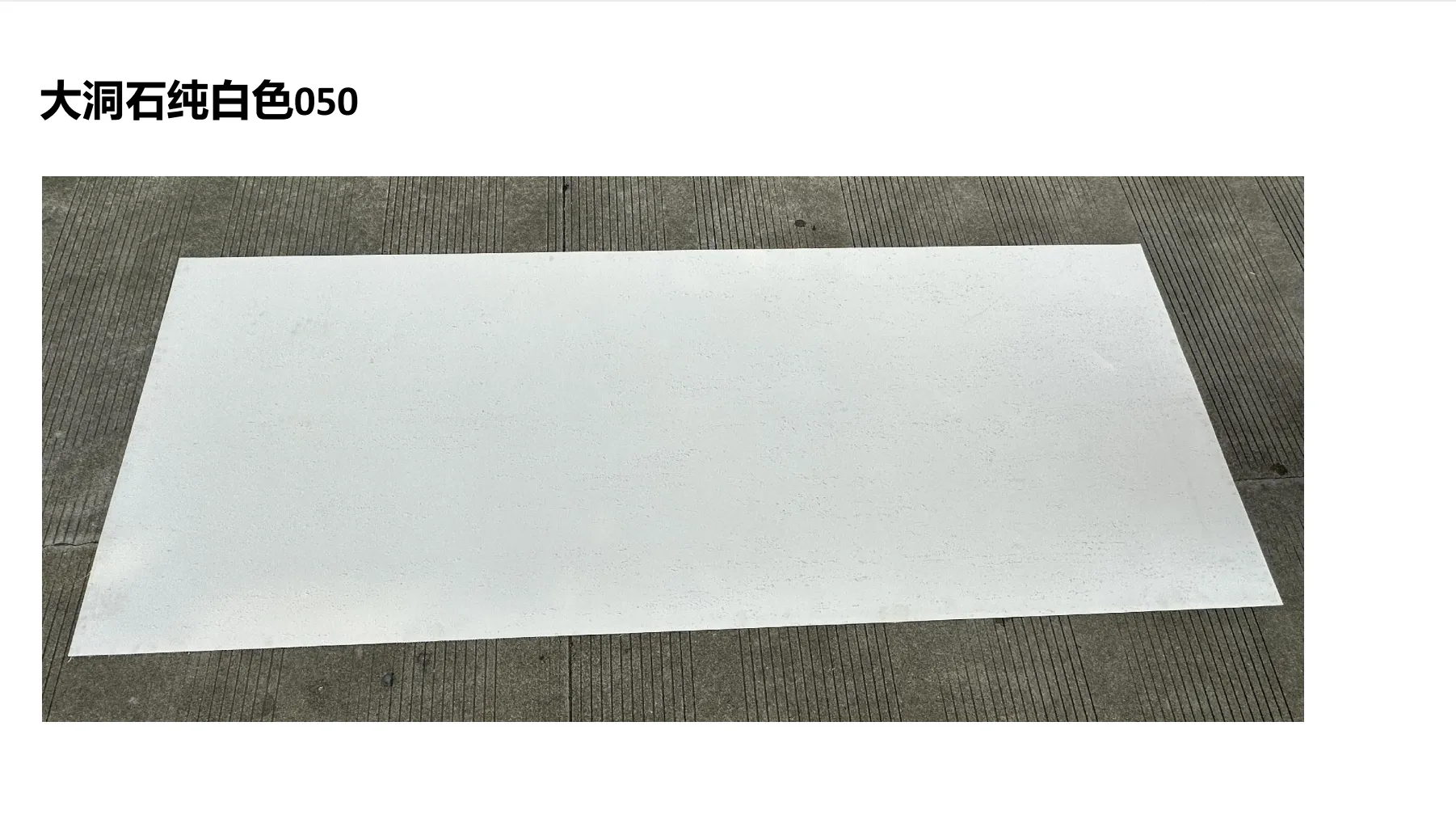
Now, let's zoom in on the hero here: huge travertine . Part of MCM's lineup, this material takes everything great about MCM and amplifies it—especially when it comes to color fastness.
First, the "huge" part: these slabs are larger than traditional stone slabs, meaning fewer seams and a more seamless look. But the real magic is in how the color is embedded. During manufacturing, pigments are mixed directly into the MCM composite, not just applied to the surface. That means even if the top layer gets scratched (which is rare, thanks to MCM's durability), the color underneath is the same. No "fade lines," no patchiness—just consistent, vibrant color, top to bottom.
Take travertine (starry blue) , a popular variant of huge travertine. Its deep blue base is dotted with tiny, iridescent flecks that mimic a night sky. With traditional stone, those flecks might wear off or fade. But with MCM huge travertine, they're locked into the composite. Even after 15 years of sun, rain, and snow, that "starry blue" still looks like it was installed yesterday.
Huge travertine isn't the only MCM star when it comes to color fastness. Take the lunar peak silvery series, for example. Its cool, metallic sheen is achieved with specialized pigments that resist oxidation (tarnishing) and UV damage. Unlike real metal panels, which can rust or fade, lunar peak silvery stays bright and reflective, even in coastal areas where salt air would corrode traditional metals.
What's the trick? MCM's manufacturing process includes adding UV inhibitors and stabilizers to the composite mix. These tiny "bodyguards" protect the pigments from the sun's harmful rays, preventing breakdown. It's like adding a layer of armor to the color itself.
Talk is cheap. So how do we know MCM huge travertine and its variants actually hold up? The answer lies in rigorous testing—tests that simulate decades of weathering in just a few months.
One common test is the "QUV test," where samples are exposed to intense UV light and cycles of moisture, mimicking years of sun and rain. Traditional travertine might start fading after 500 hours of this test. MCM huge travertine? It often shows no significant color change even after 2,000 hours—equivalent to over 20 years of outdoor exposure in most climates.
Another test is the "salt spray test," designed for coastal areas. Samples are sprayed with saltwater for weeks on end. While natural stone might absorb the salt and develop white, crusty stains, MCM huge travertine repels the moisture, keeping its color crisp and clean.
| Material | Estimated Color Retention (Outdoor Use) | UV Resistance | Moisture Resistance | Maintenance Needs |
|---|---|---|---|---|
| Natural Travertine | 3-5 years | Low (fades quickly) | Low (porous, stains easily) | Regular sealing, cleaning |
| MCM Huge Travertine | 15-20+ years | High (UV inhibitors added) | High (non-porous composite) | Minimal (occasional washing) |
| Traditional Metal Panels | 5-8 years | Moderate (prone to oxidation) | Moderate (rusts in salt air) | Repainting every 5-7 years |
| MCM Lunar Peak Silvery | 20+ years | Very High (anti-oxidation additives) | Very High (sealed composite) | Almost none (hose down occasionally) |
Numbers and tests are great, but nothing beats real-world proof. Take the Azure Hotel in Miami, built in 2010 with a travertine (starry blue) MCM facade. Miami's sun is brutal—hot, intense, and year-round. Add in coastal humidity and salt air, and you've got a perfect storm for color fading. But walk by the Azure today, and that "starry blue" still pops. Guests still take photos of the facade, and the hotel's marketing team hasn't had to update its exterior photos in over a decade. "We chose MCM because we wanted a color that would last as long as the building," says the hotel's architect. "It was the best decision we made."
Or consider the Mountain View Community Center in Colorado, which features lunar peak silvery panels. Colorado's high altitude means more UV exposure, and winter brings snow, ice, and temperature swings from -20°F to 80°F. Yet after 12 years, the silvery panels still shine, reflecting the mountains and sky just as they did on opening day. "We were worried about fading, especially with the sun up here," says the center's facilities manager. "But these panels? They've been bulletproof."
At the end of the day, color fastness is about more than aesthetics. It's about sustainability. Think about it: if a facade fades, you either live with it (and lose value) or replace it (which means more materials, more energy, more waste). MCM huge travertine and its variants reduce that cycle. They last longer, need less maintenance, and keep buildings beautiful without constant replacement. That's good for the planet, good for your budget, and good for the people who interact with your space every day.
It's also about storytelling. A building's color isn't just paint or stone—it's part of its identity. The travertine (starry green) of a botanical garden, the travertine (starry blue) of a coastal museum, the lunar peak silvery of a modern tech campus—these colors tell visitors who you are and what you value. Faded color? It muddles that story. Vibrant, lasting color? It shouts it, loud and clear, for decades.
When you choose building materials, you're not just choosing a look—you're choosing a future. Will your project's color still turn heads in 5 years? 10 years? 20? With MCM huge travertine, MCM flexible stone , and variants like travertine (starry green) , travertine (starry blue) , and lunar peak silvery , the answer is a resounding yes.
These materials don't just resist fading—they redefine what it means for color to endure. They turn "what if it fades?" into "when will it still look amazing?" And in a world where first impressions matter, and legacy lasts longer than trends, that's not just a feature. It's a promise.
So the next time you're planning a project, ask yourself: Do I want a color that fades, or a color that lasts? With MCM, the choice is clear.
Recommend Products












