
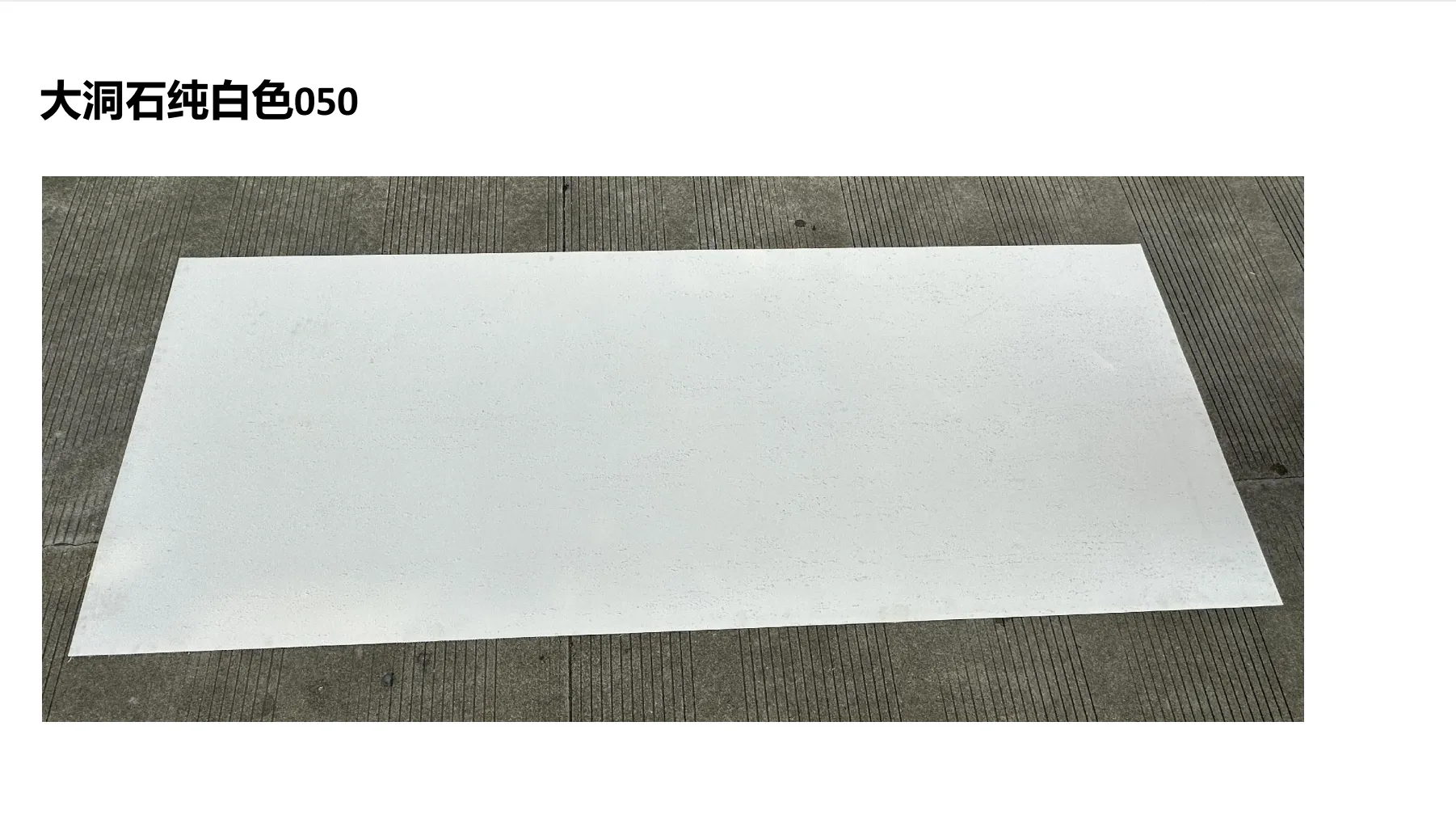
Ever walked past a commercial building and found yourself pausing, drawn in by its facade? That's the power of a well-chosen exterior material—it doesn't just cover walls; it tells a story. Whether it's a sleek corporate headquarters, a bustling retail mall, or a trendy hotel, the facade is the first impression, the "face" that greets visitors, employees, and passersby. So when it comes to selecting the right material for such a critical role, the stakes are high. Two heavyweights often enter the ring: the time-tested granite and the innovative MCM flexible stone —specifically, the eye-catching Huge Travertine MCM series. Let's break down what makes each unique, and help you decide which one deserves a spot on your next project.
First, let's get clear on the players. Granite is the classic—you've seen it on government buildings, luxury hotels, and historic landmarks. It's a natural stone, quarried from the earth, with a reputation for strength and timeless beauty. Then there's MCM, or Modified Composite Material—a modern innovation that blends natural minerals (like stone powder) with high-performance polymers. The result? Lightweight, flexible panels that mimic the look of natural stone but come with a host of modern perks. And within the MCM family, Huge Travertine MCM stands out, designed to replicate the organic, porous texture of travertine but with added durability and design versatility.
But why pit these two against each other? Because both excel in different areas. Granite brings heritage and heft; MCM brings flexibility and forward-thinking design. Let's dive into the details.
Let's start with the fun stuff: how they look. After all, a facade's job is to be seen—and remembered.
Granite is the definition of "timeless elegance." Its natural veining, speckled patterns, and rich color palette (think deep blacks, warm beiges, and striking reds) exude luxury. It's the material of choice when a building wants to say, "We've arrived, and we're here to stay." But here's the catch: granite's beauty is rooted in its naturalness, which means variations are inevitable. One slab might have more veining than the next, which can be charming for some projects but a headache for others seeking uniformity.
Now, enter Huge Travertine MCM. This isn't just a "copy" of natural travertine—it's a reimagining . Thanks to advanced manufacturing, MCM panels offer consistency that natural stone can't match, while still capturing that organic, lived-in texture travertine is loved for. And the design options? They're endless. Want a pop of color? There's Travertine (starry green) , with tiny, shimmering flecks that mimic a starry night sky—perfect for adding a touch of whimsy to a modern facade. Prefer something bold and industrial? Rust mosaic stone panels, with their patchwork of warm, oxidized tones, bring an edgy, artisanal vibe. And if you're after understated sophistication, the Lunar Peak series (silvery, golden, or black) offers a sleek, metallic finish that catches the light beautifully at different times of day. MCM doesn't just mimic nature—it elevates it, giving designers the freedom to mix textures, colors, and patterns without the limitations of natural stone.
Looks aside, a commercial facade needs to stand up to the elements—rain, wind, UV rays, even the occasional hailstorm. Let's talk toughness.
Granite has a reputation for being "unbreakable," and for good reason. It's one of the hardest natural stones, scoring a 6-7 on the Mohs hardness scale (diamonds are a 10, for reference). It resists scratches, chips, and heat, making it a solid choice for buildings in harsh climates. But here's the flip side: its density makes it prone to cracking under extreme pressure, like if a heavy object hits it. And while it's water-resistant, it's not entirely waterproof—over time, moisture can seep in, leading to discoloration or even mold if not sealed properly.
MCM flexible stone , on the other hand, is engineered to be tough and forgiving. Its composite structure (natural minerals + polymers) gives it flexibility, so it can bend slightly without cracking—handy in areas with temperature fluctuations or seismic activity. It's also UV-resistant, meaning those vibrant colors (like that starry green travertine) won't fade under the sun. And since it's non-porous, water and stains bead right off—no need to worry about rainwater leaving unsightly marks or pollutants seeping in. In short, MCM is like the durable yet adaptable friend who can handle whatever the world throws at them.
Okay, so they look good and can take a beating—but what about the nitty-gritty? Let's talk about how these materials perform behind the scenes.
Granite is heavy—really heavy. A typical granite slab weighs around 150-200 pounds per square meter. That might not sound like much until you multiply it by the size of a commercial facade. All that weight requires extra structural support, which can drive up construction costs and limit where it can be used (think high-rises with strict load-bearing limits). Installation crews also need specialized equipment to lift and place those slabs, adding time and labor to the project.
MCM panels? They're lightweight, clocking in at just 7-12 pounds per square meter. That's a fraction of granite's weight, which means less strain on the building's structure, easier transportation (no need for massive cranes), and faster installation. In fact, MCM can often be installed with basic tools, cutting down on labor costs and project timelines. For contractors and developers, that's a win-win: less hassle, fewer delays, and more flexibility in design.
These days, sustainability isn't just a buzzword—it's a priority. So how do these materials stack up?
Granite mining is resource-intensive. Quarrying requires heavy machinery, uses large amounts of water, and can disrupt local ecosystems. Plus, since it's a natural material, there's a lot of waste—only a portion of each quarry block is usable, and the rest ends up as rubble. On the flip side, granite is 100% natural and recyclable, so it does have eco-credits for longevity (a well-maintained granite facade can last a century or more).
MCM, though, is engineered with sustainability in mind. Most MCM products use recycled stone powder and polymers, reducing the need for virgin materials. The manufacturing process also uses less water and energy compared to quarrying, and since the panels are lightweight, transportation emissions are lower too. And because MCM is so durable, it has a long lifespan—often 50+ years—so you're not replacing it every decade. For projects aiming for green certifications (like LEED), MCM is often the more attractive choice.
Let's talk numbers. Granite has a higher upfront cost—quarrying, cutting, and transporting those heavy slabs isn't cheap. You're looking at roughly $50-100 per square foot for materials and installation. And then there's maintenance: granite is porous, so it needs regular sealing (every 1-3 years) to prevent staining. Spills from rain, bird droppings, or even coffee can leave permanent marks if not cleaned immediately. Over time, those sealing and cleaning costs add up.
MCM has a lower upfront cost, typically $30-60 per square foot, thanks to its lightweight design and easier installation. And maintenance? It's a breeze. MCM panels are non-porous, so they resist stains and don't need sealing. A quick rinse with water and mild soap is usually all it takes to keep them looking fresh. No special treatments, no expensive sealants—just simple, low-cost care. Over the life of the building, MCM often ends up being the more budget-friendly option.
| Feature | Huge Travertine MCM | Granite |
|---|---|---|
| Aesthetics | Endless designs: Travertine (starry green) , Lunar Peak metallic finishes, Rust mosaic stone , and more. Consistent texture and color. | Timeless natural veining and colors, but with inherent variations in pattern. |
| Durability | Flexible, UV-resistant, moisture-proof, and impact-resistant. | Extremely hard and scratch-resistant, but prone to cracking under pressure. |
| Weight | Lightweight (7-12 lbs/sq m) – minimal structural support needed. | Heavy (150-200 lbs/sq m) – requires strong structural support. |
| Installation | Fast and easy – basic tools, lightweight panels. | Slow and labor-intensive – requires specialized equipment. |
| Sustainability | Uses recycled materials, low water/energy manufacturing, lightweight (lower transport emissions). | Natural and recyclable but resource-intensive to quarry. |
| Cost | Lower upfront cost ($30-60/sq ft) and minimal maintenance. | Higher upfront cost ($50-100/sq ft) and requires sealing/maintenance. |
At the end of the day, the "better" choice depends on your project's unique needs. Here are a few scenarios to consider:
Choose Granite if… You're working on a historic restoration or a building that aims to exude traditional luxury (think a five-star hotel in a heritage district). Granite's natural, unpolished beauty fits seamlessly with classic architecture, and its longevity aligns with the goal of preserving history for future generations.
Choose Huge Travertine MCM if… You want a modern, customizable facade that balances aesthetics with practicality. Maybe you're designing a tech campus that needs to feel innovative—opt for Lunar Peak silvery panels for a sleek, futuristic look. Or perhaps you're creating a retail center that wants to stand out—mix Travertine (starry green) accents with Rust mosaic stone for a bold, Instagram-worthy exterior. MCM also shines in projects where weight or installation speed is a concern, like high-rises or tight urban spaces.
And here's a little secret: you don't have to choose just one. Some of the most striking facades blend materials. Imagine a granite base for grounding, topped with MCM flexible stone panels in Lunar Peak golden for a modern twist. The possibilities are endless when you mix the old and the new.
At the end of the day, both Huge Travertine MCM and granite have their strengths. Granite is the wise elder, steeped in tradition and reliability. MCM flexible stone is the innovative newcomer, bringing fresh ideas and modern solutions to the table. The right choice depends on the story you want your building to tell.
So, what's your project's story? Is it one of heritage and timelessness? Or is it a tale of innovation, flexibility, and forward-thinking design? Whatever it is, your facade should be its most compelling chapter. And with options like Huge Travertine MCM—with its Travertine (starry green) sparkle, Rust mosaic stone warmth, and Lunar Peak shine—you're not just building a wall; you're creating a legacy.
Recommend Products












