
Choosing the right surface for your space means balancing beauty, resilience, and real-world practicality
When you're designing a home, office, or commercial space, the materials you choose do more than fill a room—they set the tone for daily life. A kitchen countertop isn't just a surface; it's where morning coffee spills, evening meal prep happens, and kids (or adults) occasionally bang down a heavy pot. A lobby floor needs to impress visitors while withstanding thousands of footsteps. In these moments, the difference between a material that shines and one that falters becomes clear.
Two materials often vying for the spotlight in high-end design are Huge Travertine MCM and natural marble. Both evoke luxury, but their real-world performance can vary dramatically. If you've ever walked into a marble-floored hotel and noticed dull spots or etch marks, you know beauty alone isn't enough. On the flip side, you might have seen a restaurant with a sleek, durable wall panel that looks like stone but handles spills and scuffs with ease—that could be MCM, or Modified Composite Material, a modern innovation redefining what "stone-like" surfaces can do.
In this guide, we'll dig into the details: what makes each material tick, how they hold up under pressure, and what it takes to keep them looking their best. Whether you're an architect drafting plans, a homeowner renovating, or a business owner upgrading a space, understanding these differences will help you choose a surface that doesn't just look good on day one—but for years to come.
Before we jump into durability and maintenance, let's clarify what we're talking about. Not all "stone" surfaces are created equal, and understanding their origins helps explain their performance.
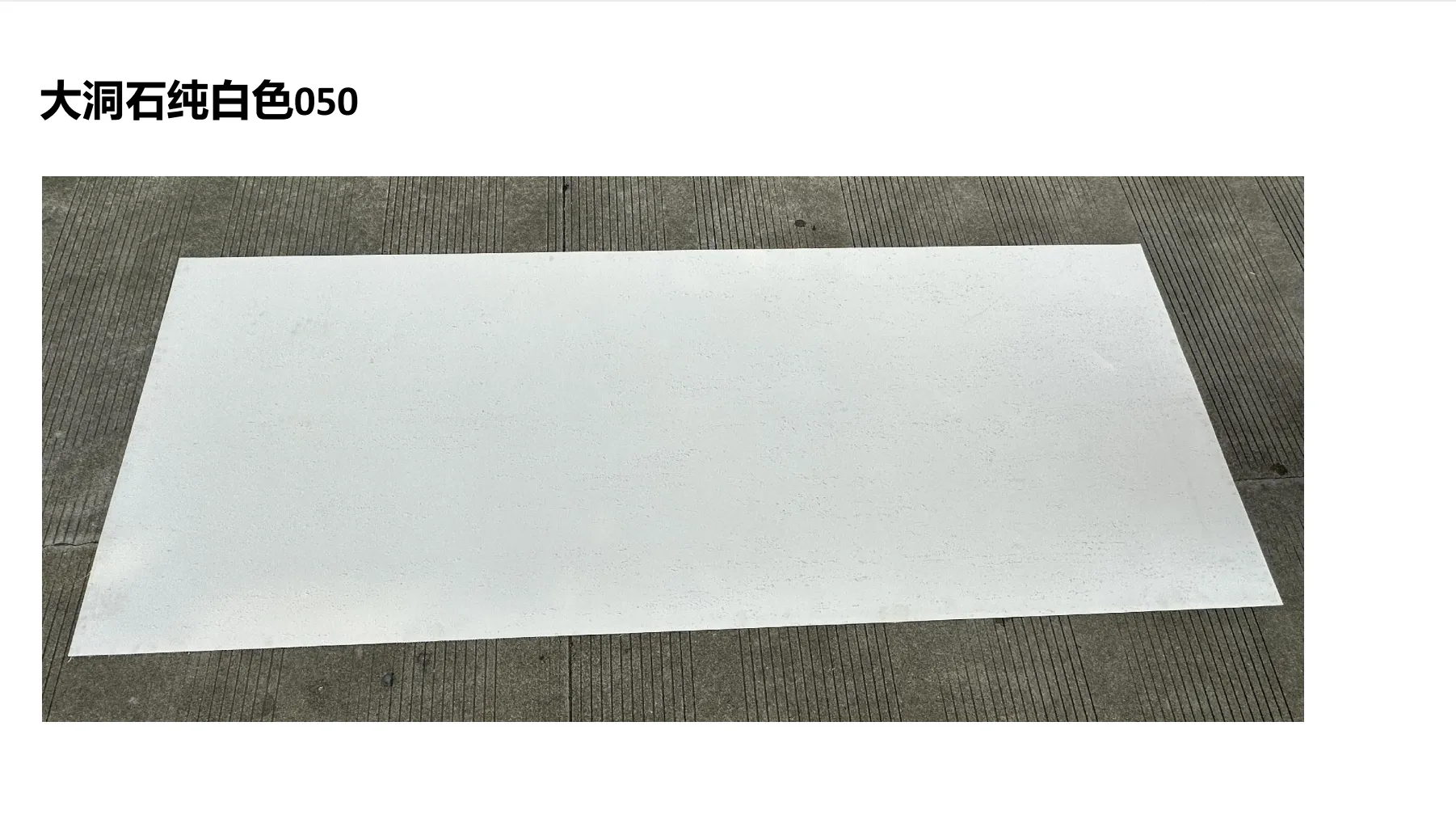
Huge Travertine MCM falls under the MCM flexible stone category—a type of engineered material designed to mimic the look of natural stone while addressing its weaknesses. MCM, short for Modified Composite Material, is made by blending natural stone aggregates (like crushed travertine) with polymers and resins. This mix is then pressed into thin, flexible panels, often part of larger product lines like the MCM big slab board series , which offers uniform, large-format sheets ideal for walls, floors, and facades.
What makes Huge Travertine MCM unique? Its composition. Unlike solid natural stone, MCM is lightweight (around 3-5 kg per square meter, compared to 20-30 kg for natural travertine), flexible (it can bend slightly without cracking), and non-porous (thanks to the resin binding). These traits make it a favorite for commercial spaces, outdoor areas, and high-traffic zones where weight, installation ease, and durability are priorities.
Visually, it captures the essence of travertine—those signature pitted textures, earthy tones, and organic patterns—without the inconsistencies of natural stone. Varieties like travertine (starry green) or travertine (vintage gold) from the MCM line offer designers creative flexibility, blending the warmth of natural stone with the reliability of modern engineering.
Marble, on the other hand, is as natural as it gets. Formed from limestone subjected to extreme heat and pressure over millions of years, it's prized for its veining, depth of color, and association with luxury—think ancient Roman temples, Renaissance palaces, and modern marble series collections that mimic these historic looks. From pure whites like marble veil white to dramatic blacks like marble interstellar gray , marble's versatility in color and pattern is unmatched.
But natural beauty comes with trade-offs. Marble is porous (those tiny pores absorb liquids), soft (rated 3-4 on the Mohs hardness scale, compared to 6-7 for granite), and prone to etching. Etching occurs when acidic substances (lemon juice, vinegar, even some cleaning products) react with marble's calcium carbonate, leaving dull, permanent marks. It's also heavy, making installation labor-intensive and limiting its use in high-rise buildings or retrofits where structural weight is a concern.
Despite these challenges, marble remains a top choice for low-traffic, high-luxury spaces: hotel lobbies, boutique bathrooms, and residential accent walls where its unique veining can take center stage—and where maintenance is a manageable investment.
Durability isn't just about "hardness"—it's about how a material handles daily use, environmental stress, and the passage of time. Let's break down key factors and see how Huge Travertine MCM and marble stack up.
In busy spaces, scratches and impacts are inevitable. A dropped key, a dragged chair, a swinging purse—these small events add up. How do our two materials fare?
Marble: Softness is marble's Achilles' heel here. With a Mohs hardness rating of 3-4, it's easily scratched by metal, grit, or even high heels. A sharp object can leave a visible mark, and repeated impacts (like a heavy pot dropped on a kitchen floor) can chip or crack the surface. These damages aren't just cosmetic; they can also trap dirt, making the problem worse over time.
Huge Travertine MCM: MCM's resin binding gives it a hardness boost, typically rating 5-6 on the Mohs scale—harder than marble, though not as tough as granite. Its flexibility also plays a role: instead of shattering on impact, the material can absorb minor blows without cracking. In commercial kitchens, for example, where pots and pans are constantly moving, MCM floors show far fewer scratches than marble after a year of use.
From coffee spills to wine splashes, stains are a fact of life. But some materials fight back better than others.
Marble: Porous and calcium-based, marble is a magnet for stains and etching. Spill lemon juice on marble, and within minutes, you'll see a dull, lighter spot—the acid has eaten away at the surface. Oil-based stains (like salad dressing) seep into pores, leaving dark marks that often require professional cleaning. Even water can leave rings if left standing, especially on unsealed marble.
Huge Travertine MCM: Non-porous by design, MCM resists both stains and etching. The resin coating acts as a barrier, preventing liquids from seeping in. Wipe up a coffee spill an hour later, and there's no trace. Acidic substances? They'll sit on the surface without reacting, making MCM ideal for kitchens, dining areas, and bars where spills are common.
For outdoor use—patios, facades, pool surrounds—materials face sun, rain, freeze-thaw cycles, and humidity. This is where engineering often outperforms nature.
Marble: Natural marble is vulnerable to weathering. UV rays can fade its color over time, especially darker varieties. Rainwater, which is slightly acidic, can etch the surface, leaving a "hazy" appearance. In cold climates, water seeps into pores, freezes, expands, and cracks the stone—a process called spalling. For these reasons, marble is rarely recommended for unprotected outdoor use.
Huge Travertine MCM: MCM was built for the outdoors. Its non-porous surface prevents water absorption, so freeze-thaw cycles don't cause spalling. The resins in the mix are UV-stable, meaning colors stay vibrant even in direct sunlight. Many MCM panels, including those in the MCM big slab board series, are rated for exterior use, making them popular for building facades, outdoor kitchens, and pool decks.
Moisture is a silent enemy. It can lead to mold, mildew, staining, and structural damage if a material can't handle it.
Marble: Porous marble absorbs water, making it risky for wet areas like showers or bathroom floors. Even with sealing, prolonged moisture can seep in, causing discoloration or warping. In humid climates, mold can grow in the pores, requiring frequent deep cleaning.
Huge Travertine MCM: Non-porous and water-resistant, MCM thrives in wet environments. Its resin barrier prevents water from penetrating, so mold and mildew have nowhere to grow. This is why you'll often find MCM panels in commercial showers, spa facilities, and outdoor pool surrounds—places where marble would struggle.
Even the most durable materials need care. Maintenance isn't just about cleaning—it's about preserving appearance, preventing damage, and addressing issues when they arise. Let's compare the upkeep required for each material.
Marble: Cleaning marble is a balancing act. You need to avoid anything acidic (vinegar, citrus, ammonia-based cleaners), which can etch the surface. Even alkaline cleaners (like bleach) can dull the finish over time. The safest bet? Warm water and a mild, pH-neutral soap (like dish soap without lemon). For tough stains, you might need a marble-specific poultice (a paste that draws out the stain), but these can be time-consuming to apply and require careful rinsing.
Huge Travertine MCM: Cleaning MCM is refreshingly low-effort. Its non-porous surface means most spills wipe away with a damp cloth and mild soap. Stuck-on grime? A soft brush and warm water work. You can even use common household cleaners (like glass cleaner or mild detergent) without worrying about etching or discoloration. For outdoor MCM, a power washer on a low setting will blast away dirt and mildew—something you'd never risk with marble.
Marble: Sealing is non-negotiable for marble. Because it's porous, unsealed marble absorbs stains instantly. Even with sealing, you'll need to reapply every 6-12 months (more often in high-traffic or wet areas). The process involves thoroughly cleaning the surface, letting it dry, then applying a marble sealer with a sponge or spray bottle, wiping off excess, and letting it cure for 24-48 hours. Miss a sealing cycle, and you're one spilled glass of wine away from a permanent stain.
Huge Travertine MCM: MCM's resin binding makes sealing optional. Most manufacturers recommend sealing once every 2-3 years (or not at all for indoor use) to enhance shine, but it's not required for stain protection. When you do seal, it's a simpler process: just wipe on a water-based sealer and buff—no waiting for deep penetration. For busy homeowners or commercial managers, this is a huge time and cost saver.
Marble: Repairs are tricky and often require professionals. Scratches can sometimes be polished out with a marble abrasive pad, but deep scratches or chips may need filling with a marble epoxy (which can be visible if not color-matched perfectly). Etch marks? These usually require honing (a process that sands down the surface to remove the damaged layer) or polishing, which can be expensive and alter the finish. In severe cases, you might need to replace the entire tile or slab—costly and disruptive.
Huge Travertine MCM: Repairs are far simpler. Small scratches can often be buffed out with a soft cloth and a mild abrasive (like baking soda mixed with water). For chips or cracks, MCM panels are lightweight and easy to replace individually—no need to tear out an entire section. Since MCM is part of the MCM big slab board series, replacement panels are consistent in color and pattern, so repairs blend seamlessly. This makes upkeep affordable and low-stress, even for large installations.
| Factor | Huge Travertine MCM | Marble |
|---|---|---|
| Scratch Resistance | Good (Mohs 5-6; resists daily scratches) | Poor (Mohs 3-4; easily scratched by metal/grit) |
| Stain Resistance | Excellent (non-porous; spills wipe away) | Poor (porous; stains absorb quickly without sealing) |
| Weather Resistance | Excellent (UV-stable; resists freeze-thaw, rain) | Poor (fades in sun; prone to spalling in cold climates) |
| Moisture Resistance | Excellent (non-porous; mold/mildew-resistant) | Poor (absorbs water; risky for wet areas) |
| Cleaning Difficulty | Easy (mild soap and water; no special cleaners needed) | Hard (requires pH-neutral cleaners; avoids acids/alkalis) |
| Sealing Frequency | Optional (every 2-3 years, if desired) | Required (every 6-12 months) |
| Repair Ease | Easy (individual panels replaced; scratches buffed out) | Hard (requires professional polishing/honing; chips visible) |
*Note: Performance may vary slightly by brand and specific product within each category.
There's no "perfect" material—only the right one for your space, lifestyle, and priorities. Let's map out scenarios where each material shines.
At the end of the day, both Huge Travertine MCM and marble have their place in design. Marble is a timeless classic, beloved for its unmatched elegance and natural artistry—but it demands care and consideration. Huge Travertine MCM, as part of the MCM flexible stone family, is a modern workhorse, offering the beauty of stone with the resilience of engineering.
For most homeowners, business owners, and architects, the choice comes down to balance. Do you value tradition and uniqueness over convenience? Marble might be worth the effort. Are you looking for a material that can keep up with your busy life, look great for years, and require minimal fuss? Huge Travertine MCM, especially in formats like the MCM big slab board series , is hard to beat.
Whichever you choose, remember: the best material is the one that aligns with your lifestyle, budget, and vision. And with options like these, you don't have to sacrifice beauty for durability—or vice versa.
Recommend Products












