Aesthetics are subjective, but there's a reason certain materials have stood the test of time. Let's start with
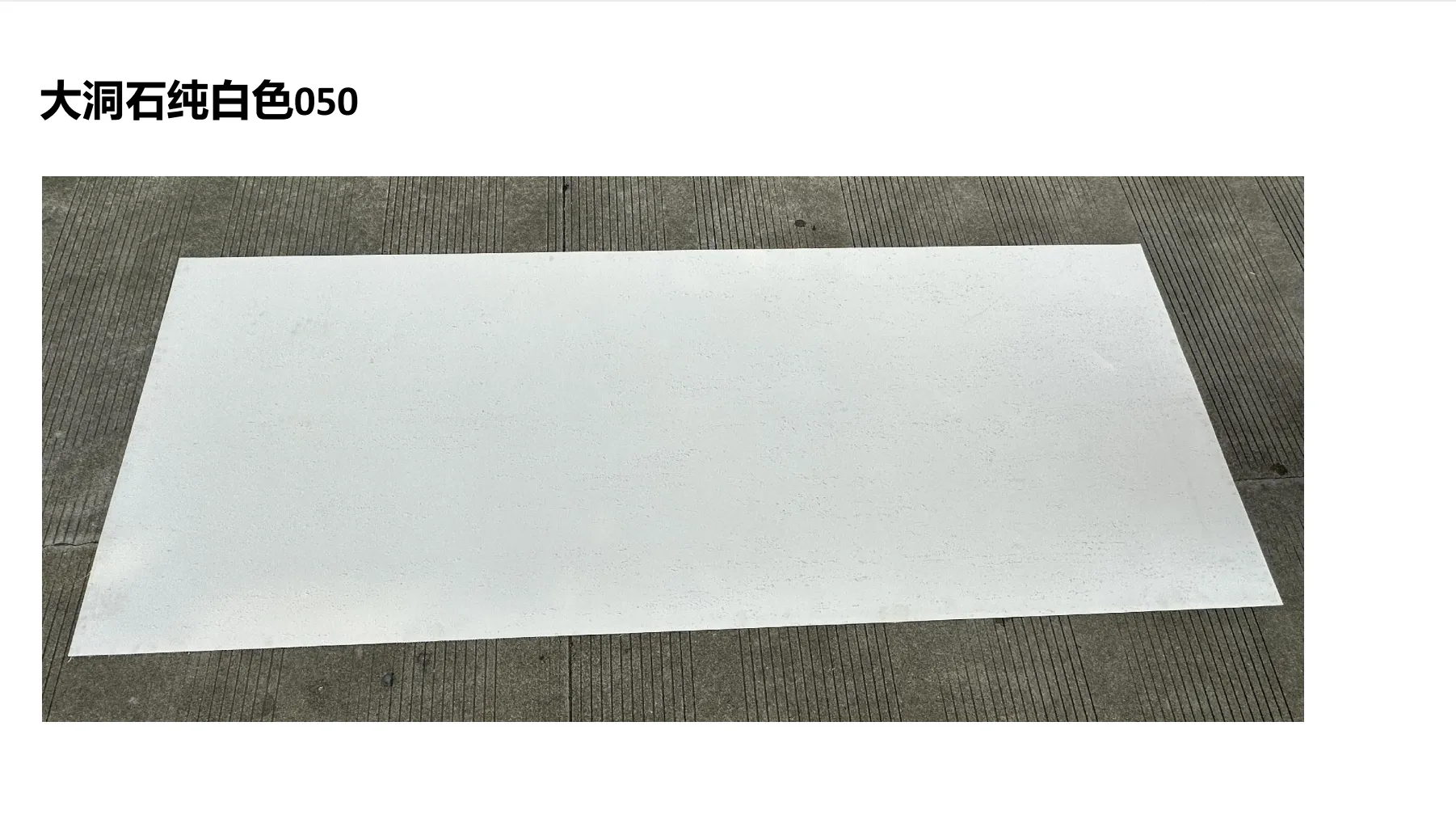
Huge Travertine MCM
.
Travertine itself is a form of limestone, born from mineral-rich hot springs, with a porous, layered texture that tells a story of millions of years of geological activity. When transformed into MCM (Modified Composite Material), it retains that organic charm but becomes lighter, more flexible, and easier to install than traditional stone slabs.
Take, for example,
travertine (starry green)
—a variant that mimics the look of
travertine infused with subtle, iridescent flecks, like sunlight dancing on moss-covered stone. Run your hand over it, and you'll feel the natural pits and ridges, the slight variation in color that no machine can perfectly replicate. It's a material that doesn't just
look
alive; it
feels
alive. Compare that to
Lunar Peak Silvery
, another MCM option with a cool, metallic sheen that evokes moonlight on mountain peaks—still rooted in natural stone, but with a modern twist. These aren't just "finishes"; they're experiences.
Vinyl cladding, on the other hand, is all about consistency. Walk down a row of houses with vinyl siding, and you'll notice how uniform it looks: same color, same texture, same pattern, repeated ad nauseam. That's by design. Vinyl is engineered to be predictable. Want a bright white? A soft beige? A bold navy? It can do that. But here's the catch: that "perfect" consistency often comes at the cost of depth. Vinyl lacks the subtle variations that make natural materials feel warm and inviting. There's no "grain" to get lost in, no unique veining that makes a wall feel like a living, breathing thing. It's smooth, it's uniform, and for some, that's exactly the point. But for others, it's the architectural equivalent of a plastic plant—nice at first glance, but lacking the soul of the real thing.
Real-World Example:
The renovation of a 1920s apartment building in Barcelona. The architects opted for
Huge Travertine MCM
in a light beige finish to honor the building's historic roots while updating its durability. The result? A facade that blends seamlessly with the city's Gothic Quarter stonework, with a texture that catches the Mediterranean light in a way vinyl—even "stone-look" vinyl—never could. Residents report feeling a deeper connection to the building's heritage, while tourists stop to snap photos of the "ancient" walls that are, in fact, cutting-edge MCM.
Then there's the matter of aging.
Travertine MCM, like natural stone, develops a patina over time. Rain, sun, wind—these elements gently wear away at the surface, softening its edges and deepening its color. It's a material that
improves
with age, like a leather jacket or a well-loved book. Vinyl cladding, by contrast, tends to fade. UV rays from the sun break down its pigments, turning bold blues into washed-out grays, vibrant reds into pinkish hues. Cracks can form at the seams, and the plastic can become brittle in extreme temperatures. What starts as a "fresh" look often ends up looking dated within 5–10 years, requiring repainting or replacement.
For those who want a building that grows more beautiful with each passing year, the choice becomes clear.
Huge Travertine MCM
isn't just cladding—it's a canvas that nature and time collaborate on. Vinyl? It's more like a temporary sticker.