
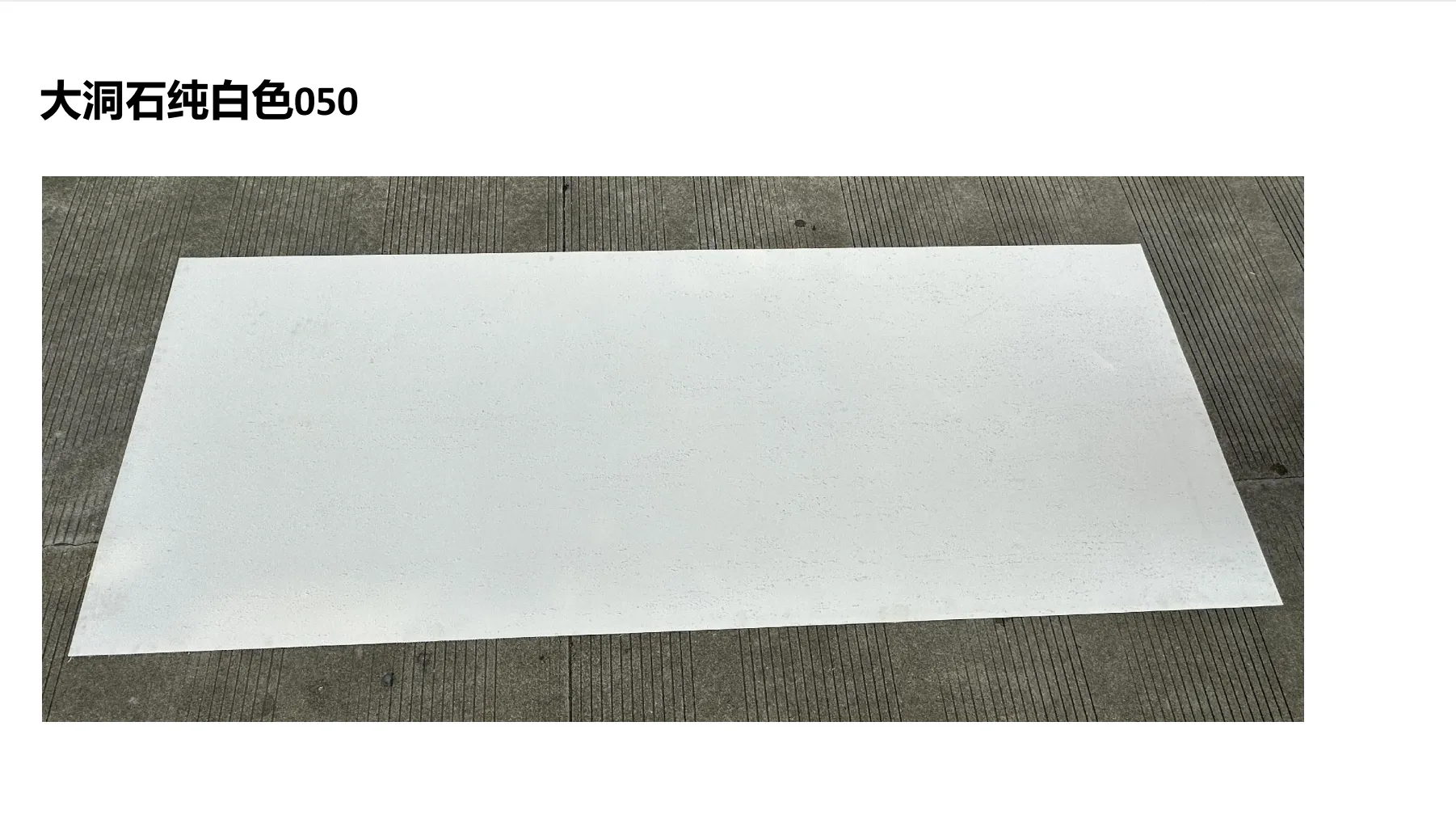
In the world of architecture and design, the choice of cladding material is more than just a visual decision—it's a commitment to safety, durability, and the long-term story of a building. Today, two materials stand out for their unique appeal: Huge Travertine MCM (Modified Composite Material) and traditional wood cladding. While wood has long been cherished for its warm, organic charm, MCM flexible stone products like travertine are redefining modern construction with their blend of resilience and aesthetic versatility. In this article, we'll dive deep into how these two materials stack up in critical areas: fire safety and longevity. Whether you're an architect designing a commercial complex, a homeowner renovating a facade, or simply a design enthusiast, understanding these differences could shape the legacy of your project.
First, let's unpack what makes Huge Travertine MCM a standout. MCM, or Modified Composite Material, is a revolutionary category of building materials engineered to mimic the look and feel of natural stone while offering enhanced performance. Travertine, a sedimentary rock formed by mineral deposits from hot springs, has been used in iconic structures for millennia—think the Colosseum in Rome or the Getty Center in Los Angeles. But when combined with MCM technology, travertine becomes lighter, more flexible, and even more durable than its natural counterpart.
Travertine itself is celebrated for its unique texture: porous, with subtle veining and a warm, earthy palette that ranges from soft beiges to deep, dramatic hues. The "Huge" in Huge Travertine MCM refers to its large-format slabs, which minimize grout lines and create a seamless, modern look. Beyond the classic beige, modern MCM travertine comes in stunning variants like travertine (starry green) —a celestial-inspired finish with flecks of iridescent green that catch the light—or travertine (vintage silver) , which adds a sleek, contemporary edge to industrial designs. Whether paired with fair-faced concrete for a minimalist vibe or foamed aluminium alloy board (vintage silver) for metallic contrast, travertine MCM adapts to any architectural vision.
When it comes to fire safety, Huge Travertine MCM doesn't just meet standards—it exceeds them. Unlike organic materials, natural stone is inherently non-combustible. Travertine MCM, crafted from crushed travertine stone bound by a polymer matrix, retains this critical property. In independent fire tests, it consistently achieves a Class A fire rating (the highest possible), meaning it won't ignite, spread flames, or release toxic smoke when exposed to high heat. This is a game-changer for commercial buildings, high-rises, and areas prone to wildfires, where fire codes demand materials that can act as a barrier against (lièyàn—flames). Imagine a hotel facade clad in travertine (starry red) ; in the unlikely event of a fire, that facade wouldn't fuel the blaze—it would stand firm, protecting the structure and its occupants.
Longevity is where Huge Travertine MCM truly shines. Natural travertine has proven its staying power over centuries—ancient Roman structures clad in travertine still stand today, weathered but unbroken. MCM technology enhances this durability by reducing porosity (minimizing water absorption) and adding flexibility (resisting cracks from thermal expansion). Unlike natural stone, which can be heavy and brittle, MCM travertine is lightweight and impact-resistant, making it ideal for both exterior facades and interior accent walls. With minimal maintenance—occasional cleaning with mild soap and water—travertine MCM can last 50 years or more. It resists fading from UV rays, doesn't rot or warp in humidity, and stands up to freeze-thaw cycles, making it a reliable choice for climates from desert heat to snowy winters.
Wood cladding, on the other hand, carries a legacy of its own. For centuries, humans have turned to wood for its warmth, workability, and connection to nature. From cozy cabins to Scandinavian-inspired homes, wood cladding evokes a sense of comfort and rustic elegance. Modern options like wood grain board or bamboo mat board offer even more versatility, mimicking rare wood species at a lower cost. But beneath its inviting surface, wood harbors challenges that can't be ignored—especially when it comes to fire safety and longevity.
Wood is, by nature, combustible. Even treated wood cladding—coated with fire-retardant chemicals—can only delay ignition, not prevent it. Most wood cladding products achieve a Class B or C fire rating, meaning they may ignite under intense heat and contribute to flame spread. In high-risk environments, this can be a critical liability. For example, a wildfire approaching a home with untreated cedar cladding could turn the facade into fuel within minutes. While advances in fire-retardant treatments have improved performance, these coatings degrade over time, requiring reapplication every 3–5 years to maintain effectiveness. And even then, wood's cellular structure means it will eventually char and weaken when exposed to prolonged heat—a risk that simply doesn't exist with Huge Travertine MCM .
Wood cladding's lifespan is a story of trade-offs. Without proper care, even the most durable woods (like teak or ipe) will start to show signs of wear within 10–15 years. Moisture is wood's greatest enemy: rain, humidity, and snow can seep into cracks, leading to rot, mold, and insect infestations (termites, anyone?). To combat this, homeowners must commit to regular maintenance: power washing, sanding, staining, and sealing every 2–3 years. These upkeep costs add up—both in time and money. A 2,000-square-foot wood-clad facade might cost $5,000–$10,000 to refinish, a burden that only grows as the wood ages. In contrast, Huge Travertine MCM asks for nothing more than an occasional rinse to look as good as new decades down the line.
| Criteria | Huge Travertine MCM | Wood Cladding |
|---|---|---|
| Fire Rating | Class A (Non-combustible; no flame spread, no toxic smoke) | Class B/C (May ignite under heat; requires periodic fire-retardant reapplication) |
| Expected Lifespan | 50+ years (minimal maintenance required) | 10–20 years (with rigorous annual maintenance; 5–10 years without) |
| Weather Resistance | Resistant to UV fading, rain, snow, humidity, and freeze-thaw cycles | Vulnerable to rot, mold, and warping in moist or fluctuating climates |
| Maintenance Needs | Occasional cleaning with soap and water; no sealing or refinishing | Annual power washing, sanding, staining, and sealing; insect treatments |
| Sustainability | Eco-friendly production (recycled stone content); 100% recyclable at end-of-life | Dependent on sourcing (FSC-certified wood is better); may require frequent replacement, increasing carbon footprint |
To put these differences into perspective, let's look at two real-world examples. In Phoenix, Arizona, a commercial office building clad in Huge Travertine MCM (specifically travertine (vintage gold) ) has stood for 25 years. Its facade, exposed to 110°F summers and monsoon rains, still looks crisp and vibrant—no cracks, no fading, no signs of wear. The building's fire safety report notes that the travertine MCM played a critical role in containing a small electrical fire on the 3rd floor in 2018, preventing it from spreading to other levels.
Compare that to a residential development in Portland, Oregon, where 20 homes were built with cedar wood cladding in 2010. By 2022, half of the homeowners had replaced their cladding due to rot and mold growth from the Pacific Northwest's damp climate. The others had invested over $15,000 each in ongoing maintenance—costs that could have been avoided with a more durable material like Huge Travertine MCM .
At the end of the day, the choice between Huge Travertine MCM and wood cladding comes down to your priorities. If fire safety and longevity are non-negotiable—whether for a high-rise, a school, or a home in a wildfire zone—travertine MCM is the clear winner. Its Class A fire rating, 50+ year lifespan, and zero-maintenance appeal make it a smart investment in peace of mind.
That said, wood cladding still has its place. For low-risk, low-maintenance environments (like a covered porch in a dry climate) or projects where warm, natural texture is the top priority, wood can create a unique ambiance. Just be prepared to budget for regular upkeep and factor in eventual replacement.
As building codes grow stricter and sustainability becomes a global imperative, materials like Huge Travertine MCM are leading the way. They prove that you don't have to sacrifice beauty for resilience—in fact, with options like travertine (starry blue) or travertine (starry orange) , you might just gain both. So the next time you look at a building's facade, remember: it's not just a surface. It's a promise—and with MCM flexible stone , that promise is built to last.
Recommend Products












