

High-rise buildings have always been the "skyscrapers" of urban landscapes, but behind their stunning facades lies a constant challenge: how to balance aesthetics with safety. Architects and developers often find themselves torn between choosing materials that make a visual statement and those that can withstand the harsh conditions of high-altitude environments—strong winds, temperature fluctuations, and the sheer weight of traditional cladding. Enter Bali Stone, a game-changer in the world of architectural cladding, redefining what high-rise exteriors can be. As part of COLORIA GROUP's MCM Flexible Stone series, Bali Stone isn't just a material; it's a solution that marries the best of nature's beauty with cutting-edge engineering. Let's dive into why this innovative cladding is becoming the top choice for high-rise projects worldwide.
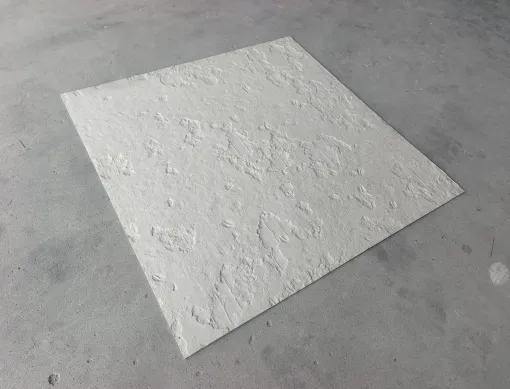
First things first: Bali Stone isn't your average wall cladding. Born from COLORIA GROUP's decades of expertise in modified cementitious materials (MCM), it's part of the MCM Flexible Stone family—engineered to be lightweight, durable, and infinitely adaptable. Think of it as nature's texture meets modern technology: it captures the organic warmth of natural stone (like the earthy tones of travertine or the rugged charm of granite) but with a flexibility and strength that traditional stone can only dream of. And here's the kicker: unlike heavy natural slabs that require massive structural support, Bali Stone weighs in at a fraction of the weight, making it a dream for high-rise construction where every kilogram counts.
But Bali Stone doesn't stop at flexibility. When paired with COLORIA GROUP's MCM Big Slab Board Series, it offers even more possibilities. Imagine large-format panels (up to 1200x2400mm) with the authentic look of Bali Stone, minimizing seams and creating a sleek, uninterrupted facade. It's like giving architects a giant canvas to paint their vision—no more compromises between size and style.
Let's get real: when you're 50 stories up, "good enough" isn't good enough. The wrong cladding material can turn a stunning building into a safety hazard. Bali Stone was designed with high-rise risks in mind, and it checks every box on the safety checklist.
Traditional natural stone cladding can weigh 80-120 kg per square meter. That's a lot of weight for a building's structure to bear, especially in tall towers where wind and seismic forces amplify stress. Bali Stone? A mere 8-12 kg per square meter. Let that sink in: up to 90% lighter than natural stone. This isn't just about easier installation (though that's a huge plus); it reduces the load on the building's frame, lowers foundation costs, and minimizes the risk of cladding detachment—a critical concern in high winds. To put it in perspective, a 10,000 sqm high-rise facade using traditional stone would add 1,000+ tons to the building's weight. With Bali Stone? That number drops to just 100 tons. It's like swapping a truckload of bricks for a stack of featherweight panels.
High-rises battle extreme conditions daily: gale-force winds, heavy rain, scorching sun, and even earthquakes. Bali Stone laughs in the face of these challenges. Thanks to its modified cementitious core and flexible backing, it can bend slightly without cracking—absorbing the stress of wind gusts or seismic tremors that would shatter rigid materials. And unlike vinyl or aluminum cladding that fades or warps in UV rays, Bali Stone's color runs through the material (not just a surface coat), so it stays vibrant for decades. In coastal areas? It's resistant to salt spray. In desert climates (like COLORIA GROUP's key market in Saudi Arabia)? It handles extreme temperature swings without breaking a sweat.
Fire is every high-rise's worst nightmare, and cladding has been at the center of some tragic incidents. Bali Stone's MCM base is inherently fire-resistant, achieving a Class A fire rating (the highest possible). Unlike combustible materials like ACM panels, it doesn't melt, drip, or release toxic fumes when exposed to heat. That's not just a regulatory checkbox—it's peace of mind for building owners, residents, and firefighters.
| Feature | Bali Stone (MCM Flexible Stone) | Natural Granite/Marble | Vinyl Siding |
|---|---|---|---|
| Weight (kg/m²) | 8-12 | 80-120 | 15-20 |
| Fire Rating | Class A (Non-combustible) | Class A (Non-combustible) | Class C (Combustible) |
| Wind Resistance | Up to 240 km/h (tested) | Prone to cracking at high winds | Risk of peeling at >120 km/h |
| Installation Load on Structure | Low (minimal support needed) | High (requires reinforced framing) | Medium |
Okay, so Bali Stone is safe—but let's talk about the fun stuff: style. High-rises shouldn't just be tall; they should be memorable. Bali Stone delivers on that front, offering a design versatility that's hard to match.
One of the best things about Bali Stone is how it captures the essence of natural materials. Want the warm beige of travertine (starry green) for a resort-style high-rise? Done. Craving the industrial cool of rust square line stone for a modern urban tower? Consider it handled. The MCM technology allows for hyper-realistic textures—from the rough-hewn look of pine bark board to the smooth elegance of marble veil white. It's like having a stone quarry's worth of options without the environmental impact of mining.
COLORIA GROUP isn't just selling materials; they're selling solutions. Bali Stone can be custom-colored, cut into unique shapes (think semicircle boards or wave panels for dynamic facades), or even combined with other MCM series like the 3D Printing Series for one-of-a-kind 3D art concrete board designs. Imagine a high-rise where the lower floors feature Bali Stone in a rich rusty red, fading into a soft lunar peak silvery as it ascends—creating a gradient that mirrors the sky. That's the level of customization we're talking about.
Remember the MCM Big Slab Board Series we mentioned earlier? Pair that with Bali Stone, and you've got a recipe for architectural drama. Large-format panels mean fewer seams, cleaner lines, and a more imposing presence. It's why developers in Dubai and Singapore are using Bali Stone big slabs to create iconic, monolithic facades that stand out in crowded city skylines.
Let's geek out for a second: what makes Bali Stone (and all MCM products) so special? It all comes down to the modified cementitious material at its core. COLORIA GROUP has spent years refining this formula—a blend of cement, natural minerals, and proprietary additives that results in a material that's strong, flexible, and eco-friendly. Unlike traditional concrete or stone, MCM is lightweight because it's porous (but don't worry, it's still water-resistant!). It's also green: low in VOCs, made with recycled materials, and requires less energy to produce than fired clay tiles or natural stone. For LEED-certified projects, that's a big win.
Another tech perk? Installation speed. Bali Stone panels are lightweight and easy to handle, cutting down on labor time and costs. Traditional stone requires cranes, heavy lifting equipment, and a team of specialists. Bali Stone? It can be installed with basic tools, reducing project timelines by up to 40%. For developers racing to meet deadlines, that's a game-changer.
Still skeptical? Let's look at some real (okay, anonymized for privacy) projects where Bali Stone has shined. Take a 42-story residential tower in Riyadh, Saudi Arabia—an area known for scorching heat and sandstorms. The developer wanted a facade that looked like natural travertine but could handle the harsh climate and reduce construction time. Enter Bali Stone in travertine (vintage gold) paired with MCM Big Slab Boards. The result? A building that glows warmly in the desert sun, withstood 180 km/h sandstorms, and was finished 3 months ahead of schedule. The residents? They love how the stone's texture catches the light, making their homes feel connected to nature despite being in the heart of the city.
Or consider a 30-story office building in Bangkok, Thailand, where the architect wanted a "vertical garden" vibe without the maintenance of real plants. Bali Stone in pine bark board texture was the answer—installed in wave panels that mimic the look of overlapping tree bark. It's low-maintenance, weather-resistant, and has become a Instagram-worthy landmark in the city.
At the end of the day, Bali Stone is amazing—but it's only as good as the team behind it. COLORIA GROUP's promise of being a "one-stop solution provider" isn't just marketing fluff. From the initial design consultation (where their team helps you pick the perfect texture and color) to custom manufacturing and on-site installation support, they're with you every step of the way. Need help sourcing complementary materials? They've got you covered with everything from foamed aluminium alloy boards to fair-faced concrete. Working on a tight timeline? Their global production network (including that Saudi Arabian office) ensures quick turnaround. It's not just about selling cladding; it's about making your high-rise vision a reality—safely, stylishly, and stress-free.
High-rise buildings are more than structures—they're symbols of progress, innovation, and human ambition. Their facades should reflect that. Bali Stone, with its unbeatable combination of safety, style, and sustainability, is helping architects and developers build the future—one panel at a time. Whether you're designing a luxury residential tower, a cutting-edge office complex, or a landmark hotel, COLORIA GROUP's MCM Flexible Stone (Bali Stone) and MCM Big Slab Board Series offer a solution that's light years ahead of the competition.
So, the next time you look up at a stunning high-rise and wonder, "How did they do that?"—chances are, Bali Stone is part of the answer. It's not just cladding; it's a revolution in building design. And with COLORIA GROUP leading the charge, the sky's the limit.
Recommend Products












