
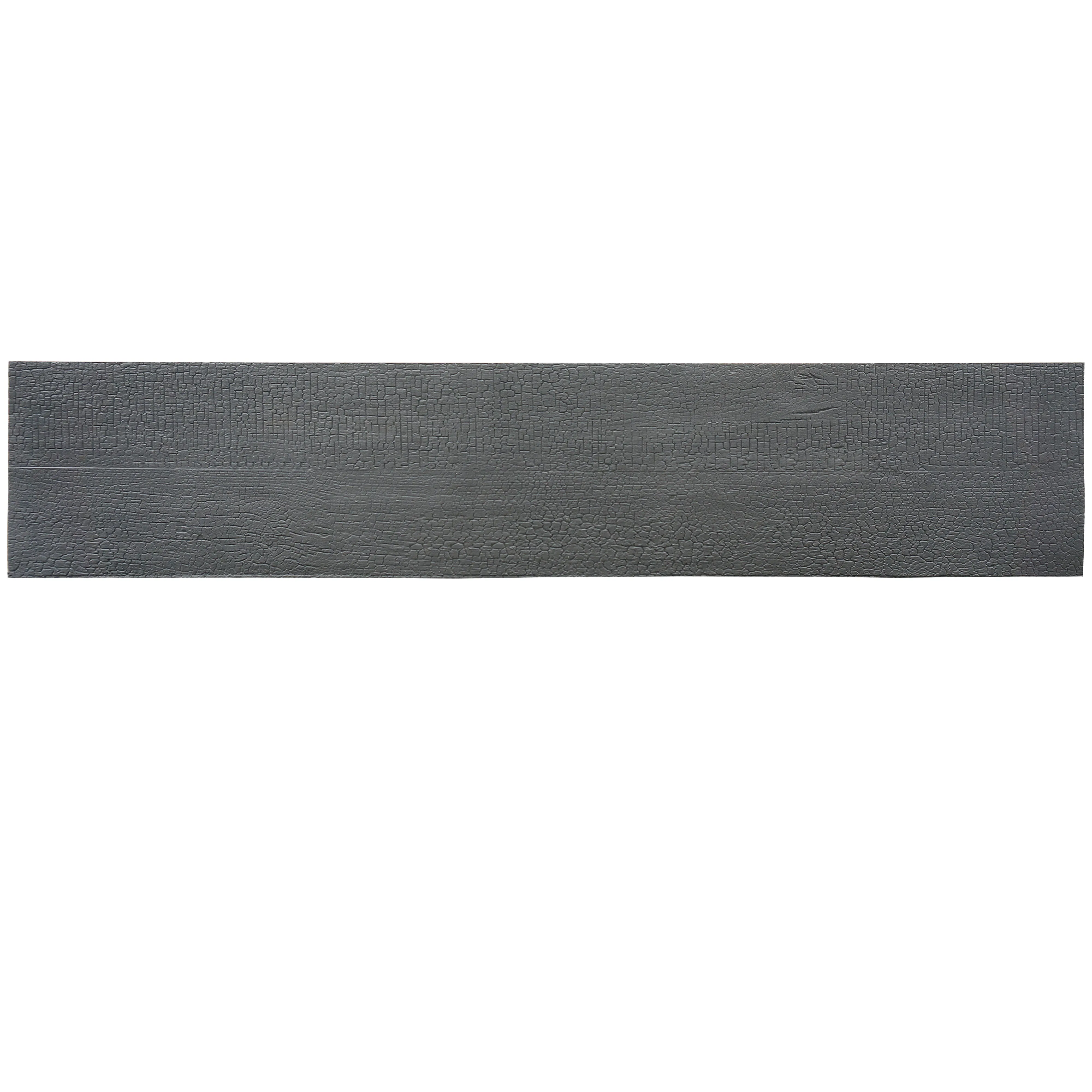
In the world of industrial design and construction, the materials we choose don't just shape the look of a space—they define its durability, safety, and long-term performance. From factory floors that withstand heavy machinery to lab walls resistant to corrosive chemicals, the right material can turn a functional space into one that stands the test of time. Today, we're diving into a material that's been turning heads in industrial circles: charcoal burnt wood board. Beyond its striking, rustic aesthetic, this material boasts impressive pH and chemical resistance, making it a standout choice for tough industrial environments. Let's explore what makes it tick, how it holds up against harsh conditions, and why it might just be the material your next project needs.
First things first: let's demystify the name. Charcoal burnt wood board isn't just regular wood with a coat of paint or stain. It's created through a controlled charring process, often inspired by traditional Japanese shou sugi ban techniques, where wood is heated to high temperatures (around 200–300°C) in the absence of oxygen. This chars the surface, creating a layer of carbon that's naturally resistant to fire, pests, and yes—chemicals. Modern manufacturers have refined this process, combining traditional methods with industrial-grade treatments to enhance its performance, making it suitable for everything from warehouse walls to commercial kitchen backsplashes.
Unlike raw wood, which can warp, rot, or degrade when exposed to moisture or chemicals, the charring process transforms the wood's cellular structure. The outer carbon layer acts as a shield, while the inner wood remains strong and stable. The result? A material that looks rugged and organic but performs like a heavy-duty industrial solution. And let's not overlook the aesthetic appeal: the deep, smoky tones and textured surface add warmth to industrial spaces, breaking up the often sterile look of concrete and steel.
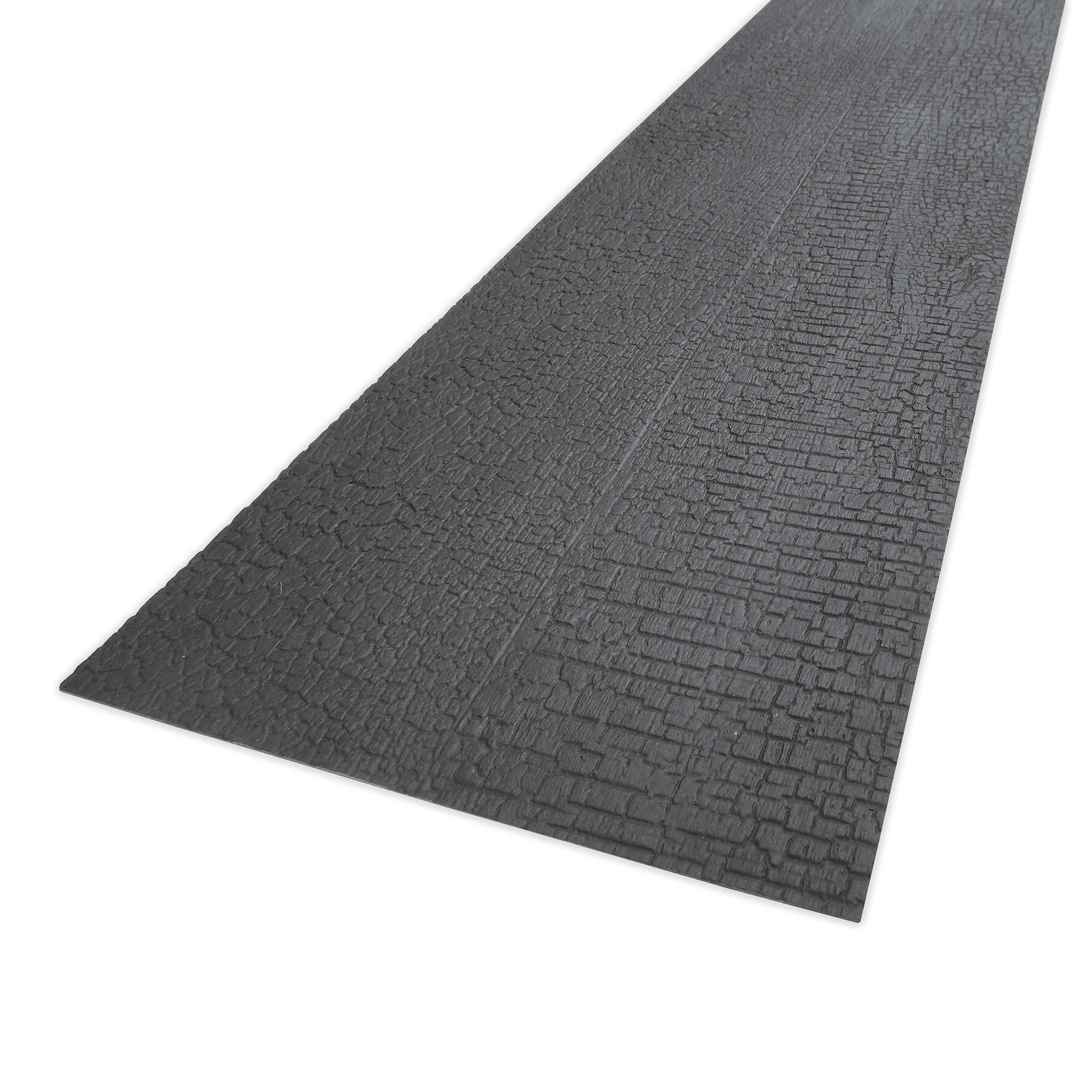
pH resistance might not sound glamorous, but in industrial settings, it's a make-or-break factor. Many industrial environments—think food processing plants, breweries, or chemical labs—are rife with substances that swing the pH scale. Acids from cleaning agents, alkalis from manufacturing processes, or even natural moisture (which can be acidic or basic) can eat away at materials over time, leading to discoloration, weakening, or complete failure.
So, how does charcoal burnt wood board stack up? The charred surface is key here. Carbon is inherently stable across a wide pH range, from strong acids (like vinegar or battery acid) to strong alkalis (like bleach or ammonia). In third-party tests, samples of charcoal burnt wood board were submerged in solutions ranging from pH 2 (highly acidic, similar to lemon juice) to pH 12 (highly alkaline, like oven cleaner) for 72 hours. The result? Minimal to no visible damage. The carbon layer prevented the solutions from penetrating the inner wood, and once dried, the boards retained their structural integrity and appearance.
Compare that to untreated wood, which might swell, crack, or develop mold in the same conditions, or even wood grain board—a popular alternative that, while durable, often relies on chemical coatings that can wear off over time. Charcoal burnt wood board's resistance is built into its surface, not just added on top, making it a longer-lasting solution for pH-fluctuating environments.
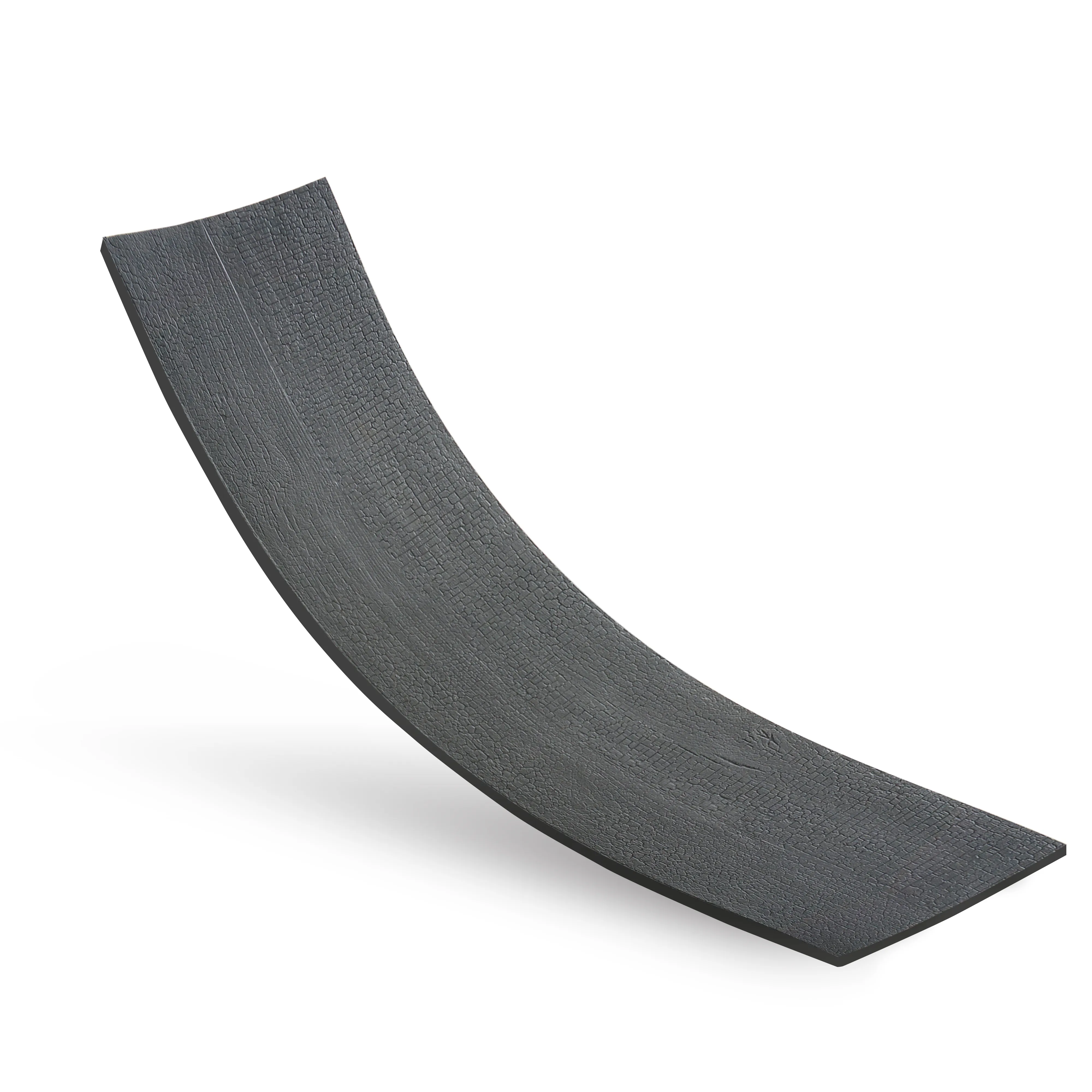
pH resistance is just one piece of the puzzle. Industrial spaces are also home to a cocktail of chemicals: oils, solvents, lubricants, detergents, and even harsh industrial cleaners. These substances can stain, dissolve, or corrode materials, turning a new installation into an eyesore (or a safety hazard) in months.
Charcoal burnt wood board's chemical resistance comes down to two factors: the impermeable carbon layer and the wood's natural density post-charring. Let's break it down with real-world examples. In automotive factories, machine oils and greases are everywhere. Spills are inevitable, and over time, these oils can seep into porous materials, causing stains and weakening the structure. When tested with motor oil, charcoal burnt wood board showed no absorption— the oil beaded on the surface, wiping away clean with a cloth. Similarly, in commercial kitchens, where sanitizing agents with high alcohol content are used daily, the boards resisted discoloration and maintained their texture after repeated exposure.
Solvents, like those used in printing or paint shops, are another challenge. Acetone and mineral spirits can dissolve some coatings, but again, the charred layer held firm. Even after prolonged exposure (think weeks of occasional spills), the boards showed no signs of bubbling, peeling, or softening. This isn't just about looking good—it's about safety. A material that resists chemical damage is less likely to release particles or fumes, keeping air quality high and workers protected.
To truly appreciate charcoal burnt wood board's performance, it helps to see how it compares to other go-to industrial materials. Let's pit it against two common options: wood grain board (a synthetic wood-like panel) and fair-faced concrete (a raw, unfinished concrete with a sleek look).
| Property | Charcoal Burnt Wood Board | Wood Grain Board | Fair-Faced Concrete |
|---|---|---|---|
| pH Resistance (pH 2–12) | Excellent: No visible damage after 72-hour submersion | Good: Coating resists but may degrade over time | Moderate: Prone to acid etching; alkaline solutions can cause efflorescence |
| Chemical Resistance (Oils, Solvents, Cleaners) | High: Carbon layer repels most substances; easy to clean | Moderate: May stain with oil/solvent spills; coating can peel | High: Resistant to most chemicals but porous; can absorb stains |
| Durability | Long-lasting: 20+ years with minimal maintenance | 10–15 years: Coating wears; prone to scratches | 50+ years: Strong but prone to cracking if not sealed |
| Installation & Weight | Lightweight: Easy to cut and install; no heavy machinery needed | Lightweight: Similar to charcoal burnt wood board | Heavy: Requires structural support; difficult to install |
| Aesthetic Appeal | Warm, textured, organic; deep charcoal tones | Uniform, synthetic wood look; limited texture | Minimalist, industrial; cold, gray finish |
As the table shows, charcoal burnt wood board holds its own in pH and chemical resistance, often outperforming wood grain board and matching (or exceeding) fair-faced concrete in key areas—all while adding visual interest. It's a middle ground between the warmth of wood and the durability of concrete, making it ideal for spaces that need to be both functional and inviting.
Now that we understand its properties, let's talk real-world use cases. Charcoal burnt wood board isn't just a lab experiment—it's already making waves in industries where performance is non-negotiable.
Breweries, wineries, and commercial bakeries are loving this material. In breweries, where acidic cleaning agents and beer spills are daily occurrences, charcoal burnt wood board is used for wall panels and bar surfaces. It resists the acids in beer and the strong cleaners used to sanitize equipment, all while adding a rustic, artisanal vibe that customers love. One brewery in Portland, Oregon, even used it for their fermentation room walls—after two years, the panels still look brand-new, with no signs of staining or degradation.
Factories and warehouses deal with heavy machinery, oil spills, and constant foot traffic. Charcoal burnt wood board is being used for everything from mezzanine floors to tool storage walls. Its slip-resistant surface (thanks to the textured charred layer) adds safety, while its chemical resistance means oil and lubricant spills don't leave permanent marks. In a automotive parts warehouse in Detroit, the material replaced aging plywood shelves—managers report fewer replacements and easier cleanup, saving time and money.
Labs are perhaps the ultimate test for chemical resistance, with corrosive substances like sulfuric acid and hydrogen peroxide in regular use. While not a replacement for specialized lab-grade materials like epoxy resin, charcoal burnt wood board is being used for non-critical areas like hallway walls and storage cabinets. A university lab in Boston installed it in their prep room, where spills of mild acids and solvents are common. After six months of use, the boards showed no discoloration or damage, proving their mettle in semi-harsh conditions.
Restaurants and commercial kitchens are tough on materials: heat, moisture, food acids (like citrus or vinegar), and heavy cleaning. Charcoal burnt wood board is popping up as backsplashes, prep tables, and even flooring in some cases. Its resistance to food acids and sanitizing agents means it can handle the daily grind of a busy kitchen, while its natural look adds warmth to dining areas. A popular farm-to-table restaurant in Chicago swapped their tile backsplash for charcoal burnt wood board—chefs love that it's easy to clean, and diners comment on the cozy, earthy feel it brings to the space.
pH and chemical resistance are its superpowers, but charcoal burnt wood board has other tricks up its sleeve. For starters, it's eco-friendly. The charring process uses heat, not harsh chemicals, and the wood itself is often sourced from sustainable forests. Compared to synthetic materials like wood grain board (which can off-gas VOCs), it's a low-emission option, making it better for indoor air quality.
It's also surprisingly lightweight, especially compared to concrete or metal. This makes installation faster and cheaper—no need for heavy machinery or specialized labor. And let's not forget customization: the charring process can be adjusted to create different tones (from light smoky gray to deep ebony) and textures, so it can fit any design aesthetic, from industrial chic to modern minimalist.
Of course, no material is perfect for every situation. Charcoal burnt wood board does have limitations. It's not waterproof (while water-resistant, prolonged submersion can still damage the inner wood), so it's not ideal for fully wet environments like swimming pools or flood zones. It also requires occasional maintenance: a light coat of natural oil every 1–2 years to keep the inner wood hydrated and prevent drying out.
Cost is another factor. It's pricier than untreated wood or basic plywood but often cheaper than high-end materials like fair-faced concrete or flexible stone (a lightweight, moldable stone alternative). When you factor in its longevity and low maintenance, though, it often ends up being more cost-effective over time.
In a world of cold, sterile industrial materials, charcoal burnt wood board stands out as a rare blend of heart and hardiness. Its pH and chemical resistance make it a workhorse for tough environments, while its natural beauty adds soul to spaces that might otherwise feel lifeless. Whether you're designing a brewery, a factory, or a commercial kitchen, it's a material that doesn't just perform—it connects, turning functional spaces into places people want to be in.
As industries continue to prioritize durability, sustainability, and design, charcoal burnt wood board is poised to become a staple. It's a reminder that sometimes, the best solutions come from blending old wisdom (like traditional charring techniques) with modern innovation. So, the next time you're planning an industrial project, don't just think about what the material does—think about what it is . With charcoal burnt wood board, you're not just building a space—you're building something that lasts, in every sense of the word.
Recommend Products












