
Walk through any industrial district today, and you'll notice something different. The once-uniform landscape of gray concrete and rusted metal is evolving—slowly but surely—into spaces that blend function with flair. Warehouses are becoming art studios, factories are transforming into tech hubs, and old mills are now bustling co-working spaces. But here's the thing: industrial buildings still need to work hard. They're not just pretty faces; they're workhorses, built to withstand heavy use, harsh weather, and the test of time. That's where the surfaces that clothe these structures come into play. The materials chosen for walls, facades, and interiors can make or break a space—determining how long it lasts, how much it costs to maintain, and yes, even how it makes people feel.
For decades, the go-to options were straightforward: concrete, steel, maybe some brick. They got the job done, but they lacked personality. And let's be honest—they weren't always kind to the eyes. Scratches, stains, and the inevitable wear and tear turned even the newest industrial spaces into something that felt more "abandoned factory" than "innovative workspace." But as industrial design has shifted toward warmth and intentionality, the demand for surfaces that can keep up has skyrocketed. Enter cloud stone —a material that's quietly revolutionizing how we think about durable, beautiful industrial surfaces. It's not just a trend; it's a solution to the age-old problem of balancing grit and grace.
Let's take a step back and talk about why we needed a material like cloud stone in the first place. Traditional industrial surfaces have their merits, sure—but they come with a laundry list of headaches.
Take fair-faced concrete , for example. It's been a staple for decades, loved for its raw, utilitarian vibe and low cost. But anyone who's worked with it knows the downsides. It stains easily—spill a chemical, drop a tool, or even let rainwater pool, and you're left with a permanent mark. It's also porous, which means it absorbs moisture, leading to cracks over time (especially in freeze-thaw climates). And while some designers love its "imperfect" look, that imperfection can quickly tip into "neglected" if not maintained religiously. Pressure washing? Sure, but that's time-consuming and costly over the years.
Then there's metal. Steel panels are tough, but they rust. Aluminum holds up better, but it dents. And both can feel cold and clinical, making large industrial spaces feel unwelcoming. Even brick, a classic, has its limits—it's heavy, hard to install, and prone to chipping. None of these materials offer much in the way of design flexibility, either. You're stuck with the color and texture you start with, which means if your brand evolves or you want to refresh the space, you're looking at a full renovation, not just a facelift.
The worst part? These materials often force a trade-off: durability or beauty, not both. You could have a surface that lasts 50 years but looks like it's already lived 100, or one that's stunning today but needs replacing in a decade. Industrial spaces deserve better than that.
So, what exactly is cloud stone? Let's break it down. At its core, cloud stone is a composite material, blending natural minerals with advanced polymers to create something that's both tough and surprisingly versatile. Think of it as the industrial design world's Swiss Army knife—lightweight, adaptable, and built to handle whatever you throw at it. It's part of a new wave of MCM (modified composite material) panels , which are engineered to mimic the look of natural stone or concrete but with none of the drawbacks.
What sets cloud stone apart is its composition. Unlike traditional concrete, which is heavy and prone to cracking, cloud stone is lightweight, thanks to its foam core and thin outer layer of mineral-based material. That makes it easier to install (no need for massive support structures) and less stressful on the building itself. But don't let the "lightweight" fool you—this stuff is tough. It's resistant to scratches, dents, and even chemicals, which is a big deal for factories or warehouses where spills happen. And because it's non-porous, it doesn't absorb moisture, so you won't have to worry about mold, mildew, or freeze-thaw damage in colder climates.
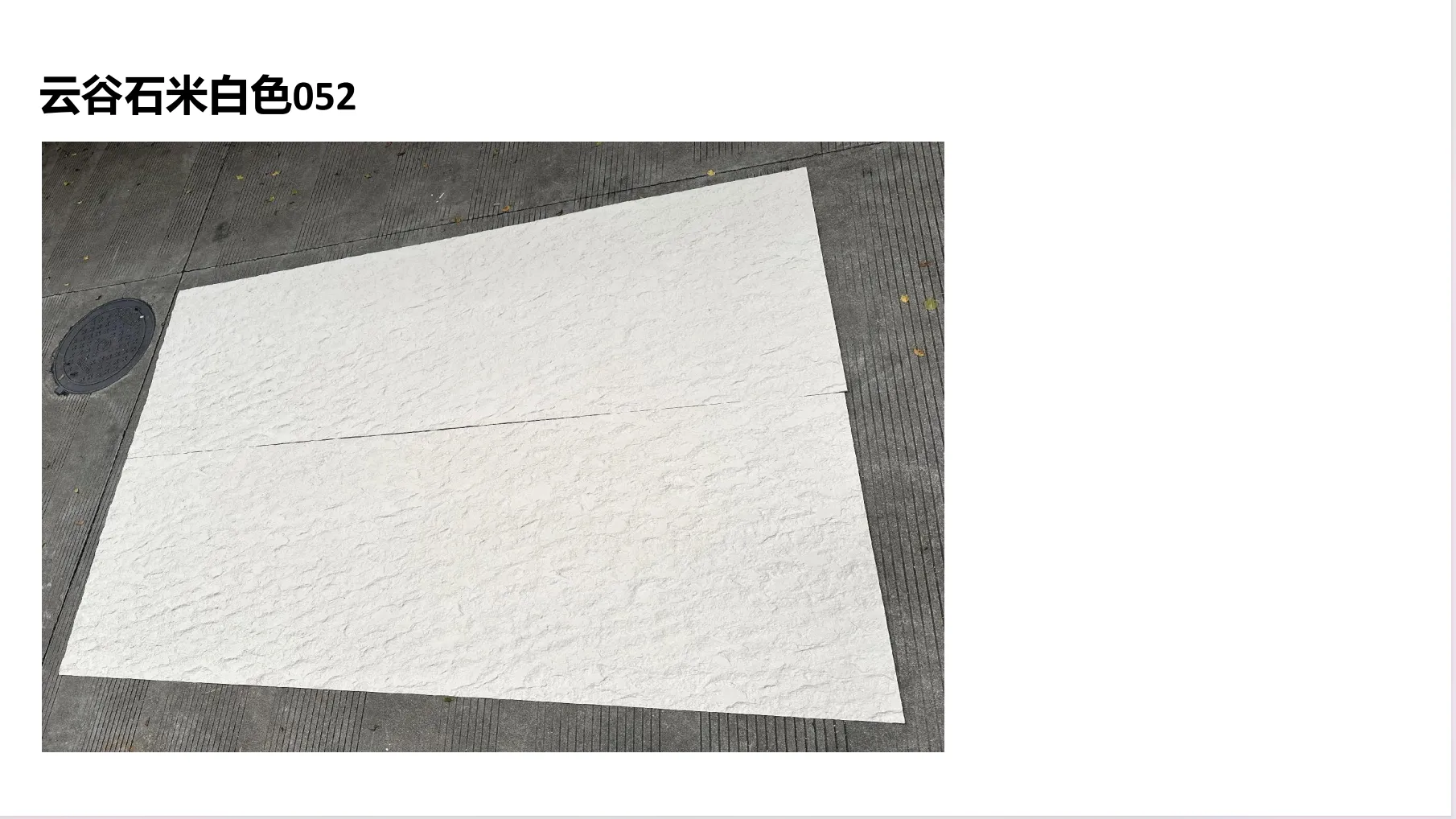
But here's where it really shines: aesthetics. Cloud stone isn't just "durable"—it's beautifully durable. It comes in a range of finishes that mimic everything from rough-hewn stone to polished concrete, and it can be tinted, textured, or patterned to fit almost any design vision. Want something that looks like weathered metal? Done. Craving the warmth of natural travertine without the upkeep? No problem. And because it's a composite, it's consistent—no two slabs of natural stone are alike, which can be a headache for large projects. With cloud stone, you get the same look across the entire surface, ensuring a cohesive design that feels intentional.
Let's dive deeper into what makes cloud stone a game-changer for industrial buildings. It's not just one thing—it's a combination of features that add up to a material that's as practical as it is pretty.
Industrial spaces are no strangers to punishment. Forklifts scrape walls, tools drop, machinery vibrates, and the elements—rain, snow, UV rays—beat down on exteriors. Cloud stone is built to take it. Its mineral composite layer is tough enough to resist scratches and impacts, while its foam core absorbs shock, reducing the risk of cracks. Unlike wood, it doesn't warp or rot. Unlike metal, it doesn't rust or corrode. And unlike traditional concrete, it won't develop unsightly stains from oil, grease, or chemicals. In fact, many manufacturers back cloud stone with warranties of 20 years or more—a testament to just how confident they are in its longevity.
Let's talk about upkeep. Traditional materials like concrete or brick require regular sealing, painting, or cleaning to stay looking fresh. Cloud stone? It's practically self-sufficient. A quick wipe with a damp cloth is usually all it takes to remove dirt or spills. No need for special cleaners, sealants, or expensive maintenance crews. Over time, that adds up to big savings—both in time and money. For business owners, that means more resources to invest in other parts of the space, like equipment or employee amenities.
Heavy materials like natural stone or thick concrete panels require heavy-duty installation. Cranes, specialized labor, reinforced structures—all of which add time and cost to a project. Cloud stone, on the other hand, is lightweight, which makes handling and installation a breeze. It can be cut to size on-site, attached with simple adhesives or fasteners, and installed by a small crew in a fraction of the time. This not only speeds up construction but also reduces labor costs, making it a budget-friendly option for large-scale projects.
These days, sustainability isn't just a buzzword—it's a priority. Cloud stone checks that box, too. Many manufacturers use recycled materials in its production, from post-consumer plastic to industrial waste, reducing its environmental footprint. It's also energy-efficient: its foam core provides insulation, helping to regulate temperature in industrial spaces and lower heating and cooling costs. And because it lasts so long, it reduces the need for frequent replacements, which means less waste over time. For companies looking to reduce their carbon footprint, cloud stone is a material that aligns with green building goals without sacrificing performance.
Here's where cloud stone really gets fun: design. Industrial spaces are no longer confined to "gray and utilitarian." Today, they're spaces where creativity thrives, and the materials should reflect that. Cloud stone offers a level of design flexibility that traditional materials can't match. Let's say you're designing a tech startup's manufacturing facility and want a modern, sleek look. Opt for a lunar peak silvery finish—cool, metallic, and futuristic, it adds a touch of innovation to the space. If you're going for a warmer, more organic vibe (think a brewery or art studio), a travertine (beige) texture could be perfect, mimicking the warmth of natural stone without the maintenance. And if you want to make a bold statement? Try a foamed aluminium alloy board (vintage silver) accent wall—shiny, reflective, and totally on-trend, it adds a pop of industrial chic that elevates the entire space.
Cloud stone can also be cut into custom shapes, used for accent walls, or even curved to create dynamic, flowing surfaces. The possibilities are nearly endless, which means your industrial space doesn't have to feel like a box—it can feel like a reflection of your brand, your values, and your vision.
Curious how cloud stone measures up against other popular industrial materials? Let's break it down. Below is a comparison of cloud stone with three common alternatives: fair-faced concrete, foamed aluminium alloy board (vintage silver), and traditional natural travertine. We'll look at durability, cost, aesthetics, installation, and maintenance to help you see why cloud stone is often the smart choice.
| Material | Durability | Initial Cost | Long-Term Maintenance Cost | Aesthetic Versatility | Installation Ease | Sustainability |
|---|---|---|---|---|---|---|
| Cloud Stone | High (resistant to scratches, moisture, chemicals; 20+ year lifespan) | Moderate (higher than concrete, lower than natural stone) | Low (minimal cleaning, no sealing required) | Excellent (custom colors, textures, finishes like lunar peak silvery) | Easy (lightweight, cuts on-site, simple fastening) | High (often uses recycled materials; energy-efficient production) |
| Fair-Faced Concrete | Moderate (prone to cracking, staining; 15-20 year lifespan) | Low (inexpensive raw materials) | High (regular sealing, pressure washing, repair of cracks) | Limited (mostly gray; can be stamped but lacks texture variety) | Challenging (heavy, requires formwork; slow curing time) | Moderate (high embodied carbon in production) |
| Foamed Aluminium Alloy Board (Vintage Silver) | High (resistant to corrosion, lightweight but strong; 25+ year lifespan) | High (premium material cost) | Moderate (may need polishing to maintain shine; dents can be an issue) | Good (metallic finishes, modern look; limited texture options) | Moderate (lightweight but requires specialized fasteners) | High (recyclable; energy-efficient production) |
| Natural Travertine | Low-Moderate (porous, stains easily; 10-15 year lifespan with heavy use) | Very High (expensive raw material; shipping costs add up) | Very High (regular sealing, professional cleaning; prone to etching) | Excellent (natural variation, warm textures) | Challenging (heavy, requires skilled installers; inconsistent sizing) | Low (quarrying has high environmental impact; limited supply) |
As you can see, cloud stone hits a sweet spot: it's more durable and versatile than concrete, more affordable and lower-maintenance than natural travertine, and offers better design flexibility than foamed aluminium. It's not the cheapest option upfront, but when you factor in long-term maintenance costs and its 20+ year lifespan, it often ends up being the most cost-effective choice. Plus, its sustainability credentials and design adaptability make it a material that grows with your space—whether you're updating your brand or repurposing the building down the line.
One of the best things about cloud stone is how it plays with different design aesthetics. Industrial spaces come in all flavors—rustic, modern, minimalist, industrial-chic—and cloud stone can adapt to each. Let's explore some of the most popular finishes and how they can transform a space.
If you're after a modern, futuristic look, the lunar peak series is hard to beat. Available in silvery, golden, and black, these finishes mimic the look of polished metal but with the durability of cloud stone. Lunar peak silvery is a customer favorite—it has a soft, almost iridescent sheen that catches the light, adding depth to large walls without feeling overwhelming. Imagine a robotics factory with a lunar peak silvery facade: it looks sleek and high-tech, signaling innovation and precision. Lunar peak golden is warmer, perfect for spaces that want to balance industrial edge with a touch of luxury—think a high-end brewery or a boutique chocolate factory. And lunar peak black ? It's bold, dramatic, and ideal for creating contrast. Pair it with white accents and large windows, and you've got a space that feels both modern and timeless.
For a finish that's equal parts retro and contemporary, foamed aluminium alloy board (vintage silver) is a standout. It has the weathered, slightly distressed look of old metal, but without the rust or corrosion. It's lightweight, easy to install, and adds instant character to any space. Use it as an accent wall in a co-working space to evoke a "loft in the city" vibe, or clothe an entire facade to give a warehouse conversion that "industrial chic" feel. And if silver isn't your thing, there's vintage gold and gold options, too—each adding a different level of warmth and personality. The great thing about foamed aluminium is that it pairs well with other materials: mix it with wood accents for a cozy-industrial look, or with concrete floors for a raw, utilitarian feel.
Many industrial spaces are embracing biophilic design—bringing elements of nature indoors to boost wellbeing and creativity. Cloud stone makes this easy with finishes that mimic natural materials. Travertine (beige) is a classic, with its soft, porous texture and warm, earthy tone. It's perfect for spaces that want to feel grounded, like a yoga studio housed in a former factory or a café in a renovated warehouse. Limestone (beige) is another option, with a smoother, more uniform look that adds subtle elegance without feeling fussy. And for something a little more dramatic, slate portoro offers deep, rich blacks and grays with subtle veining, mimicking the look of natural slate but without the weight or maintenance.
Not every industrial space wants to be sleek and shiny. Some crave that "lived-in" feel—the kind that says, "This space has history." Cloud stone delivers here, too, with finishes like rust square line stone and historical pathfinders stone . Rust square line stone has a rough, textured surface with visible "lines" that mimic the look of hand-chiseled stone, adding depth and character. It's great for spaces that want to evoke a sense of craftsmanship, like a woodworking shop or a pottery studio. Historical pathfinders stone takes it a step further, with a weathered, almost archaeological look that feels like it's been around for centuries. Use it in a museum or heritage site conversion to blend the old with the new, creating a space that honors the past while embracing the future.
For those who prefer a clean, understated look, cloud stone offers plenty of minimalist options. Fair-faced concrete is a classic, but cloud stone's version is smoother, more consistent, and easier to maintain. It has that raw, industrial feel without the cracks and stains. Concrete board (light grey) is another option—neutral, versatile, and perfect for spaces that let the architecture and furniture take center stage. And if you want to go even more understated, slate veil white offers a soft, almost ethereal look, with subtle veining that adds interest without overwhelming. It's ideal for galleries, tech offices, or any space that values simplicity and calm.
Cloud stone isn't just a theoretical solution—it's a material that's already transforming industrial spaces around the world. Let's take a look at some real-world applications to see how it's being used and why designers and builders can't get enough.
One of the most common uses for cloud stone is in warehouse conversions. Old warehouses are being turned into apartments, offices, and retail spaces, but their large, open interiors need surfaces that can handle both residential comfort and industrial durability. Take, for example, a 100-year-old textile warehouse in Chicago that was converted into luxury lofts. The designers chose cloud stone in a travertine (beige) finish for the exterior facade, blending the building's historical character with a fresh, modern look. Inside, they used lunar peak silvery for accent walls in the common areas, adding a touch of modernity that appeals to young professionals. The result? A space that feels both old and new, with surfaces that can withstand the foot traffic of residents and guests alike.
Manufacturing plants might not seem like the place for "pretty" surfaces, but today's factories are prioritizing employee wellbeing—and that includes aesthetics. A car parts manufacturer in Detroit recently renovated its facility, swapping drab concrete walls for cloud stone in a rough granite stone (medium grey) finish. The texture adds visual interest, making the space feel less sterile, while the durability ensures it can handle the daily wear and tear of forklifts and machinery. Employees report feeling more motivated in the updated space, and the company has even noticed a drop in absenteeism. Who knew a wall surface could do all that?
Art thrives in industrial spaces—there's something about the raw, open canvas that inspires creativity. Cloud stone has become a favorite among gallery owners and artists, thanks to its ability to complement art without competing with it. A contemporary art gallery in Brooklyn used cloud stone in a marble veil white finish for its main exhibition walls. The soft, neutral tone makes the art pop, while the smooth surface is easy to clean (important when you're hanging and rehanging pieces). In the sculpture garden, they opted for boulder slab (vintage black) —a rough, textured finish that mimics natural stone, creating a striking contrast with the modern sculptures on display.
Tech companies are all about innovation, and their spaces should reflect that. Cloud stone's modern finishes are a natural fit. A Silicon Valley startup recently moved into a converted warehouse and chose foamed aluminium alloy board (vintage silver) for its office walls. The vintage metallic look adds a touch of personality, while the material's lightweight nature made it easy to install around the company's custom tech setups. In the breakout areas, they went with lunar peak silvery and wood grain board accents, creating a space that feels both high-tech and cozy—perfect for brainstorming sessions and team collaboration.
So, you're sold on cloud stone—now what? Let's talk about the practical side: installation and maintenance. The good news is, cloud stone is designed to be user-friendly, whether you're building a new industrial space or renovating an old one.
One of the biggest perks of cloud stone is how easy it is to install. Unlike natural stone or concrete, which require heavy machinery and specialized labor, cloud stone panels are lightweight (usually around 4-6 pounds per square foot) and can be handled by a small crew. They come in large sheets (up to 4x8 feet), which means fewer seams and faster installation. Most panels can be cut on-site with standard tools (a circular saw or jigsaw with a diamond blade works best), making it easy to fit around windows, doors, or custom architectural features.
Installation methods vary depending on the application. For interior walls, panels can be glued directly to drywall or concrete using a construction adhesive. For exteriors, they're typically fastened with screws or clips to a metal frame, ensuring they're secure even in high winds. And because they're lightweight, there's no need for extra structural support—great for older buildings where weight is a concern. Most projects can be completed in a fraction of the time it would take to install traditional materials, which means less downtime for your business and faster occupancy.
Cloud stone isn't just easy to install—it's also easy to keep looking great. Unlike natural stone, which needs regular sealing, or concrete, which stains easily, cloud stone requires minimal maintenance. Here's what you need to know:
That's it. No sealing, no painting, no expensive professional cleanings. Just basic care that any maintenance crew can handle. Over time, this translates to significant cost savings—money that can be invested back into your business or your space.
As industrial design continues to evolve, so too will the materials we use to build these spaces. Cloud stone is at the forefront of this evolution, and the future looks bright. Here are a few trends we're seeing that will shape how cloud stone is used in the years to come.
The push for sustainable building materials isn't slowing down—and cloud stone is poised to lead the charge. Manufacturers are already experimenting with even more recycled content in cloud stone panels, from post-consumer plastic to industrial byproducts. We're also seeing advances in production methods that reduce energy use and carbon emissions. In the next decade, we can expect cloud stone to become even more eco-friendly, with certifications like LEED and BREEAM becoming standard. For businesses looking to meet strict sustainability goals, cloud stone will be the go-to choice.
Imagine a cloud stone panel that does more than just look good. What if it could regulate temperature, absorb sound, or even generate energy? That's not as far-fetched as it sounds. Researchers are exploring ways to integrate smart technology into composite materials like cloud stone. Think panels with built-in insulation to reduce heating costs, or surfaces that absorb noise in busy industrial spaces. There's even talk of adding solar cells to cloud stone facades, turning buildings into mini power plants. The future of industrial surfaces isn't just durable and beautiful—it's intelligent, too.
Thanks to advances in digital printing and manufacturing, customization is becoming more accessible than ever. In the past, custom finishes or patterns were expensive and time-consuming. Now, with cloud stone, you can upload a design, and manufacturers can print it directly onto the panel. Want a wall that looks like a forest scene? Or a facade that features your company logo? It's possible. This level of personalization will allow businesses to create truly unique spaces that stand out and reflect their brand identity.
As we spend more time indoors, the connection to nature becomes increasingly important. Biophilic design—incorporating natural elements into built environments—is a trend that's here to stay. Cloud stone will play a key role, with finishes that mimic natural materials like wood, stone, and even water. We'll see more textures inspired by the outdoors, from stream limestone (claybank) that looks like flowing water to pine bark board that evokes the forest floor. These finishes won't just look good—they'll help create spaces that feel calming, restorative, and connected to the natural world.
Industrial buildings have come a long way from the utilitarian structures of the past. Today, they're dynamic, multifunctional spaces that blend work and creativity, function and beauty. And at the heart of this transformation is the materials we choose to build them with. Cloud stone isn't just another building material—it's a bridge between the industrial past and the design-forward future. It's tough enough to handle the rigors of a factory floor, beautiful enough to grace the walls of an art gallery, and sustainable enough to align with the green goals of tomorrow.
Whether you're designing a new warehouse, converting an old factory into offices, or simply updating your space to better reflect your brand, cloud stone offers a solution that checks all the boxes: durability, low maintenance, sustainability, and endless design possibilities. From the sleek metallic sheen of lunar peak silvery to the weathered charm of foamed aluminium alloy board (vintage silver) , there's a finish for every vision and every vibe.
So, here's to the future of industrial design—a future where our spaces work hard, look good, and make us feel proud to be in them. And here's to cloud stone, the material that's making that future possible, one durable, beautiful surface at a time.
Recommend Products












