

Walk into a traditional factory, and what do you see? Chances are, it's a sea of cold steel, stark concrete, and harsh lighting—spaces designed purely for function, with little thought for how they make people feel. But in recent years, something's shifted. As industrial spaces evolve from mere production hubs to centers of innovation, collaboration, and even brand identity, the demand for warmth and humanity in their design has skyrocketed. Enter materials like Red Travertine MCM: a game-changer that's turning sterile warehouses into spaces that feel alive, inviting, and yes—warm.
For decades, industrial design prioritized durability and cost-efficiency over comfort. Factories, warehouses, and manufacturing plants were built to withstand heavy machinery, constant foot traffic, and the wear and tear of daily operations. The result? Environments that felt more like machines than places where humans spend eight or more hours a day. Think about it: cold concrete floors that echo with every step, gray steel walls that absorb light, and a general lack of texture or color. It's no wonder studies show these spaces can dampen morale, creativity, and even productivity. Workers aren't just cogs in a wheel—they're people, and people thrive in spaces that feel intentional, cared for, and connected to something real.
This shift toward "human-centric industrial design" isn't just a trend; it's a response to a changing workforce. Today's employees, especially younger generations, value workplaces that reflect their values—authenticity, sustainability, and a sense of purpose. And for businesses, it's a competitive edge. A well-designed factory isn't just nicer to look at; it's a statement about a brand's commitment to its people and its future. So, how do we bridge the gap between functionality and warmth? The answer lies in materials that don't just stand up to industrial demands but also tell a story.
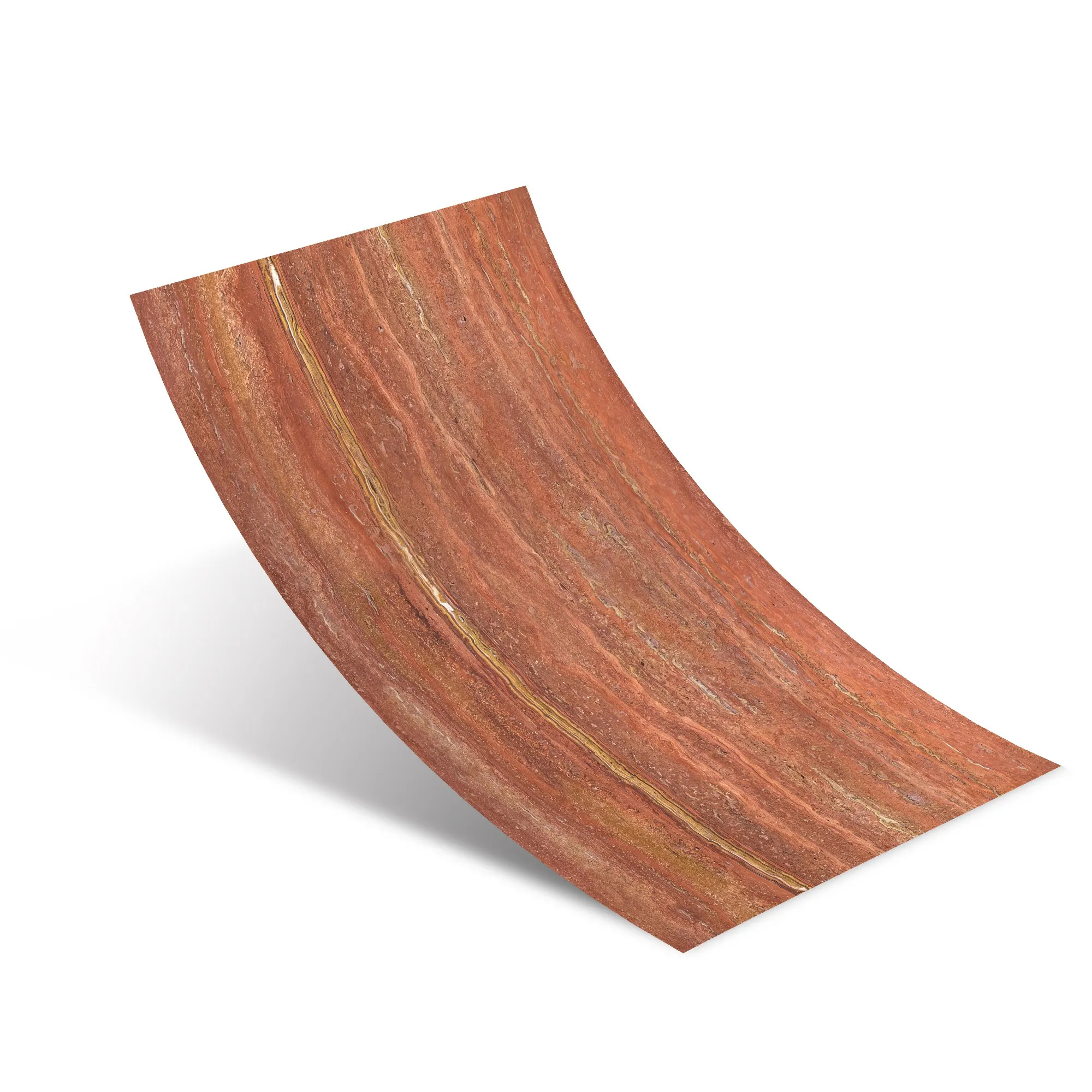
If you've ever run your hand over a piece of natural travertine, you know its magic: the soft, porous texture, the earthy tones, the way light plays in its unique veining. Now imagine that same warmth, but reimagined for the rigors of industrial use. That's Red Travertine MCM. MCM, or Modified Composite Material, takes the best of natural stone—its beauty, texture, and organic feel—and enhances it with modern engineering. It's lighter than traditional stone, flexible enough to wrap around curves or cover large surfaces, and durable enough to handle heavy traffic, moisture, and even chemical exposure. And in its red travertine variant? It's a knockout.
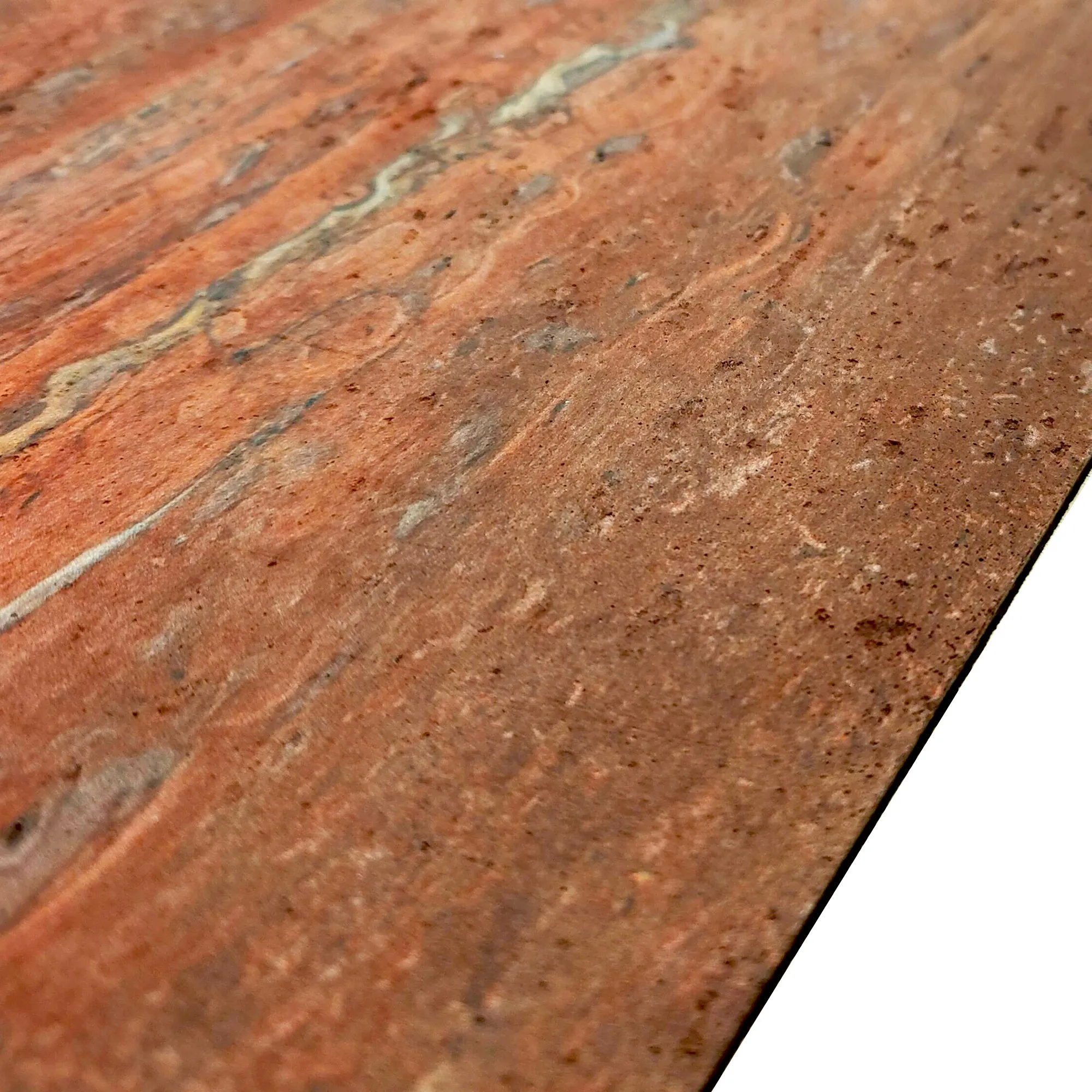
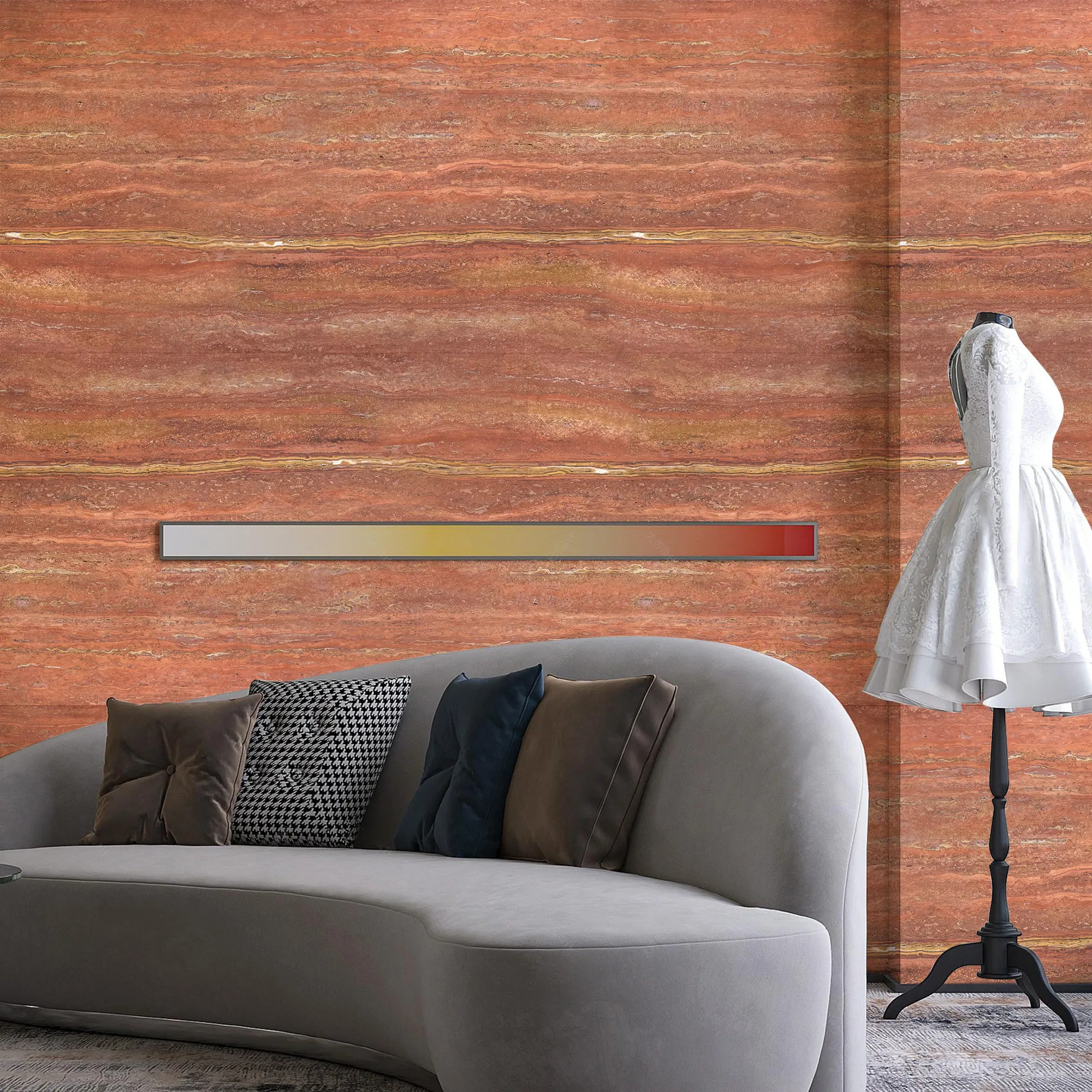
Red Travertine MCM isn't just a color choice; it's an emotional one. The rich, terracotta hues—ranging from soft brick red to deeper rust tones—evoke warmth, energy, and a connection to the earth. Unlike flat, artificial reds, its natural veining (think soft whites, beiges, and even hints of gold) adds depth, making walls feel less like barriers and more like living surfaces. Picture a factory break room with Red Travertine MCM accent walls: suddenly, the space feels less like a "break" from work and more like a retreat. The texture invites touch, the color stimulates conversation, and the overall effect is a space that feels intentional, not afterthought.
But what really sets Red Travertine MCM apart is its versatility. In industrial settings, it can be used in everything from feature walls and reception areas to corridor cladding and even workstation dividers. It pairs surprisingly well with other industrial staples—think sleek metal beams or matte black fixtures—softening their edges without losing that "industrial edge." And because it's MCM, it's easy to install and maintain, which matters in spaces where downtime is costly. No more worrying about cracks, stains, or fading; this is a material that looks good and works hard, just like the people who use the space.
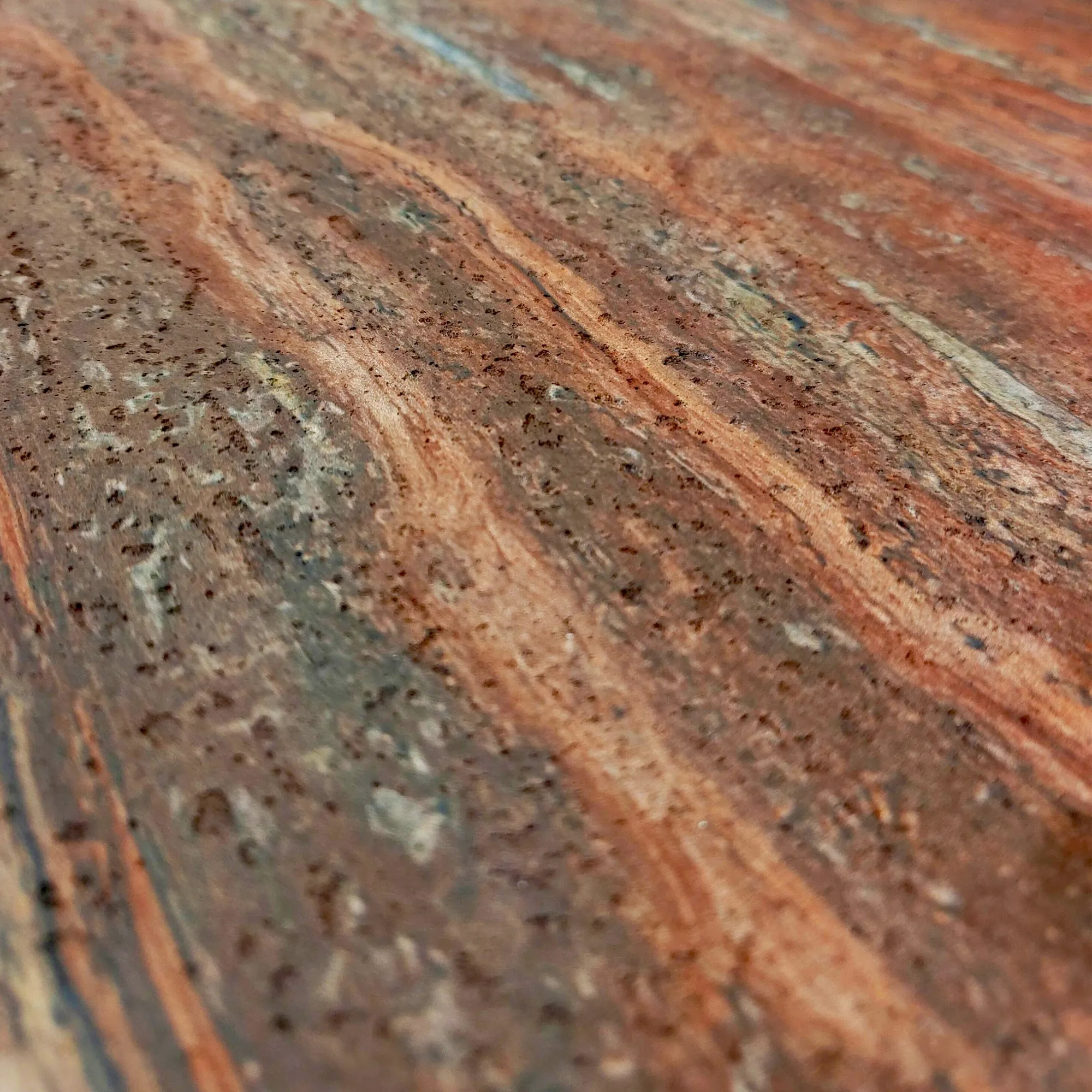
Red Travertine MCM is a star, but it rarely shines alone. The best industrial makeovers blend materials to create layers of texture, color, and function. Let's explore a few that pair beautifully with Red Travertine, turning factories into cohesive, inviting spaces.
If Red Travertine MCM is the heart of the design, MCM flexible stone is its versatile sidekick. As the name suggests, this material bends and conforms to surfaces traditional stone can't—think curved walls, custom fixtures, or even ceiling panels. What's most exciting is its ability to mimic the look of natural stone (marble, slate, sandstone) while being lightweight and easy to install. In an industrial space, MCM flexible stone can be used to add subtle texture alongside Red Travertine—maybe a soft beige sandstone accent wall in a meeting room, or a slate-gray backsplash in a staff kitchen. It's a reminder that warmth doesn't have to mean bold color; sometimes, it's in the quiet, organic patterns that make a space feel grounded.
You might be thinking, "Concrete? That sounds cold!" But hear us out: fair-faced concrete—unfinished, with its natural gray tones and subtle texture—can be surprisingly warm when paired with Red Travertine. Its raw, honest look complements the organic veining of the travertine, creating a balance between industrial edge and earthy warmth. Imagine a factory floor where Red Travertine MCM clads the lower half of the walls, transitioning into fair-faced concrete above. The contrast is striking: the red adds energy, while the concrete adds calm. It's a design trick that works in high-traffic areas, too—concrete's durability stands up to scuffs, while the travertine adds a touch of luxury without feeling out of place.
For brands leaning into sustainability or a "back-to-basics" aesthetic, rammed earth board is a dream. Made from compressed earth, clay, and natural binders, it has a rough, tactile surface that feels like a piece of the earth itself. In warm tones like matcha green, khaki, or soft beige, it pairs beautifully with Red Travertine MCM, creating a palette that feels rooted in nature. Use it for accent walls in brainstorming areas or as a backdrop for brand logos—its texture adds depth, while its neutral tones let the red travertine pop. It's also surprisingly durable, making it ideal for industrial spaces that need to balance beauty with brawn.
Nothing says "warmth" like wood, but traditional hardwood isn't always feasible in industrial settings (think moisture, heavy machinery, and cost). Enter wood grain board: a composite material that mimics the look and feel of real wood—from oak and pine to teak—without the maintenance headaches. Whether used for flooring, ceiling panels, or workstation dividers, wood grain board adds a cozy, residential touch to industrial spaces. Paired with Red Travertine MCM, it's a match made in design heaven. Imagine a factory break room with wood grain board ceilings, Red Travertine MCM walls, and fair-faced concrete floors—it's like bringing the outdoors in, turning a utilitarian space into a place where workers actually want to linger, chat, and recharge.
To see how these materials complement each other, let's break down their key features, aesthetic roles, and best uses in industrial spaces:
| Material | Key Features | Aesthetic Role | Best For |
|---|---|---|---|
| Red Travertine MCM | Durable, lightweight, flexible; rich red tones with natural veining | Adds warmth, energy, and focal points; anchors the color palette | Feature walls, reception areas, corridor cladding |
| MCM Flexible Stone | Bendable, mimics natural stone (sandstone, slate); low maintenance | Adds subtle texture; complements bold colors with neutral tones | Curved surfaces, backsplashes, accent walls |
| Fair-Faced Concrete | Raw, unfinished look; durable, heat-resistant | Creates contrast with warm materials; adds industrial edge | Upper walls, large open spaces, high-traffic zones |
| Rammed Earth Board | Tactile, earthy texture; sustainable, moisture-resistant | Enhances natural, organic feel; softens bold colors | Brainstorming areas, brand backdrops, accent walls |
| Wood Grain Board | Mimics real wood; water-resistant, scratch-proof | Adds residential warmth; creates cozy, inviting zones | Break rooms, ceilings, workstation dividers |
When a mid-sized manufacturing company in the Midwest decided to renovate its 40-year-old factory, the goal was clear: transform a space that felt "like working in a refrigerator" (as one employee put it) into a hub that would attract top talent and boost team morale. The original space had gray concrete walls, fluorescent lighting, and zero design personality. The budget was tight, and the renovation needed to happen without halting production.
The Solution: A Palette of Warmth
The design team centered the makeover around Red Travertine MCM, using it to clad the main entrance, reception area, and the walls of the 20,000-square-foot assembly floor. To balance the bold red, they added MCM flexible stone in a soft sandstone hue on the upper walls, creating a "ground to sky" gradient effect. Fair-faced concrete was used for the ceiling beams, adding industrial grit, while wood grain board lined the break room and meeting spaces, turning them into "cozy corners" where employees could relax. Rammed earth board in matcha green was installed behind the company's logo in the lobby, tying the design to their sustainability values.
The Result: More Than Just a Pretty Space
Six months after the renovation, the results spoke for themselves. Employee surveys showed a 32% increase in reported job satisfaction, and the HR team noted a 25% uptick in applications from qualified candidates. "It sounds silly, but walking into work now doesn't feel like a chore," one machinist told the design team. "The red walls in the assembly area—they make me feel awake, like we're part of something vibrant." Even clients noticed: the reception area, once an afterthought, became a talking point, with visitors commenting on how the space "felt like a creative studio, not a factory."
At the end of the day, materials like Red Travertine MCM aren't just about aesthetics—they're about emotion. Think about how you feel when you walk into a space with natural light, warm colors, and interesting textures. You relax. You feel more present. You're more likely to strike up a conversation with a coworker or stay late to finish a project. In industrial settings, this emotional connection translates to tangible results: lower turnover, higher engagement, and a stronger sense of team unity.
Designers are catching on, too. The latest trend in industrial architecture is "biophilic design"—the idea that connecting people to nature (through materials, light, or plants) improves well-being. Red Travertine MCM fits perfectly here: its natural veining and earthy color are subtle nods to the outdoors, even in the heart of a factory. When paired with other nature-inspired materials like rammed earth board or wood grain board, it creates a space that feels less like a man-made structure and more like an extension of the world outside.
As we look ahead, the line between "industrial" and "commercial" design will continue to blur. Factories won't just be places to make things—they'll be brand experiences, community hubs, and showcases of innovation. And materials like Red Travertine MCM will be at the forefront of this shift, proving that durability and warmth don't have to be mutually exclusive. They'll be joined by other MCM products, flexible stones, and sustainable materials that prioritize both function and feeling.
So, the next time you walk into an industrial space, take a moment to notice the walls, the floors, the textures. Are they cold and sterile, or do they feel alive with warmth? The answer might just tell you everything you need to know about the people who work there—and the future of the business itself. After all, in a world that's more connected than ever, the spaces we build should reflect the humanity of the people in them. And with Red Travertine MCM leading the way, that future is looking a little warmer, one factory wall at a time.
Recommend Products











