
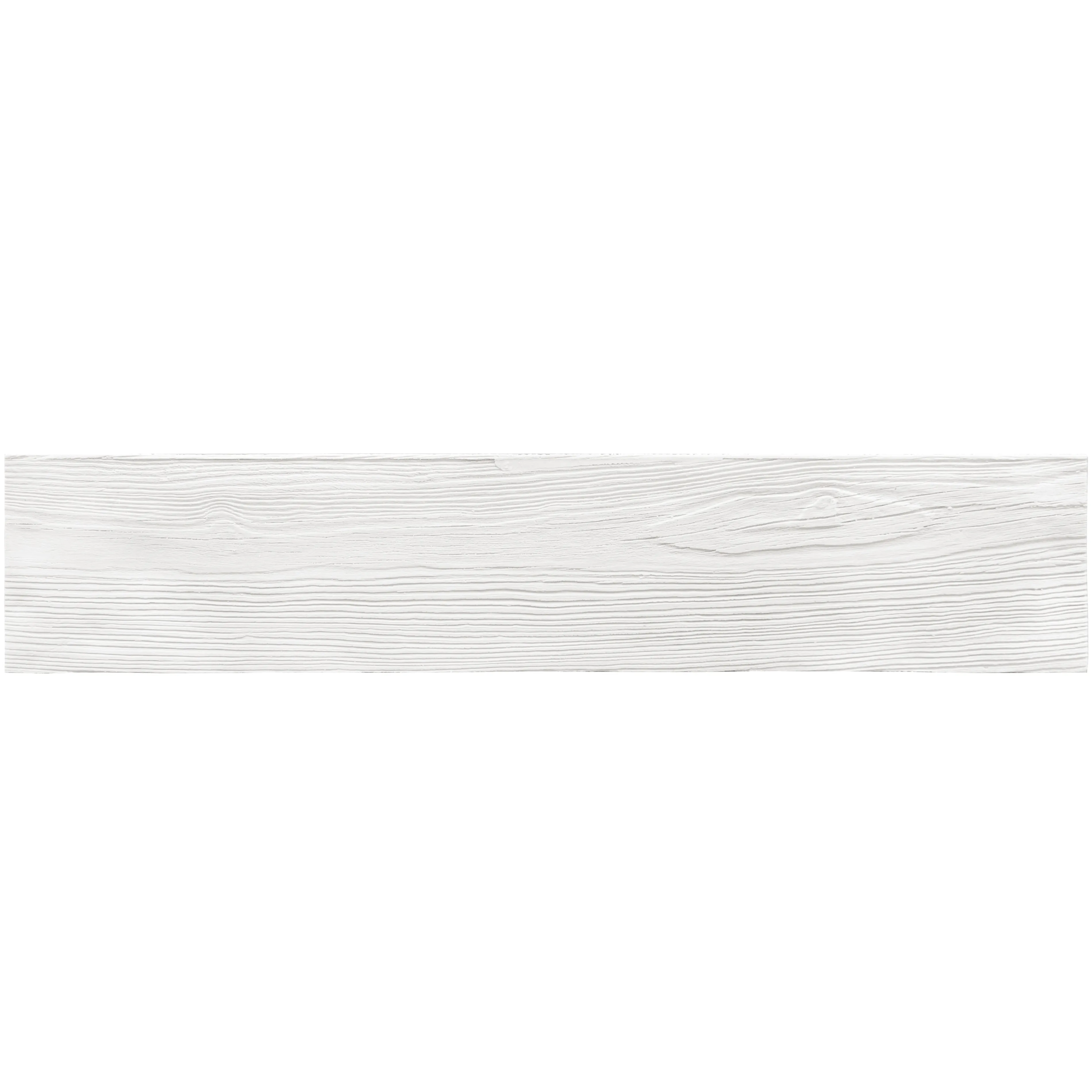
Blending raw textures, modern innovation, and timeless warmth—one panel at a time
Industrial style has a way of feeling both timeless and fresh, like a well-loved leather jacket paired with a crisp white tee. It's that perfect blend of rustic charm and modern edge, where exposed bricks, metal accents, and raw materials take center stage. But here's the thing: nailing that balance between rugged and refined can be tricky. Too much concrete, and it feels cold; too many warm woods, and you lose that industrial edge. That's where materials like MCM (Modified Composite Material) come in—specifically, White Wood MCM accents. They're the secret sauce that ties the whole look together, adding warmth without sacrificing that signature industrial grit.
If you're not familiar with MCM, think of it as the design world's Swiss Army knife. Short for Modified Composite Material, it's a game-changing innovation that mimics the look and feel of natural materials—wood, stone, concrete—without the heft, cost, or maintenance headaches. MCM panels are lightweight, flexible, and incredibly versatile, making them ideal for everything from accent walls to countertops. And when it comes to industrial style, one MCM variant stands out: White Wood. It's exactly what it sounds like—wood-inspired panels with a soft, whitewashed finish that brings a bright, airy quality to even the most industrial spaces.
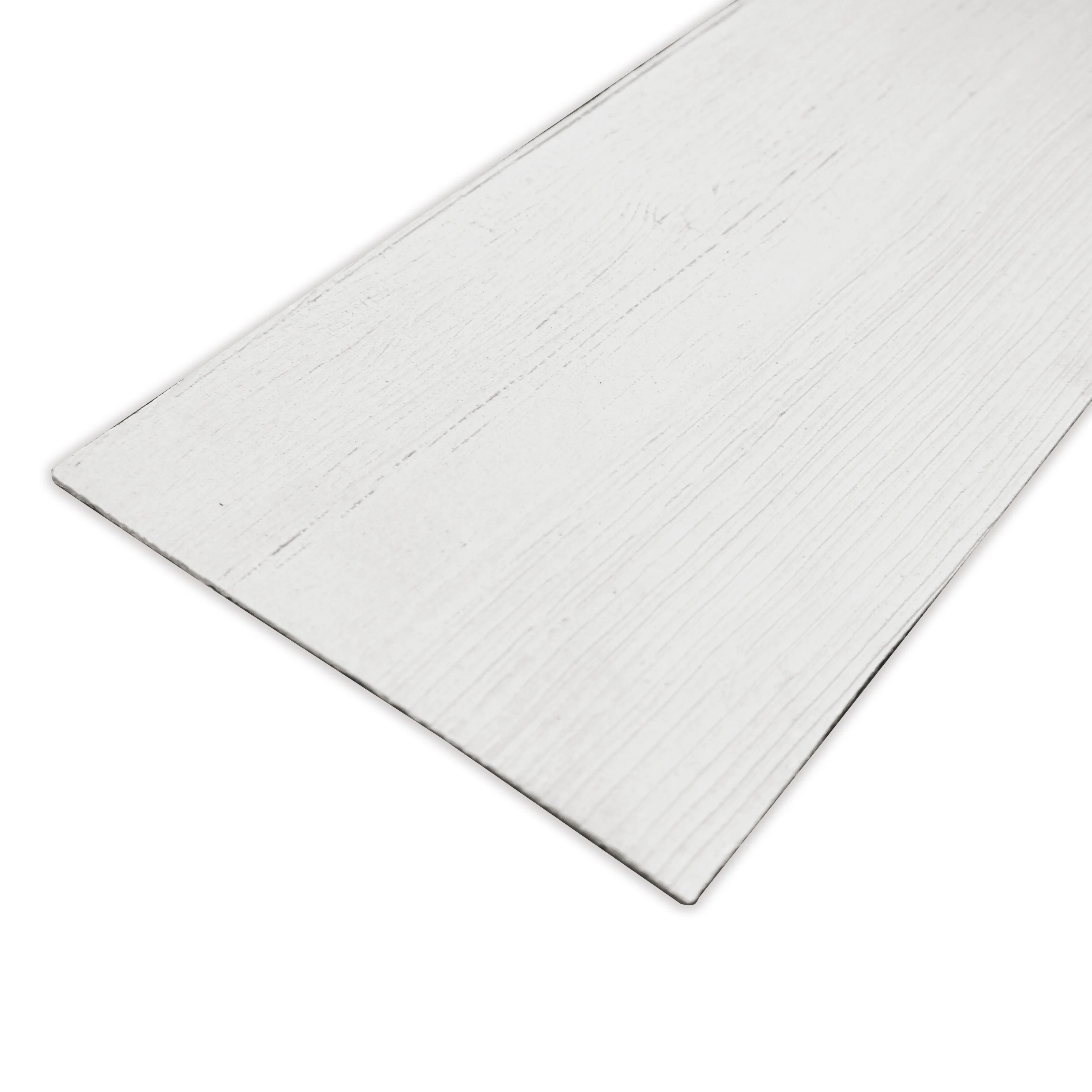
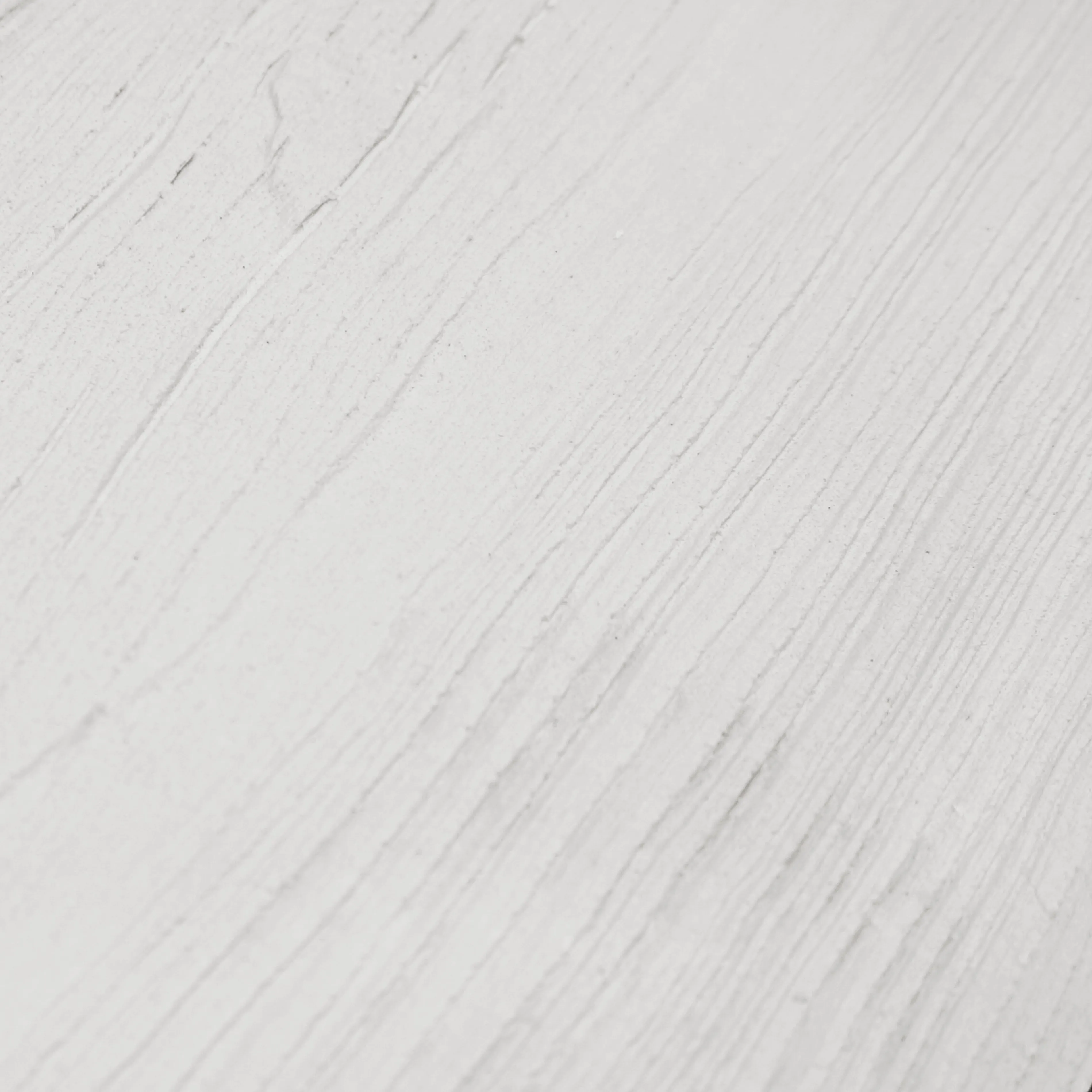
White Wood MCM isn't your average white wood, though. It's not the pale, washed-out planks you might find in a beach house. This stuff has character. The grain runs in soft, organic patterns, with subtle variations in tone that mimic the natural aging of real wood, but without the knots or splits that can weaken solid planks. Run your hand over it, and you'll feel the slight ridges of the wood grain, as if it was milled from a reclaimed barn beam, but with a clean, modern twist. It's that contrast between the 'raw' texture and the 'polished' white finish that makes it so perfect for industrial spaces. It softens hard edges without feeling fussy.
What really sets White Wood MCM apart, though, is its versatility. Unlike traditional wood paneling, which requires careful measuring, cutting, and nailing, these panels are lightweight and flexible, meaning they can be installed with basic tools—no need to hire a professional unless you want to. They adhere easily to walls, ceilings, even furniture surfaces, making them a DIYer's dream. And because they're made from composite materials, they're resistant to warping, rotting, and pests—no more worrying about termites or water damage in humid spaces like bathrooms or kitchens.
Let's talk about that white finish. White might seem risky in high-traffic areas, but White Wood MCM is surprisingly low-maintenance. It's treated with a protective coating that repels water, oil, and stains, so that coffee spill on the accent wall? Just wipe it up with a damp cloth, and it's like it never happened. No sanding, no refinishing, no stress. It's the kind of material that looks better with age, too—those subtle variations in tone deepen slightly over time, giving your space that lived-in, collected feel industrial style craves.
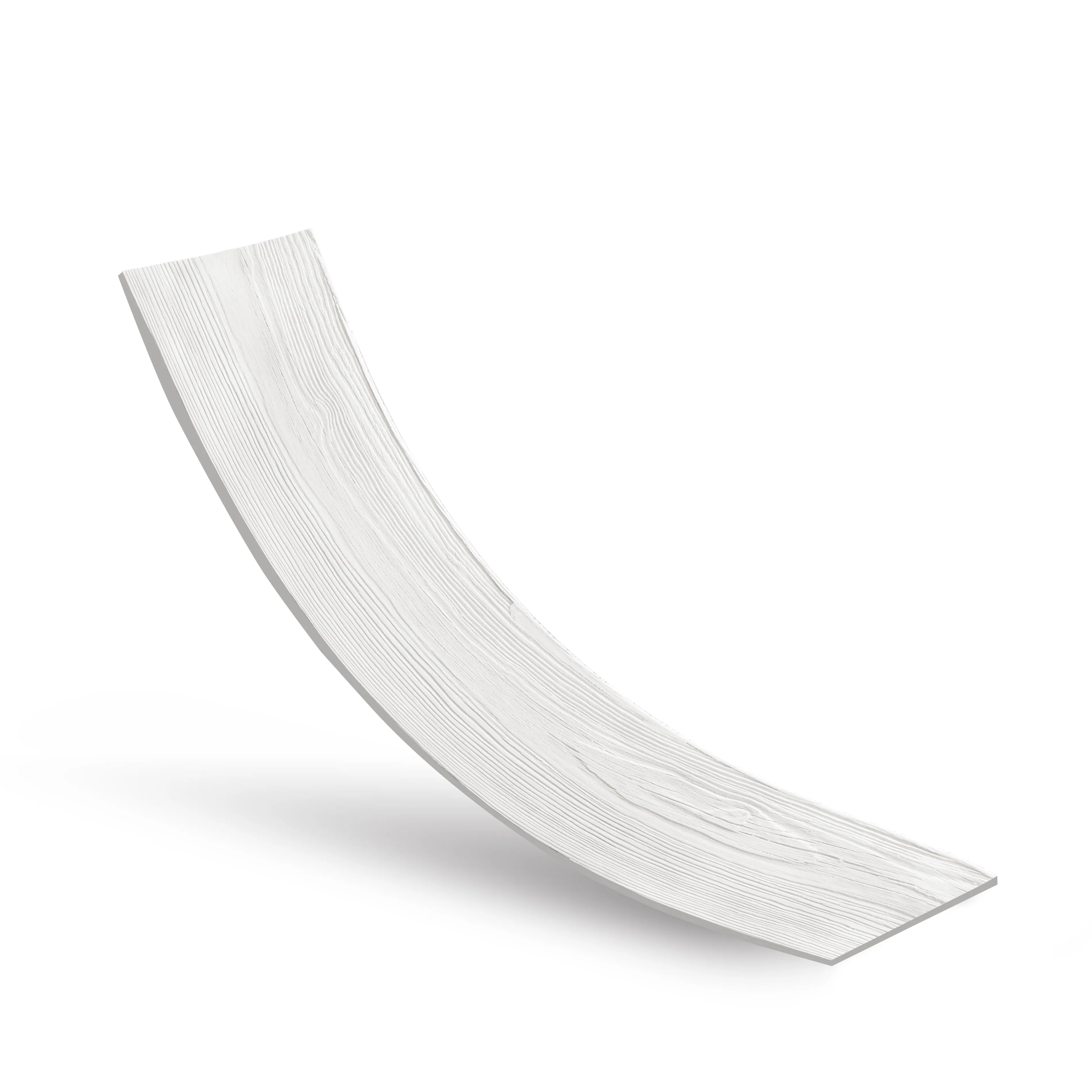
Industrial style thrives on contrast, and White Wood MCM plays well with some of the genre's most iconic materials. Let's break down a few perfect pairings that will take your space from 'meh' to 'wow.'
Fair-faced concrete is the unsung hero of industrial design. It's concrete in its most honest form—no paint, no sealant, just the natural gray tones and subtle variations that come from the pouring process. When you combine White Wood MCM panels with fair-faced concrete walls, magic happens. The white wood adds warmth to the concrete's coolness, creating a space that feels grounded yet inviting. Picture this: a living room where a White Wood MCM accent wall serves as the backdrop for a sleek concrete fireplace. The wood's soft texture softens the fireplace's hard edges, while the concrete's industrial vibe keeps the space from feeling too cozy. Add a leather sofa and metal coffee table, and you've got a room that's equal parts rugged and refined.
Travertine (beige) MCM brings a touch of earthiness to the industrial mix, and it pairs beautifully with White Wood. Travertine is known for its porous, honey-colored surface, with tiny indentations that trap light and add depth. In MCM form, it retains that natural texture but loses the weight and porosity of real travertine, making it ideal for floors, backsplashes, or shower walls. Imagine a kitchen where White Wood MCM cabinet fronts meet travertine (beige) MCM backsplash tiles. The wood's white wash brightens the space, while the travertine's warm beige tones add a sunlit, Mediterranean feel. It's industrial with a vacation twist—like bringing a piece of Tuscany into your urban loft.
For those who want to dial up the industrial drama, rust board granite MCM is a showstopper. As the name suggests, it mimics the look of granite with rich, rust-colored undertones and flecks of darker minerals, giving it that weathered, time-worn appearance. Use it as a countertop in a kitchen with White Wood MCM cabinets, and you've got a space that feels both rugged and sophisticated. The rust tones pick up the warmth of the white wood, while the granite's durability ensures it can handle the chaos of daily life—coffee spills, chopping veggies, even the occasional pot boil-over. It's the kind of material that looks better with age, developing a patina that tells the story of your home.
Ready to see how White Wood MCM can transform every corner of your home? Let's take a tour.
The living room is where you'll spend weekends lounging with a book, hosting game nights, or binge-watching your favorite show, so it needs to be both stylish and comfortable. White Wood MCM works wonders here as a feature wall behind the sofa. Instead of a plain painted wall, you've got this textured, whitewashed wood paneling that adds depth and warmth. Pair it with a fair-faced concrete coffee table—low, sleek, with visible aggregate—and suddenly, the space feels grounded. Add some metal accent pieces, like a wrought-iron floor lamp or a brass side table, and you've hit that industrial sweet spot. The White Wood keeps it from feeling like a warehouse; the concrete and metal keep it from feeling too cozy.
The kitchen is often called the soul of the home, and in an industrial-style space, it's where form and function collide. White Wood MCM works here as cabinet fronts. Traditional wood cabinets can feel heavy, but MCM panels are lightweight, so they're easier to install and won't weigh down your cabinet frames. Plus, they're moisture-resistant, which is a huge win in a room where spills and steam are par for the course. Pair those white wood cabinets with rust board granite MCM countertops, and you've got a space that feels both rugged and sophisticated. Add open shelving made from reclaimed metal brackets and travertine (beige) MCM shelves—perfect for displaying your favorite mugs or vintage cookbooks—and you've got a kitchen that's equal parts practical and Pinterest-worthy.
Bathrooms might not be the first place you think of for industrial style, but trust me—they can be stunning. The key is balancing hard materials with soft elements to avoid feeling like a utilitarian space. White Wood MCM works here as a wainscoting or accent wall around the vanity. Its water-resistant properties make it ideal for bathrooms, and the white finish brightens up the space, making it feel larger and airier. Pair it with fair-faced concrete shower walls (yes, concrete in the shower—MCM makes it possible without the weight issues!) and a travertine (beige) MCM floor. The travertine's natural texture adds grip, which is essential for wet areas, while its warm beige tones complement the white wood and cool concrete. Add some black metal fixtures—a rainfall showerhead, matte black faucets—and you've got a bathroom that feels like a luxury spa with an industrial edge.
Your bedroom should be a retreat, a place to unwind after a long day, so industrial style here needs to lean more into the 'rustic' than the 'factory.' White Wood MCM can be used as a headboard wall, creating a soft, textured backdrop for your bed. Layer in linens in neutral tones—ivory, oatmeal, light gray—and add a fair-faced concrete nightstand for that industrial touch. For a pop of color, hang a piece of abstract art with rust and beige tones that echo the rust board granite and travertine from other rooms. The result? A bedroom that feels calm, grounded, and totally unique—industrial without being intimidating.
| Material | Texture | Color Palette | Durability | Best For | Vibe |
|---|---|---|---|---|---|
| White Wood MCM | Soft wood grain with subtle ridges; smooth to the touch | Crisp white with warm undertones; slight variations in tone | Water-resistant, scratch-resistant, no warping/rotting | Accent walls, cabinets, headboards, furniture | Warm, airy, modern-rustic |
| Travertine (Beige) MCM | Porous with tiny indentations; slightly rough texture | Warm beige with honey and cream undertones | Stain-resistant, moisture-resistant, durable for high traffic | Floors, backsplashes, shower walls | Earthy, Mediterranean, timeless |
| Rust Board Granite MCM | Granular with flecks of mineral; slightly polished finish | Rust-red base with dark gray/black flecks | Heat-resistant, scratch-resistant, ideal for countertops | Countertops, fireplace surrounds, accent walls | Dramatic, rugged, industrial-chic |
| Fair-Faced Concrete MCM | Smooth with subtle aggregate texture; cool to the touch | Natural gray with light/dark variations; matte finish | Extremely durable, fire-resistant, low maintenance | Walls, floors, fireplaces, coffee tables | Cool, minimalist, industrial-raw |
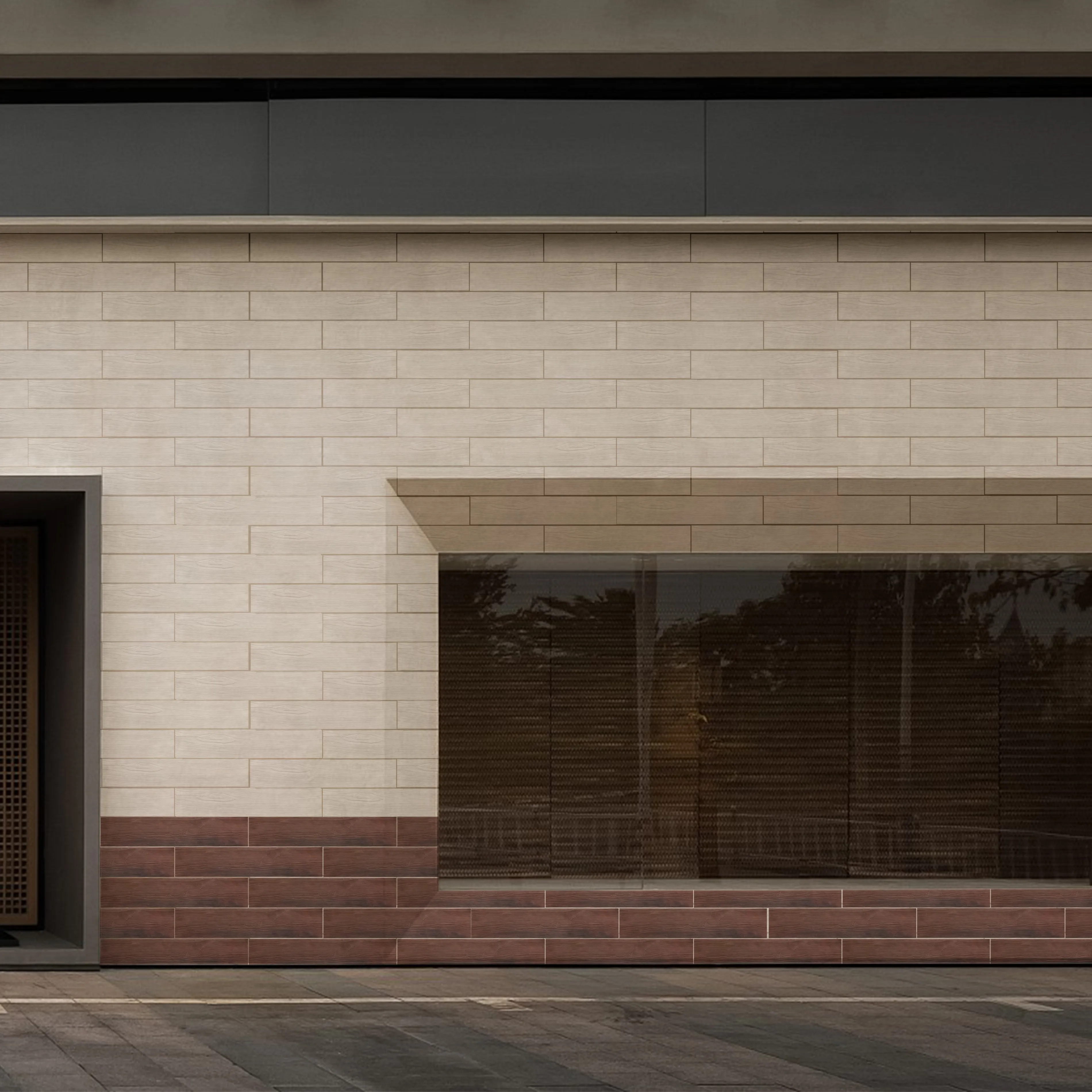
Let's not forget about sustainability—a big consideration for many homeowners these days. Traditional materials like natural stone and solid wood can have a heavy environmental footprint, from mining and logging to transportation. MCM panels, though, are a more eco-friendly alternative. They're made with recycled materials in some cases, require less energy to produce, and because they're lightweight, they reduce transportation emissions. Plus, their durability means they won't need to be replaced as often, cutting down on waste.
Many MCM manufacturers prioritize eco-friendly practices, using recycled plastics and resins in their panels, and reducing waste during production. Since MCM mimics natural materials, it also reduces the demand for mining and logging, helping to preserve forests and natural stone reserves. And because MCM panels are lightweight, they require less fuel to transport, lowering their carbon footprint from factory to your front door. It's a small choice that adds up to a big difference for the planet.
At the end of the day, industrial style is about authenticity. It's not about perfectly polished surfaces or matching furniture sets; it's about embracing imperfection, celebrating raw materials, and creating a space that feels uniquely yours. White Wood MCM accents are the key to making that happen. They add warmth without softening the edge, texture without the hassle, and style without the sticker shock. Pair them with fair-faced concrete for contrast, travertine (beige) for earthiness, or rust board granite for drama, and you've got a home that's industrial, inviting, and totally timeless.
So if you're ready to transform your space into a rustic-modern haven, look no further than White Wood MCM. It's not just a material—it's the start of a home that tells your story. A home where every texture, every color, every accent feels like it was chosen just for you. That's the power of industrial style done right, and it all starts with the perfect accent: White Wood MCM.
Recommend Products












