
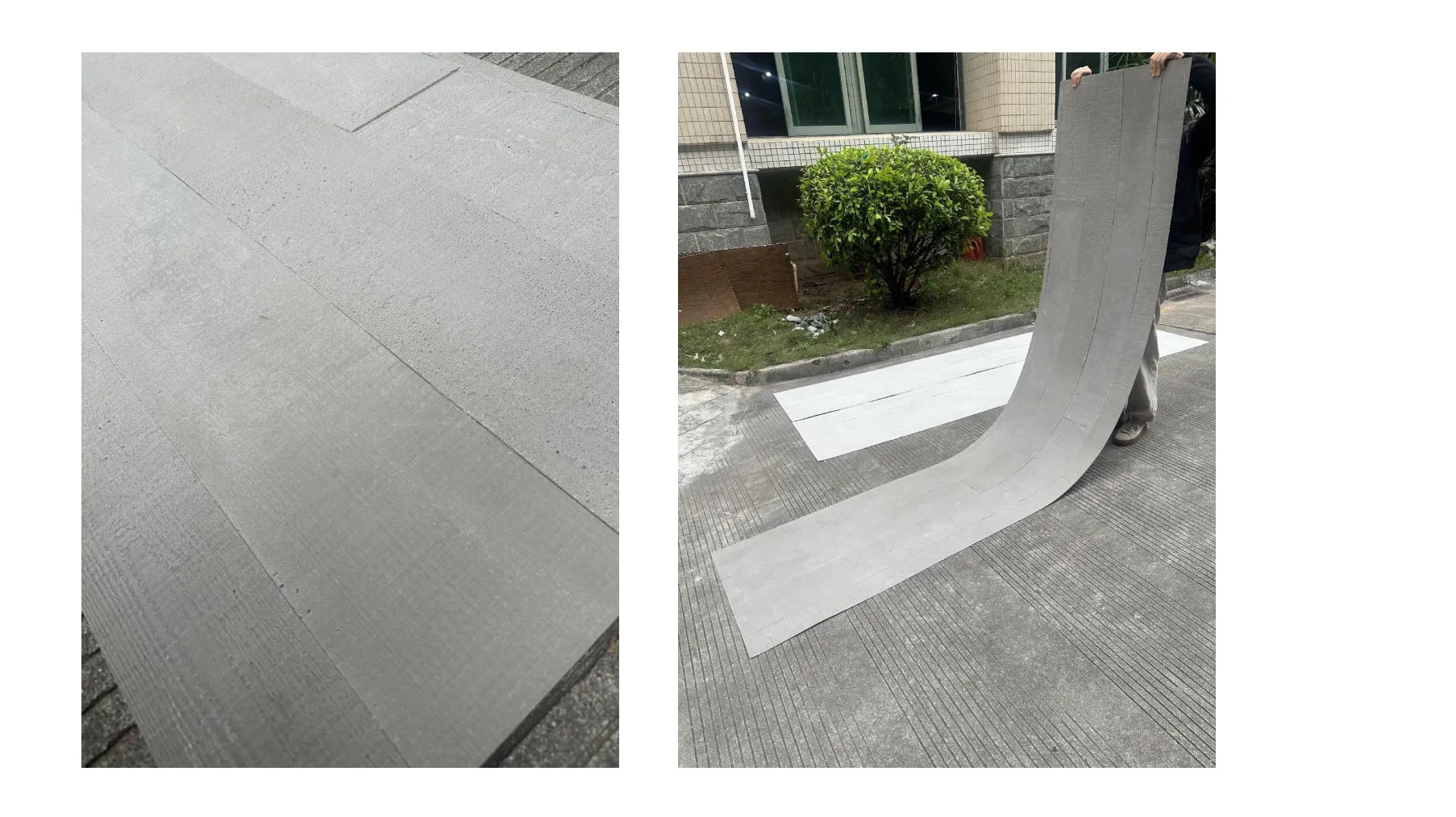
Walk into any modern industrial space today, and you'll notice something different. Gone are the days when "industrial" meant cold, sterile rooms stripped of warmth—now, it's a dance between raw ruggedness and cozy comfort. Think exposed brick walls softened by plush leather sofas, weathered metal fixtures paired with reclaimed wood tables, and concrete floors warmed by natural light. At the heart of this evolution? Materials that tell a story. And if there's one brand redefining how we build these stories, it's MCM. Their Project Series, especially the wood-cement board real photos, isn't just about products—it's about bringing industrial dreams to life with texture, durability, and a touch of soul.
Before we dive into MCM's magic, let's talk about what makes industrial interiors so beloved. It's not just a trend; it's a design philosophy rooted in authenticity. Industrial spaces celebrate the "unfinished"—the beauty of raw materials in their natural state. Think: the rough grain of wood, the subtle imperfections of concrete, the earthy heft of stone. These materials don't just fill a room; they speak . They carry the weight of history, the charm of imperfection, and the promise of longevity.
But here's the catch: today's industrial style isn't about slapping random "raw" materials together. It's about balance. You need the coolness of metal to contrast with the warmth of wood, the smoothness of concrete to offset the roughness of stone. And that's where versatility becomes key. Homeowners and designers alike crave materials that can adapt—products that look authentic but perform better than their natural counterparts. Enter MCM's Project Series.
MCM, short for Modified Composite Material, has built its name on one simple idea: create materials that mimic the look and feel of natural resources but fix their flaws. Natural wood warps; MCM's wood-based panels don't. Natural stone is heavy; MCM's stone-inspired cladding is lightweight. And when it comes to industrial style, their Project Series is a treasure trove of textures. From 3D printing series to flexible stone, each product is designed to add depth and character to spaces—without the hassle of traditional materials.
But let's zoom in on the star of the show: the wood-cement board. If you've seen MCM's wood-cement board real photos, you'll know what we're talking about. These boards are a love letter to industrial warmth. They blend the best of both worlds: the organic, grainy texture of real wood and the sturdiness of cement. Run your hand over one, and you'll feel the subtle ridges of wood grain, the slight coolness of cement—like touching a piece of history that's been reimagined for modern living.
Let's paint a picture (since we can't show you the real photos). Imagine an accent wall in a downtown loft. The wall isn't flat or uniform—it has depth. Up close, you see swirls of light and dark, like the rings of an old tree, but with a muted, earthy tone that doesn't overpower the room. That's MCM's wood-cement board. It's not trying to be "perfect" wood; it's trying to be authentic wood—with all the knots, grains, and variations that make natural wood so charming. But unlike real wood, it won't crack in humidity, warp in sunlight, or rot in damp basements. It's the kind of material that looks better with age, developing a patina that tells the story of your space.
And the applications? Endless. Use it as flooring in a kitchen, where spills and scratches are inevitable—its cement core laughs off wear and tear. Clad your fireplace with it, and suddenly, a functional necessity becomes a focal point. Even cabinetry: imagine kitchen cabinets with the warmth of wood but the durability of cement, standing up to years of opening, closing, and spills. In MCM's real photos, you'll see these boards in living rooms, offices, cafes—each time, fitting seamlessly into the industrial narrative.
Wood-cement board might be the heart of MCM's industrial offerings, but it doesn't work alone. Industrial style thrives on contrast, and MCM's Project Series is packed with materials that play well together. Let's walk through a few standouts you might spot in their real photos:
We keep mentioning "real photos," and for good reason. In design, seeing is believing. MCM's wood-cement board real photos aren't just marketing tools—they're proof that these materials live up to the hype. Take, for example, a photo of a wood-cement board accent wall in a bedroom. The lighting is soft, casting shadows that highlight the wood grain. You can almost feel the texture through the screen: the way the light catches the ridges, the subtle color variations that make each board unique. It's not a stock image of "perfect" wood; it's a snapshot of a material that looks lived-in —exactly what industrial style craves.
Another real photo might show a kitchen with fair-faced concrete countertops and wood-cement board cabinetry. The concrete is smooth but not glossy, with tiny air bubbles that add character. The wood-cement cabinets have a warm, honeyed tone, their grain complementing the concrete's neutrality. Together, they feel like they've always been there—like the kitchen evolved around these materials, not the other way around.
Let's imagine a real space (inspired by MCM's real photos, of course). Picture a 1,200-square-foot loft in a converted factory. The goal? Industrial style with heart. Here's how MCM's Project Series would come into play:
The Living Room: The focal point is a wood-cement board accent wall, stained in a warm "vintage oak" hue. The grain runs vertically, drawing the eye up to exposed ceiling beams. Opposite the wall, a fair-faced concrete fireplace stands, its smooth surface contrasting with the wood's texture. On the floor, large-format rough granite stone (medium grey) tiles add weight, while a plush, mustard-yellow rug softens the space. A bamboo mat board side table sits next to the sofa, its woven pattern adding a touch of warmth.
The Kitchen: Cabinets are clad in wood-cement board, their doors featuring a subtle "wood line" texture that mimics the look of planks nailed together. Countertops are fair-faced concrete, paired with a masonry stone backsplash in a light beige tone. The island? Topped with a thick slab of rough granite stone (medium grey), its edges left unpolished for that "hewn from rock" feel.
The Bedroom: A wood-cement board headboard spans the width of the bed, its natural grain complementing crisp white linens. The walls are painted a soft grey, but one wall is covered in bamboo mat board, adding texture without overwhelming. Floors are polished concrete (another MCM gem), but area rugs with geometric patterns warm up the space.
The result? A space that feels industrial but never cold, raw but never harsh. Each material—wood-cement, fair-faced concrete, rough granite, masonry stone, bamboo mat—has a role to play, and together, they create a home that's as functional as it is full of character.
Let's get practical: industrial style isn't just about looks—it's about longevity. These spaces are meant to last, and so are the materials that build them. MCM's Project Series checks all the boxes:
To help you visualize how these materials fit into your space, here's a breakdown of some standout products from MCM's Project Series—think of it as a cheat sheet for your industrial design journey:
| Product Name | Core Material | Key Texture/Finish | Ideal Use | Why It Works for Industrial Style |
|---|---|---|---|---|
| Wood-Cement Board | Composite wood fibers + cement | Natural wood grain, matte finish; available in "wood grain board" patterns | Accent walls, flooring, cabinetry, headboards | Blends warmth of wood with cement's durability—adds organic texture without maintenance headaches |
| Fair-Faced Concrete | Reinforced composite concrete | Smooth, unpolished surface with subtle air bubbles; neutral grey/white tones | Flooring, countertops, fireplace surrounds, ceilings | Embodies the "raw" industrial aesthetic; acts as a neutral base for bolder textures |
| Rough Granite Stone (Medium Grey) | Composite granite particles + resin | Coarse, crystalline texture with flecks of white/black; irregular edges | Backsplashes, countertops, accent walls | Adds drama and depth; mimics the look of quarried stone without the weight |
| Masonry Stone | Composite stone + fiber reinforcement | Irregular, hand-laid appearance; weathered edges; available in "muretto stone (light grey)" and "beige" | Exterior facades, entryway walls, fireplace surrounds | Evokes old-world industrial charm; feels like a piece of history in modern spaces |
| Bamboo Mat Board | Reinforced bamboo fibers + composite resin | Woven, mat-like texture; natural bamboo color with slight variations | Ceilings, accent walls, room dividers | Softens industrial spaces with organic texture; adds warmth to metal/stone elements |
At the end of the day, design is personal. You want to know that the materials you choose will look as good in your home as they do in a magazine. That's where MCM's real photos come in. They don't hide flaws—they celebrate texture. They don't use filters to fake warmth—they let the materials speak for themselves. When you look at a wood-cement board real photo, you're not just seeing a product; you're seeing a promise: this is what your space could feel like .
Industrial style is about authenticity, and MCM gets that. Their Project Series doesn't try to replicate nature perfectly—it celebrates the beauty of imperfection. The wood-cement board has knots and grain variations that make each board unique. The fair-faced concrete has tiny air bubbles that tell the story of how it was made. The rough granite stone has irregular edges that feel hand-hewn. These aren't "flaws"—they're character.
Industrial style isn't going anywhere. But as it evolves, so do the materials we use to build it. MCM's Project Series, with stars like the wood-cement board, fair-faced concrete, and rough granite stone, is leading the charge—proving that industrial design can be both rugged and welcoming, raw and refined.
So, whether you're renovating a loft, designing a home office, or just adding an accent wall to your living room, remember this: the best industrial spaces aren't just built with materials—they're built with stories. And MCM's Project Series? It's the storyteller's best friend. Just ask the real photos.
Recommend Products












