
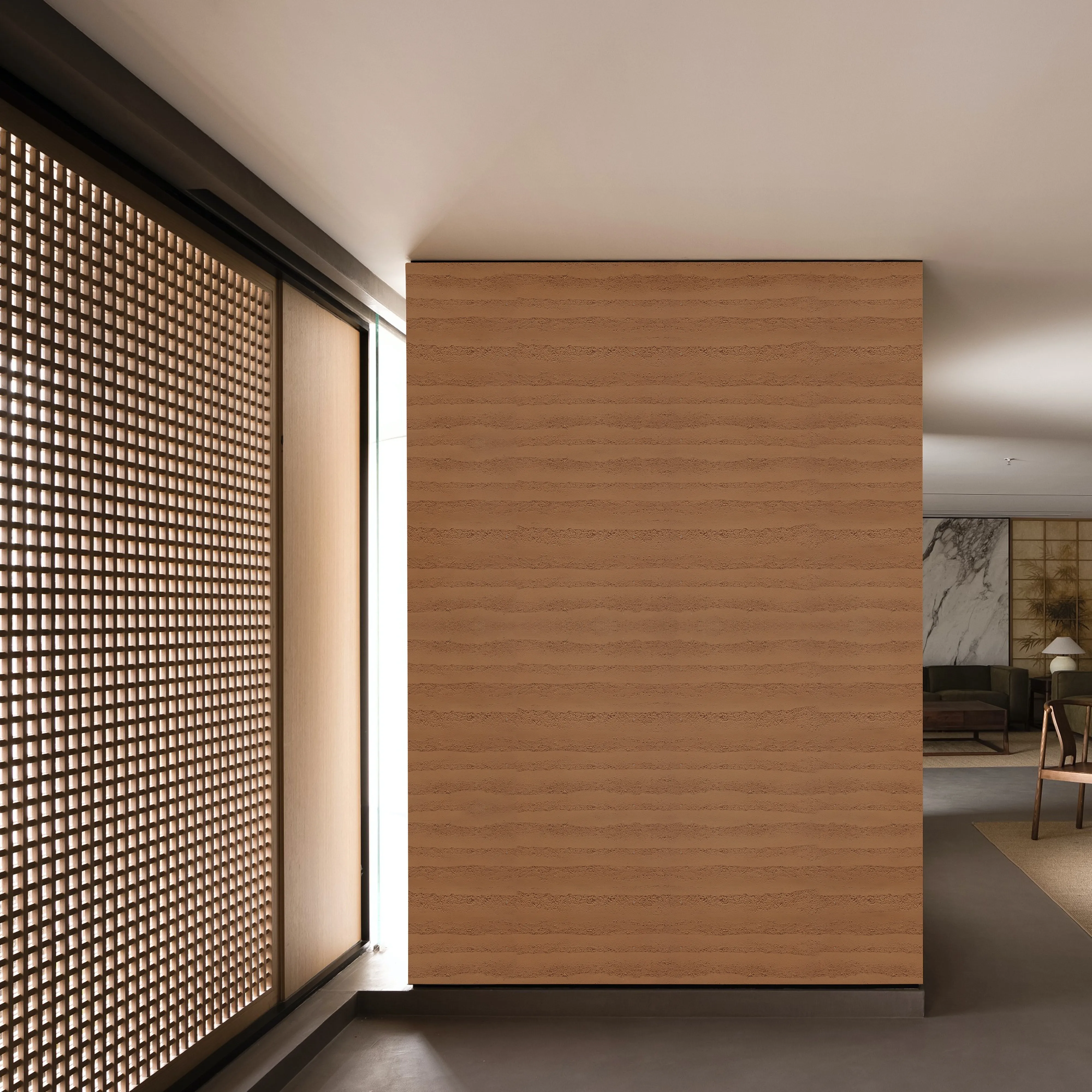
In the world of architecture and design, few materials carry the quiet storytelling power of earth itself. For centuries, rammed earth has stood as a testament to human ingenuity—simple, sturdy, and deeply rooted in the landscapes that shape us. Yet, as modern construction demands evolved, so too did the need for a rammed earth that could keep pace: one that retained the warmth of tradition while embracing the flexibility, durability, and aesthetic range of contemporary design. Enter COLORIA's rammed earth board (khaki) —a material born from a passion to reimagine the old and redefine the new.
This isn't just a product update; it's a love letter to the earthy tones that make spaces feel like home. Khaki, with its soft, sun-kissed hue, was chosen not just for its visual appeal, but for its ability to bridge worlds. It's the color of desert sands at dawn, of aged paper, of a well-loved leather journal—timeless enough to anchor a rustic retreat, yet modern enough to elevate a sleek urban loft. But behind this warmth lies a story of relentless research, collaboration, and a commitment to pushing the boundaries of what rammed earth can be.
The journey to COLORIA's khaki rammed earth board began with a question: What if we could capture the essence of natural earth without sacrificing performance? Traditional rammed earth, while beautiful, often struggled with weight, brittleness, and limited color consistency—challenges that left designers hesitant to use it in bold, large-scale projects. COLORIA's R&D team set out to solve these pain points, starting with the color that would become its signature: khaki.
"We drew inspiration from the Gobi Desert's landscapes," recalls Maria Gonzalez, lead material scientist at COLORIA. "There's a moment at sunrise when the sand shifts from gold to a soft, muted khaki—a color that feels both alive and grounded. We wanted that feeling in a board: something that wasn't just 'earthy,' but vibrantly earthy, with depth and variation that changes with light."
Months of testing followed. The team experimented with soil blends from different regions, adding natural pigments to achieve that perfect khaki tone while ensuring stability. They also looked to other innovations in COLORIA's lineup, like mcm flexible stone , for clues on enhancing flexibility. "MCM flexible stone taught us that strength doesn't have to mean rigidity," Gonzalez explains. "We borrowed its microfiber reinforcement technology, integrating it into the rammed earth matrix to reduce cracking and improve bend resistance—critical for modern construction, where walls and facades often need to withstand movement."
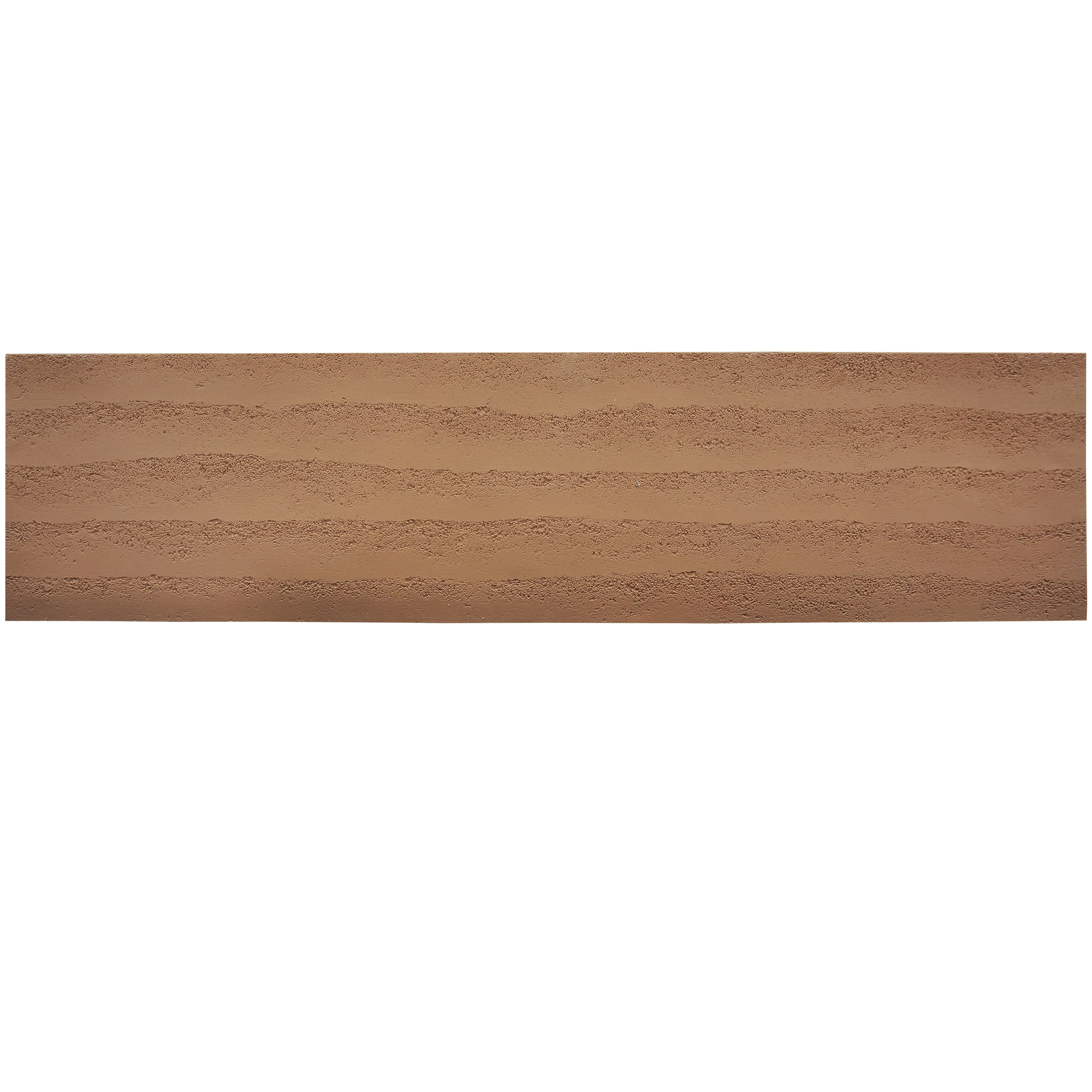
To truly understand the leap forward that COLORIA's khaki rammed earth board represents, it helps to compare it to its traditional counterpart. Below is a snapshot of how this innovation stacks up:
| Feature | Traditional Rammed Earth | COLORIA's Rammed Earth Board (Khaki) |
|---|---|---|
| Weight | Heavy (up to 2,200 kg/m³) | Lightweight (1,400 kg/m³) |
| Flexibility | Brittle; prone to cracking under stress | Flexible (bend strength of 8 MPa); resists cracking |
| Weather Resistance | Vulnerable to moisture and freeze-thaw cycles | Waterproof coating; withstands -20°C to 60°C |
| Installation | On-site ramming; labor-intensive | Pre-fabricated boards; easy to cut and install |
| Aesthetic Consistency | Varied; dependent on soil quality | Controlled color variation; uniform texture |
The lightweight nature of the khaki board is a game-changer for architects. "We recently used it in a three-story boutique hotel in," says Chen Wei, principal designer at Studio Terra. "Traditional rammed earth would have required reinforced foundations, but COLORIA's boards were light enough to install on a standard steel frame. The result? A facade that looks like it was carved from the earth, but with the structural efficiency of modern cladding."
Another breakthrough lies in its compatibility with other materials. Unlike traditional rammed earth, which can clash with sleek surfaces, the khaki board plays well with contemporaries like fair-faced concrete and even metallic accents. "We paired it with lunar peak golden panels in a restaurant project," Chen adds. "The khaki's warmth softens the gold's sheen, creating a space that feels luxurious but not cold. It's like adding a cozy blanket to a modern room—suddenly, everything clicks."
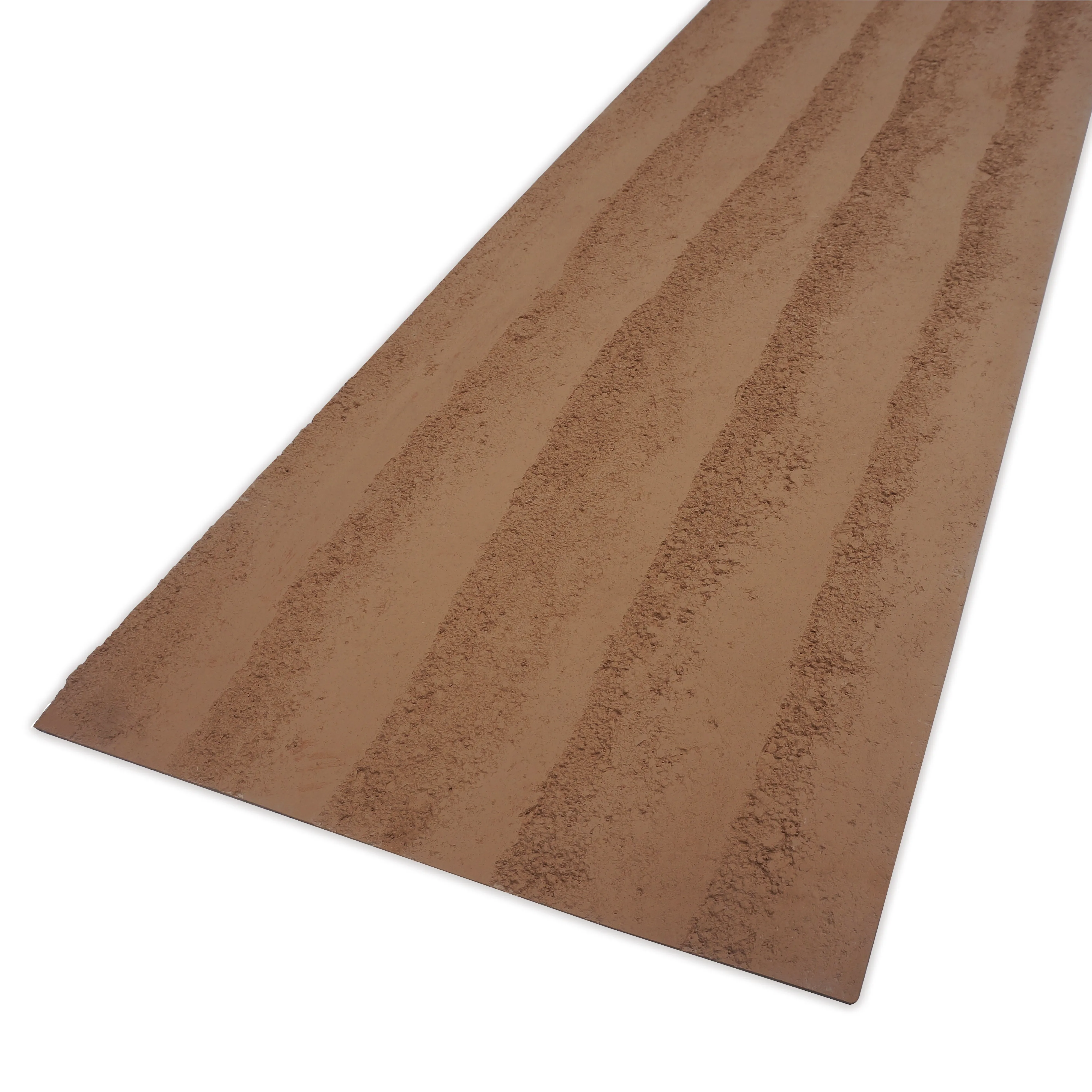
For designers, the true test of a material is how it transforms empty spaces into stories. COLORIA's khaki rammed earth board has quickly become a favorite for its versatility—whether used as a feature wall in a home, a facade for a community center, or even as ceiling panels in a café. Its tactile surface invites touch, while its neutral tone acts as a canvas for art, furniture, and light.
Take the case of epoch stone , another COLORIA innovation known for its rugged, timeworn texture. When paired with the khaki rammed earth board, the contrast is striking: epoch stone's deep grays and rough-hewn edges play off the khaki's softness, creating a dynamic interplay of light and shadow. "It's like putting a vintage leather sofa next to a linen armchair," says interior designer Lina Patel. "They balance each other. The khaki keeps the space from feeling too harsh, while the epoch stone adds that 'lived-in' character clients crave."
But it's not just about aesthetics. The board's durability has made it a hit for high-traffic areas, too. A recent installation at a public library in Portland used the khaki panels for both interior walls and exterior cladding. "We needed something that could handle kids leaning against it, rain, and even the occasional skateboard scrape," says project architect James Reed. "Six months in, the boards still look brand-new. No chips, no fading—just that same warm khaki glow."
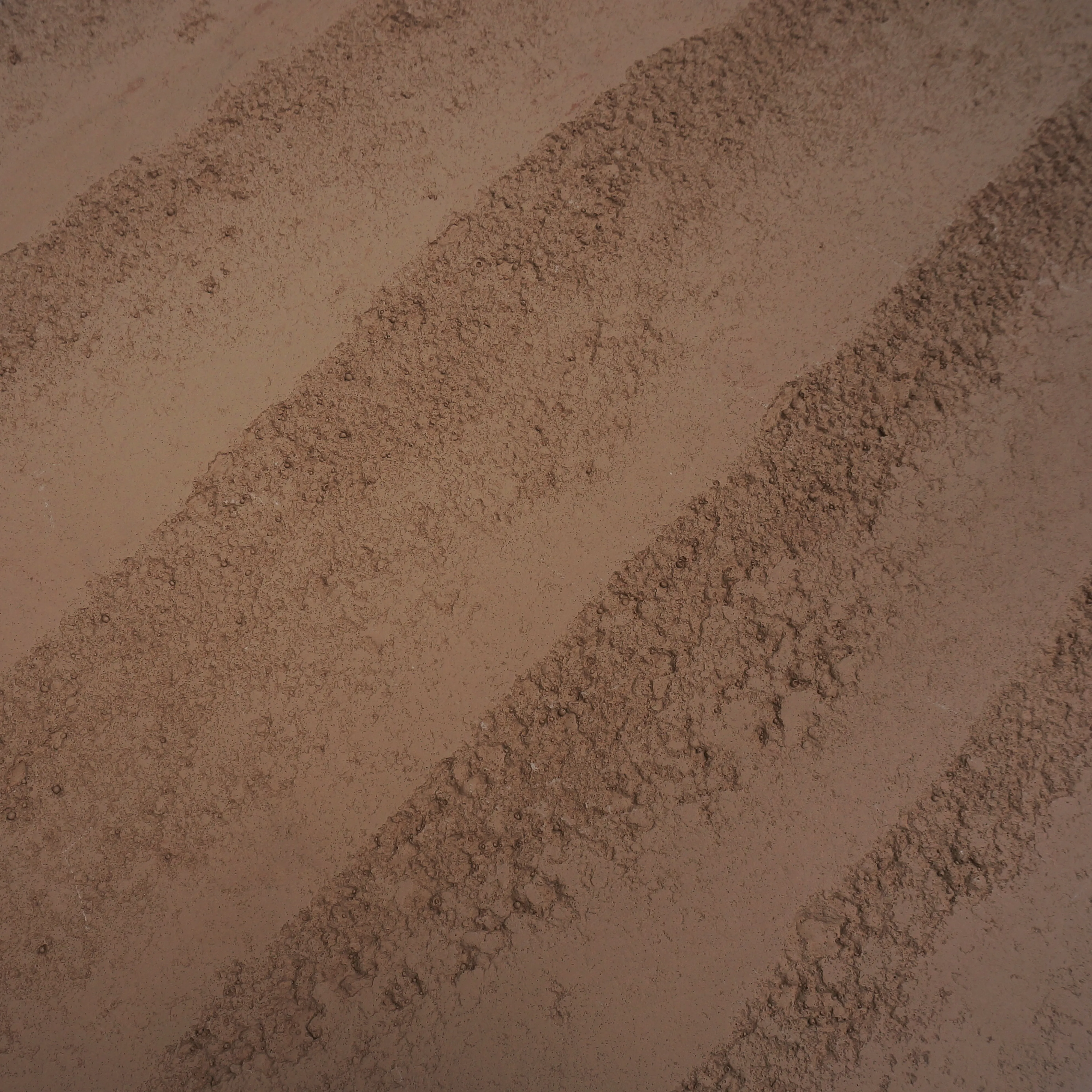
In an era where green building is no longer a trend but a responsibility, COLORIA's khaki rammed earth board stands out for its low environmental footprint. Unlike synthetic cladding materials that rely on fossil fuels, the board is made from locally sourced soil, natural pigments, and recycled microfibers—materials that reduce transportation emissions and minimize waste. Even its production process is energy-efficient, using 30% less power than traditional rammed earth manufacturing.
"Sustainability wasn't an afterthought; it was the starting point," says Gonzalez. "We wanted a material that designers could feel good about specifying—one that aligns with LEED and BREEAM certifications without compromising on beauty. The khaki board's thermal mass also helps regulate indoor temperatures, reducing the need for heating and cooling. It's a small detail, but it adds up to big impact over time."
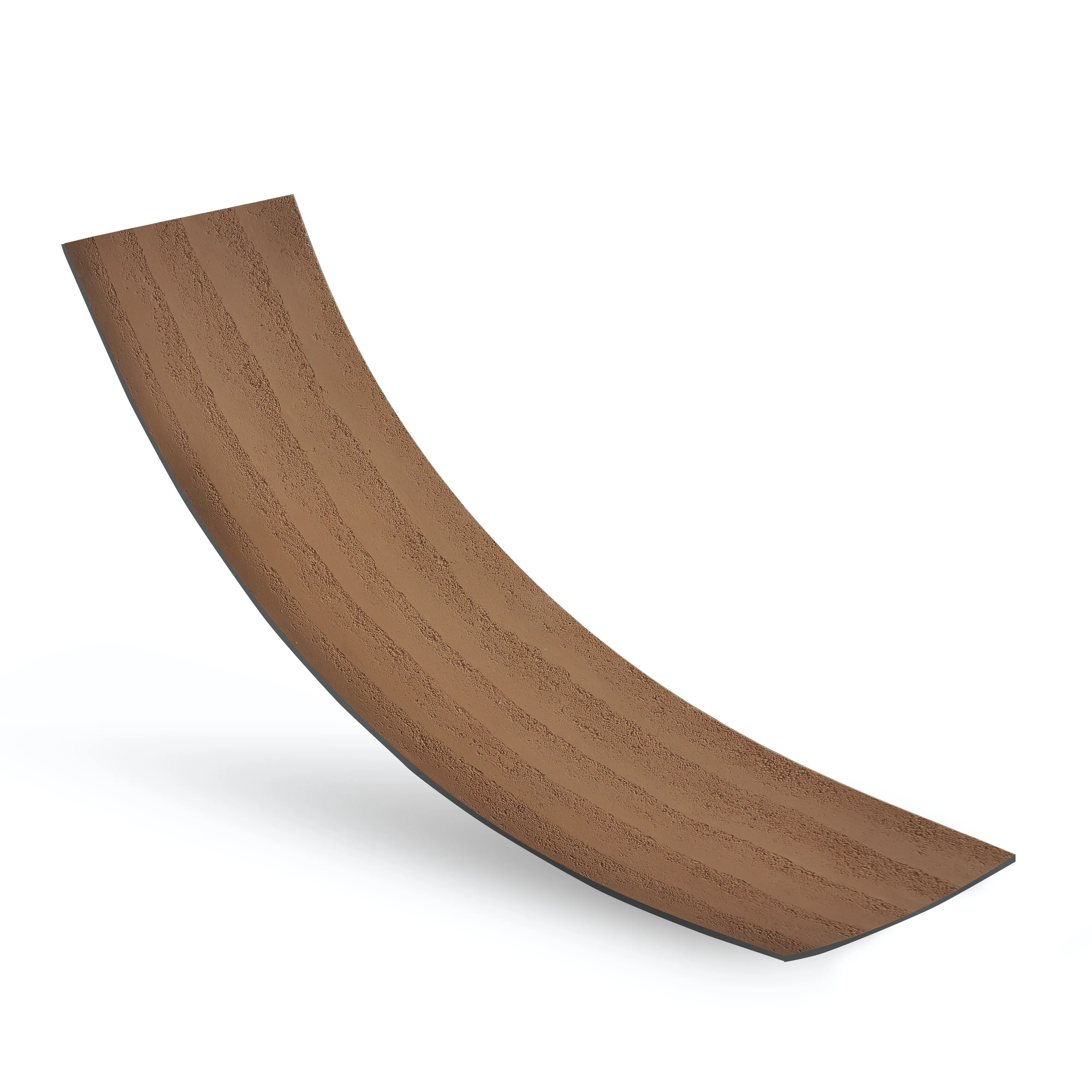
COLORIA's rammed earth board (khaki) is more than a product—it's a vision for the future of design: one where nature and innovation walk hand in hand. As the team continues to refine the formula (next up: exploring gradient color options inspired by desert sunsets), they're also listening to designers' feedback. "We've had requests for larger panels, more texture variations, even fire-resistant versions," Gonzalez shares. "The goal is to keep evolving, to give creators the tools they need to build spaces that feel human."
In the end, materials like the khaki rammed earth board remind us that the most enduring designs are those that honor the past while reaching for the future. They're not just about building walls—they're about building connections: to the earth, to our history, and to the people who will inhabit these spaces for years to come. And in that sense, COLORIA hasn't just created a new product; they've created a new way to bring the outside in, one khaki panel at a time.
Recommend Products












