

Walk into any modern building today, and you'll notice something different about the walls. They're no longer just flat, blank surfaces—they're telling stories. A restaurant with walls that mimic the flow of a mountain stream. A boutique hotel where the lobby feels like a sunlit canyon. A home office that wraps you in the warmth of natural stone, but without the heavy weight or environmental cost. What's making this possible? It's the quiet revolution happening in building materials, and at the center of it all is a product that's redefining what walls can be: MCM Wave Panels.
For decades, we've lived with walls that served one basic purpose: to separate spaces. Drywall, concrete, traditional stone—they're sturdy, sure, but they're also… boring. Heavy, hard to customize, and often terrible for the planet. Architects and designers have long dreamed of more: walls that bend, curve, breathe, and blend seamlessly with nature. But the materials just weren't there. Until now.
MCM, or Modified Cementitious Material, isn't your average building material. Think of it as nature and technology shaking hands. It starts with cement, but not the crumbly stuff you'll find in a hardware store bucket. COLORIA GROUP's scientists spent years modifying it—adding polymers, fibers, and minerals—to create a material that's lightweight (seriously, you could carry a large panel with one hand), flexible (it bends without cracking), and stronger than many traditional stones. And when you shape that material into the undulating, organic curves of a Wave Panel? Magic happens.
"Wave Panels aren't just about looks," says Maria Gonzalez, an interior designer who's used them in five luxury projects this year. "They change how people feel in a space. I worked on a yoga studio where we installed Wave Panels in the meditation room. Clients tell me they feel calmer, more grounded—like they're practicing in a cave by the ocean, not a city basement. That's the power of a wall that moves ."
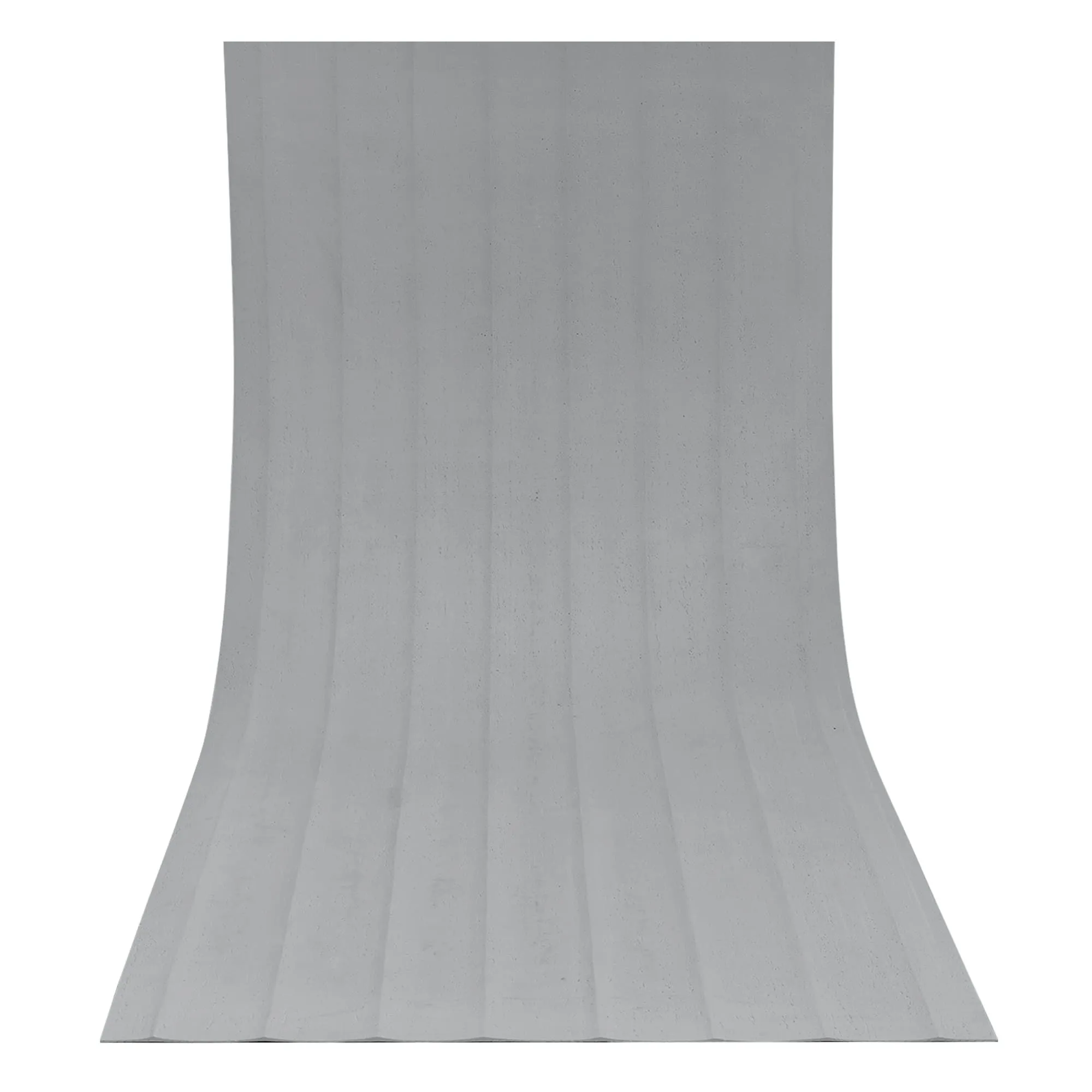
Let's get technical— but not the boring kind. The secret to Wave Panels lies in COLORIA GROUP's MCM technology, which falls under their MCM Project Board Series and MCM 3D Printing Series . Here's why that matters:
Traditional stone panels can weigh 50-100 pounds per square foot. That means you need heavy-duty structural support, which adds time and cost to construction. MCM Wave Panels? They weigh just 4-6 pounds per square foot. "We installed them on the second floor of a historic building in Rome last year," says Luca Moretti, a contractor. "The original walls were over 100 years old—we couldn't have used real travertine without reinforcing the entire structure. With MCM, we hung the panels in a day. No extra steel, no headaches."
But don't let the lightness fool you. These panels are built to last. They're fire-resistant (rated Class A, the highest safety standard), water-resistant (perfect for bathrooms or kitchens), and can handle extreme temperatures—from the scorching heat of Riyadh to the freezing winters of Moscow. "We tested a panel in our lab by leaving it outside for a year—rain, snow, sun, you name it," says Dr. Chen Wei, COLORIA's lead materials scientist. "It looked almost new. The color didn't fade, no cracks, no warping. Traditional stone would have started deteriorating in six months."
Ever tried to carve a curve into marble? It's like trying to sculpt a cloud with a chisel—messy, time-consuming, and expensive. Wave Panels, thanks to MCM 3D Printing Series technology, change that. Using advanced 3D printers, COLORIA can create panels with the most intricate, organic shapes. Want a wall that looks like it was eroded by wind over centuries? Done. A lobby feature that mimics the ripples in a lake at dawn? No problem. And because it's 3D printed, you're not limited to "one size fits all"—every panel can be custom-made for a specific space.
Take the "Starry Green" Travertine Wave Panel, for example. It's designed to look like travertine stone (that beautiful, porous rock you see in ancient Roman baths), but with a twist: tiny, iridescent particles embedded in the surface that catch the light, like stars twinkling in a green valley. "We had a client who wanted their hotel lobby to feel like a night hike in the mountains," says David Kim, a project manager at COLORIA. "We 3D printed Wave Panels in Starry Green, curved them to follow the lobby's circular layout, and added LED strips behind. Now, when guests walk in, it's like they're standing under a sky full of stars, with the mountains wrapping around them. They cried when they saw it. That's the kind of reaction you don't get with drywall."
Let's talk about the elephant in the room: traditional building materials are terrible for the environment. Quarrying natural stone tears up landscapes, uses massive amounts of water, and releases tons of CO2. Cement production alone is responsible for about 8% of global greenhouse gas emissions. But MCM? It's a game-changer.
COLORIA's MCM is made with recycled materials—up to 30% of each panel is reclaimed from construction waste. The manufacturing process uses 60% less water than traditional cement production, and because the panels are lightweight, transporting them emits far less CO2. "We had a client in Portland who was building a net-zero energy home," says Sarah Lee, COLORIA's sustainability director. "They wanted the exterior to look like natural stone, but they refused to use quarried materials. Our Wave Panels checked every box—they looked like the local basalt, weighed nothing, and the client's carbon footprint for the walls dropped by 75%. That's the future we're building."
Remember when we said these panels are lightweight? That doesn't just help the environment—it makes installation a breeze. Traditional stone requires a team of professionals, heavy equipment, and days of work. MCM Wave Panels? They're installed with simple screws and adhesives, like hanging a large picture frame (okay, maybe a really large picture frame). A crew of two can cover an entire living room wall in a day.
"I'm a general contractor, and I've installed every wall material under the sun," says Mike Torres, who used Wave Panels in a recent home renovation. "These panels? They're a contractor's dream. No chipping, no dust, no trying to maneuver 200-pound slabs up a staircase. We even had the homeowner help—she was so excited, she wanted to be part of the process. That never happens with marble."
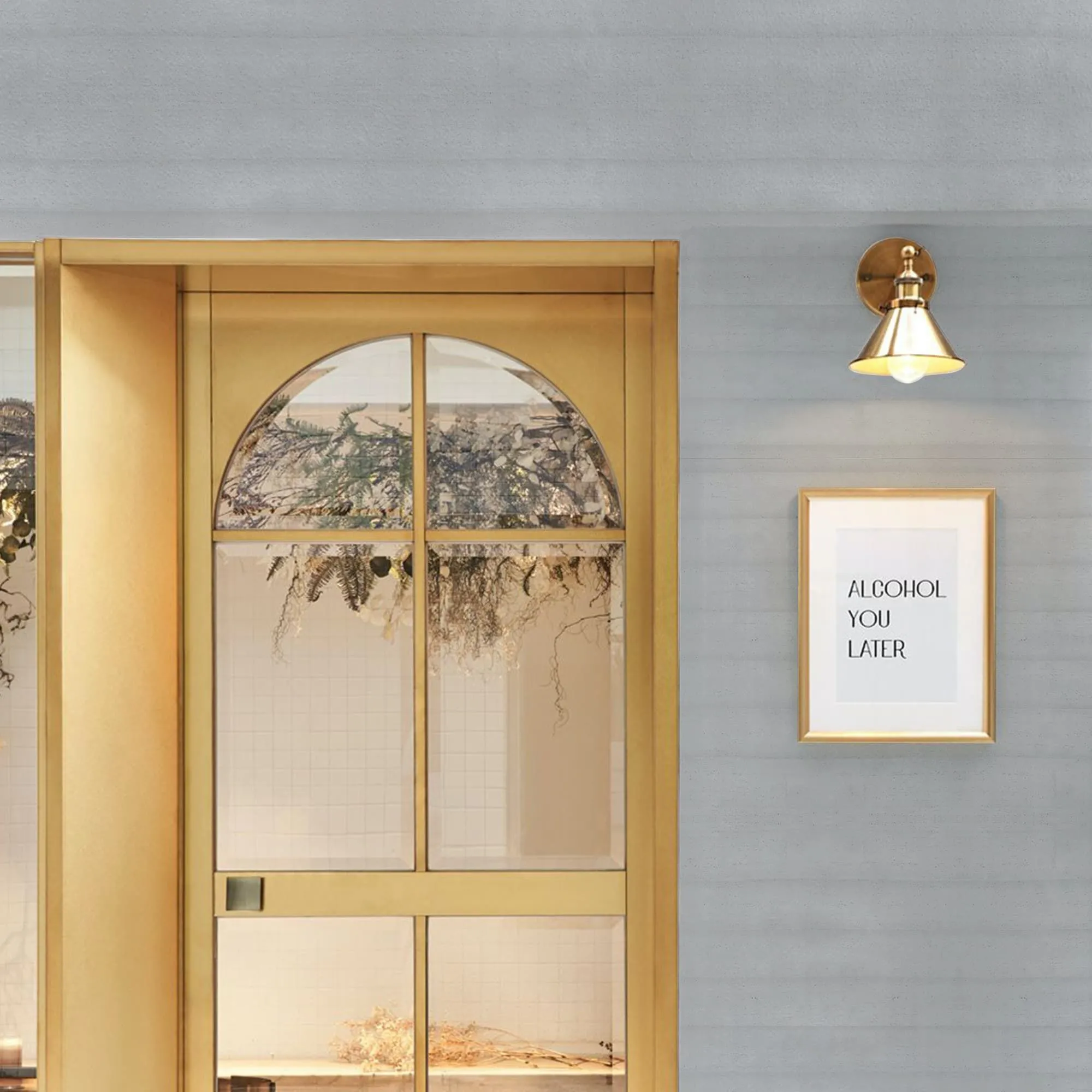
Wave Panels are the rockstars of the MCM lineup, but they're not alone. COLORIA GROUP's MCM family includes products that solve every design challenge, from ultra-thin flexible sheets to massive statement slabs. Let's meet the crew:
| Product | What It Does | Why Designers Love It |
|---|---|---|
| MCM Flexible Stone | Thin (as thin as 3mm), bendable panels that look like real stone | Perfect for curved walls, columns, or furniture. One designer used it to cover a spiral staircase—now it looks like it's carved from a single piece of marble. |
| MCM Big Slab Board Series | Huge panels (up to 12ft x 5ft) with seamless edges | No more ugly grout lines! Ideal for open-concept spaces where you want a wall to feel like a single, sweeping work of art. |
| MCM 3D Printing Series | Custom-shaped panels printed in any texture or pattern | From geometric patterns to replicas of ancient cave walls—if you can dream it, they can print it. |
| MCM Project Board Series | Durable, cost-effective panels for large-scale projects | Schools, hospitals, airports—places that need walls to stand up to heavy traffic but still look great. |
Take MCM Flexible Stone , for example. It's so thin and bendable, you could roll it up like a poster (though we don't recommend that). A boutique in Tokyo used it to cover their entire facade—curved, wavy, and printed to look like aged wood. "The building now looks like it's wrapped in a giant, soft blanket," says the boutique owner, Yuki Tanaka. "Customers stop to take photos every day. Sales are up 30%."
Or the MCM Big Slab Board Series. Imagine a hotel lobby with a wall that's 30 feet long and 10 feet tall, made from a single slab that looks like polished onyx. No seams, no breaks—just one continuous, luxurious surface. That's what the Grand Horizon Hotel in Dubai did, and guests can't stop talking about it. "People walk in and their jaws drop," says the hotel's GM, Ahmed Hassan. "They think it's real onyx, but it weighs a fraction of the real thing. We saved $50,000 on structural support alone."
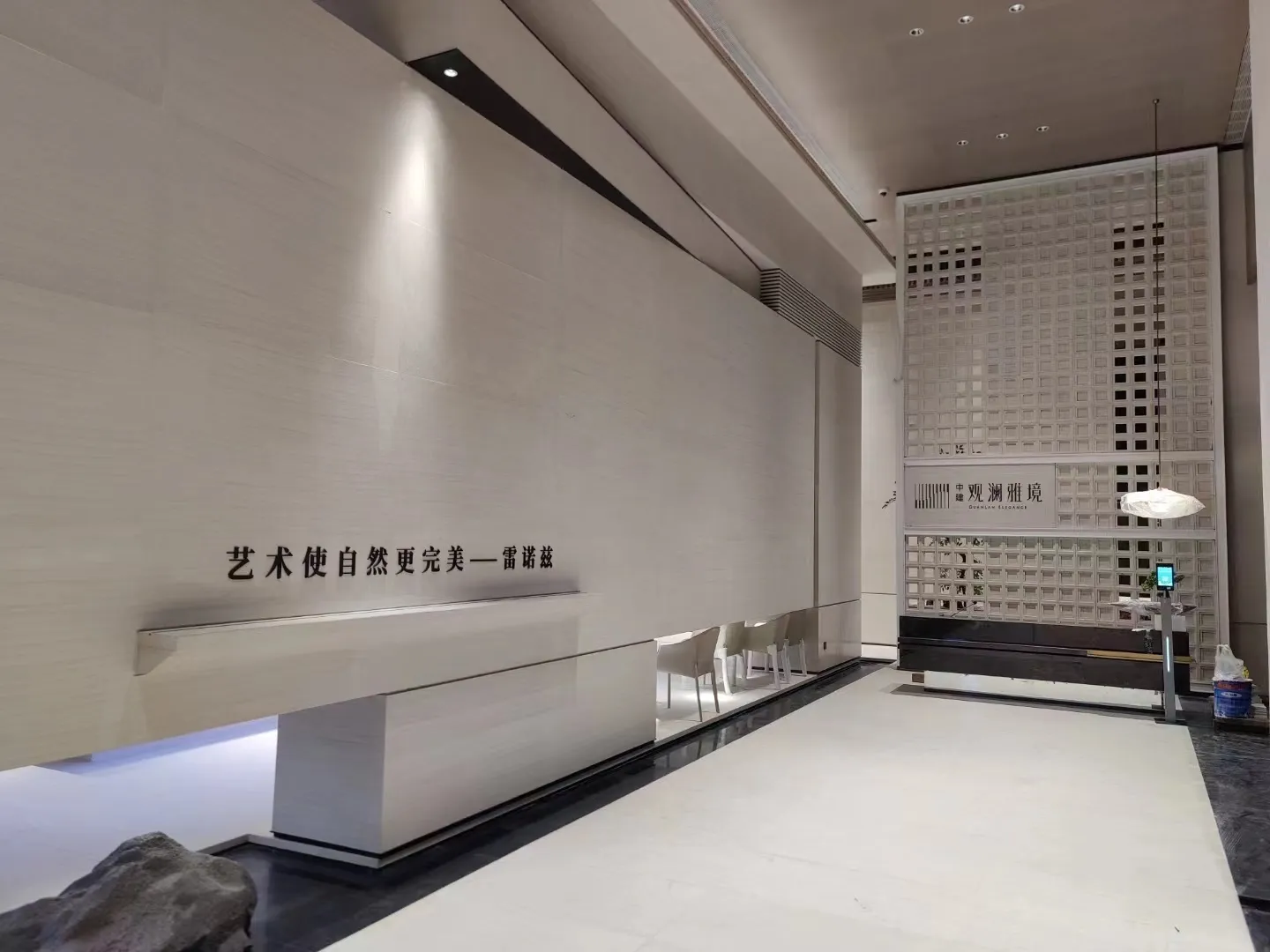
Mark and Lisa wanted a home in Denver that reminded them of their childhood summers at the beach. But Denver is 600 miles from the ocean—how do you bring the beach inland? Enter Wave Panels in "Stream Limestone (Claybank)," a warm, sandy color with subtle ripples that mimic shallow water over sand.
"We installed the panels in our living room, curving them around the fireplace," Lisa says. "Now, when we sit there in the winter, with the fire going and the panels glowing, it feels like we're sitting on the beach at sunset. The texture is so realistic—our kids run their hands over it and say it feels like wet sand. We even get compliments from guests who think it's real stone. Little do they know, it was so light, Mark and I installed most of it ourselves over a weekend."
A tech startup in San Francisco was struggling with high turnover. Employees said the office felt "sterile" and "stressful"—all white walls and fluorescent lights. The CEO, Jamie Liu, decided to rethink the space, starting with the walls.
They chose Wave Panels in "Lunar Peak Silvery," a soft, moonlit gray with a subtle texture that looks like craters on the moon. "We installed them in the break room and the open workspace," Jamie says. "The difference was immediate. People started taking longer breaks—sitting, chatting, even meditating in the break room. One employee told me, 'I used to dread coming to work, but now walking into the office feels like walking into a calm, quiet forest.' Turnover dropped by 40% in six months. Walls that improve mental health? I never thought I'd say that, but it's true."
The National History Museum in Madrid needed a new exhibit on ancient civilizations. They wanted walls that felt like they belonged in a Mesopotamian temple, but without the weight or cost of real stone. They turned to COLORIA's MCM 3D Printing Series, which recreated the texture of ancient mud-brick walls—complete with the marks of tools used 5,000 years ago.
"We printed Wave Panels that curved to form a tunnel through the exhibit," says the museum's curator, Elena Ortega. "Visitors walk through, and it's like stepping into a real ancient city. Kids press their hands against the walls, trying to feel the history. One little girl told her mom, 'I can feel the people who built this.' That's the power of a wall that doesn't just show history—it feels like it."
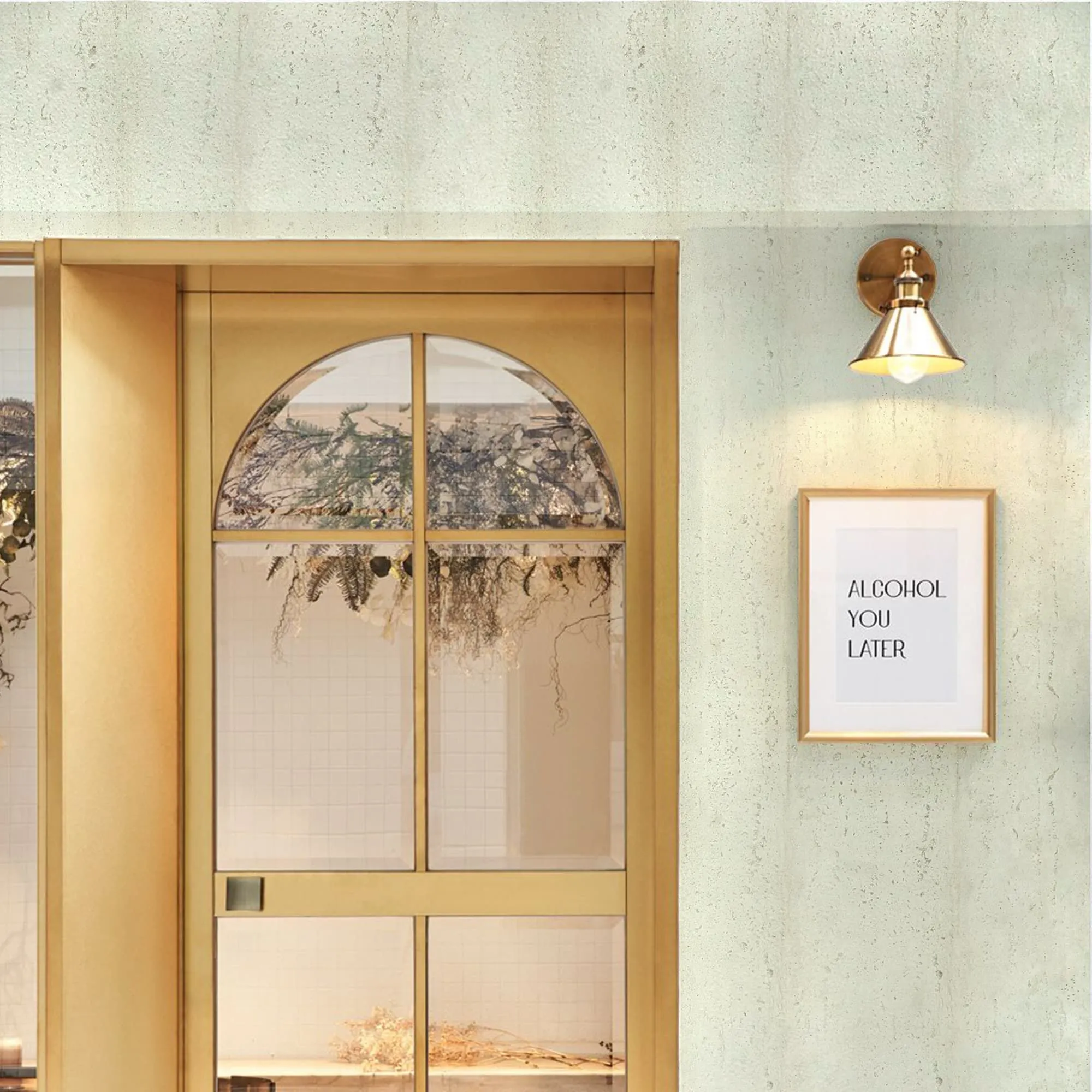
COLORIA GROUP isn't stopping with Wave Panels. Their R&D team is already working on MCM panels that can change color with temperature (imagine a restaurant wall that shifts from warm orange at lunch to cool blue at dinner) and panels embedded with sensors that can monitor air quality or even play music. "Walls are going to become smarter, more interactive," says Dr. Wei. "But they'll never lose that connection to nature. That's the MCM promise: technology that makes us feel more human, not less."
And it's not just about buildings. MCM is starting to show up in furniture (a coffee table with a Wave Panel top that looks like a river), art installations (a 20-foot-tall sculpture made of interlocking MCM pieces), and even yachts (lightweight panels that can withstand saltwater and storms). The possibilities are endless.
So the next time you walk into a room, take a second look at the walls. If they're curved, textured, or make you feel something—excited, calm, curious—chances are, they're made of MCM. And if not? They might be soon. Because walls aren't just walls anymore. They're the future of how we live, work, and connect with the world around us.
"I used to think of walls as the 'boring part' of design," Maria Gonzalez says. "Now? They're my favorite part. With MCM, I can turn a blank space into a story. And isn't that what design is all about? Telling stories that make people feel alive."
Here's to the walls of tomorrow—light, flexible, green, and full of stories. The future looks pretty wave-y, and we're here for it.
Recommend Products











