
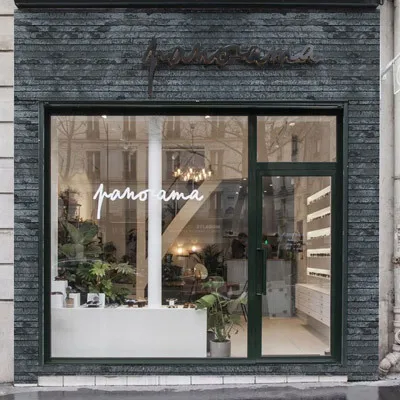
Urban redevelopment is a delicate dance—one that balances the weight of history with the momentum of progress. Cities aren't just collections of buildings; they're living, breathing narratives, and updating them requires more than just new construction. It demands materials that can honor the past while embracing the future: materials that are durable enough for busy streets, flexible enough for historic retrofits, and beautiful enough to make public spaces feel like home. In this quest, Muretto Stone has emerged as a quiet game-changer. A standout in the MCM (Modified Composite Material) product family, Muretto Stone marries the timeless charm of natural stone with the practicality of modern engineering, offering a versatile solution that's reshaping how we revitalize urban landscapes.
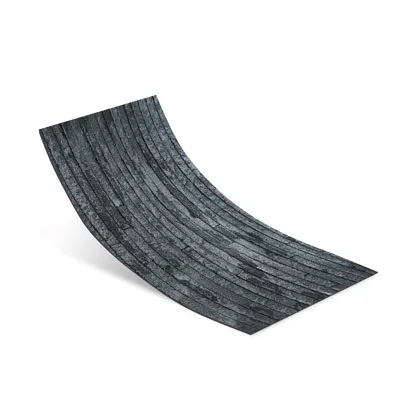
What makes Muretto Stone unique? Unlike traditional stone, which can be heavy, brittle, or environmentally taxing to quarry, Muretto Stone is crafted from a blend of natural minerals and advanced composites. This gives it a few key advantages: it's lightweight (making it ideal for retrofitting old buildings without straining their structures), resistant to weathering and pollution (critical in city environments), and surprisingly flexible, able to mimic the texture of aged stone or the sleekness of modern design. Available in three core variants—light grey, dark grey, and beige—each with its own character, Muretto Stone isn't just a material; it's a toolkit for urban storytellers.
Walk through the narrow lanes of a historic district, and you'll notice the details that make it special: the weathered patina of old brick, the rough-hewn texture of stone walls, the way sunlight filters through centuries-old archways. These details are fragile, though—many are eroding under the twin pressures of time and urban pollution. Replacing them with modern materials often feels like erasing history, but leaving them to decay means losing a piece of the city's identity. Muretto Stone, with its ability to replicate aged textures, has become a go-to for preservationists.
Take the case of a 18th-century merchant district in Prague, where crumbling limestone facades were threatening the area's UNESCO status. Architects initially considered restoring with natural limestone, but the weight of the stone would have required reinforcing the buildings' foundations—a costly, disruptive process. Instead, they turned to Muretto Stone (light grey), which mimics the soft, sun-bleached look of aged limestone. The panels were thin enough to be applied directly over the existing walls, adding a protective layer without altering the district's silhouette. The result? The streets still feel like they're straight out of a history book, but now the walls are resistant to acid rain and pollution, ensuring they'll stand for another century. "It's like giving the buildings a second skin," says local architect Jana Novak. "You can't tell the difference with the naked eye, but the structure is stronger, and the character remains intact."
In another project, a row of Victorian townhouses in Boston was being converted into boutique shops. The original exteriors featured hand-chiseled stone accents that had worn smooth over time. Using Muretto Stone (dark grey), designers recreated the depth of those original chisel marks, adding contrast to the light-colored siding. The dark grey panels, with their matte finish, absorb just enough light to make the details pop without looking artificial. Today, the street feels both historic and vibrant—a place where you can buy a latte and admire architecture that seems to whisper stories of the past.
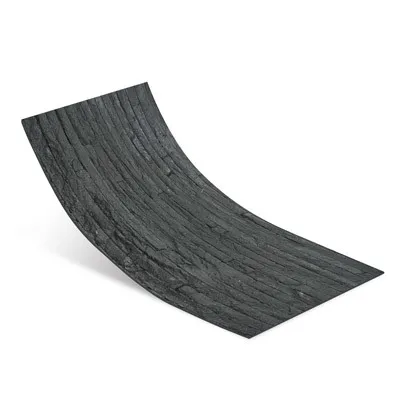
Public spaces are the heartbeats of cities—parks where kids play, plazas where communities gather, transit hubs where daily life unfolds. These spaces need to be durable (think: thousands of footsteps, bike tires, and the occasional food cart), but they also need to feel welcoming. Cold, sterile concrete has dominated these areas for decades, but cities are starting to crave warmth. Enter Muretto Stone, which adds texture and color without sacrificing resilience.
Consider the renovation of a downtown plaza in Sydney, once a bleak expanse of cracked concrete. The goal was to create a space that felt like an "urban living room"—inviting enough for lunch breaks, lively enough for weekend markets. Designers chose Muretto Stone (beige) for the main walkways, its warm, earthy tone echoing the sandstone cliffs that line Sydney Harbour. The panels were laid in a pattern that mimics the natural variation of sandstone, with subtle veining that catches the light. Unlike concrete, which can get scorching hot in the Australian sun, Muretto Stone's composite core reflects heat, keeping the plaza cool even on summer days. "People linger now," says the project's landscape architect, Liam Torres. "They sit on the Muretto-clad benches, run their hands over the walls—it's tactile, which makes the space feel more human."
Transit hubs, too, are benefiting from Muretto Stone's versatility. Take a recently revamped subway entrance in Tokyo, where the goal was to blend modern efficiency with a nod to traditional Japanese design. The walls, once plain metal and glass, are now clad in Muretto Stone (dark grey), its rough texture inspired by the stone lanterns of Kyoto temples. The dark grey hue contrasts sharply with the bright signage, making the entrance easy to spot, while the material's sound-absorbing properties help dampen the noise of rushing commuters. It's a small change, but it transforms the experience of entering the subway—turning a utilitarian space into one that feels rooted in culture.
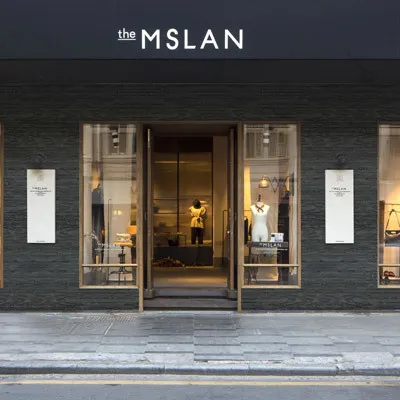
Commercial districts are the economic engines of cities, and their aesthetics matter. A street lined with generic glass and steel can feel forgettable, but one with character—texture, color, personality—draws people in. Muretto Stone, with its range of finishes, is helping businesses stand out while fitting into the urban fabric.
In a trendy district of Berlin, a cluster of tech startups wanted their office exteriors to reflect their innovative spirit without clashing with the neighborhood's industrial heritage. The solution? Muretto Stone (light grey) panels, applied in a staggered pattern that mimics the look of stacked stone, but with a sleek, uniform edge. The light grey tone echoes the area's original factory brick, while the precision of the panels signals modernity. "It's like speaking two languages at once," says the project's designer, Karl Weber. "The older buildings around us see a familiar texture; the startups inside see a fresh, forward-thinking vibe."
Retail spaces, too, are embracing Muretto Stone. A high-end boutique in Milan, for example, chose Muretto Stone (beige) for its facade, pairing it with large glass windows. The beige panels, with their subtle, sand-like texture, create a warm, inviting backdrop that makes the store's displays pop. Unlike polished marble or granite, which can feel cold, Muretto Stone's matte finish feels approachable—encouraging passersby to step inside. And because it's lightweight, the panels were installed quickly, minimizing disruption to the busy street.
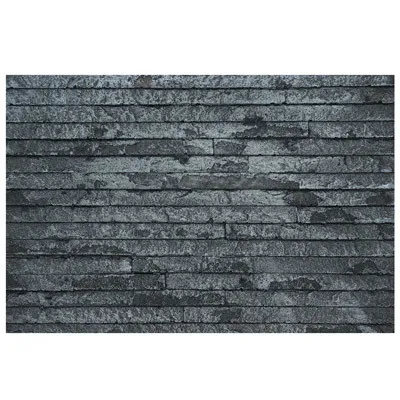
Urban redevelopment isn't just about public spaces and commercial hubs—it's about homes. Too often, new residential buildings feel like they're built for efficiency, not community. They're boxy, uniform, and lacking the details that make a street feel like a neighborhood: the unique trim on a porch, the texture of a front wall, the way colors complement each other. Muretto Stone is helping change that, adding warmth and individuality to residential projects.
In a low-rise housing development in Portland, Oregon, architects used Muretto Stone (dark grey) to create accent walls on each home's exterior. Instead of identical facades, each house has a distinct "face"—some with the dark grey panels framing the front door, others with them running along the garage. The result is a street that feels cohesive but not cookie-cutter. "People stop and comment on how 'homey' it feels," says the developer, Maria Gonzalez. "That's the magic of texture—Muretto Stone doesn't just look good; it makes the space feel lived-in, even when it's brand new."
In another project, a mid-century apartment complex in Chicago was updated with Muretto Stone (beige) cladding. The original building, with its plain concrete walls, had become an eyesore, driving down property values. The beige panels, applied in horizontal strips, mimic the look of natural travertine, softening the building's lines and warming up its appearance. Tenants report feeling prouder of their homes, and the complex now attracts young families looking for character in a city that often prioritizes modernity over charm.
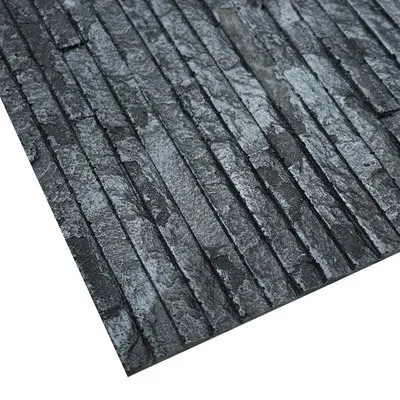
| Variant | Aesthetic Character | Ideal Applications | Key Benefits |
|---|---|---|---|
| Muretto Stone (Light Grey) | Soft, sun-bleached appearance with subtle veining; mimics aged limestone or sandstone. | Historic building facades, heritage trails, low-rise residential exteriors. | Blends seamlessly with traditional architecture; reflects sunlight to keep surfaces cool; hides minor stains in high-traffic areas. |
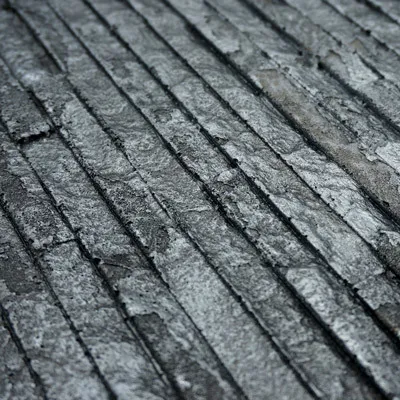
| Muretto Stone (Dark Grey) | Bold, matte finish with deep texture; evokes industrial stone or modern concrete. | Transit hubs, commercial office exteriors, accent walls in public plazas. | Creates high visual contrast; sound-absorbing properties reduce noise; hides urban pollution better than lighter stones. |
| Muretto Stone (Beige) | Warm, earthy tone with a sand-like texture; versatile enough for both traditional and modern designs. | Retail storefronts, residential complexes, pedestrian walkways, community centers. | Neutral palette pairs with any color scheme; inviting tactile quality encourages public interaction; resists fading in direct sunlight. |
Modern urban redevelopment can't ignore sustainability—and Muretto Stone checks this box, too. Traditional stone quarrying is resource-intensive, requiring heavy machinery and leaving large ecological footprints. Muretto Stone, by contrast, uses a high percentage of recycled materials in its composite blend, and its lightweight nature reduces transportation emissions (less fuel is needed to ship panels than solid stone blocks). Once installed, it's low-maintenance—no need for harsh chemical sealants or frequent cleaning—and its durability means it won't need replacement for decades, reducing waste.
In Copenhagen, a city known for its green initiatives, Muretto Stone was chosen for a public library redevelopment specifically for its sustainability credentials. The project aimed to achieve LEED Platinum certification, and the stone's recycled content, energy-efficient manufacturing process, and thermal insulation properties (it helps regulate building temperatures, reducing heating and cooling needs) played a key role in meeting that goal. "Sustainability isn't just about solar panels or rain gardens," says the library's project manager, Lars Jensen. "It's about choosing materials that don't cost the earth—literally. Muretto Stone let us have the aesthetic we wanted without compromising our values."
Urban redevelopment is ultimately about people—creating spaces where they want to live, work, and gather. Muretto Stone, in its quiet way, helps foster those connections. It doesn't shout for attention; instead, it supports the stories cities are trying to tell: the history in a restored facade, the community in a welcoming plaza, the pride in a neighborhood that feels like home.
As cities continue to evolve, materials like Muretto Stone will be essential. They remind us that progress doesn't have to mean erasing the past, and that beauty and practicality can go hand in hand. Whether it's cladding a historic wall in light grey panels, adding warmth to a commercial street with beige, or making a subway entrance feel like a cultural landmark with dark grey texture, Muretto Stone is proving that the best urban renewal projects aren't just about buildings—they're about creating places with soul.
In the end, that's the real innovation: not just a stone that's strong or flexible or sustainable, but a stone that helps cities remember who they are—even as they become who they're meant to be.
Recommend Products












