

In the world of architecture, where form meets function, the choice of building materials often dictates the limits of creativity. For decades, designers and architects have grappled with the constraints of traditional materials—heavy stone that strains structural integrity, rigid concrete that resists organic shapes, and mass-produced panels that leave little room for customization. But what if there was a material that could bend to the architect's vision, mimic the fluidity of nature, and still uphold the durability required for modern construction? Enter Coloria Group, a global leader in modified cementitious materials (MCM), and their game-changing innovation: the MCM 3D Printing Series, with the wave panel leading the charge.
As a one-stop solution provider in the building materials industry, Coloria Group has spent decades reimagining what construction materials can be. With a strong foothold in markets like Saudi Arabia and a commitment to sustainability, the company has carved a niche by blending cutting-edge technology with eco-conscious practices. At the heart of their offering is MCM—a modified cementitious material that marries the strength of traditional cement with the flexibility of modern composites. Today, we're diving deep into how their 3D printing technology is revolutionizing architectural design, with a spotlight on the wave panel, and exploring how complementary innovations like flexible stone and big slab boards are completing the vision of a more creative, sustainable built environment.
Before we delve into the specifics of 3D printing and wave panels, let's first understand what makes MCM so special. Short for Modified Cementitious Material, MCM is a proprietary blend developed by Coloria Group that starts with recycled industrial byproducts—think fly ash, silica fume, and other waste materials—and transforms them into high-performance building panels. This isn't just about recycling, though; it's about redefining performance. MCM panels are 70% lighter than natural stone, fire-resistant, weatherproof, and designed to last for decades with minimal maintenance. And because they're manufactured using low-energy processes, they leave a fraction of the carbon footprint of traditional concrete or stone extraction.
"MCM is our love letter to both architects and the planet," says a senior product developer at Coloria Group. "We wanted to create something that doesn't just meet industry standards but reimagines them. Why should a material be either strong or beautiful? Why can't it be both, and also kind to the environment?" This philosophy is evident across Coloria's product lines, from the MCM Big Slab Board Series that caters to large-scale projects to the MCM Flexible Stone that wraps around curved surfaces like a second skin. But it's the MCM 3D Printing Series that's truly pushing boundaries—and the wave panel is its most striking example.
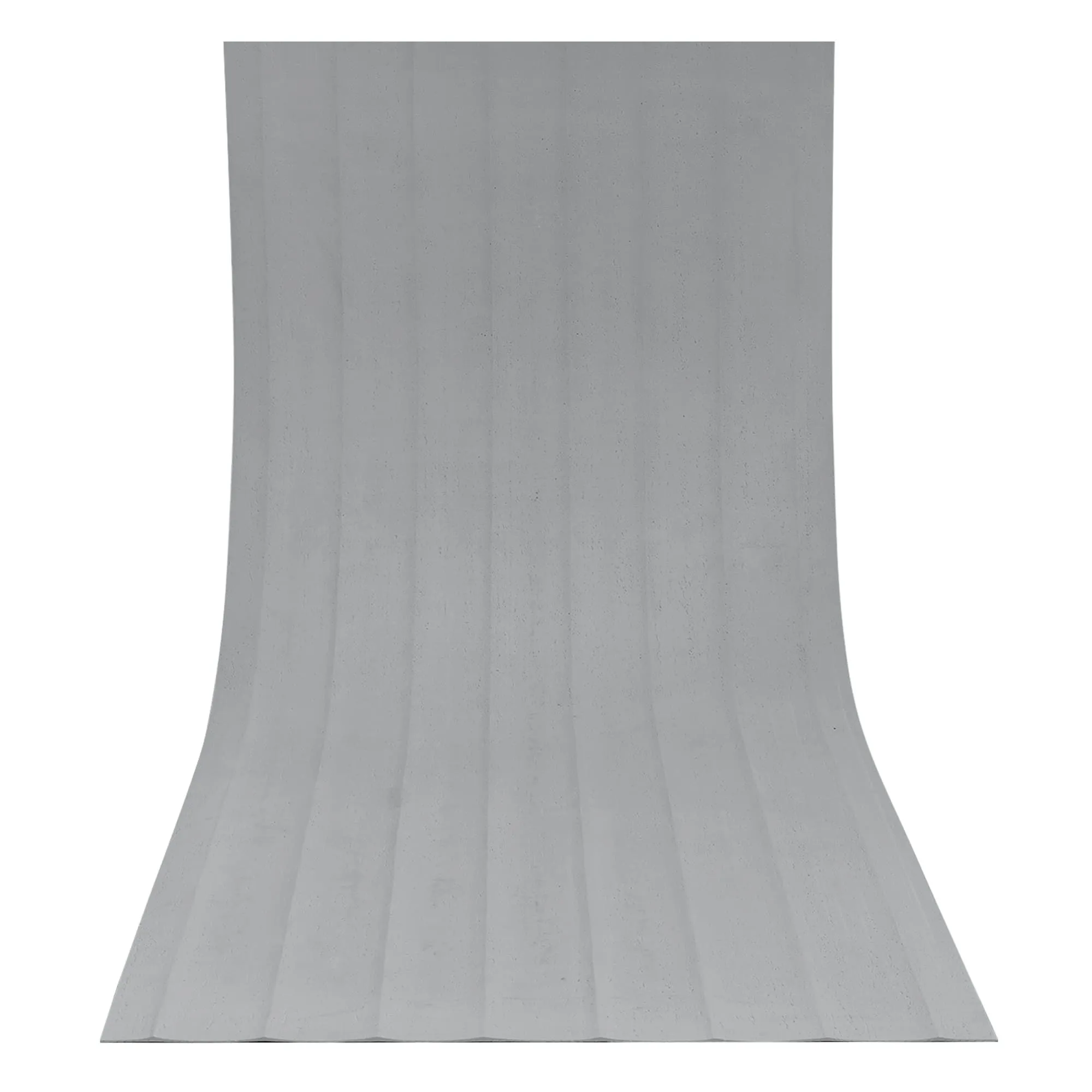
3D printing has been a buzzword in manufacturing for years, but in construction, its adoption has been slower—until now. Coloria Group's MCM 3D Printing Series leverages this technology to turn architectural dreams into tangible structures, and the wave panel is a testament to its potential. Unlike traditional manufacturing methods, which rely on molds and cutters that restrict shape complexity, 3D printing allows for layer-by-layer construction of panels with organic, flowing forms. The result? The wave panel—a piece that mimics the gentle undulation of ocean waves, the rustle of wind through grass, or the smooth curve of a desert dune.
Walk past a building clad in Coloria's wave panels, and you'll notice something immediately: movement. Even on a still day, the panels catch light differently as their curves rise and fall, creating a dynamic facade that feels alive. This isn't just aesthetics, though; the wave design serves a practical purpose too. The undulations increase surface area, improving thermal insulation and reducing energy costs for heating and cooling. They also channel rainwater away from the building, preventing moisture buildup and extending the life of the structure.
Take, for example, a recent commercial project in Riyadh, Saudi Arabia—a 15-story office building that wanted to stand out in the city's skyline while staying cool in the desert heat. The architects chose wave panels in a soft beige hue, and the results were striking. "The panels don't just look beautiful; they've helped the building reduce its AC usage by 22%," says the project's lead architect. "And because Coloria's 3D printing allowed us to tweak the wave amplitude and frequency, we could optimize both the visual effect and the thermal performance. It's design and engineering working in harmony."
The Riyadh Innovation Center, a hub for tech startups, wanted its exterior to reflect the creativity within. Coloria's 3D printed wave panels, finished in a gradient from light to dark gray, were the perfect fit. The panels wrap around the building's south-facing facade, where sunlight is strongest, and their wave pattern breaks up harsh shadows, creating a play of light and shade that changes throughout the day. Inside, smaller wave panels line the atrium, guiding visitors' eyes upward to the glass ceiling. "It's like walking through a canyon that's been tamed into architecture," one visitor noted. "You can feel the movement, the energy."
While the wave panel is undoubtedly a showstopper, the MCM 3D Printing Series offers far more than just one design. The technology allows for almost unlimited customization—whether it's replicating the texture of ancient Roman travertine, mimicking the rough-hewn look of a mountain cliff, or even creating abstract geometric patterns. "We've had clients ask for panels that look like starry night skies, others that evoke the grain of aged wood, and some that are designed to spell out a company's logo when viewed from above," explains a Coloria design consultant. "With 3D printing, the only limit is the architect's imagination."
This flexibility has made the 3D Printing Series a favorite for signature projects—cultural centers, museums, luxury hotels—where the building itself is a statement. But it's not just about high-end design; 3D printed MCM panels are also finding their way into residential developments, where homeowners want a unique exterior without the high cost of custom stonework. "A family in Jeddah recently used our 3D printed 'star gravel' panels for their villa's facade," says the consultant. "The panels have tiny, raised dots that catch the light like stars—kids love pointing out constellations on the wall."
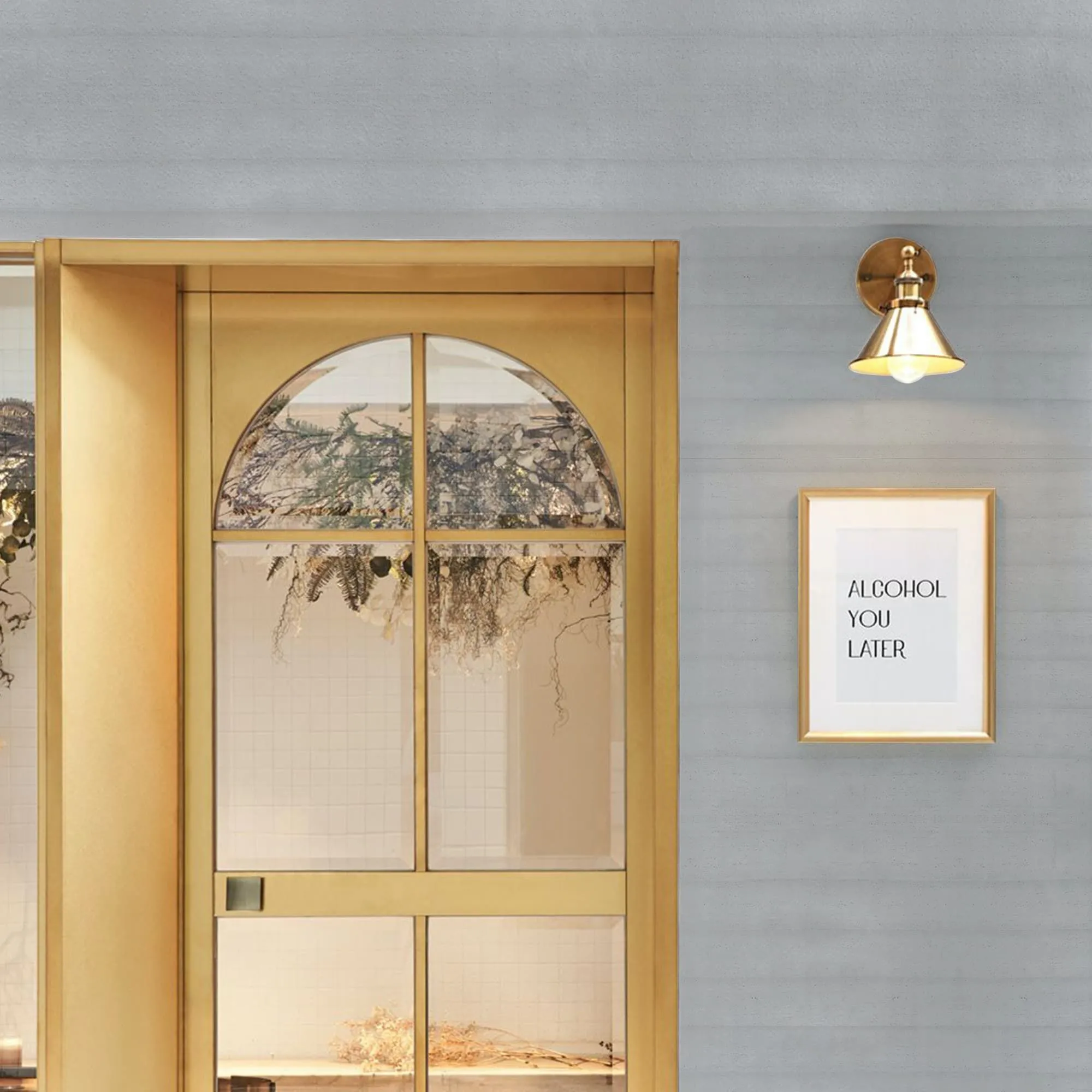
While 3D printing and wave panels are grabbing headlines, Coloria's other MCM innovations are equally critical to their one-stop solution promise. Take the MCM Flexible Stone, for instance. If 3D printing is about creating bold, sculptural forms, flexible stone is about adapting to existing structures with grace. Made from ultra-thin layers of MCM, these panels are thin enough to bend around curves, wrap over arches, or even be applied to uneven surfaces—making them ideal for historic building restorations or retrofitting old structures with modern materials.
"We worked on a 1920s mosque renovation in Riyadh where the original stone walls were crumbling," recalls a Coloria project manager. "The client wanted to preserve the mosque's historic character but needed a material that could adhere to the uneven, curved surfaces without adding weight. Our flexible stone was the answer. We scanned the original walls, matched the texture of the old stone, and printed flexible panels that wrapped around every nook and cranny. When we finished, even the imam couldn't tell where the old stone ended and the new MCM began."
On the flip side of the spectrum, there's the MCM Big Slab Board Series—designed for projects where scale matters. These panels come in sizes up to 3 meters by 1.5 meters, reducing the number of seams in large facades and creating a sleek, monolithic look. Imagine a skyscraper where the exterior appears to be carved from a single block of stone, or a convention center with walls that flow uninterrupted from floor to ceiling. That's the magic of big slab boards.
"Traditional stone slabs of that size would require cranes, specialized lifting equipment, and a team of workers to install," explains the project manager. "Our MCM big slabs weigh just 15kg per square meter—so two people can carry them, and they attach with simple mechanical fasteners. On a recent mall project in Dubai, we reduced installation time by 40% compared to natural stone, and the client saved thousands on labor and equipment costs."
| Product | Key Strength | Ideal Application | Sustainability Highlight |
|---|---|---|---|
| MCM 3D Printing Series (Wave Panels) | Custom, organic shapes; dynamic visual appeal | Signature buildings, cultural centers, statement facades | Uses 80% recycled materials; zero waste in production |
| MCM Flexible Stone | Bends to curves; lightweight; easy retrofitting | Historic renovations, curved structures, interior accent walls | Low-energy manufacturing; reduces need for new stone extraction |
| MCM Big Slab Board Series | Large, seamless panels; fast installation | Skyscrapers, malls, large commercial projects | 70% lighter than natural stone → lower transport emissions |
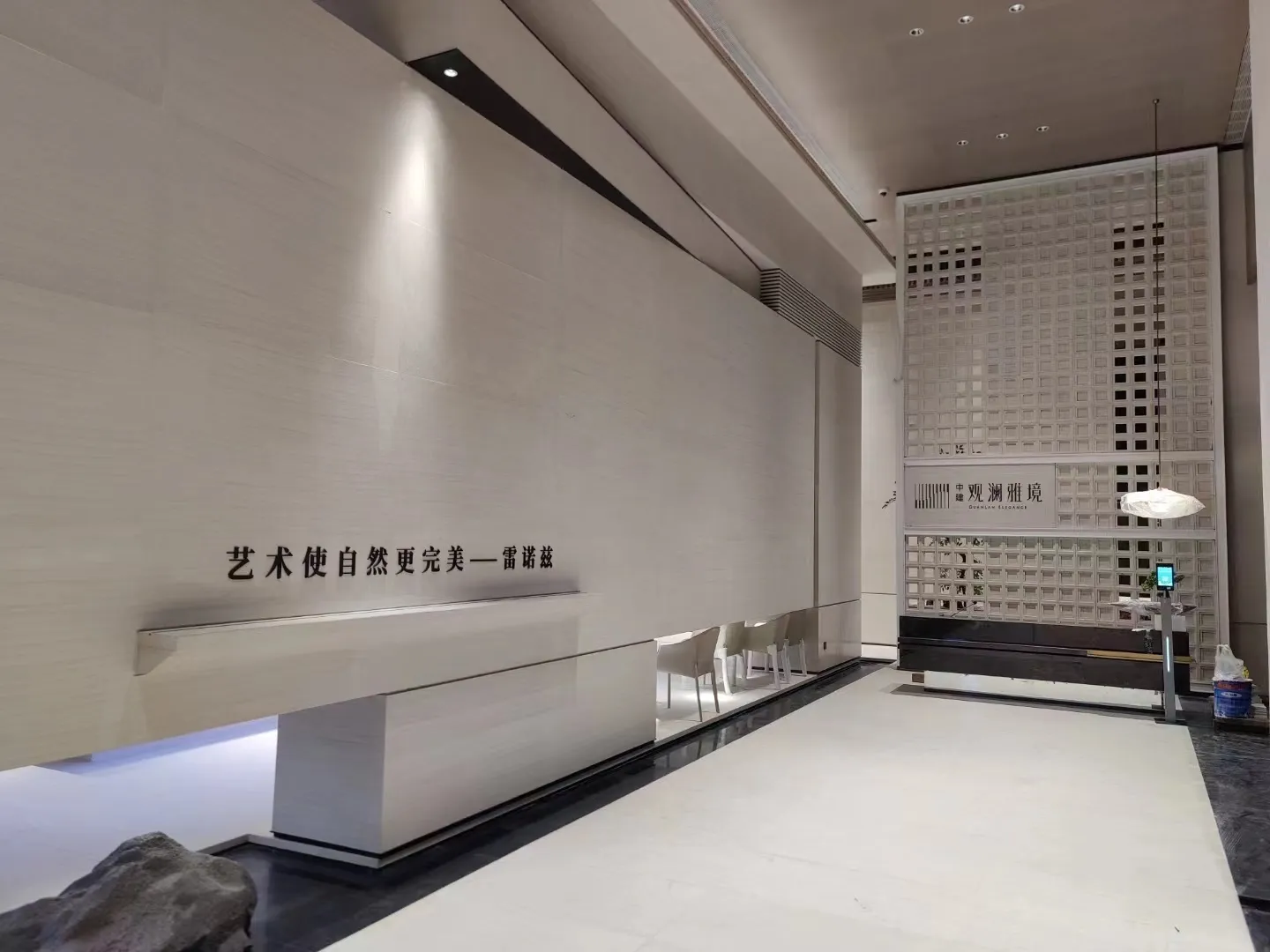
What truly sets Coloria Group apart isn't just their products—it's their approach to partnership. With a network that spans from the Middle East to Europe and beyond, the company prides itself on understanding local markets and tailoring solutions to regional needs. In Saudi Arabia, for example, where extreme temperatures and sandstorms are common, Coloria's MCM panels are tested to withstand 50°C heat, high humidity, and abrasive winds. "We don't just ship products; we collaborate with local architects, contractors, and developers to solve their unique challenges," says a regional director based in Riyadh.
This local-global balance is evident in their customer service, too. From initial design to on-site installation support, Coloria assigns dedicated project teams to ensure every detail is handled. "We had a client in Jeddah who needed their hotel facade completed in time for the Hajj season—a tight deadline by any standard," recalls the director. "Our team worked around the clock, coordinating with local contractors, adjusting the 3D printing schedule to match installation timelines, and even sending engineers to supervise the final touches. The hotel opened on time, and the wave panels became a talking point among pilgrims."
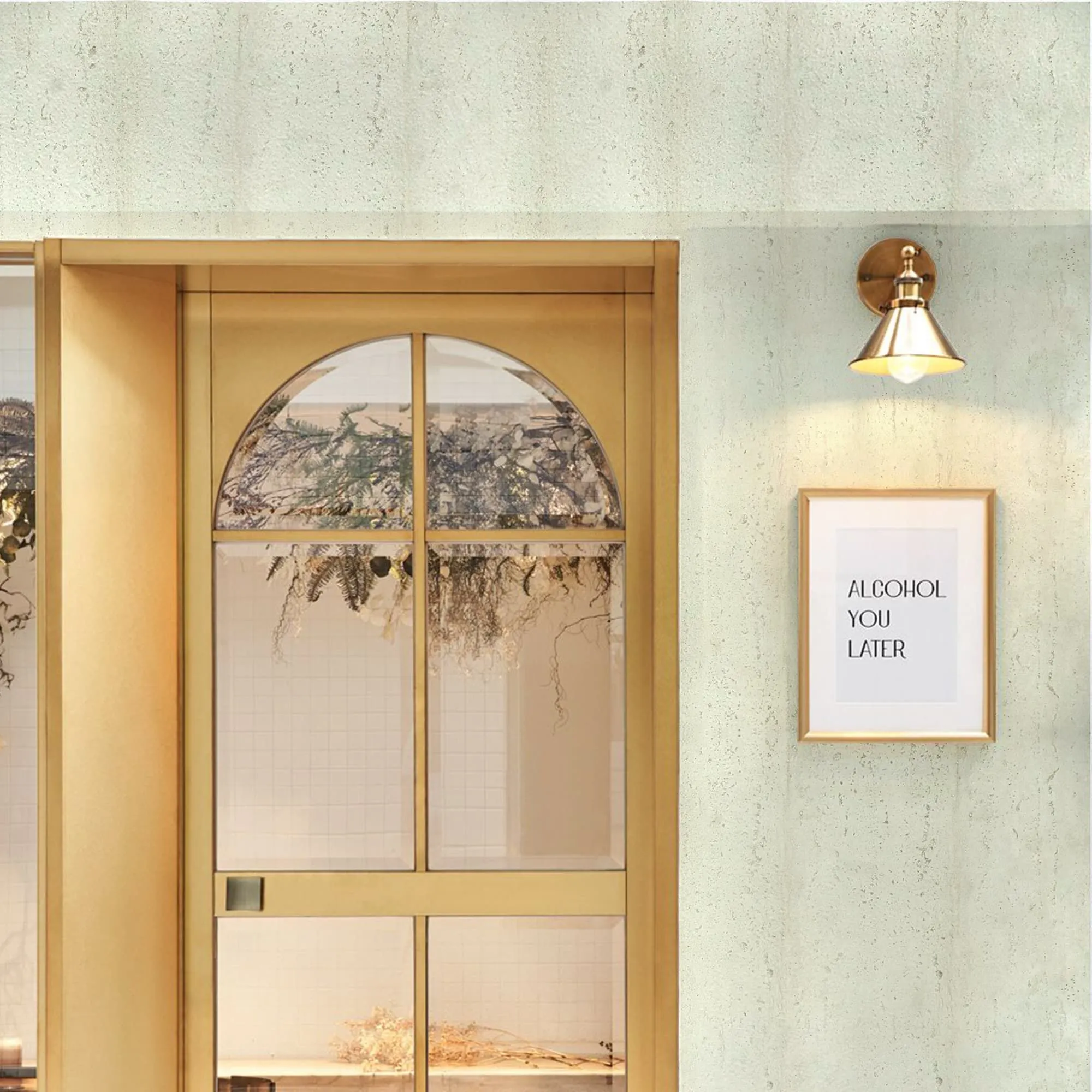
As we wrap up, it's clear that Coloria Group isn't just selling panels—they're selling a vision of the future. A future where buildings are as unique as the people who design them, where sustainability isn't an afterthought but a starting point, and where materials work with nature, not against it. The wave panel, with its fluid lines and 3D-printed precision, is just the beginning. "We're already experimenting with 4D printing—panels that can change shape in response to temperature or light," teases a Coloria researcher. "Imagine a facade that opens up to let in breeze on hot days or closes to insulate on cold nights. The possibilities are endless."
For architects, contractors, and developers ready to embrace this future, Coloria Group offers more than products—they offer a partner in innovation. Whether you're dreaming of a skyscraper wrapped in wave panels that dance with the sun, a historic mosque restored with flexible stone that honors the past, or a mall with seamless big slab boards that exude modern elegance, Coloria's MCM technology is ready to turn that dream into reality. After all, in the world of architecture, the best buildings aren't just built—they're imagined, and with MCM, the only limit is how far you're willing to dream.
Recommend Products











