
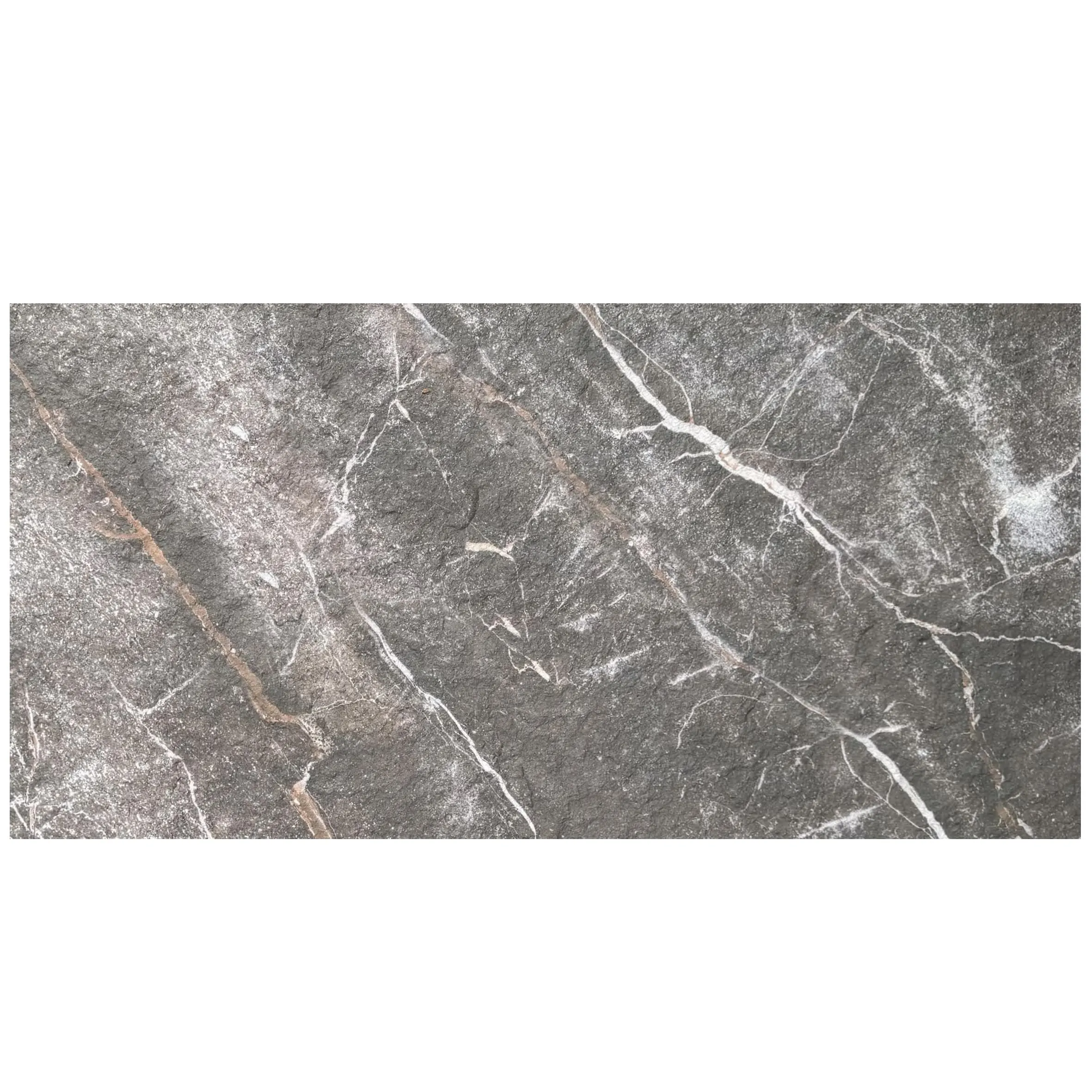
Last month, I sat down with Maria, a project manager at a boutique architecture firm in Chicago, who was tearing her hair out over a facade decision. Her client wanted the timeless elegance of Granite Portoro but was balking at the installation timeline—and the budget overruns she was already projecting. "It's not just the stone cost," she sighed, staring at a spreadsheet. "It's the cranes, the specialized labor, the weeks of weather delays… I keep thinking, there has to be a better way." Sound familiar? If you've ever stood at the crossroads of traditional stone and modern cladding solutions, you know the decision isn't just about aesthetics; it's about the gritty, day-to-day realities of installation. Today, we're diving deep into two heavyweights in the cladding world: the luxurious but unforgiving Granite Portoro, and the innovative, lightweight contender—prefabricated MCM panels, including standouts like mcm flexible stone and the mcm big slab board series. Let's cut through the marketing hype and get real about the challenges each brings to the jobsite.
First, let's talk about why Granite Portoro has been a go-to for high-end projects for decades. Picture this: a deep, inky black slab swirled with veins of gold and cream, catching the light like a starry night. It's opulent, it's timeless, and it screams "permanence." But that permanence comes with a cost—literally and logistically. Let's break down the installation hurdles that make even seasoned contractors pause.
Granite Portoro isn't just heavy; it's unapologetically heavy. A standard 2cm-thick slab weighs in at roughly 28 kilograms per square meter. For context, that's like stacking two medium-sized dogs on every 3x3 foot section of your wall. Now, imagine covering a 10-story building's facade with that. Suddenly, "structural support" isn't just a checkbox—it's a full-blown engineering project. I worked with a team in Miami once that had to reinforce their steel framing with additional brackets because the original design underestimated the stone's load. The fix added $45,000 to the budget and pushed the timeline back three weeks. And that's before you even get to lifting: most slabs require a crane or hoist, which means coordinating delivery schedules with crane rentals, navigating tight urban spaces, and praying the weather holds (more on that later).
Granite is one of the hardest natural stones on the planet, and Portoro is no exception. Its dense composition—packed with quartz and feldspar crystals—turns cutting into a marathon, not a sprint. Forget standard saws; you're looking at diamond-tipped blades that cost $200+ each and wear down after just a few slabs. A single 2m x 1m slab can take 45 minutes to cut to size, and if the blade overheats? You'll end up with chipped edges that require hours of polishing to fix. Then there's the dust: silica dust from granite cutting is a known health hazard, so jobsites need industrial-grade extraction systems or face OSHA fines. I visited a job in Boston last year where the crew skipped proper ventilation to save time, and they were shut down for three days while they installed dust collectors. The delay cost them $12,000 in labor alone.
Here's the irony: for all its toughness, Granite Portoro is surprisingly fragile. Those gold veins? They're often weaker than the surrounding black stone, acting like built-in fault lines. Last year, a contractor in Phoenix lost three $1,200 slabs when a forklift jostled during transport—each snapped cleanly along a gold vein, rendering them useless. That's $3,600 in waste, not counting the week-long delay while new slabs were shipped in. On-site, moving a single slab requires at least two people (four for larger pieces), and a misstep—even a small bump against scaffolding—can lead to hairline fractures that only show up weeks later, under the sun's expansion. "We had a client who insisted on 'character' veins," one mason told me, "but 'character' turns into 'lawsuit' when a crack spreads and water seeps in."
Unlike modern cladding systems that click into place, Granite Portoro relies on good old-fashioned mortar. And mortar is a diva. It hates rain, it hates cold, and it takes its sweet time curing. In humid climates like New Orleans, a mortar bed can take 72 hours to set properly—if it doesn't wash out in a sudden downpour first. I worked on a project there where a surprise thunderstorm hit two hours after setting a batch of slabs; by morning, three had slipped, and the mortar had turned to mud. We had to chip out the damaged material and start over, adding five days to the schedule. Even in ideal weather, the curing process means you're looking at a glacial installation pace: maybe 20-30 square meters per day for a skilled crew, compared to 100+ with faster systems.
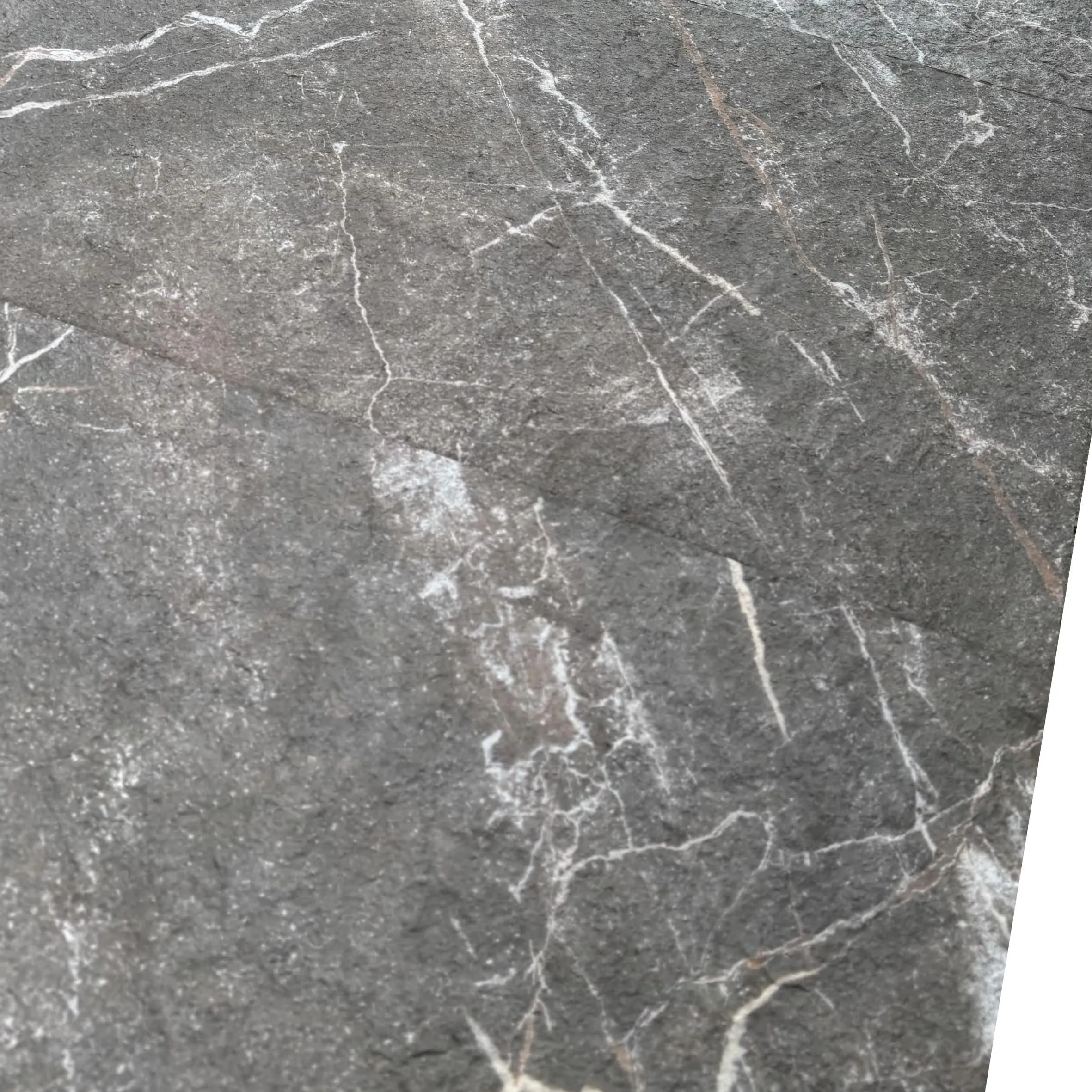
Enter MCM panels—short for Modified Composite Material—a category that includes game-changers like mcm flexible stone and the mcm big slab board series. These panels blend mineral aggregates, polymers, and sometimes thin stone veneers to mimic natural materials at a fraction of the weight (typically 3-5 kg per square meter) and with far greater design flexibility. But don't mistake "modern" for "easy." MCM has its own set of installation challenges that can trip up even teams eager to embrace innovation.
MCM panels are lightweight, but they're also picky about their substrate. Unlike Granite Portoro, which can cling to rough mortar beds, MCM demands a smooth, flat surface—no exceptions. I visited a jobsite in Seattle where the crew thought they could skip priming a plywood substrate to save time. Big mistake. The panels, which rely on adhesive for bonding, started peeling within days because the wood's natural grain created tiny gaps. "We spent three days sanding and re-priming," the foreman groaned. "What should've been a one-day install turned into a week." Even concrete substrates need attention: any crack, bump, or uneven stud will telegraph through the panel, creating unsightly bulges. For the mcm big slab board series, which can span up to 4x8 feet, this becomes even trickier—one small imperfection in the substrate and the entire panel will warp like a potato chip.
Here's a physics lesson no one warns you about: MCM panels move. A lot. Because they're composite (think: plastic and minerals), they expand and contract with temperature changes more than natural stone. In Phoenix, where summer temps hit 110°F and winter nights drop to 40°F, that's a swing of 70°F—enough to make a 10-foot panel expand by nearly ½ inch. Ignore this, and you'll end up with buckled panels or gaps that let in water. I worked with a team in Las Vegas that forgot to leave expansion gaps between panels; by mid-summer, the seams had popped open, and birds nested in the cracks. The fix? Removing and re-installing 20 panels at $800 each. Moral: Always follow the manufacturer's guidelines on gap spacing—and invest in flexible sealants that can keep up with the movement.
One of MCM's selling points is its ability to mimic natural stone, but that illusion can shatter at the seams. Unlike Granite Portoro, which can be mitered for a seamless corner, MCM panels often have visible edges—especially if you're using smaller sizes. The mcm big slab board series helps here by reducing the number of seams, but even large panels need careful edge treatment. A project in Austin tried to hide seams with generic caulk, only to have the client reject the finished facade: "It looks like a sticker," they complained. The solution? Custom-colored sealant that matched the panel's "vintage gold" finish—a $2,000 upgrade and two days of rework. Pro tip: Order edge trims or bullnose profiles from the same manufacturer to keep the look consistent.
Natural stone like Granite Portoro has unique veining that's celebrated as "character," but MCM panels rely on printed or dyed finishes—and that means batch variation is a real risk. A contractor in Denver learned this the hard way when they ordered panels for a second phase of a project six months after the first. The "vintage silver" finish was noticeably darker in the new batch, creating a patchwork effect on the facade. The client refused to accept it, so the entire first phase had to be replaced—$40,000 down the drain. To avoid this, always order extra panels from the same batch, and inspect samples in natural light (not just under jobsite lights) before installation. It's a small step that can save you a world of hurt.
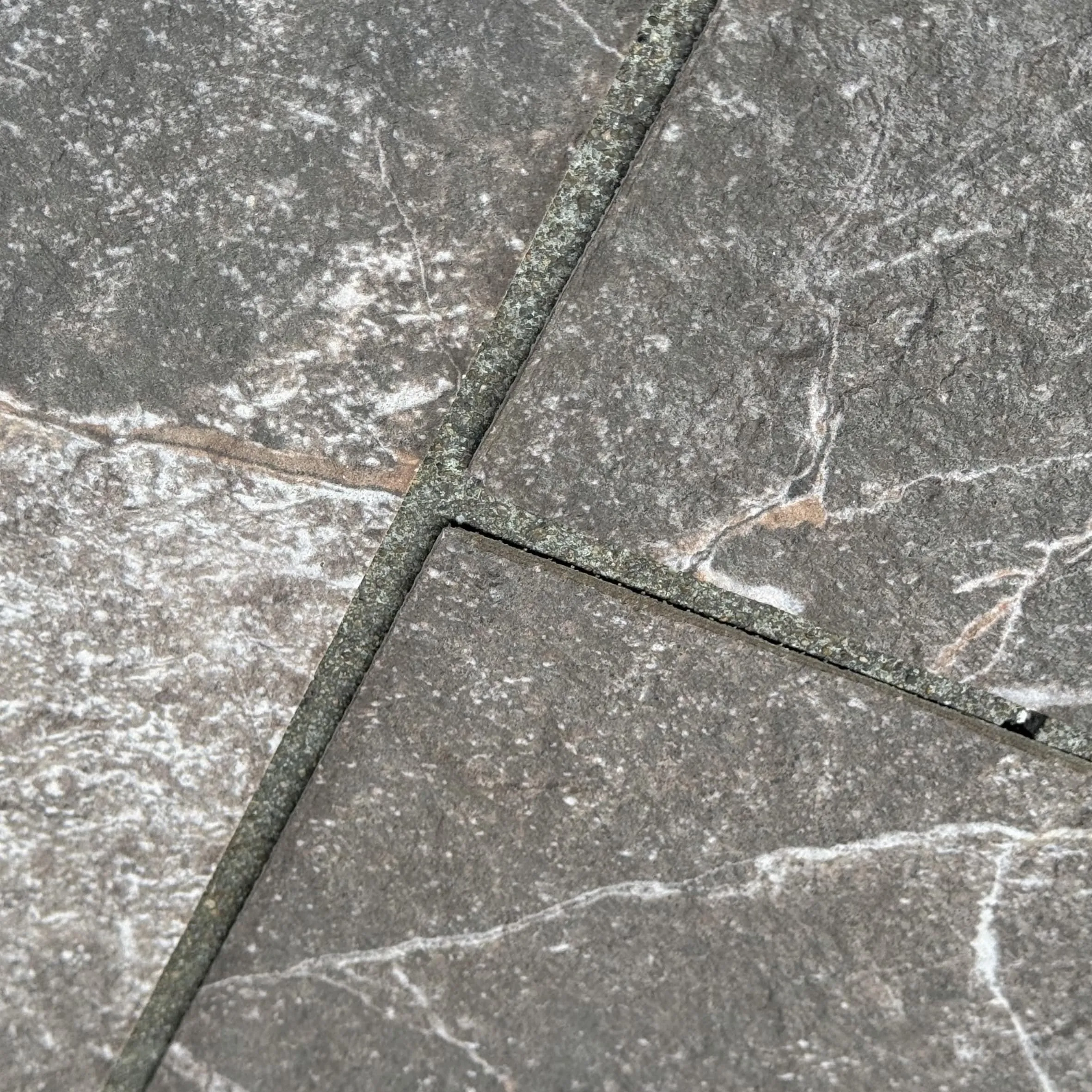
Still on the fence? Let's put Granite Portoro and MCM panels (including mcm flexible stone and the big slab series) side by side in the categories that matter most on the jobsite:
| Installation Factor | Granite Portoro | MCM Panels (e.g., mcm flexible stone, big slab series) |
|---|---|---|
| Weight per sqm | 28 kg (requires structural engineering, cranes) | 3-5 kg (hand-carryable, minimal structural support) |
| Cutting Difficulty | Extreme: Diamond blades, slow cutting, high dust | Moderate: Standard saws, minimal dust, faster cuts |
| Required Tools | Cranes, diamond blades, mortar mixers, dust extractors | Adhesive guns, standard saws, levelers, edge trimmers |
| Installation Time (per 100 sqm) | 5-7 days (skilled masons, curing time) | 1-2 days (general labor, no curing wait) |
| Labor Skill Level | High: Certified stone masons required | Moderate: Basic training suffices for most installs |
| Weather Impact | Severe: Mortar hates rain/cold; delays common | Mild: Adhesive cures in most weather; avoid extreme temps |
| Waste Rate | 10-15% (breakage, cutting errors) | 3-5% (minimal breakage, precise prefab cuts) |
| Structural Support Needed | Extensive: Steel/ concrete reinforcement often required | Minimal: Works with standard framing, no extra reinforcement |
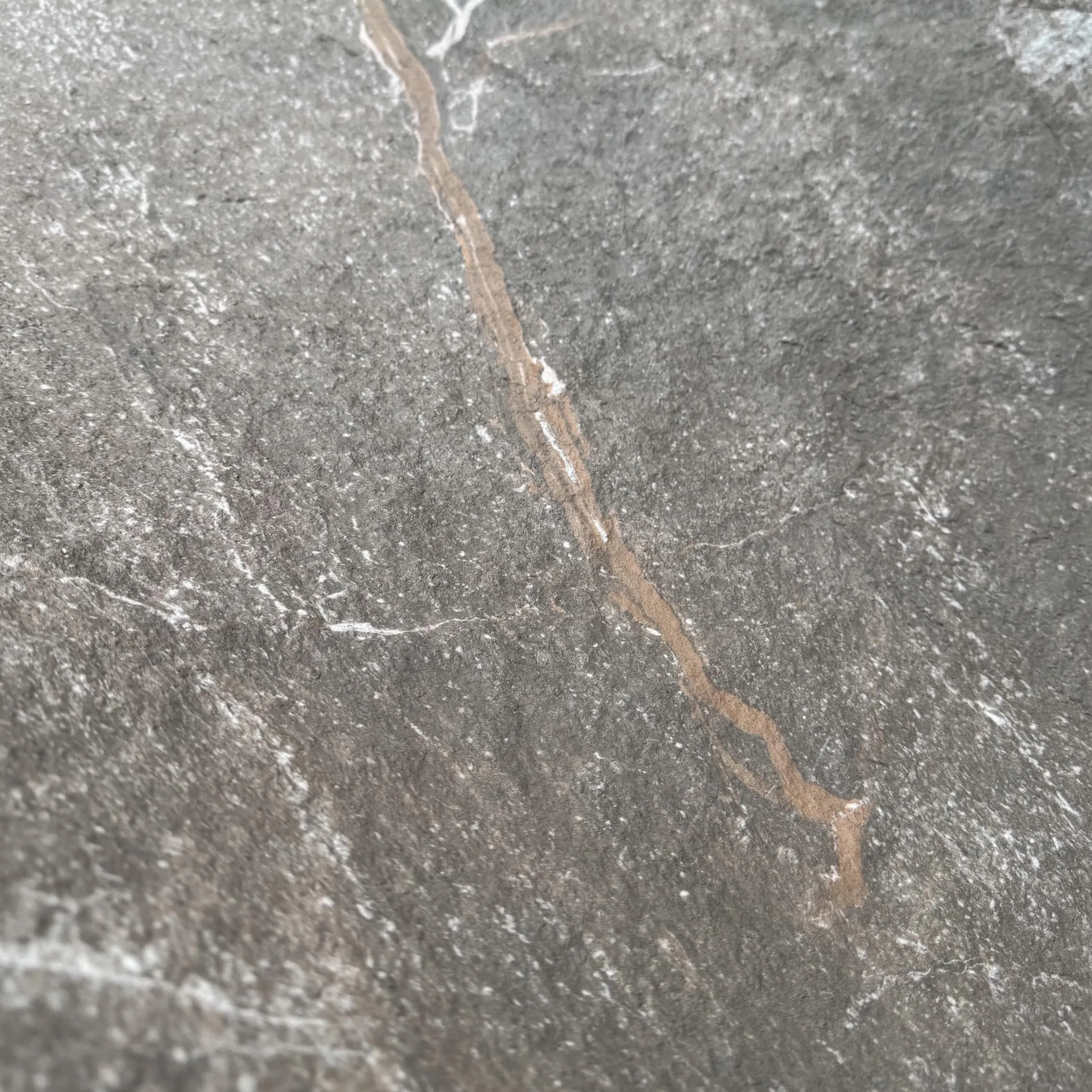
So, back to Maria in Chicago. After weighing the challenges, she made a compromise: Granite Portoro for the building's entrance (where the "wow" factor justified the cost) and mcm flexible stone for the upper floors (cutting installation time by 60% and eliminating crane fees). "The client gets their luxury moment," she told me, "and I get to sleep at night knowing we'll finish on time." That's the key takeaway here: neither material is perfect, but understanding their installation challenges lets you play to their strengths.
Granite Portoro is unparalleled for projects where budget and timeline take a backseat to timeless beauty—think boutique hotels, high-end retail, or trophy buildings. But it demands planning, deep pockets, and a tolerance for delays. MCM panels, meanwhile, shine for projects where speed, weight, and cost control are critical—especially when using innovations like the mcm big slab board series to minimize seams. They're not a "fake" stone; they're a smarter way to get the look of stone without the headaches. Just remember: MCM requires precision in surface prep and attention to thermal movement, or you'll end up with a facade that looks great on day one but falters by year three.
At the end of the day, the best cladding choice isn't about which material is "better"—it's about which one aligns with your project's unique challenges. So, ask yourself: What's non-negotiable? The client's love for gold-veined black stone? Or the team's need to finish before winter? Once you answer that, the rest falls into place. And if you're still stuck? Call Maria. She's got a spreadsheet (and a few war stories) that might just save your sanity.
Recommend Products












