
In the world of construction and design, time is more than just a number on a calendar—it's a budget line item, a deadline hanging over project managers, and a silent pressure that shapes every decision from groundbreaking to final polish. When it comes to exterior cladding, the choice between traditional natural stone and modern alternatives like the MCM Marble Series isn't just about aesthetics. It's about how quickly you can turn a bare wall into a stunning facade without sacrificing quality. Let's dive into why installation time matters, how natural stone cladding stacks up, and why MCM flexible stone is redefining efficiency in the industry.
For decades, natural stone—think travertine, marble, or granite—has been the gold standard for luxury cladding. Its unique veining, tactile texture, and timeless appeal make it a favorite for high-end hotels, corporate buildings, and historic renovations. But that beauty comes with a hidden cost: time. Let's walk through what installing natural stone cladding actually entails, step by step.
Natural stone starts its journey in a quarry, where massive blocks are extracted using diamond-tipped saws or explosives. These blocks then travel to processing facilities, where they're cut into slabs—often 2–3 inches thick and weighing 80–150 pounds each. Even before they reach the job site, weeks (sometimes months) have passed: quarrying delays due to weather, transportation logjams, and custom cutting to fit project specifications. For example, a recent hotel project in Chicago needed 500 travertine slabs with custom beveled edges; the lead time from quarry to delivery was 12 weeks alone.
Once the stone arrives, the real work begins. Natural stone is heavy—so heavy that even moving a single slab requires specialized equipment: cranes, forklifts, or suction cups operated by trained crews. A 100-square-foot section might need 10–15 slabs, each requiring careful lifting and positioning. And fragility? A misstep, a sudden gust of wind, or a slight bump against a wall can crack a slab, turning a $500 piece of material into waste. That means crews move slowly, double-checking every angle, which adds hours to the process.
Installing natural stone cladding isn't just sticking slabs to a wall. First, the substrate (the wall itself) needs to be prepped: cleaned, leveled, and reinforced to support the weight. Then, crews drill anchors into the wall, apply mortar or adhesive, and carefully place each slab, ensuring alignment with the one next to it. Gaps between slabs need to be grouted, and then the entire surface must cure—sometimes for days—before it can be sealed. For a 500-square-foot facade, this process can take 2–3 weeks, even with a full crew of 4–5 workers. And that's if everything goes right: rain delays, mismatched slabs, or adhesive issues can stretch it to a month or more.
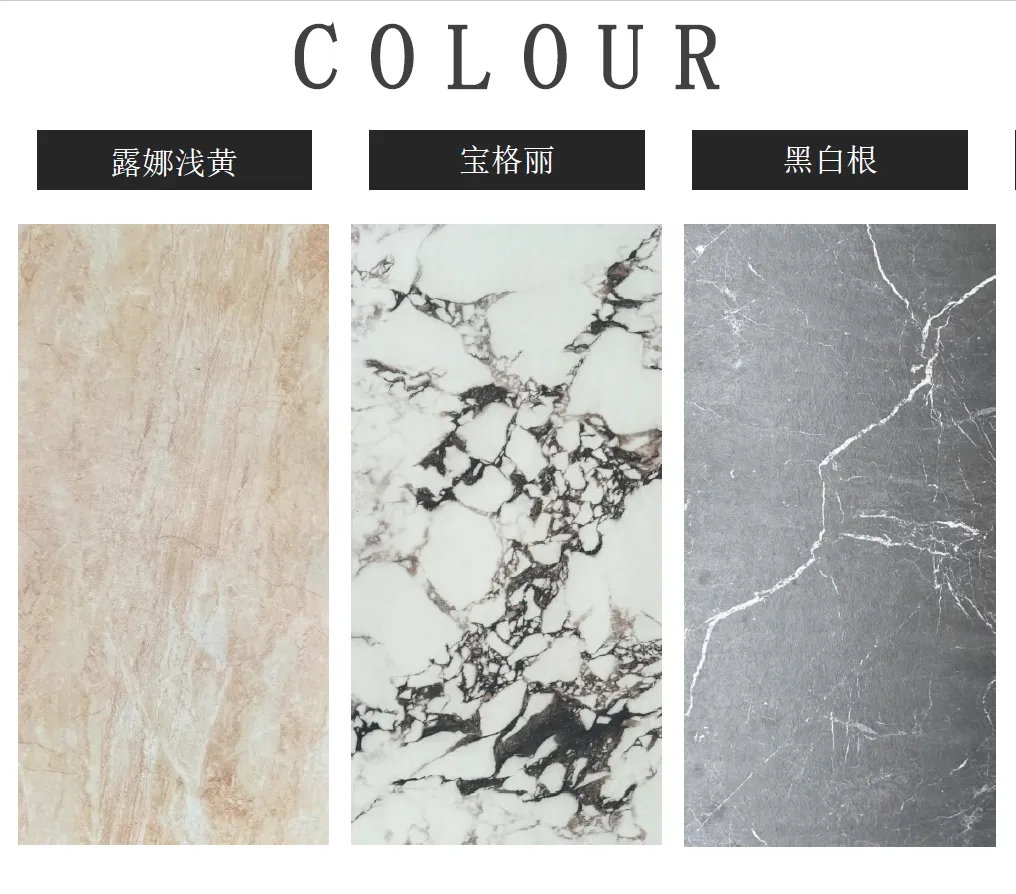
Enter MCM (Modified Composite Material) technology—a game-changer that marries the look of natural stone with the practicality of modern engineering. The MCM Marble Series, in particular, is a standout: it mimics the texture and color of real marble, travertine, and other stones but in a lightweight, flexible panel. Let's break down why this isn't just a "fake stone" but a smarter way to build.
MCM flexible stone is a composite material made from natural stone particles (think crushed marble or travertine) mixed with a polymer resin. The result? A panel that's thin (usually 3–5mm thick), lightweight (less than 5 pounds per square foot), and surprisingly durable. Unlike natural stone, it's flexible enough to bend around curves, resist impact, and even withstand extreme temperatures. And here's the kicker: it's designed for quick installation.
Installing MCM Marble Series panels feels like a breath of fresh air compared to natural stone. Let's walk through the process: First, the panels arrive pre-cut to your project's dimensions—no on-site sawing required (though you can trim them with a standard utility knife if needed). They're lightweight enough for two workers to carry up a ladder, no cranes necessary. The substrate prep is minimal too: as long as the wall is clean and flat, you can apply a high-strength adhesive directly to the back of the panel and press it into place. No anchors, no mortar, no grouting (unless you want the grout look for aesthetic reasons).
For that same 500-square-foot facade we mentioned earlier? A crew of 2–3 people could install it in 2–3 days. Let that sink in: days instead of weeks. Why? Because there's no waiting for curing, no heavy lifting delays, and no fear of cracking a panel if it slips. It's a process that feels less like construction and more like assembling a giant, beautiful puzzle—one that clicks into place quickly.
Numbers tell the story best. Let's compare key installation factors for a 500-square-foot exterior cladding project:
| Factor | Natural Stone Cladding (e.g., Travertine) | MCM Marble Series (MCM Flexible Stone) |
|---|---|---|
| Material Lead Time | 8–12 weeks (quarrying, cutting, shipping) | 2–3 weeks (pre-fabricated panels) |
| On-Site Installation Time | 14–21 days (500 sq ft) | 2–3 days (500 sq ft) |
| Labor Required | 4–5 workers (crane operator, stone masons, helpers) | 2–3 workers (general contractors, no special skills needed) |
| Weight per Sq Ft | 30–50 lbs (requires structural reinforcement) | 3–5 lbs (no structural reinforcement needed) |
| Waste Rate | 10–15% (due to breakage, cutting errors) | Less than 2% (panels are durable and easy to trim) |
To understand the difference, let's hear from people who've lived it. Take Maria, a project manager for a boutique hotel in Miami. Her team originally planned to use natural travertine for the exterior cladding. "We budgeted 6 weeks for installation," she recalls. "But the stone arrived late, then a crane broke down, and a storm delayed grouting. We ended up 3 weeks over schedule, and labor costs spiked by $40,000. The client was furious."
Contrast that with Raj, who oversaw a retail complex renovation in Austin using MCM Marble Series. "We needed to open before the holiday season, so every day counted," he says. "The MCM panels arrived in 2 weeks, and a small crew had the entire facade up in 4 days. We finished a month early, saved on labor, and the client was so happy they used MCM for the interior accent walls too. It wasn't just about speed—it was about reliability. With MCM, we knew exactly how long it would take, no surprises."
Installation speed is a big win, but MCM Marble Series has more to offer. Its lightweight nature means you can clad buildings that couldn't support natural stone—think older structures with weaker foundations or high-rise balconies where weight is a safety concern. It's also low-maintenance: unlike natural stone, it doesn't require sealing every year to prevent staining, and it resists mold, mildew, and fading from UV rays.
Design flexibility is another perk. MCM panels can be curved, perforated, or printed with custom patterns—something nearly impossible with natural stone. Want a facade that mimics lunar peak silvery stone? Done. Prefer the look of travertine (starry blue) for a resort vibe? MCM can replicate that texture and color without the hassle of sourcing rare natural stone.
Natural stone will always have a place in design for its irreplaceable beauty. But in a world where projects are measured by deadlines and budgets, MCM Marble Series and MCM flexible stone are proving that you don't have to choose between aesthetics and efficiency. Faster installation means earlier project completions, lower labor costs, and happier clients. It means turning a 6-week cladding project into a 1-week sprint, freeing up crews to focus on other tasks and reducing the risk of weather-related delays.
At the end of the day, construction is about building something lasting—but you shouldn't have to wait forever to see it come to life. MCM Marble Series isn't just a material; it's a smarter way to build—one that respects the past while racing toward the future. And in a industry where time waits for no one, that's a game-changer.
Recommend Products












