
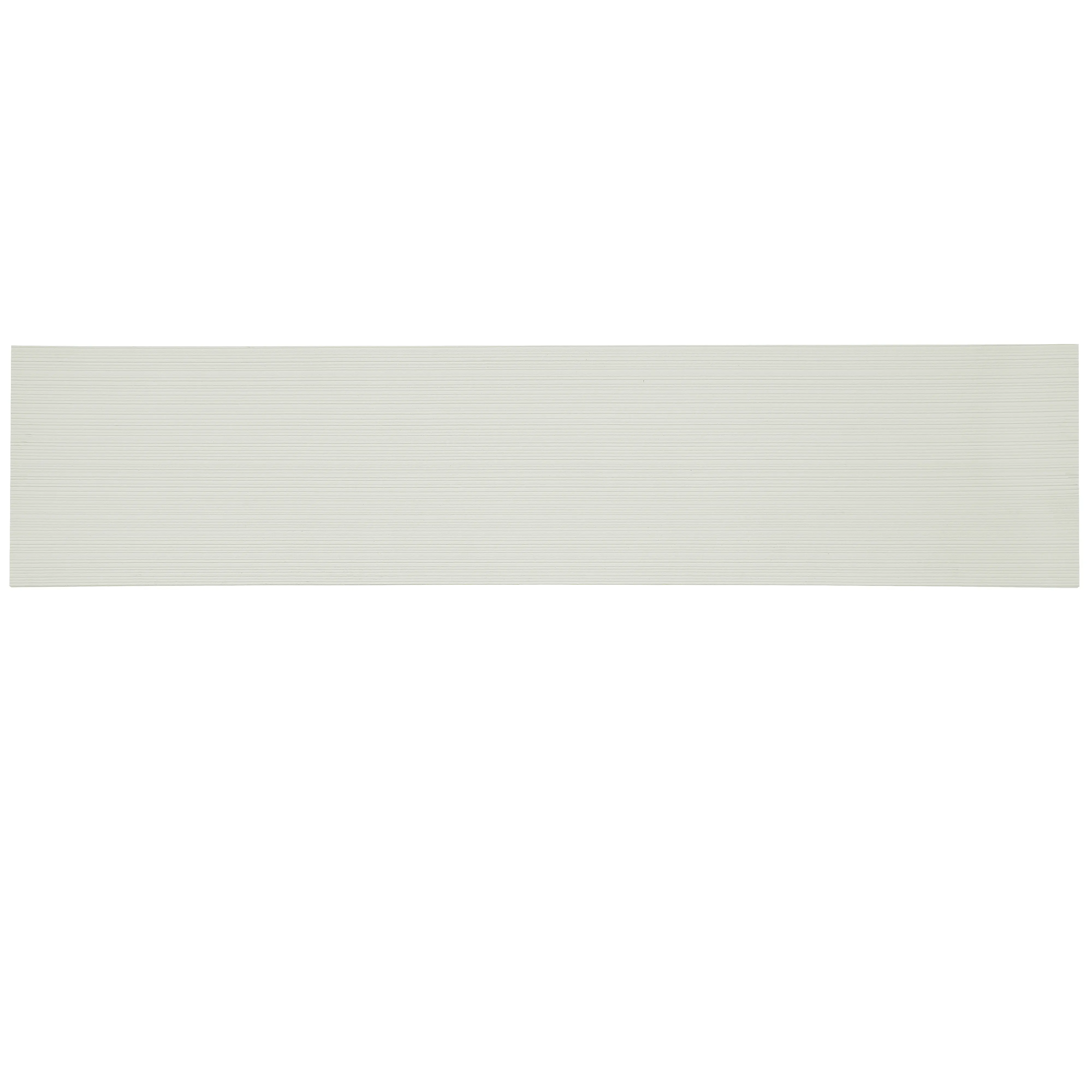
Building in Saudi Arabia's arid landscape is a balancing act—one that demands materials tough enough to withstand scorching sun, sudden temperature swings, and swirling sandstorms, yet elegant enough to elevate modern architecture. For many local builders, the search for such a material often leads to Fine Line Stone (White) , a sleek, versatile cladding option that's been gracing facades from Riyadh's commercial towers to Jeddah's boutique hotels. But installing it successfully in this unforgiving climate? That requires more than just following a manual—it means understanding how the desert's unique conditions interact with the stone, and adapting techniques to ensure longevity. Let's dive into the art and science of making Fine Line Stone (White) thrive in Saudi Arabia's arid heart.
Saudi Arabia's climate isn't just "hot"—it's extreme. Daytime temperatures soar above 45°C in summer, plummeting to 15°C at night, creating thermal stress that can crack rigid materials. UV radiation, 30% stronger here than in temperate zones, fades colors and weakens binders. Low humidity (often below 20%) dries out adhesives prematurely, while sandstorms blast surfaces with abrasive particles. Even "durable" classics like marble or granite can struggle: marble etches under acidic dust, and granite's weight strains building frames. This is where MCM flexible stone —the category that includes Fine Line Stone (White)—shines. Unlike rigid stone slabs, MCM (Modified Composite Material) stones are lightweight, bendable, and engineered to resist the very stresses that break traditional cladding.
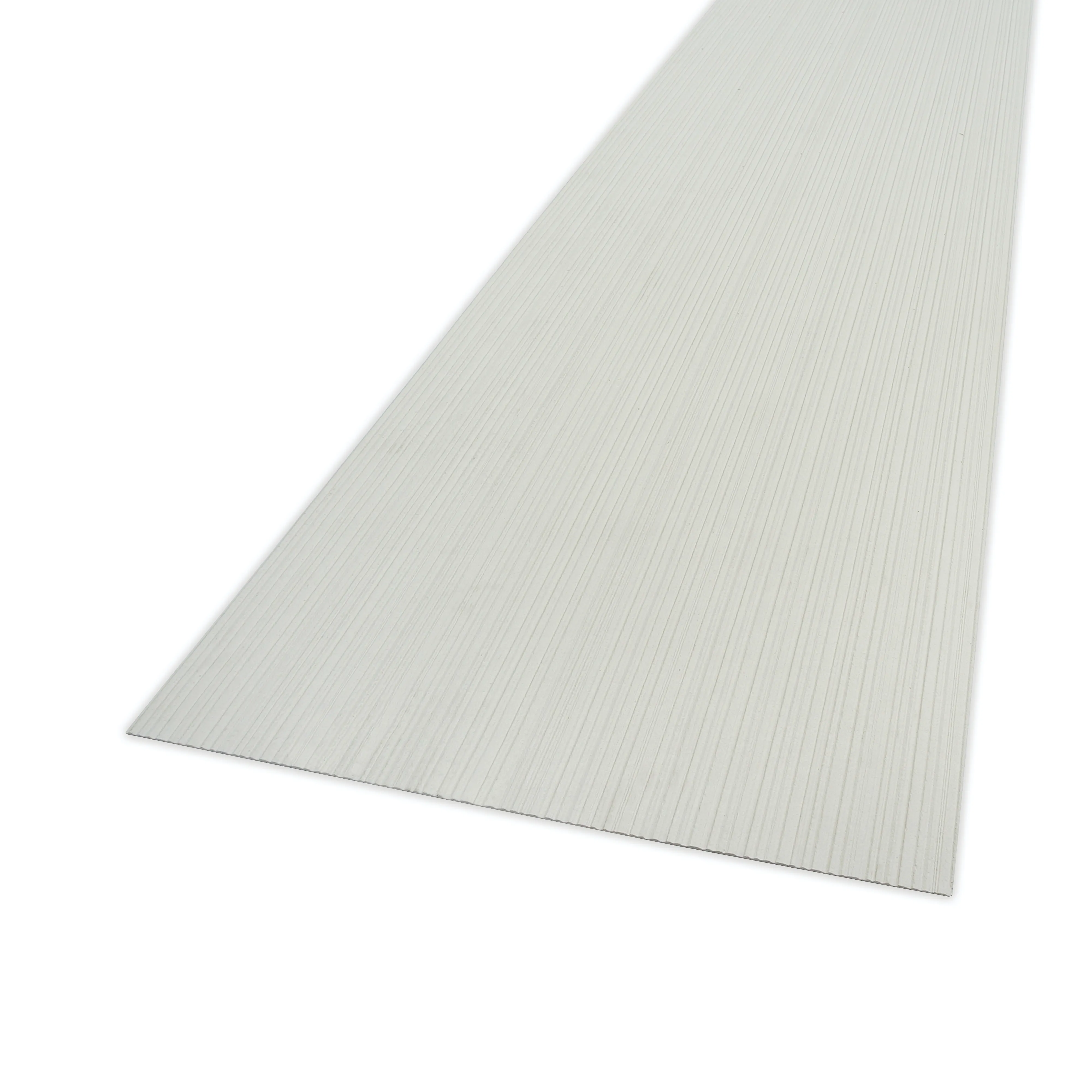
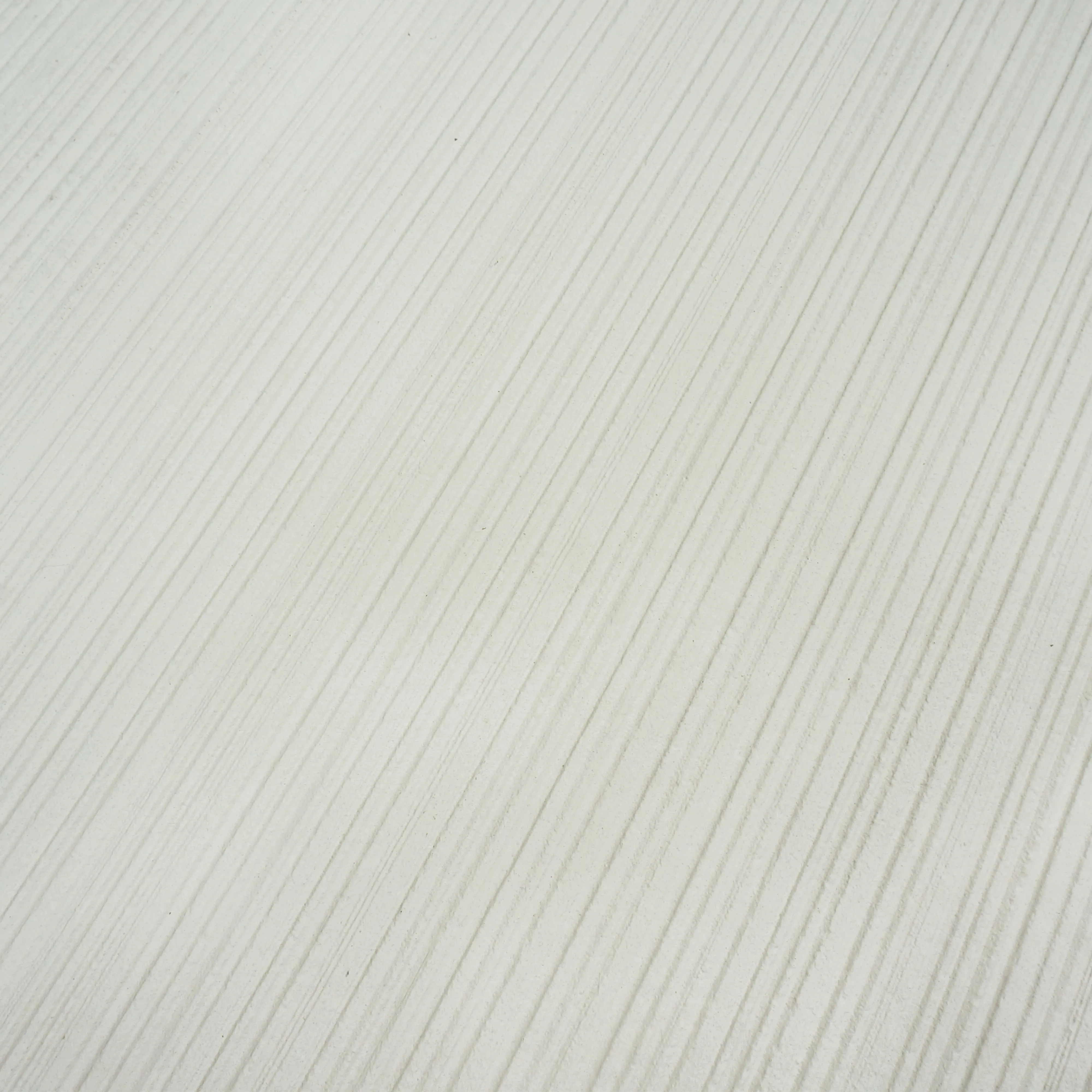
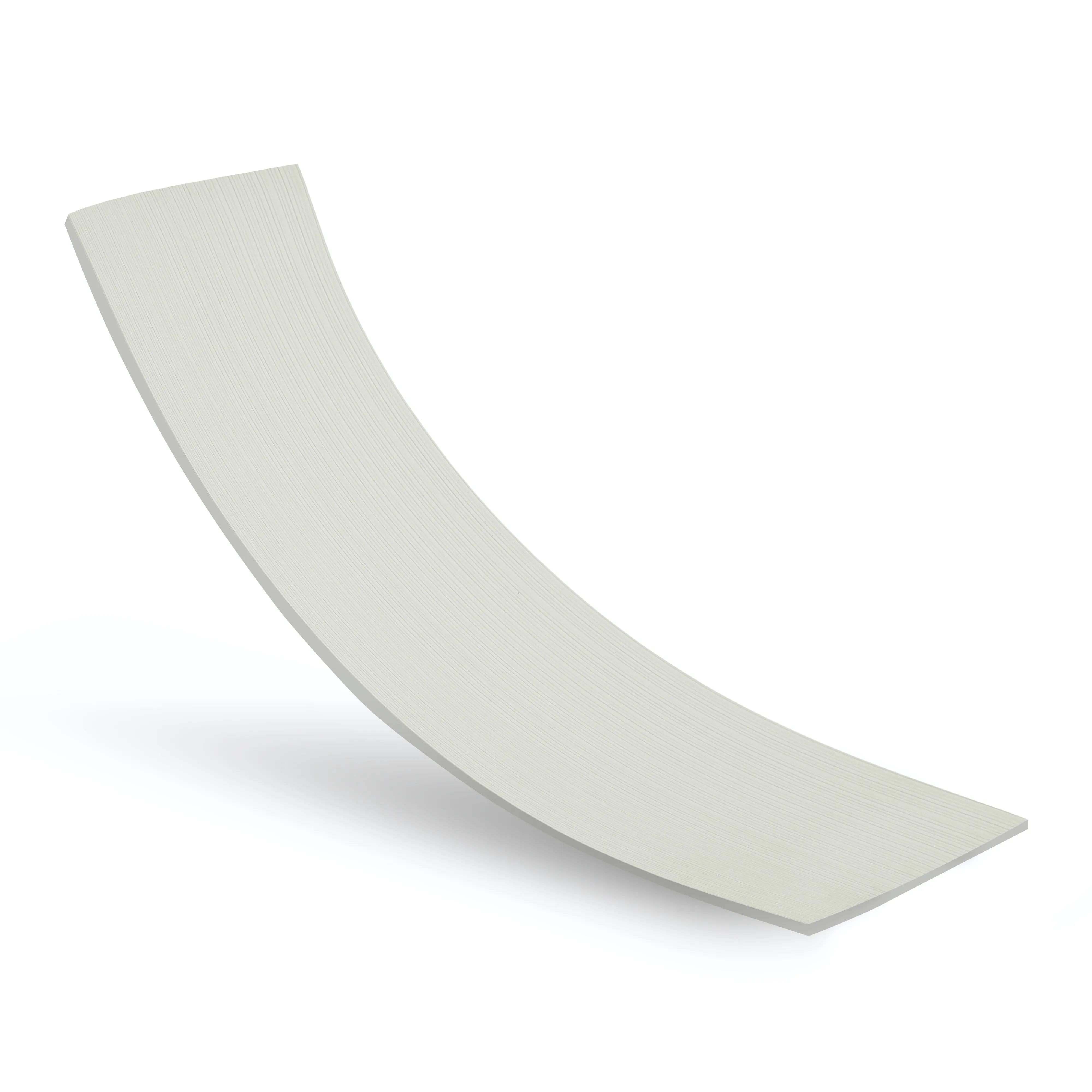
Fine Line Stone (White) isn't just a pretty face. As part of the MCM flexible stone family, it's crafted from a blend of natural stone particles, fiberglass mesh, and polymer binders, creating a material that's 70% lighter than natural stone but twice as impact-resistant. Its key advantages for arid climates include:
To truly appreciate Fine Line Stone (White)'s fit for Saudi Arabia, let's compare it to two other popular options: Travertine (Starry Green) (a classic natural stone) and Rammed Earth Board (Middle) (a trendy, earthy alternative). The table below breaks down their performance in key desert conditions:
| Property | Fine Line Stone (White) (MCM) | Travertine (Starry Green) (Natural Stone) | Rammed Earth Board (Middle) (Composite) |
|---|---|---|---|
| Water Absorption | 0.3-0.5% | 2-3% (porous, requires sealing) | 1.2-1.5% (moderate porosity) |
| Thermal Conductivity (W/m·K) | 0.15-0.20 (insulating) | 1.2-1.5 (conducts heat) | 0.30-0.35 (moderate insulation) |
| UV Resistance | Excellent (color stable for 10+ years) | Fair (may fade green hue over 5-7 years) | Good (earth tones fade slowly, ~8-10 years) |
| Installation Weight (kg/m²) | 4-5 | 20-25 (requires reinforced substrate) | 8-10 |
| Sandstorm Abrasion Resistance | High (polymer coating resists scratching) | Moderate (soft calcite layers wear over time) | Moderate (textured surface traps sand, causing micro-scratches) |
For Saudi builders prioritizing durability, ease of installation, and long-term performance, Fine Line Stone (White) clearly stands out—especially in projects where reducing structural load and maintenance costs are priorities.
Success with Fine Line Stone (White) starts long before the first panel goes up. In arid climates, preparation is everything. Here's what Saudi builders need to focus on:
Not all arid zones are the same. A project in coastal Jeddah faces salt-laden humidity (even in "arid" conditions) that inland Riyadh doesn't, while a site in Al Qassim might see more sandstorms than one in Abha's cooler highlands. Before installing, map your microclimate: measure average daily temperature swings, sandstorm frequency, and proximity to the coast. For example, coastal areas may require extra sealing against salt, while inland sites need adhesives rated for extreme heat (up to 60°C surface temperatures).
Pro Tip: Use a thermal imaging camera to check substrate temperatures at different times of day. Surfaces in direct sun can reach 70°C—hot enough to melt low-quality adhesives. Opt for heat-resistant, solvent-free adhesives with a service temperature range of -10°C to 80°C.
Fine Line Stone (White), like all MCM flexible stones, is sensitive to temperature changes during installation. If stored in a cool warehouse (20°C) and then installed directly on a 50°C facade, the sudden heat can cause the panels to expand, leading to warping or gaps. To avoid this, unload panels 48 hours before installation and store them in a shaded area on-site. This allows the stone to adjust to ambient temperatures, ensuring it's stable when you apply it.
The substrate—whether concrete, metal, or masonry—must be clean, dry, and flat. In Saudi Arabia, substrates often suffer from efflorescence (white salt deposits) due to groundwater evaporation. Scrub these off with a wire brush and neutral pH cleaner, then rinse thoroughly. For uneven surfaces, repair with fair-faced concrete (a smooth, dense mix) to create a flat base. Avoid using mortar mixes with high lime content—they can react with the stone's polymers over time.
Installing Fine Line Stone (White) in the desert isn't just about sticking panels to a wall—it's about adapting steps to counteract heat, low humidity, and wind. Here's how to tweak standard methods for Saudi conditions:
A quality primer is your first defense against heat-related adhesion failure. Use a solvent-based acrylic primer (water-based primers dry too quickly in low humidity) and apply it in thin, even coats. Let it cure for 2-3 hours—check the manufacturer's specs, as high temperatures can speed up curing. A well-primed surface creates a bond bridge between the substrate and adhesive, even when the sun beats down.
In arid climates, adhesives are the unsung heroes. Avoid "all-purpose" mastics—they often soften in high heat. Instead, use a two-part epoxy adhesive or a polyurethane-based adhesive with high shear strength (minimum 1.5 MPa). For vertical installations, add a "dot-and-dab" pattern: apply 50mm-diameter adhesive dots every 200mm, leaving gaps for air circulation (this prevents heat buildup between the panel and substrate). For horizontal surfaces (like soffits), use a full bed of adhesive to resist wind uplift.
Fine Line Stone (White) cuts cleanly with a diamond-tipped blade, but heat can affect the process. In 45°C weather, the blade friction may melt the stone's polymer binder, leaving rough edges. To avoid this, keep the blade cool with a mist of water (but dry the panel immediately afterward to prevent water spots). Cut panels in the shade, and use a straightedge guide to ensure clean, straight lines—crooked cuts are harder to seal, and gaps can let in sand and moisture.
Even with MCM's flexibility, thermal expansion is real. In Saudi Arabia, Fine Line Stone (White) can expand up to 1.5mm per linear meter in summer heat. To prevent buckling, leave 3-5mm gaps between panels. Use plastic spacers during installation to maintain consistent spacing, and fill gaps with a heat-resistant silicone sealant (choose a neutral-cure type to avoid staining the stone's white surface). For corner joints, use L-shaped metal profiles to reinforce the connection without restricting movement.
Grout isn't just for looks—it's a barrier against sand and dust. In arid climates, avoid traditional cement grouts, which shrink and crack under thermal stress. Instead, use a polymeric grout with microfibers for flexibility. Mix it slightly wetter than recommended (low humidity dries grout quickly) and apply with a rubber float, pressing firmly into gaps. After grouting, seal the entire surface with a silicone-based sealer designed for MCM stones. Opt for a matte finish to avoid glare in bright sun, and re-seal every 2-3 years to maintain water resistance.
Even the toughest materials need care, and Fine Line Stone (White) is no exception. In Saudi Arabia's harsh environment, regular maintenance keeps it looking fresh and functional:
In 2023, a 15-story office building in Riyadh's King Abdullah Financial District opted for Fine Line Stone (White) cladding to reduce cooling costs (its white surface reflects 70% of solar radiation, vs. 30% for dark stone). The installation team followed arid-climate best practices: they acclimated panels for 48 hours, used heat-resistant epoxy adhesive, and sealed with a UV-stable silicone. Six months later, during a July sandstorm with 60 km/h winds, the facade emerged unscathed—no cracks, no discoloration, and minimal dust buildup. Post-installation thermal scans showed the building's interior stayed 5°C cooler than neighboring towers with traditional granite cladding, cutting AC costs by 18%. "We were skeptical at first—white stone in the desert? But the MCM flexibility and heat resistance proved us wrong," said the project's lead architect.
A: Absolutely! Its low porosity makes it ideal for interiors, where air conditioning can dry out other materials. Many Saudi homes use it in living rooms or bedrooms for a sleek, modern look. Just ensure interior substrates are dry—avoid installing near humid areas like bathrooms without extra sealing.
A: Wood-grain MCM boards require similar cleaning but may need more frequent sealing (every 1-2 years) to protect their textured surface from dust buildup. Fine Line Stone (White)'s smooth finish is easier to wipe clean, making it lower-maintenance for busy commercial spaces.
A: Yes. Small chips can be filled with a matching polymer filler, then sanded and sealed. For larger damage, individual panels can be replaced—just heat the adhesive with a heat gun to soften it, peel off the old panel, and install a new one using the same techniques as the original installation.
Installing Fine Line Stone (White) in Saudi Arabia's arid climate isn't just about following steps—it's about respecting the desert's power and working with it. By choosing MCM flexible stone, acclimating materials, prepping substrates carefully, and using heat-resistant adhesives, builders can create facades that are both beautiful and resilient. In a region where architecture is increasingly focused on sustainability and longevity, Fine Line Stone (White) isn't just a cladding choice—it's a statement: that even in the harshest environments, design and durability can coexist. So the next time you pass a gleaming white facade in the Saudi desert, remember: behind that beauty is a builder who knew how to dance with the desert's demands.
Recommend Products












