
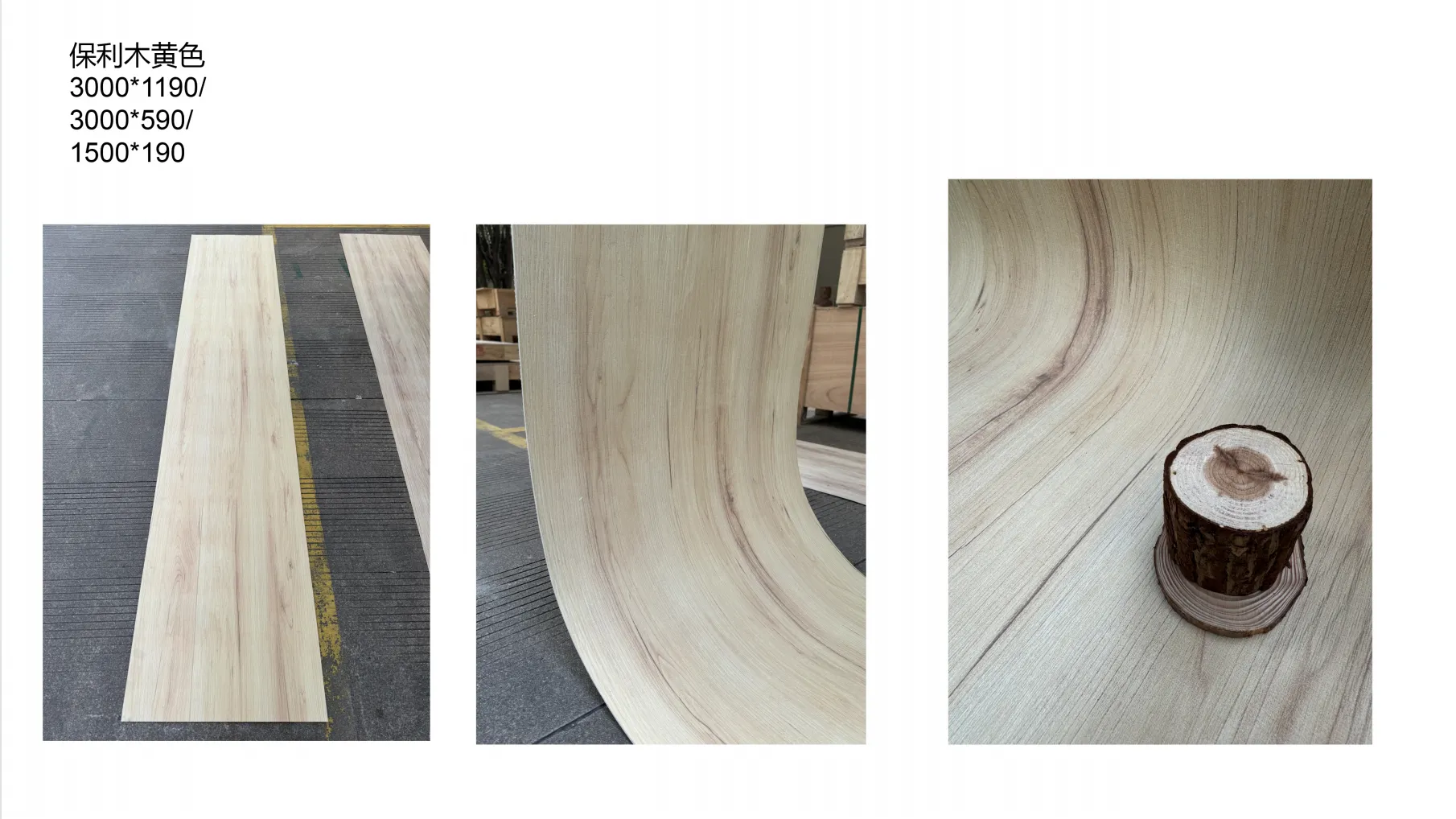
In the world of commercial interior design, the accent wall isn't just a backdrop—it's a storyteller. It's the first thing a customer notices when they walk into a café, the subtle detail that makes an office feel less sterile, or the bold statement that turns a retail store into a memorable brand experience. Today, we're diving into a material that's been quietly revolutionizing this space: poly wood board. More than just a pretty face, poly wood board brings warmth, durability, and versatility to commercial settings, blending the best of natural wood's charm with the resilience modern businesses need. Whether you're designing a cozy coffee shop, a sleek coworking space, or a high-traffic retail store, a poly wood board accent wall has the power to transform "just a room" into a space that feels intentional, inviting, and uniquely yours. Let's explore why this material is becoming a go-to for designers, and how you can use it to craft accent walls that leave a lasting impression.
Before we jump into design ideas, let's talk about why poly wood board stands out in a sea of wall materials. Commercial spaces demand a lot: they're high-traffic, prone to spills, scratches, and the general wear and tear of daily life. Natural wood, while beautiful, often falls short here—prone to warping, fading, or water damage. Poly wood board, on the other hand, is engineered to handle it all. Made from a blend of recycled plastic and wood fibers, it's moisture-resistant, scratch-proof, and UV-stable, meaning it won't fade even in spaces flooded with natural light. But it's not just about durability; poly wood board nails the aesthetic, too. It mimics the texture of real wood—think visible grain, subtle knots, and that warm, organic feel—without the upkeep. For businesses that want the cozy vibe of wood without the hassle of regular staining or sealing, this is a game-changer.
Another win? Versatility. Poly wood board comes in a range of finishes, from light, beachy tones that evoke sunlit boardwalks to deep, rich hues that feel like a forest retreat. It can be cut into custom shapes, layered for dimension, or even paired with other materials (we'll get to that later) to create one-of-a-kind looks. And let's not forget sustainability—many poly wood boards are made from recycled materials, aligning with the eco-conscious values that modern consumers and businesses prioritize. In short, poly wood board isn't just a material; it's a solution that checks every box: beauty, brawn, and a little bit of heart.
The magic of poly wood board lies in its ability to adapt. No two commercial spaces are the same, and neither should their accent walls be. Let's break down how to tailor a poly wood board accent wall to three popular commercial settings, each with its own vibe and needs.
Cafés thrive on atmosphere—spaces that make customers want to linger over a latte or a meal. A poly wood board accent wall here can set the tone for that "home away from home" feeling. Imagine walking into a small neighborhood café: the air smells like freshly baked pastries, soft jazz plays in the background, and the back wall is clad in warm, honey-toned poly wood board. The texture of the wood grain catches the light from pendant lamps, casting gentle shadows that make the space feel intimate. To take it up a notch, pair the poly wood with weaving (khaki) accents—think woven rattan light fixtures or a small woven wall hanging that echoes the natural vibe. The contrast of the smooth poly wood and the tactile weave adds depth, making the wall feel less like a surface and more like a piece of art.
For a bolder café look, try a two-tone approach: install poly wood board in a rich walnut shade on the lower half of the wall, then transition to a lighter, natural oak on the upper half, separated by a thin metal trim. This not only adds visual interest but also draws the eye upward, making the space feel larger. Add a few floating wooden shelves (matching the poly wood tone) to display plants or vintage mugs, and suddenly the accent wall becomes functional, too. The best part? When a customer spills their coffee (and let's be real, it happens), a quick wipe with a damp cloth is all it takes to keep the poly wood looking fresh. No stains, no warping—just that same warm charm, day in and day out.
Modern offices are moving away from cold, sterile environments and toward spaces that spark creativity and connection. A poly wood board accent wall can be the bridge between professionalism and warmth, making employees and clients feel welcome without sacrificing sophistication. Picture a coworking space with an open floor plan: the walls are mostly neutral (think soft whites and light grays), but the wall behind the reception desk is a statement in poly wood board. Stained in a sleek charcoal gray, the poly wood has a subtle grain that adds texture without overwhelming the space. It pairs beautifully with the fair-faced concrete floor, creating an industrial-chic vibe that feels modern yet grounded.
In a private office, a poly wood accent wall behind the desk can add a touch of personality without being distracting. Opt for a lighter tone, like natural maple, and keep the rest of the room minimal—white shelves, black desk accessories, and a few potted plants. The wood grain adds just enough visual interest to prevent the space from feeling too "corporate," while the poly wood's durability ensures it can handle the occasional bump from a rolling chair or stray coffee mug. For team meeting rooms, consider a poly wood board wall with integrated whiteboard panels—half wood, half writable surface. It's a practical solution that keeps the space collaborative while maintaining that warm, inviting feel. After all, brainstorming sessions are better when you're not staring at a blank, cold wall.
Retail is all about creating an experience that aligns with your brand. A poly wood board accent wall can be a powerful tool to communicate your brand's personality—whether you're selling bohemian clothing, high-end electronics, or artisanal home goods. Let's take a boutique that specializes in sustainable, handmade jewelry. Their brand is all about "earthy luxury," so their accent wall should reflect that. Enter poly wood board in a warm, weathered oak finish, paired with travertine (beige) accents. The poly wood brings the "earthy" part—warm, organic, and textured—while the travertine adds a touch of "luxury" with its smooth, creamy surface and subtle veining. Install the travertine as small, rectangular tiles interspersed among the poly wood planks, creating a pattern that feels intentional but not too rigid. The combination of wood and stone tells customers, "We value nature and craftsmanship," without a single word.
For a tech store aiming for a sleek, modern look, contrast is key. Use poly wood board in a dark espresso shade, installed vertically to create height, and pair it with metal fixtures and LED strip lighting embedded in the seams between planks. The warm wood softens the coolness of the metal and LEDs, creating a balanced space that feels both cutting-edge and approachable. When displaying products, use floating shelves in the same espresso poly wood to keep the look cohesive. Shoppers will find themselves drawn to the wall, and suddenly, browsing becomes more than just looking at products—it's about experiencing the brand's world.
While poly wood board is stunning on its own, its true potential shines when paired with other materials. Mixing textures and finishes can take your accent wall from "nice" to "unforgettable." Let's explore a few winning combinations that work beautifully in commercial spaces, incorporating some of the most versatile materials from the design world.
If you love the look of wood but want to add dimension, consider pairing poly wood board with wood grain board. Wood grain board, with its more pronounced, almost tactile grain pattern, creates a lovely contrast to poly wood's smoother finish. For example, install poly wood board horizontally in a light ash tone, then add vertical strips of wood grain board in a darker walnut shade, spaced evenly across the wall. The horizontal and vertical lines play off each other, adding movement, while the two wood tones create a cohesive, nature-inspired palette. This combo works especially well in spaces like farm-to-table restaurants or home decor stores, where the goal is to evoke a sense of "crafted by hand" warmth. Pro tip: Use wood grain board for smaller accents, like a vertical stripe down the center of the poly wood wall, to avoid overwhelming the space.
Fair-faced concrete is having a moment in commercial design, and for good reason—it's raw, modern, and full of character. But on its own, it can feel a bit cold. Enter poly wood board: the perfect partner to soften concrete's industrial edge. Imagine a brewery taproom with a fair-faced concrete accent wall (think rough, gray, with visible aggregate) on one side, and a poly wood board wall (warm, honey-brown) on the opposite side. The two materials balance each other—concrete adds urban grit, poly wood adds warmth—creating a space that feels both edgy and inviting. For a more integrated look, install poly wood board as a wainscotting on a fair-faced concrete wall: the lower third is wood, the upper two-thirds are concrete, separated by a metal rail. It's a classic combo that works in everything from gastropubs to modern offices. The concrete stands up to the hustle of a busy taproom, while the poly wood adds that homey touch that makes customers want to stay for another round.
Travertine (beige) is a stone that feels both ancient and fresh—its porous surface and warm, creamy color make it a natural complement to poly wood board. Together, they create a look that's earthy, elegant, and endlessly versatile. Take a hotel lobby, for example: a massive poly wood board accent wall (stained in a rich chestnut) serves as the backdrop for a seating area, while travertine (beige) tiles clad the adjacent wall and floor. The wood's warmth and the stone's coolness play off each other, creating a space that feels luxurious without being stuffy. Add a large potted fiddle-leaf fig and a few leather chairs, and suddenly you've got a lobby that guests will actually want to linger in, not just pass through.
For a smaller commercial space, like a boutique spa, try a more intimate approach: install poly wood board in a light, driftwood tone on the wall behind the reception desk, then use travertine (beige) as a backsplash behind the counter. The travertine's smooth surface is easy to clean (important for a spa, where cleanliness is key), while the poly wood adds that calming, natural vibe that aligns with the spa's focus on relaxation. It's a pairing that feels timeless—no trends here, just good design that will look as fresh in 10 years as it does today.
Still wondering if poly wood board is right for your space? Let's break down how it stacks up against other popular accent wall materials—wood grain board, fair-faced concrete, and travertine (beige)—so you can make an informed choice.
| Material | Durability | Maintenance | Aesthetic Vibe | Best For |
|---|---|---|---|---|
| Poly Wood Board | High: Resistant to moisture, scratches, and UV damage; ideal for high-traffic areas. | Low: Wipe clean with soap and water; no staining or sealing required. | Warm, organic, and versatile—mimics natural wood without the flaws. | Cafés, offices, retail stores, and any space needing durability + warmth. |
| Wood Grain Board | Medium: Prone to scratches and moisture damage; better for low-traffic areas. | Medium: Requires occasional sealing and polishing to maintain appearance. | Rustic, textured, and authentic—perfect for spaces aiming for a "handmade" feel. | Boutiques, art galleries, or spaces where aesthetics trump high traffic. |
| Fair-Faced Concrete | Very High: Extremely durable and resistant to wear; can handle heavy use. | Low: Stains can be tricky to remove; sealed concrete is easier to maintain. | Industrial, modern, and raw—adds an edgy, urban feel to spaces. | Breweries, tech offices, or spaces going for a "loft" aesthetic. |
| Travertine (Beige) | Medium-High: Durable but porous; prone to staining if not sealed regularly. | Medium-High: Requires annual sealing and careful cleaning to avoid discoloration. | Elegant, timeless, and earthy—adds a touch of luxury to any space. | Hotel lobbies, spas, or high-end retail stores focusing on sophistication. |
Color is more than just a visual choice—it's a mood setter. The tone of your poly wood board accent wall can shape how customers and employees feel in your space, so it's worth taking the time to get it right. Here are a few go-to color palettes and how they translate in commercial settings:
Warm neutrals are the Swiss Army knife of poly wood board colors—they work in just about every space. Honey-toned poly wood feels bright and cheerful, making it perfect for cafes, bakeries, or children's boutiques. It pairs beautifully with soft pastels (think mint green or blush pink accents) for a playful vibe, or with deep blues for a more sophisticated look. Oak is a classic middle ground—warm but not too yellow, with a subtle grain that adds texture without overwhelming. It's a great choice for offices or coworking spaces, as it feels professional but not sterile. Walnut, on the other hand, is rich and moody—ideal for high-end retail stores, wine bars, or steak houses. It adds a sense of luxury and pairs stunningly with gold or brass fixtures and dark leather furniture.
Cool-toned poly wood board is all about modernity and calm. Ash (a light, silvery gray with subtle green undertones) feels fresh and airy, making it a great fit for wellness spaces like yoga studios or spas. Pair it with white linens, potted plants, and soft lighting, and you've got a space that screams "relaxation." Gray poly wood (mid-tone) is sleek and versatile—perfect for tech offices, modern restaurants, or retail stores selling minimalist products. It pairs well with black metal fixtures for an industrial edge or with soft pastels for a more approachable feel. Charcoal is bold and dramatic, ideal for statement walls in nightclubs, art galleries, or high-end boutiques. Use it sparingly (maybe just one wall) to avoid making the space feel too dark, and pair it with metallic accents (gold or silver) to add a touch of glamour.
For spaces that want to evoke the outdoors, natural tones are the way to go. Driftwood poly wood board has a weathered, grayish-brown look that feels like it's been kissed by the ocean—perfect for beach-themed cafes, surf shops, or coastal hotels. Pair it with rope accents, blue-and-white striped textiles, and seashell decor to complete the vibe. Sand-toned poly wood is warm and neutral, with a soft, beige undertone that works in everything from farm-to-table restaurants to family-friendly diners. It's a chameleon color that pairs well with just about any accent shade, from greens to reds to blacks. Terracotta poly wood (think warm, earthy orange-brown) is bold and unexpected, adding a pop of color without being overwhelming. It's a great choice for Mexican restaurants, bohemian boutiques, or spaces that want to channel a "desert chic" aesthetic. Pair it with cacti, woven textiles, and warm lighting for a space that feels vibrant and alive.
So you've fallen in love with the idea of a poly wood board accent wall—now what? Let's walk through the basics of installation and maintenance to ensure your wall looks great for years to come.
One of the best things about poly wood board is that it's relatively easy to install, whether you're a seasoned DIYer or hiring a professional. Most poly wood boards come in planks that click together (like laminate flooring) or can be screwed directly into wall studs. For commercial spaces, it's often best to hire a pro—they'll ensure the wall is properly prepped (smooth, clean, and dry) and that the planks are installed evenly, avoiding gaps or warping. But if you're tackling a small space (like a home office or tiny café), DIY is doable. Start by measuring the wall and cutting the planks to size (a circular saw or miter saw works best). Then, attach furring strips to the wall (this creates airflow behind the planks, preventing moisture buildup) and screw the poly wood planks to the strips. Leave a small gap at the top and bottom for expansion (poly wood can expand slightly in humidity), and use trim to cover the gaps for a polished look.
Pro tip: If you're installing poly wood board in a space with high moisture (like a restaurant kitchen or spa), use a waterproof adhesive in addition to screws to ensure the planks stay put. And always check the manufacturer's instructions—some poly wood boards require specific tools or techniques to avoid damaging the material.
The beauty of poly wood board is that it's low-maintenance, but a little care goes a long way. For day-to-day cleaning, simply wipe the wall with a soft, damp cloth to remove dust and dirt. For spills (coffee, ketchup, wine—you name it), blot immediately with a dry cloth, then wipe with a mild soap and water solution. Avoid harsh chemicals (like bleach or ammonia) or abrasive scrubbers, as these can damage the finish. If your poly wood board has a matte finish, you can also use a furniture polish (specifically for poly wood or composite materials) every 6-12 months to restore shine, though this isn't strictly necessary. In high-traffic areas, consider adding a chair rail or bumper strips to protect the lower part of the wall from scratches—better safe than sorry!
Another thing to keep in mind: poly wood board is UV-stable, but prolonged exposure to direct sunlight can cause slight fading over time. If your accent wall is in a space with large windows, consider using curtains or blinds to filter the light during the brightest parts of the day. It's a small step that can keep your wall looking vibrant for years.
At the end of the day, a poly wood board accent wall is more than just a design choice—it's an investment in creating spaces that feel human. In a world where so much of our lives is spent staring at screens, the tactile, warm texture of poly wood board reminds us of the beauty of natural materials. It's a wall that doesn't just look good; it feels good to be around. Whether you're a café owner wanting to make customers feel at home, an office manager aiming to boost employee morale, or a retailer looking to tell your brand's story, poly wood board offers a versatility and durability that's hard to beat.
From pairing it with weaving (khaki) for a cozy café to mixing it with fair-faced concrete for an industrial office, the possibilities are endless. And with low maintenance and a range of colors to choose from, it's a material that grows with your business—adapting to new trends, new spaces, and new stories. So go ahead: take that blank wall and turn it into something unforgettable. Your customers, employees, and brand will thank you.
Recommend Products












