
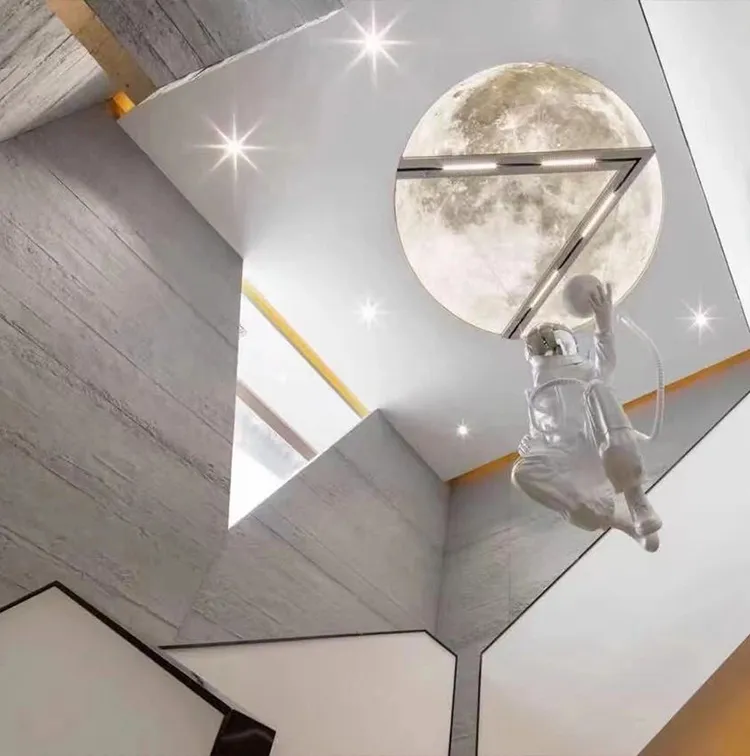
Gone are the days when interior walls were merely functional dividers, painted in plain whites or beiges to "blend in." Today, they're the unsung heroes of home design—canvases that set the mood, reflect personality, and turn ordinary spaces into something extraordinary. Among the materials redefining this shift, cement board stands out as a chameleon: industrial yet warm, durable yet versatile, and capable of pairing with everything from natural stone to wood. In this guide, we'll explore how to elevate your walls with cement board and complementary materials, turning your home into a showcase of texture, contrast, and timeless style.
If you've ever stepped into a modern loft or a minimalist café and felt an instant sense of calm, chances are fair-faced concrete played a role. Unlike polished concrete (more on that later), fair-faced concrete embraces imperfection—its rough, matte surface bears the marks of its creation, with subtle variations in texture and tiny air bubbles that catch the light. When used as a full wall treatment or even a partial accent, it brings an industrial edge that feels surprisingly organic.
What makes fair-faced concrete so appealing in homes? It's the antithesis of "perfect." In a world of filtered photos and sleek finishes, its raw, unapologetic texture adds depth. Imagine a bedroom where one wall is clad in fair-faced concrete: paired with soft linen bedding, a wooden nightstand, and warm pendant lights, it transforms from cold industrial to cozy retreat. Or a home office where the concrete wall serves as a backdrop for floating shelves and a leather desk chair—suddenly, "work from home" feels less like a chore and more like a creative escape.
Durability is another perk. Unlike paint, which chips or fades over time, fair-faced concrete stands up to kids, pets, and daily life with minimal maintenance. A quick wipe with a damp cloth is all it needs to stay looking fresh. And because it's neutral, it acts as a blank slate for decor: hang bold artwork, string fairy lights, or lean a large mirror against it—the possibilities are endless.
Travertine, with its honey-colored veins and porous surface, is nature's love letter to texture. A type of limestone formed by mineral-rich hot springs, it carries the story of the earth in every groove and indentation. When paired with cement board, it creates a wall that feels both ancient and modern—a conversation starter that grounds a space in history while keeping it contemporary.
One of the easiest ways to incorporate travertine is as an accent on a cement board wall. Picture a living room where three walls are smooth cement board in a soft gray, and the fourth features travertine tiles arranged in a herringbone pattern. The travertine's warm beige tones and natural veining add movement, while the cement board provides a calm, neutral base. The contrast is striking but not overwhelming—like adding a piece of art that doesn't scream for attention but quietly elevates the room.
Travertine also works beautifully in bathrooms, where its porous texture adds visual interest without feeling cold. A cement board shower surround with travertine niche shelves brings spa-like luxury to your daily routine. Just be sure to seal the travertine (a simple stone sealer does the trick) to protect it from moisture—after that, it's as low-maintenance as the cement board itself.
For a bolder look, mix travertine with cement board in a vertical stripe pattern. Use larger travertine slabs (12x24 inches) alternating with narrower cement board strips—this creates height and drama, perfect for a dining room or entryway. Top it off with a statement light fixture, and you've got a wall that welcomes guests before you even say hello.
Cement and wood might seem like an unlikely pair—one is hard and industrial, the other soft and organic—but together, they're magic. Wood grain board, which mimics the look of real wood with the durability of composite materials, adds warmth to cement's coolness, creating a balance that feels both grounded and inviting.
A popular trend is to use wood grain board as a wainscoting treatment on a cement board wall. Imagine a hallway where the lower half is wood grain in a rich walnut finish, and the upper half is cement board in off-white. The wood adds coziness, while the cement keeps the space feeling open and airy. It's a nod to traditional wainscoting but with a modern twist—no fussy molding, just clean lines and contrasting textures.
In the kitchen, wood grain board and cement board make a dynamic duo for backsplashes. Use cement board as the main surface (it's heat-resistant and easy to clean) and add wood grain strips as a border or a focal point behind the stove. The wood brings warmth to an otherwise utilitarian space, making early mornings at the coffee maker feel a little more special.
Don't sleep on color, either. Wood grain board comes in shades from pale oak to deep mahogany, so you can tailor it to your style. A light ash wood grain paired with light gray cement board feels Scandinavian-inspired, while dark walnut with charcoal cement board leans into moody, modern elegance. Either way, the combination of wood and cement ensures your walls feel lived-in, not like a cold showroom.
If fair-faced concrete is the laid-back cousin, polish concrete is the polished professional. With its smooth, reflective surface and mirror-like finish, it's the epitome of modern luxury. When used alongside cement board, it creates a cohesive look that's sleek but not sterile—think of it as the "little black dress" of wall materials: timeless, versatile, and always in style.
Polish concrete works wonders in high-traffic areas like hallways or home gyms, where durability and easy cleaning are key. But it's also stunning in more intimate spaces, like a master bedroom accent wall. Imagine a wall behind your bed, polished concrete in a soft cream tone, paired with cement board nightstands and a plush area rug. The concrete's shine reflects natural light during the day, making the room feel bright, and glows warmly under bedside lamps at night.
One of the best things about polish concrete is how it plays with light. Unlike matte finishes, which absorb light, polished concrete bounces it around, making small rooms feel larger. In a bathroom with limited windows, a polished concrete accent wall can make the space feel airy and open. And because it's sealed, it's resistant to water and stains—no need to worry about steam from the shower or splashes from the sink.
For a truly high-end look, mix polish concrete with metallic accents. Add a thin strip of brass or copper trim along the edge of a polished concrete wall, or hang a gold-framed mirror above it. The contrast of the cool concrete and warm metal elevates the space from modern to luxurious, proving that even the sleekest materials can feel inviting.
| Material | Texture | Best For | Pairing Suggestions | Maintenance Tips |
|---|---|---|---|---|
| Fair-Faced Concrete | Rough, matte, with subtle air bubbles | Bedrooms, home offices, lofts | Wooden furniture, soft textiles, warm lighting | Wipe with damp cloth; avoid harsh cleaners |
| Travertine | Porous, veined, natural indentations | Living rooms, bathrooms, entryways | Cement board, neutral paint, plants | Seal annually; wipe spills immediately |
| Wood Grain Board | Smooth with organic wood patterns | Hallways, kitchens, dining rooms | Cement board, metal accents, area rugs | Dust regularly; avoid prolonged moisture |
| Polish Concrete | Smooth, reflective, mirror-like finish | Gyms, bathrooms, master bedrooms | Metallic trim, glass decor, minimalist furniture | Buff with a dry cloth; use pH-neutral cleaner |
| Cement Board (Base) | Versatile (smooth or textured) | Any room as a base layer | All materials above; acts as a neutral backdrop | Water-resistant; easy to clean with soap and water |
The way light hits these materials can make or break the look. For fair-faced concrete or travertine, use warm, diffused lighting (think floor lamps with linen shades) to highlight texture. For polished concrete, opt for cool, direct light (like recessed ceiling lights) to maximize its shine. And don't forget natural light—position mirrors to reflect sunlight onto textured walls, making them glow.
Stick to a neutral base (whites, grays, beiges) to let the materials shine, then add pops of color through decor. A burnt orange throw pillow on a couch against a cement board wall, or a blue vase on a travertine shelf, adds energy without overwhelming the space. If you're feeling bold, paint the trim in a soft sage or terracotta to tie the materials together.
Minimalist furniture works best with these textured walls—think clean lines, low profiles, and neutral colors. A mid-century modern sofa with tapered legs, a marble coffee table, or a metal dining set won't compete with the walls. For a cozier vibe, add soft textiles: a shag rug, knit blankets, or woven baskets. The key is balance—let the walls be the star, and let the furniture support them.
At the end of the day, interior walls are more than just part of a house—they're part of your home. They hold memories, frame moments, and reflect who you are. Whether you choose the raw charm of fair-faced concrete, the natural beauty of travertine, the warmth of wood grain board, or the sleekness of polish concrete, pairing these materials with cement board ensures your walls are as unique as you are.
So don't be afraid to experiment. Mix textures, play with light, and let your personality shine through. After all, the best homes aren't just built—they're designed with intention, one wall at a time.
Recommend Products












