

Redefining Spaces with Lightweight, Versatile, and Emotionally Resonant Wall Solutions
Think about the last time you stepped into a space that felt truly alive—walls that didn't just exist, but told a story. Maybe it was the rough-hewn texture of a mountain cabin, the sleek minimalism of a city loft, or the warm embrace of a coastal home with walls that seemed to breathe the ocean air. Walls are more than just dividers; they're the canvas of our daily lives. They shape how we feel when we wake up, how we unwind after a long day, and how we connect with the people we love. Yet for too long, the options for creating that "alive" feeling have been limited by the constraints of traditional building materials.
Heavy, rigid, and often unforgiving, materials like solid stone, thick concrete, or even wood paneling have dictated the rules for decades. They're bulky, hard to install, and once up, nearly impossible to change without a major renovation. If you've ever dreamed of a wall that could curve gently around a corner, mimic the look of weathered stone without the weight, or shift with your evolving style, you're not alone. The frustration of choosing between beauty and practicality, between uniqueness and affordability, is one many homeowners and designers share.
But what if there was a material that shattered those rules? A wall solution that's lightweight yet durable, flexible yet strong, and versatile enough to turn any design vision into reality? Enter Croco MCM Flexible Stone—a game-changer in interior wall innovation that's quietly revolutionizing how we think about the spaces we live in. In this article, we'll dive deep into what makes Croco MCM Flexible Stone so special, how it stacks up against traditional options like fair-faced concrete, wood grain board, and travertine (beige), and why it might just be the missing piece in your next home transformation.
To understand why Croco MCM Flexible Stone is causing such a stir, let's first unpack the limitations of the materials we've relied on for so long. For years, homeowners and designers have been forced to compromise, choosing between aesthetics and functionality because the "perfect" wall material simply didn't exist.
Take natural stone, for example. Travertine (beige) has long been a favorite for its warm, earthy tones and timeless appeal. Walk into a classic Tuscan villa, and you'll likely find walls clad in travertine, their porous surface telling tales of age and character. But here's the catch: a single square foot of travertine can weigh upwards of 15 pounds. Multiply that by the walls of an average living room, and you're looking at tons of weight bearing down on your home's structure. This isn't just a hassle for installation—it can limit where you can use it. Second-story rooms, older homes with weaker foundations, or spaces with unique architectural features (like curved walls) are often off-limits. And if something goes wrong? Repairing or replacing travertine is costly and time-consuming, often requiring professionals to carefully remove and reinstall each piece.
Then there's fair-faced concrete—a material celebrated for its raw, industrial chic. It's strong, fire-resistant, and has that "less is more" aesthetic that's dominated modern design trends. But fair-faced concrete is as rigid as it gets. Once poured and set, it's permanent. Change your mind about the color? Too bad. Want to add a texture or pattern halfway through a renovation? Impossible. And let's not forget the installation process: forms, mixing, curing—days of work, and even then, imperfections (like air bubbles or uneven surfaces) are common. For homeowners who crave adaptability—who might want to refresh their space in a few years without a complete overhaul—concrete feels like a straightjacket.
Wood grain board is another popular choice, loved for its warmth and ability to bring nature indoors. But real wood (or even high-quality veneers) comes with a laundry list of demands. It warps in humidity, fades in sunlight, and is a magnet for pests like termites. Even "waterproof" options often require regular sealing, sanding, or refinishing to keep them looking their best. And while wood offers a range of styles—from rustic oak to sleek walnut—its design flexibility stops at straight lines. Want a wood-clad ceiling that slopes gently or a wall that wraps around a bay window? You'll need custom cuts, specialized tools, and a budget that can handle the extra labor.
Perhaps most troubling is the environmental impact of many traditional materials. Quarrying natural stone like travertine disrupts ecosystems, while concrete production is a major source of carbon emissions. Wood, if not sourced sustainably, contributes to deforestation. And when these materials reach the end of their lifespan, they often end up in landfills—bulky, non-biodegradable, and impossible to recycle. For the growing number of homeowners who want their spaces to reflect their values—who want beauty without guilt—this is a dealbreaker.
It's no wonder so many of us feel stuck. We want walls that inspire, that adapt, that last—and that don't cost the earth. But until recently, the options just haven't existed. That is, until Croco MCM Flexible Stone arrived on the scene.
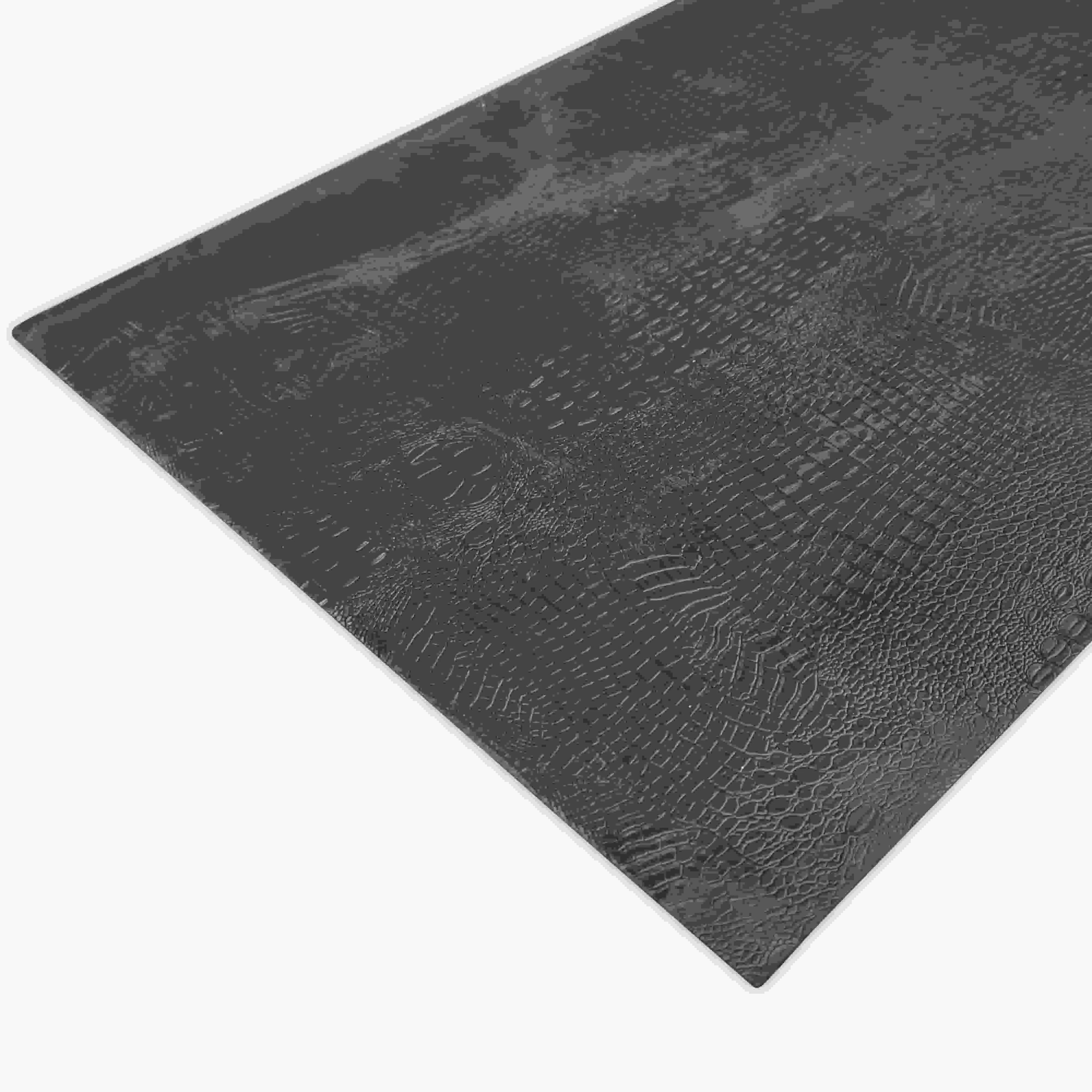
Croco MCM Flexible Stone isn't just another building material—it's a reimagining of what walls can be. Born from a desire to solve the frustrations of traditional options, this modified composite material (MCM) combines cutting-edge technology with a deep understanding of how people interact with their spaces. Let's break down what makes it so different, and why it's quickly becoming the go-to choice for designers and homeowners alike.
At first glance, you might mistake Croco MCM Flexible Stone for natural stone or concrete. Run your hand over its surface, and you'll feel the same tactile depth—the subtle ridges of a weathered cliff, the smooth coolness of polished marble, the grainy texture of riverbed stone. But pick it up, and you'll be shocked: a standard 4x8-foot panel weighs just 8-10 pounds. Compare that to 60-80 pounds for the same size piece of travertine or concrete, and the difference is game-changing. This lightweight nature means it can be installed almost anywhere—second floors, curved walls, even ceilings—without putting stress on your home's structure. It also makes installation a breeze (we'll get to that later), cutting down on labor time and costs.
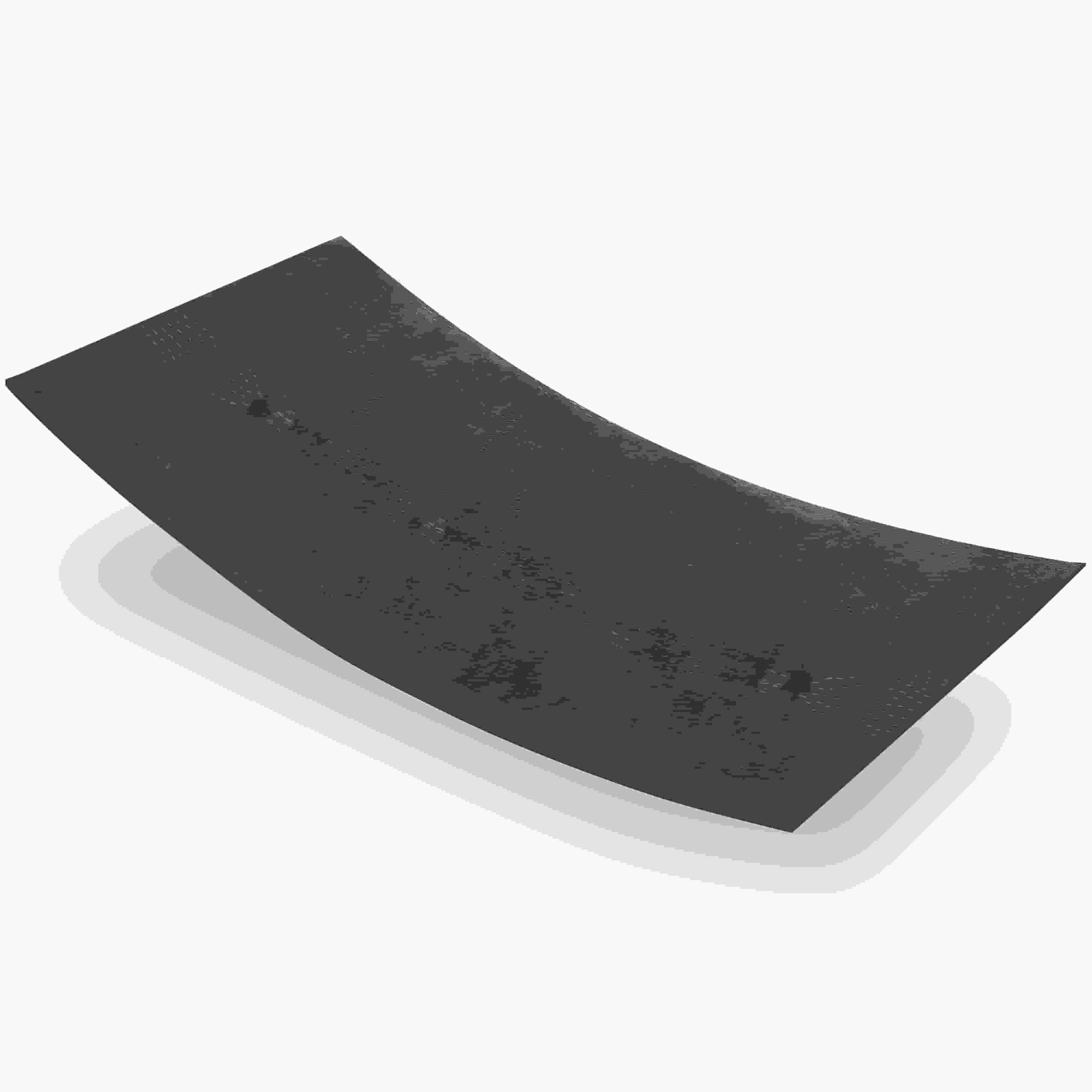
The "flexible" in Croco MCM Flexible Stone isn't just a marketing term—it's a superpower. These panels can bend up to 30 degrees without cracking, allowing for designs that were once impossible with rigid materials. Imagine a living room wall that flows in a gentle S-curve, mimicking the shape of a river. Or a bedroom accent wall that wraps around a rounded headboard, creating a cozy, nest-like feel. Even more ambitious projects—like a home theater with walls that curve to enhance acoustics—are now within reach. And because the panels are thin (just 3-5mm thick), they don't eat up valuable floor space, making them ideal for small apartments or rooms where every inch counts.
You might be wondering: if it's lightweight and flexible, is it strong enough to handle daily life? The answer is a resounding yes. Croco MCM Flexible Stone is made from a blend of natural minerals, recycled polymers, and reinforced fibers, creating a material that's resistant to scratches, dents, moisture, and even fire. Unlike wood, it won't warp in humid bathrooms or kitchens. Unlike travertine, it won't stain if you spill coffee or wine (a quick wipe with a damp cloth is all it takes). And unlike concrete, it won't crack with temperature changes. In fact, many manufacturers back it with a 15-20 year warranty—longer than most traditional wall materials last before needing replacement.
One of the biggest draws of Croco MCM Flexible Stone is its design versatility. Whether you're a fan of timeless elegance or bold, contemporary style, there's a Croco finish for you. Love the look of travertine (beige)? There's a panel that replicates its warm, honeyed tones and subtle veining—without the weight or maintenance. Prefer the industrial edge of fair-faced concrete? Croco offers a concrete-look finish that's smoother, lighter, and available in a range of grays. Craving the warmth of wood? The wood grain board options are so realistic, you'll have to touch them to believe they're not real wood.
But it doesn't stop there. Croco's 3D printing series takes customization to a whole new level. Want a wall that looks like it's covered in star gravel? Or a pattern inspired by the waves of the ocean (hello, wave panel)? 3D printing allows for intricate textures and designs that would be impossible to achieve with traditional materials. You can even commission custom patterns—family crests, abstract art, or even a mural of your favorite landscape—turning your walls into one-of-a-kind works of art.
And let's talk color. From soft neutrals like travertine (beige) and lunar peak silvery to bold statement shades like rusty red and travertine (starry blue), the color palette is endless. Many finishes also have a chameleon-like quality, shifting subtly with light. A panel that looks warm beige in the morning might take on a golden hue at sunset, adding depth and dynamism to your space.
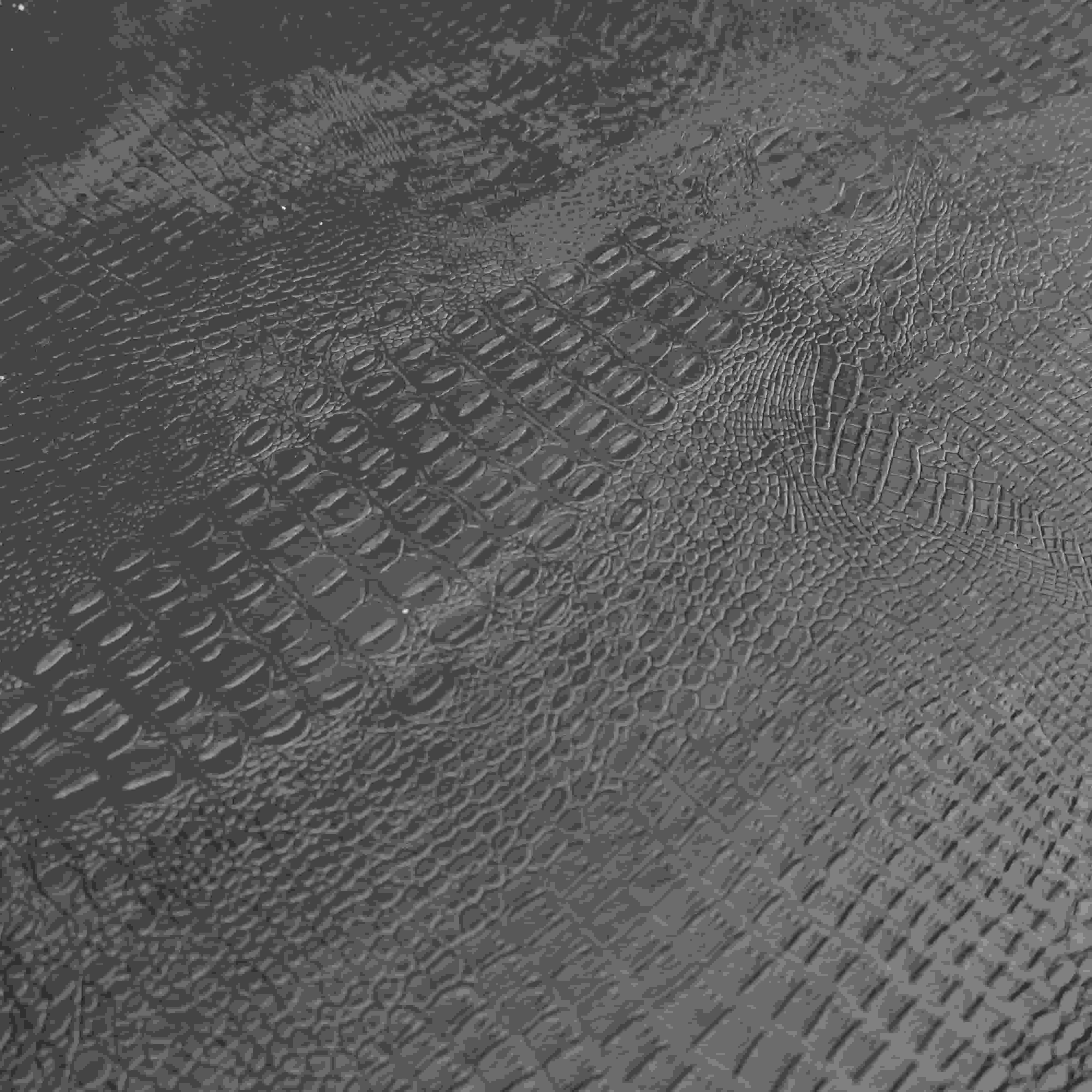
To truly appreciate the innovation of Croco MCM Flexible Stone, it helps to see how it compares to other popular wall materials. Below is a detailed breakdown of key factors like weight, flexibility, design options, installation ease, and sustainability—so you can make an informed decision for your home.
| Material | Weight (per sq. ft) | Flexibility | Design Options | Installation Ease | Sustainability | Best For |
|---|---|---|---|---|---|---|
| Croco MCM Flexible Stone | 0.6-0.8 lbs | High (bends up to 30°) | Extensive: textures, 3D patterns, custom colors, curves | Easy: peel-and-stick or adhesive; DIY-friendly | High: recycled materials, low VOC, energy-efficient production | Modern homes, curved walls, accent walls, high-moisture areas |
| Fair-Faced Concrete | 5-7 lbs | None (rigid) | Limited: plain gray, some stamping; no curves | Hard: requires forming, pouring, curing; professional installation | Low: high carbon emissions, non-recyclable | Industrial-style spaces, permanent installations |
| Wood Grain Board (Real Wood) | 2-3 lbs | Low (minimal bending; prone to warping) | Moderate: wood species, stains; limited to straight lines | Moderate: requires cutting, nailing, sealing; some DIY skill needed | Variable: depends on sourcing; often requires chemicals for treatment | Rustic or traditional spaces, dry areas |
| Travertine (Beige) | 12-15 lbs | None (brittle) | Limited: natural veining; no custom colors or curves | Hard: heavy lifting, grouting, sealing; professional installation | Low: quarrying impact, non-recyclable | Classic, high-end spaces; floors (less ideal for walls) |
*Note: Weights and specifications may vary by manufacturer. Always check product details before purchasing.
Now that you know what Croco MCM Flexible Stone is capable of, let's explore how you can use it to transform every room in your home. Whether you're drawn to bold statements or subtle elegance, there's a design approach that will make your walls feel uniquely yours.
The living room is where we gather with family, host friends, and unwind after a long day—it deserves walls that set the mood. For a cozy, inviting vibe, consider a Croco wave panel accent wall behind your sofa. The gentle undulations of the wave texture add movement and depth, making the space feel dynamic without overwhelming it. Pair it with warm lighting (think floor lamps with soft white bulbs) to highlight the texture, and you'll create a room that feels like a hug. If you prefer a more modern look, opt for a sleek, monochromatic finish—like lunar peak silvery or charcoal burnt wood board—to complement minimalist furniture. Add a few pops of color with throw pillows or art, and the wall will act as the perfect neutral backdrop.
For those who love drama, a 3D art concrete board (a close cousin in the MCM family) could be the way to go. Imagine a wall covered in geometric patterns that cast shadows throughout the day, changing the room's appearance from morning to night. Or, for a touch of nature, choose a panel that mimics the look of moss-covered stone—perfect for bringing the outdoors in without the upkeep of real plants.
Bedrooms should feel calm and restorative, and Croco MCM Flexible Stone can help create that atmosphere. A popular trend is to clad the wall behind the bed in a soft, textured finish—like travertine (beige) or weaving (beige)—to add warmth without visual clutter. The flexibility of Croco means you can even extend the paneling onto the ceiling, creating a "canopy" effect that makes the bed feel like a luxurious retreat. For a more playful touch, try a gradient color rammed earth board, blending soft pinks and neutrals for a dreamy, sunset-inspired look.
If you share a bedroom and want to carve out personal space, consider using Croco to create a partial divider wall. Unlike traditional drywall, it's lightweight enough to be freestanding (with a simple frame) and can be curved or shaped to define each side. Add a cutout for a small shelf or plant, and it becomes both functional and beautiful.
Kitchens and bathrooms are often overlooked when it comes to wall design—stuck with plain tile or paint—but Croco MCM Flexible Stone is changing that. In the kitchen, use it as a backsplash to add texture and color without the grout lines that trap dirt and bacteria. A rough granite stone (medium grey) finish would pair beautifully with white cabinetry and stainless steel appliances, adding industrial edge. Or, for a coastal kitchen, try a stream limestone (claybank) panel, its soft, sandy tones evoking the beach.
Bathrooms, with their high humidity, are where Croco truly shines. Unlike wood or even some tiles, it won't mold or mildew. Create a spa-like atmosphere with a wall of ethereal shadow travertine, its subtle veining resembling mist over water. Or, for a bold statement, use rusty red panels in a small powder room—paired with gold fixtures, it feels luxurious and unexpected. And because installation is so easy, you can even use Croco on shower walls (just make sure to seal the seams with silicone caulk for extra protection).
With more of us working from home, the home office has become a space that needs to inspire focus and creativity. A Croco accent wall in a bold color—like travertine (starry blue) or rammed earth board (matcha green)—can boost energy levels and make the space feel less like a generic cubicle. For those who prefer a calmer environment, a linear travertine (claybank) finish with subtle horizontal lines can create a sense of order, helping to keep your mind organized. And if you're short on space, use Croco to cover the walls of a built-in desk nook—the lightweight material won't add bulk, and the smooth surface is easy to clean (no more worrying about ink stains or coffee rings).
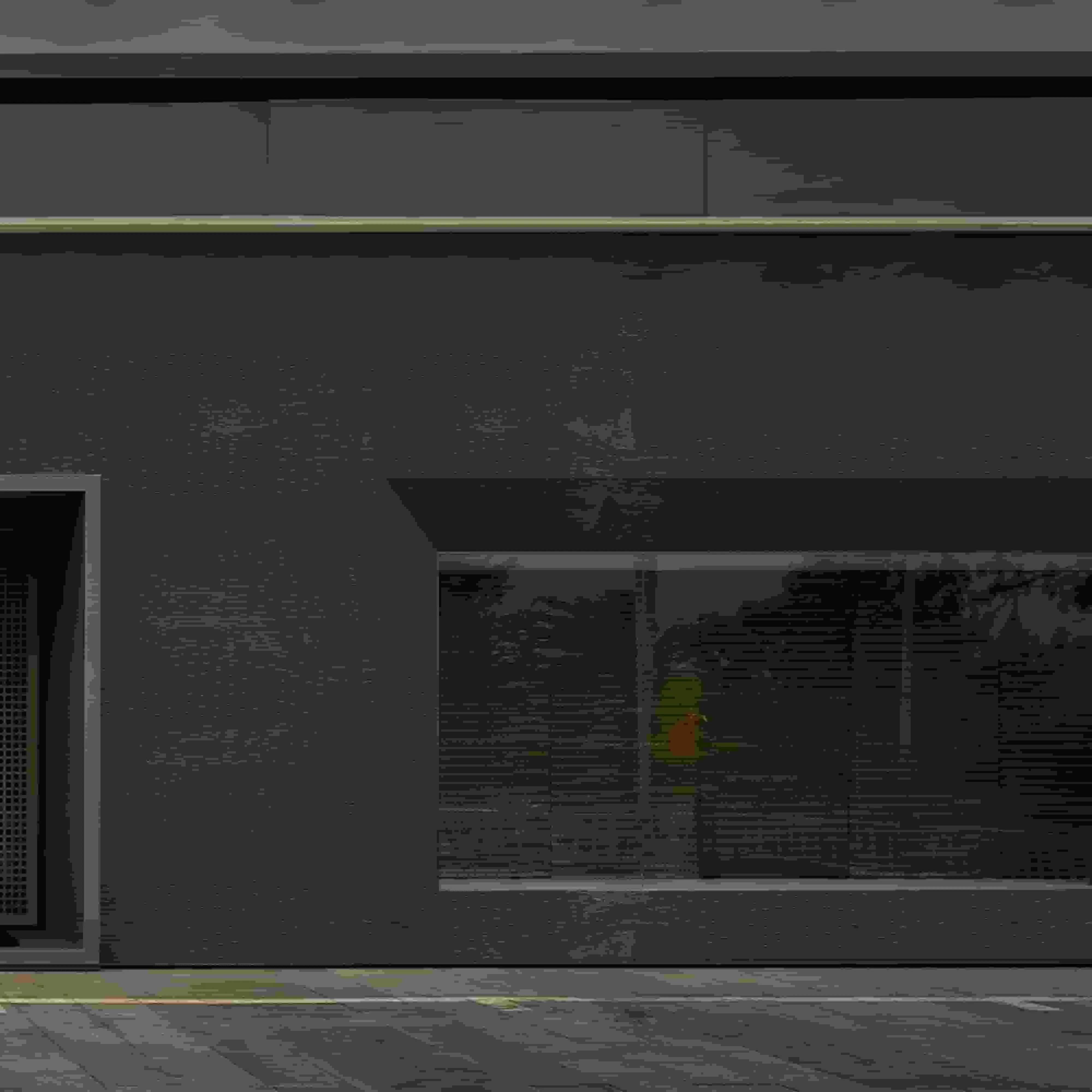
One of the most appealing aspects of Croco MCM Flexible Stone is how easy it is to install—and how kind it is to the environment. Let's take a closer look at both, so you can feel confident about choosing it for your home.
Gone are the days of messy demos, heavy lifting, and weeks of construction. Installing Croco MCM Flexible Stone is refreshingly straightforward, whether you're a seasoned DIYer or hiring a professional. Most panels come with a peel-and-stick backing, similar to large-format wallpaper, making it as easy as measuring, cutting (with a utility knife or jigsaw), and pressing into place. For more permanent installations, you can use a construction adhesive (look for one that's low in VOCs for better air quality). Even curved walls are manageable: simply score the back of the panel lightly (being careful not to cut all the way through) to create flexibility, then bend and adhere.
Professional installers will appreciate how much time they save. A typical 12x12-foot accent wall can be completed in just a few hours, compared to a full day or more for travertine or concrete. And because the panels are lightweight, there's no need for special equipment like cranes or lifts—two people can carry and install even large panels with ease. Plus, if you ever want to change the look, removing Croco is simple: just peel it off (it won't damage the underlying wall, as long as the adhesive is high-quality), and replace it with a new design. No patching, sanding, or repainting required.
In a world where environmental consciousness is more important than ever, Croco MCM Flexible Stone stands out as a responsible choice. Here's why:
For homeowners who want to go even further, some brands offer carbon-neutral shipping or donate a portion of profits to environmental causes. It's a small detail, but it adds up to a big difference when you're trying to create a home that aligns with your values.
At the end of the day, our homes are more than just buildings—they're reflections of who we are, what we value, and the stories we want to tell. For too long, the materials we used to build our walls limited those stories, forcing us to choose between beauty and practicality, tradition and innovation. Croco MCM Flexible Stone changes that. It's a material that doesn't just cover walls—it transforms them into canvases for creativity, tools for connection, and symbols of sustainability.
Whether you're a first-time homeowner looking to make a small space feel bigger, a designer pushing the boundaries of what's possible, or someone who simply wants walls that can keep up with life's messes and memories, Croco offers something for everyone. It's lightweight enough to dream big, flexible enough to adapt, and durable enough to last—all while being kind to the planet.
So, what will your walls say? Will they be plain and forgettable, or will they be alive with texture, color, and personality? With Croco MCM Flexible Stone, the choice is yours. And the best part? Whatever story you want to tell, your walls will be ready to listen—and to help you write it.
Recommend Products












