
Airports are more than just transit hubs—they're the first chapter of a traveler's journey, a physical representation of a city's identity, and a stage where functionality meets art. In recent years, architects and designers have pushed the boundaries of what airport facades can be, moving beyond utilitarian concrete boxes to structures that inspire, delight, and endure. At the heart of this transformation lies a critical question: how do you create a facade that's both grand in scale and intimate in detail, durable enough to withstand harsh climates, and sustainable enough to align with global green building goals? The answer, increasingly, lies in innovative materials like the MCM Big Slab Board Series —a game-changer that's turning airport exteriors into landmarks in their own right.
Think about the last time you landed in a new city. Chances are, the airport terminal was your first real glimpse of the destination. Was it sleek and modern, with clean lines and warm lighting? Or did it feel outdated, with peeling paint and a disjointed design? That first impression matters—and it's largely shaped by the facade. But airport facades face unique challenges that go beyond aesthetics.
For starters, they're exposed to extreme conditions: scorching sun in Dubai, heavy rain in Singapore, freezing winters in Helsinki. They need to resist corrosion, fading, and impact from debris. Then there's sustainability: with airports under pressure to reduce carbon footprints, materials must be eco-friendly, energy-efficient, and often locally sourced. And let's not forget scale—airport terminals are massive, so facades need to maintain visual coherence across thousands of square meters without feeling monotonous.
Traditional materials like natural stone or small ceramic tiles often fall short. Stone is heavy, driving up structural costs; tiles crack over time, requiring frequent repairs; and both can lack the design flexibility to create the bold, seamless looks modern architects crave. That's where the MCM Big Slab Board Series enters the picture.
MCM, short for Modified Composite Material, has been making waves in the construction industry for years, prized for its lightweight composition, durability, and versatility. But the MCM Big Slab Board Series takes things to the next level. These aren't your average cladding panels—they're large-format slabs, often measuring up to 3 meters in length and 1.5 meters in width, designed to cover vast surfaces with minimal joints. Imagine a facade that reads as a single, flowing canvas rather than a patchwork of small pieces—that's the magic of big slabs.
To truly understand the impact of the MCM Big Slab Board Series , let's step into the shoes of a traveler arriving at Horizon Gateway International Airport —a fictional but realistic new terminal designed by award-winning firm Global Arch. As your plane taxis toward the terminal, the first thing you notice is the facade: a striking blend of textures and tones that seems to shift with the sunlight. Here's how the design comes to life, with real materials that could easily be pulled from any architect's mood board.
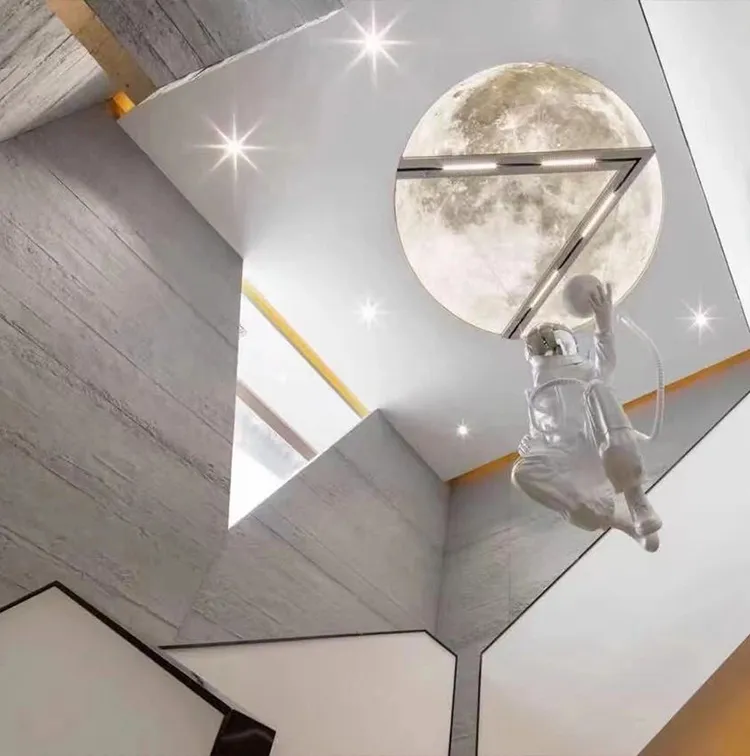
The foundation of the facade is the MCM Big Slab Board Series in a fair-faced concrete texture. Fair-faced concrete—known for its raw, industrial beauty—has long been a favorite in modern architecture, but traditional poured concrete is heavy and prone to cracking. The MCM version captures that same organic, slightly rough texture but in lightweight slabs that span 2.5 meters each. From a distance, the facade reads as a single, monolithic surface, giving the terminal a sense of solidity and permanence. Up close, the subtle variations in the concrete texture—tiny air bubbles, slight color gradients—add warmth, avoiding the cold sterility that can come with industrial materials.
To break up the expanse of concrete and add visual interest, the design team incorporated vertical accents using lunar peak silvery panels. These panels, with their cool, metallic sheen and subtle texture reminiscent of moon dust, run vertically at intervals along the facade, creating a rhythm that guides the eye upward toward the terminal's soaring roofline. The silvery tone reflects sunlight during the day, reducing heat absorption and lowering cooling costs—an eco-friendly bonus.
Near the main entrance, where the terminal meets the skybridge, foamed aluminium alloy board (vintage silver) takes center stage. Foamed aluminium is prized for its lightweight, porous structure, which not only looks striking but also acts as a natural sound insulator—helping to muffle the roar of jet engines for passengers inside. The vintage silver finish, with its soft, slightly weathered look, adds a touch of warmth to the otherwise modern palette, balancing innovation with approachability.
The color palette is intentionally grounded in earthy neutrals—beige, silver, soft grey—to evoke a sense of calm, but with strategic pops of warmth. The fair-faced concrete MCM slabs lean toward a warm beige, while the lunar peak silvery and vintage silver aluminium add cool contrast. This balance ensures the terminal feels both welcoming and sophisticated, avoiding the harshness of an all-grey facade or the overwhelming brightness of bold colors.
While the visual impact is undeniable, the MCM Big Slab Board Series shines just as brightly when it comes to practicality. Let's break down how these slabs solve common airport facade headaches, from installation to long-term maintenance.
| Aspect | Traditional Materials (e.g., Natural Stone) | MCM Big Slab Board Series |
|---|---|---|
| Weight | Heavy (200-300 kg/m²), requiring reinforced structures | Lightweight (15-25 kg/m²), reducing structural costs |
| Installation Time | Slow (small pieces, precise alignment needed) | Fast (large slabs cover more area; modular design) |
| Maintenance | High (prone to cracking, staining; requires regular sealing) | Low (resistant to stains, mold, and cracks; easy to clean) |
| Sustainability | High carbon footprint (quarrying, transportation) | Eco-friendly (recycled materials, low embodied energy) |
Airport construction projects are notoriously tight on deadlines—delays can cost millions in lost revenue. The MCM Big Slab Board Series addresses this with a modular design that speeds up installation. Unlike natural stone, which requires custom cutting on-site, these slabs arrive pre-cut to precise dimensions, ready to be mounted on a lightweight support system. For Horizon Gateway, the facade installation was completed in 12 weeks instead of the projected 20 using traditional materials—a massive time savings that allowed the airport to open ahead of schedule.
Airports are built to serve communities for 50 years or more, so their facades need to stand the test of time. MCM Big Slabs are engineered for longevity: their composite core resists warping, and the outer layer is treated to withstand fading even in intense sunlight. In coastal airports, where saltwater air can corrode metal and stone, these slabs hold up remarkably well—no rust, no pitting, just the same crisp texture year after year. For airport operators, this translates to lower maintenance costs and fewer disruptions to passenger flow for repairs.
As airports evolve to meet the needs of tomorrow's travelers, the MCM Big Slab Board Series is poised to play an even bigger role. Designers are already experimenting with integrating smart technologies into the slabs—think solar panels embedded within the facade to generate renewable energy, or sensors that monitor temperature and adjust the building's climate control in real time. Imagine a facade that not only looks beautiful but also contributes to the airport's energy grid—that's the future of sustainable design.
Another trend is biophilic design—bringing elements of nature into built spaces to reduce stress and improve well-being. MCM slabs can be textured to mimic natural materials like wood or stone, creating a connection to the outdoors even in the heart of a busy terminal. For example, combining lunar peak silvery accents with MCM slabs that replicate the look of flowing water or tree bark could create a facade that feels both modern and rooted in nature.
Airports are more than buildings—they're gateways to discovery, and their facades are the first page of that journey. The MCM Big Slab Board Series isn't just a construction material; it's a storytelling tool. By blending durability, sustainability, and stunning design, these slabs allow architects to create facades that welcome travelers, reflect a destination's spirit, and stand strong for decades to come.
Whether it's the seamless sweep of fair-faced concrete slabs, the cool shimmer of lunar peak silvery accents, or the industrial chic of foamed aluminium alloy board (vintage silver) , the MCM Big Slab Board Series proves that grand design doesn't have to sacrifice practicality. As we look to the future of aviation, one thing is clear: the airports of tomorrow will be defined not just by where they take us, but by how they make us feel the moment we arrive.
*Real photos of these grand designs showcase the transformative power of MCM Big Slab Board Series—proof that when innovation meets artistry, the sky's the limit.*
Recommend Products












