
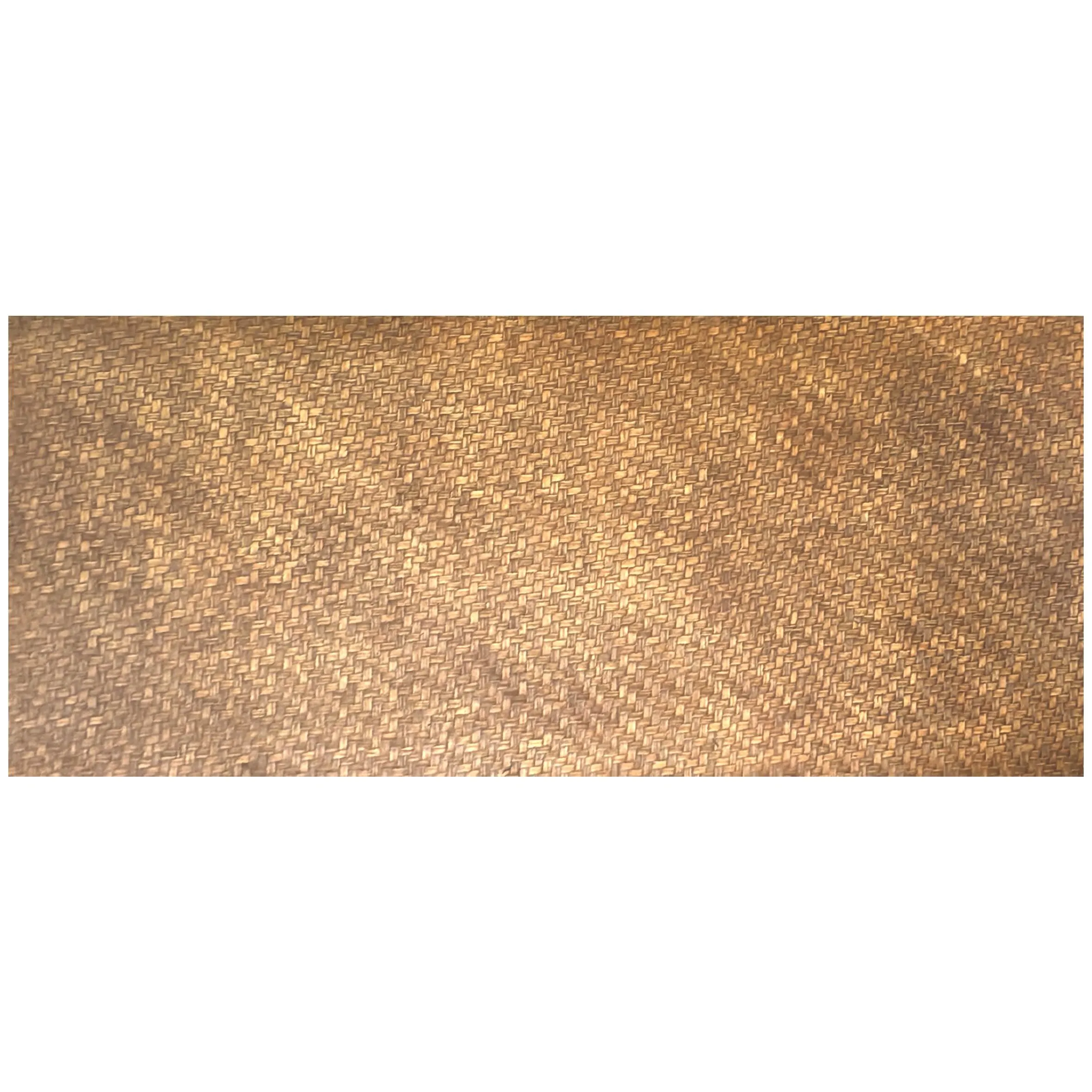
When it comes to building materials, there's a silent priority that often gets overshadowed by aesthetics: safety. Whether you're a homeowner renovating a living room, an architect designing a commercial space, or a contractor selecting materials for a high-rise, the question of how a material behaves in a fire isn't just a box to check—it's a decision that impacts lives. In recent years, bamboo mat board has emerged as a popular choice for its warm, natural look and eco-friendly appeal. But with its organic roots, many wonder: Is bamboo mat board actually fire-resistant? Let's dive into the details, break down the science, and explore why this material might just be the smart, safe choice you've been looking for.
First things first: Let's get clear on what bamboo mat board is. Unlike solid bamboo planks or flimsy bamboo sheets, bamboo mat board is a engineered composite material. Think of it as bamboo's more durable, versatile cousin. It starts with bamboo—one of the fastest-growing plants on the planet, known for its strength and sustainability. The bamboo is harvested, stripped into thin strips, and then woven into mats (hence the "mat" in the name). These mats are then layered, bonded with a resin (often a low-VOC, heat-resistant formula), and pressed under high heat and pressure to form a solid board.
What makes it stand out? Unlike traditional wood-based boards, bamboo mat board leverages the natural strength of bamboo fibers, which are surprisingly tough—some studies even compare their tensile strength to steel. And here's where it ties into modern material science: Many manufacturers use modified composite material (MCM) technology, similar to what's used in MCM flexible stone, to enhance its durability, flexibility, and yes, fire resistance. This means it's not just a pretty face; it's built to perform.
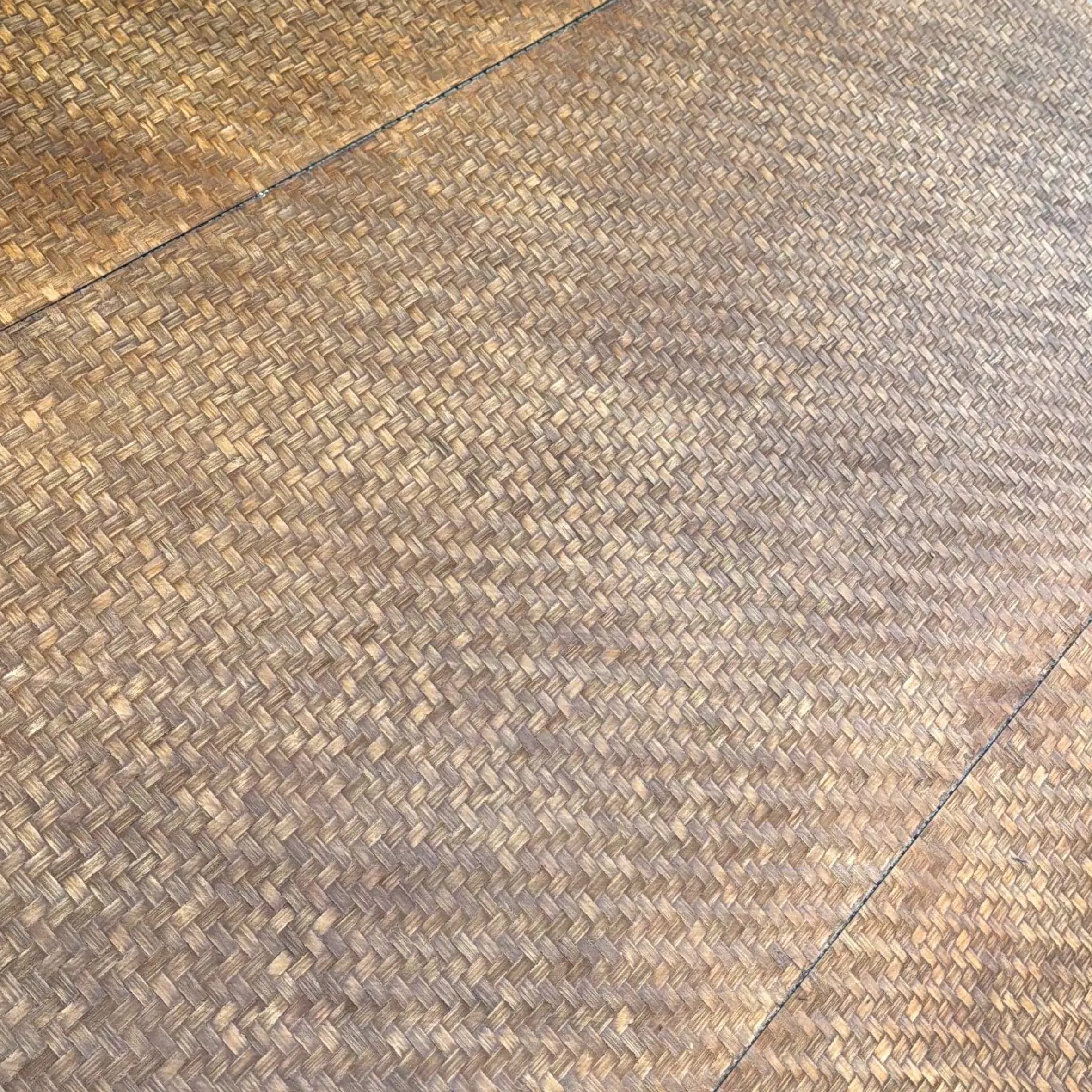
Let's cut to the chase: Is bamboo mat board fire-resistant? The short answer is yes—but like most things in construction, the "how" and "how well" matter more than a simple yes or no. Fire resistance in building materials is measured by a few key factors: how easily it ignites, how quickly flames spread across its surface, how much smoke it produces, and whether it releases toxic gases when heated. To evaluate this, materials are tested against standards like ASTM E84 (the Standard Test Method for Surface Burning Characteristics of Building Materials) or ISO 5660 (Reaction to Fire Tests on Building Products). These tests assign ratings based on flame spread index (FSI) and smoke developed index (SDI), with Class A being the highest rating (FSI 0-25, SDI 0-450), followed by Class B (FSI 26-75) and Class C (FSI 76-200).
So where does bamboo mat board fall? Most high-quality bamboo mat boards on the market today are rated Class A for fire resistance. That means when exposed to flame, they have a very low flame spread index (think: flames don't race across the surface) and minimal smoke production. How does it achieve this? The secret lies in the manufacturing process. The bamboo fibers themselves are naturally resistant to ignition compared to softwoods, and the resin binders used are often treated with fire-retardant additives. When heated, the board chars rather than melts or ignites, forming a protective layer that slows down the spread of fire. It's like a self-defense mechanism for your walls.
To put this in perspective: Regular untreated wood might have a flame spread index of 100 or higher (Class C), meaning flames could spread quickly. Bamboo mat board, with its Class A rating, keeps that FSI under 25—on par with materials like brick or concrete. That's a huge difference when every second counts in a fire.
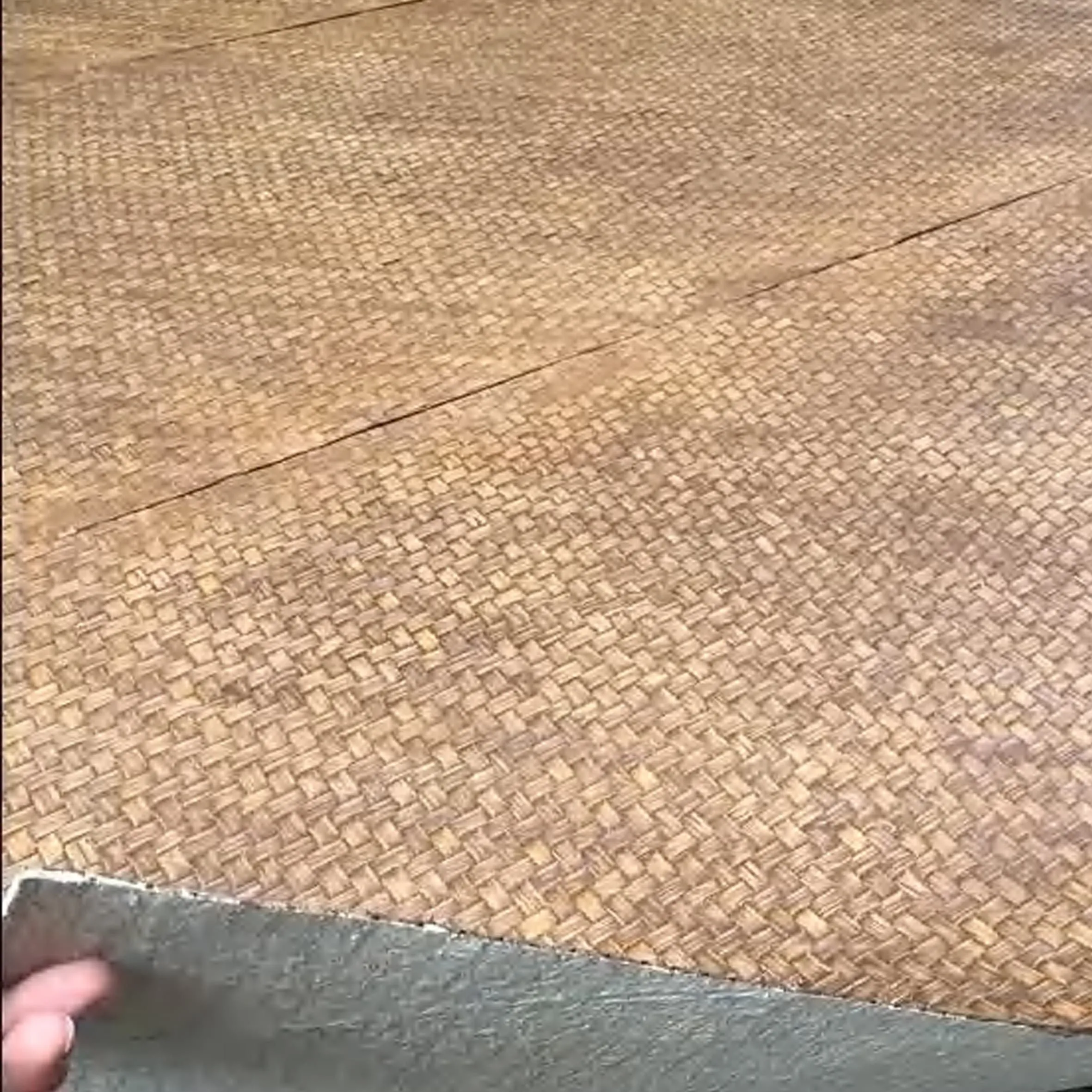
Fire resistance is a star feature, but bamboo mat board brings more to the table when it comes to safety. Let's break down the extras:
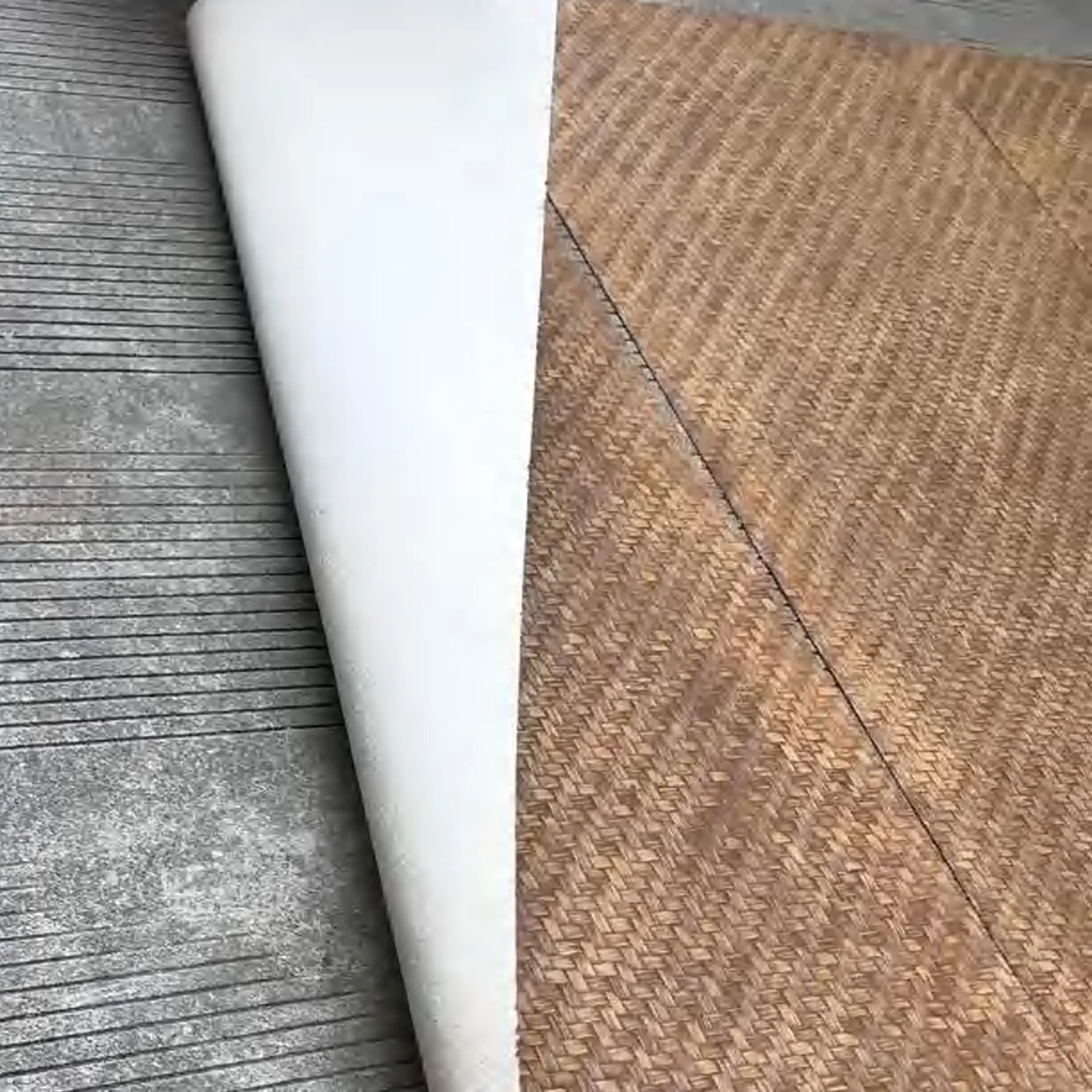
To really understand bamboo mat board's fire resistance, it helps to stack it up against other common building materials. Let's take a look at how it fares against fair-faced concrete, wood grain board, and travertine (beige)—three popular options in the industry.
| Material | Fire Resistance Rating | Key Fire Safety Traits | Aesthetic Appeal | Sustainability |
|---|---|---|---|---|
| Bamboo Mat Board | Class A (FSI 0-25) | Low flame spread, minimal smoke, low toxic emissions | Warm, natural bamboo texture; versatile for modern/rustic designs | High (fast-growing bamboo, low-VOC resins) |
| Fair-Faced Concrete | Class A (FSI 0-25) | Non-combustible, high heat resistance | Industrial, minimalist look; cool, neutral tone | Moderate (high embodied carbon, but durable) |
| Wood Grain Board | Class C (FSI 76-200) | Higher flame spread, more smoke; some treated versions reach Class B | Classic wood look; warm, inviting | Moderate (depends on wood type; may require pesticides) |
| Travertine (Beige) | Class A (FSI 0-25) | Non-combustible, natural stone; no smoke/toxins | Elegant, earthy; unique veining | Low (non-renewable, high mining impact) |
As you can see, bamboo mat board holds its own against fair-faced concrete and travertine (beige) in fire resistance, but adds the warmth of wood without the fire risk of traditional wood grain boards. It's a sweet spot between safety, aesthetics, and sustainability.
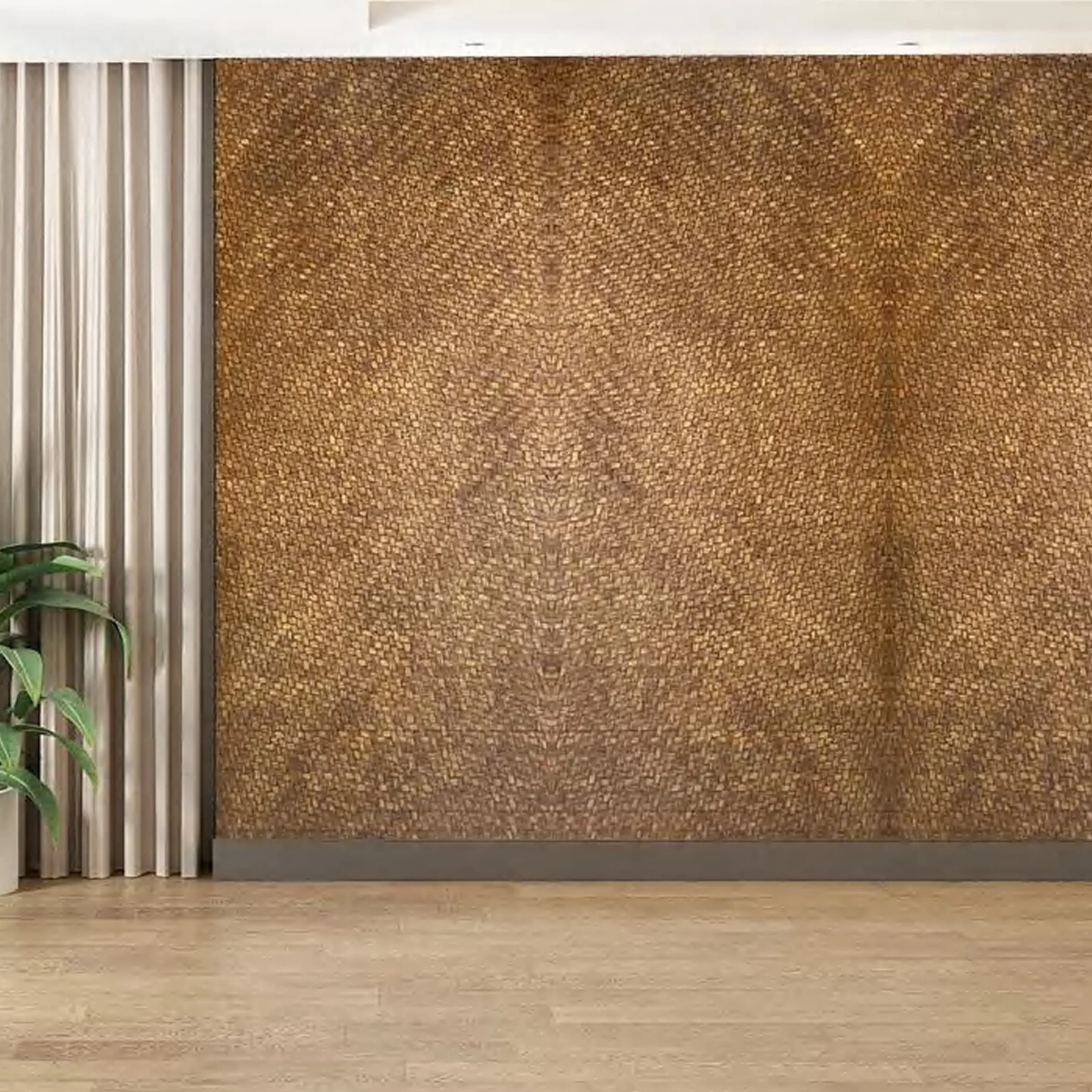
So, where would you actually use bamboo mat board? Its versatility makes it a fit for both residential and commercial spaces. Let's look at a few examples:
Residential Interiors: Imagine a home office with bamboo mat board accent walls. The natural texture adds warmth, while the Class A fire rating gives peace of mind. It's also a great choice for kitchen backsplashes—resistant to heat from stovetops and easy to clean.
Commercial Spaces: Cafés and restaurants love it for its cozy, organic vibe. A downtown bistro using bamboo mat board for wall panels not only looks inviting but meets strict fire codes for commercial buildings. Hotels often use it in lobbies or guest rooms, pairing it with travertine (beige) flooring for a cohesive, earthy design.
Public Areas: Schools and community centers prioritize safety, so bamboo mat board is a no-brainer. Its durability handles heavy foot traffic, and its fire resistance ensures compliance with local building codes.
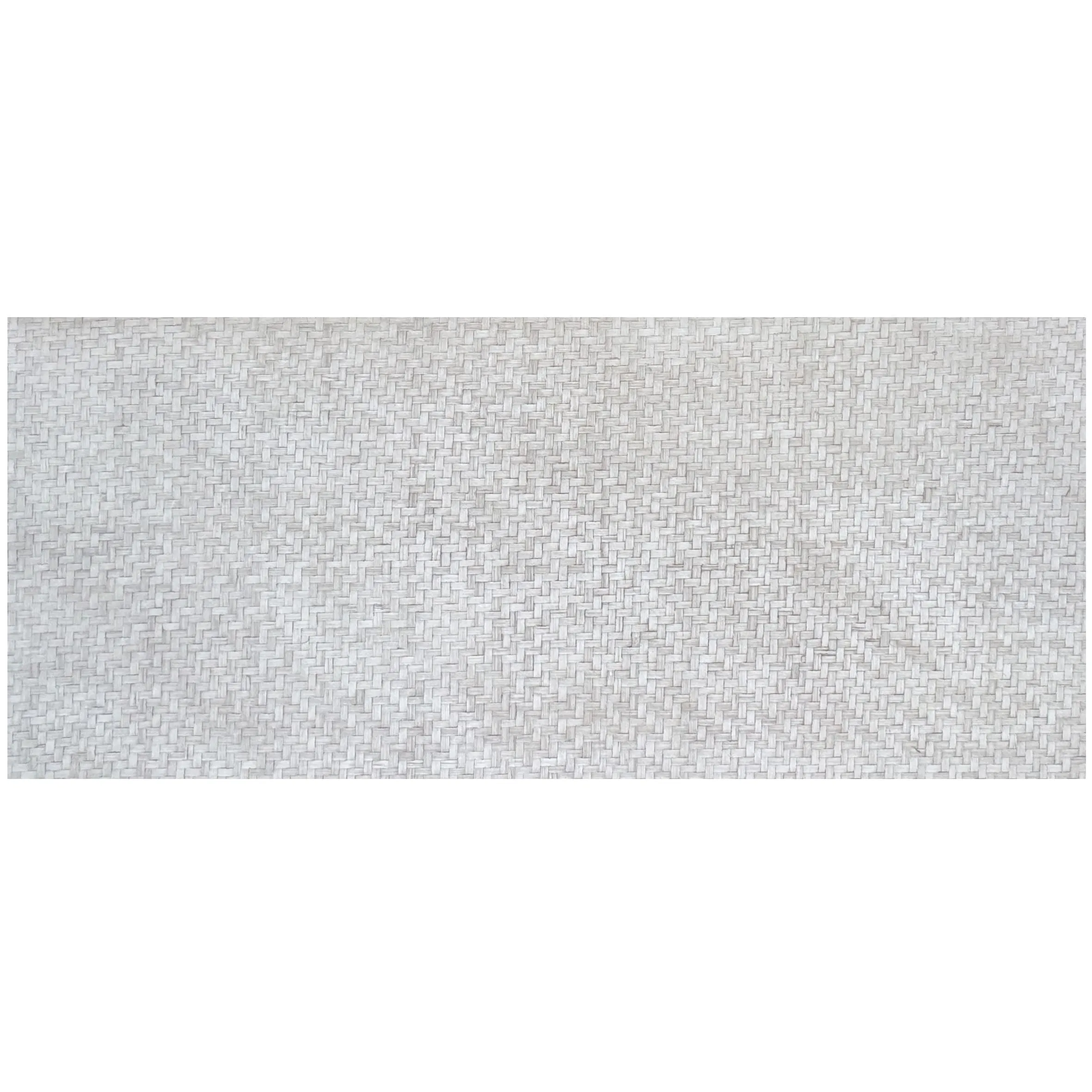
We talked to Sarah Chen, an architect with 15 years of experience in sustainable design, to get her thoughts. "Clients want materials that feel 'alive'—natural, warm, not sterile," she says. "But they also don't want to compromise on safety. Bamboo mat board checks both boxes. I recently used it in a boutique hotel project, and the fire marshal was impressed by its Class A rating. Plus, the guests love how it softens the space compared to concrete or stone."
Fire safety consultant Mark Torres adds, "The key with any material is not just the rating, but how it performs in real-world scenarios. Bamboo mat board doesn't just resist ignition—it maintains structural integrity longer than many wood products, which gives people more time to evacuate. That's priceless."
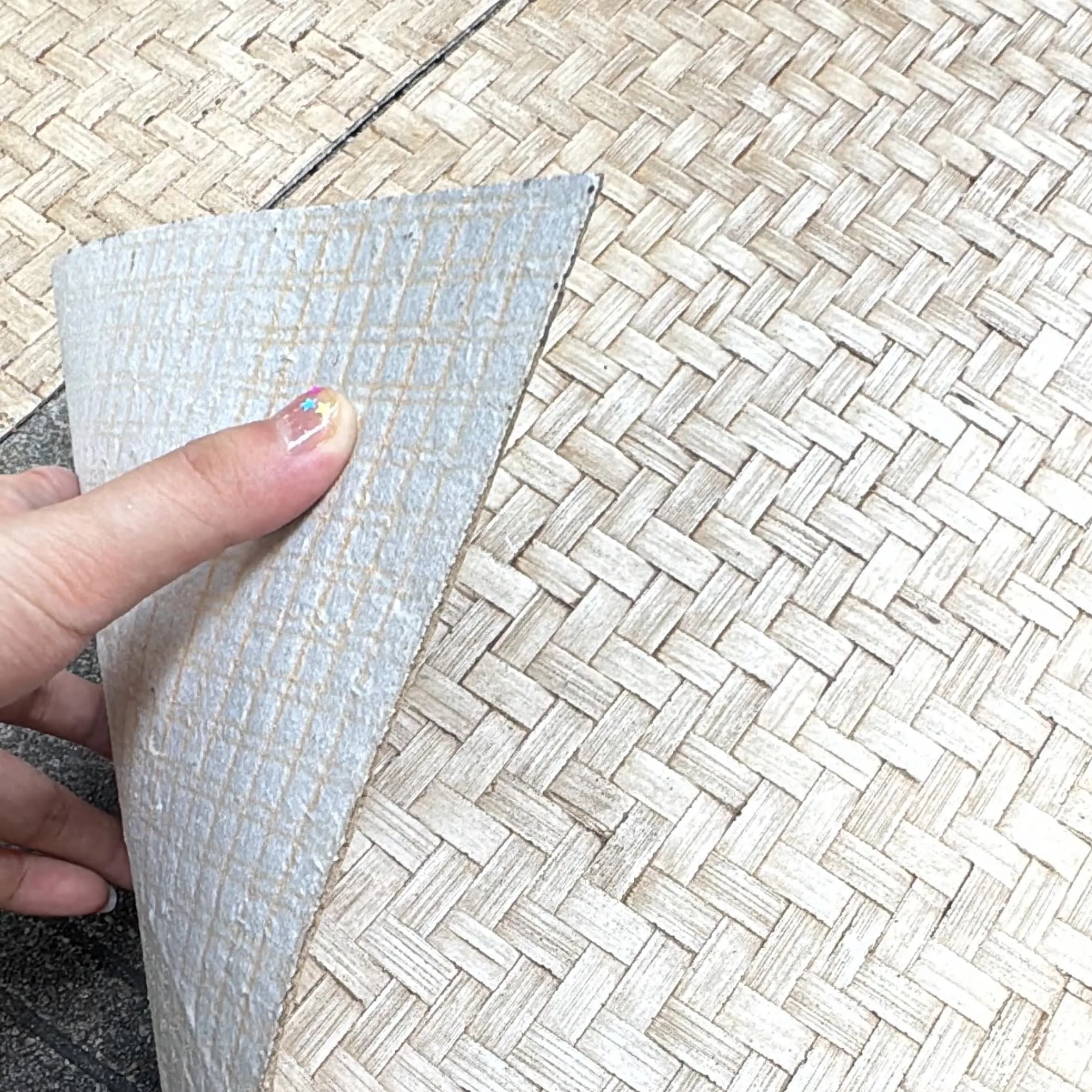
So, is bamboo mat board fire-resistant? Absolutely—and then some. With Class A fire ratings, minimal smoke production, and low toxic emissions, it's a safe choice for any building project. But it doesn't stop there: its durability, moisture resistance, and eco-friendly credentials make it a standout in the crowded world of building materials. Whether you're drawn to its natural look, its sustainability story, or its peace of mind, bamboo mat board proves that safety and style don't have to be mutually exclusive.
Next time you're choosing materials, remember: the best choices are the ones that protect what matters most. And with bamboo mat board, you might just find that perfect balance.
Recommend Products












