
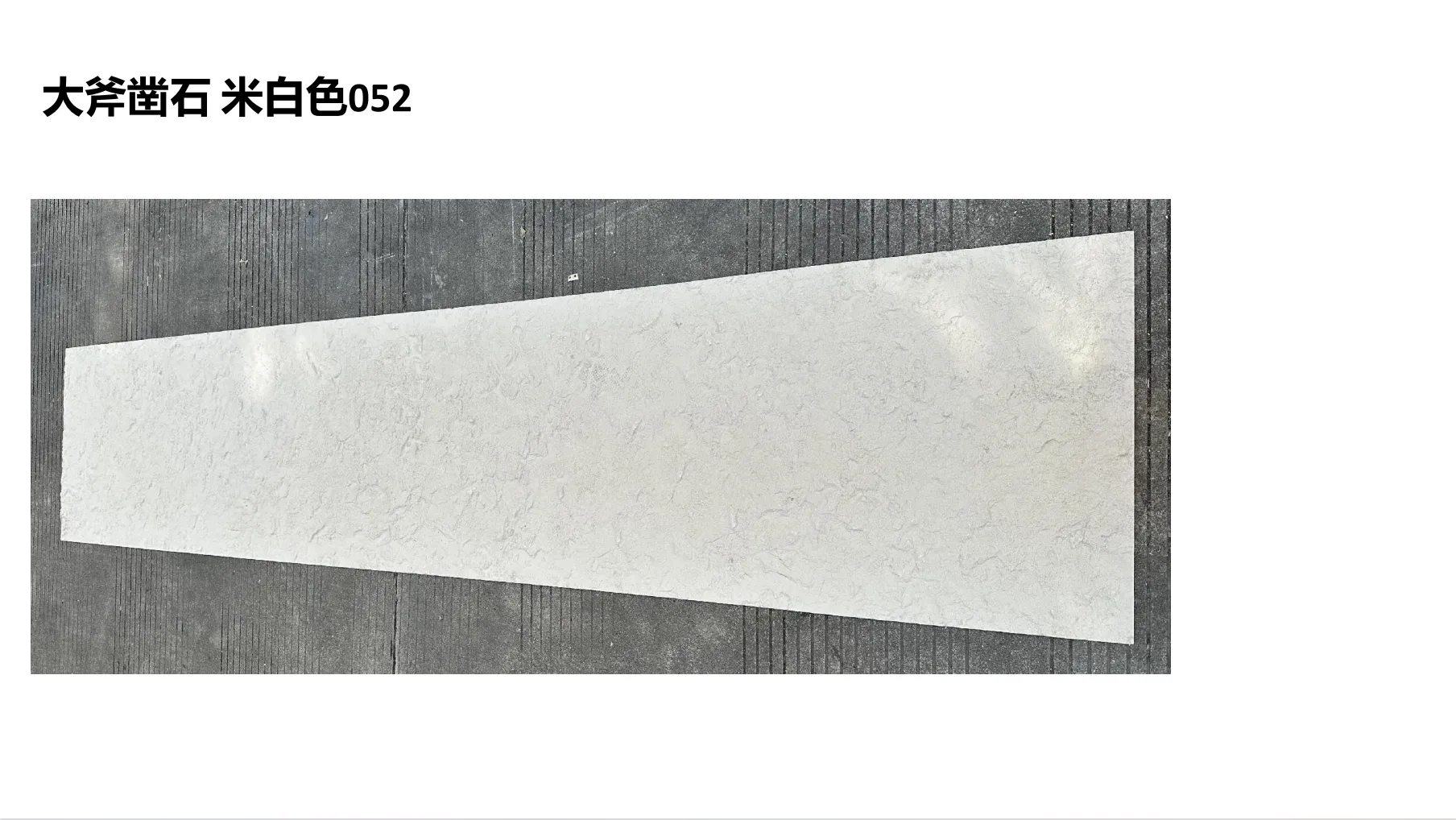
Heritage building restoration demands more than just technical skill—it requires a deep understanding of historical craftsmanship, material authenticity, and preservation principles. Among the various stone materials available, big axe chiseling stone has emerged as a compelling choice for restoration specialists seeking to maintain the authenticity and character of historic structures.
Big axe chiseling represents one of the most traditional stone-working techniques in masonry history. This method involves skilled craftsmen using specialized hand tools to create distinctive surface textures that reflect both artistic expression and structural integrity. The technique produces a unique aesthetic characterized by bold, rhythmic chisel marks that capture the essence of manual craftsmanship.
In heritage restoration contexts, this surface treatment offers significant advantages. Unlike machine-finished surfaces that appear uniform and artificial, hand-chiseled textures blend naturally with existing historic masonry. The irregular patterns and depth variations created by traditional chiseling methods mirror the authentic appearance of centuries-old stone work, making repaired sections virtually indistinguishable from original materials.
Several critical factors make big axe chiseling stone particularly suitable for heritage building restoration:
Authentic Surface Character
The handcrafted surface texture maintains the visual integrity of historic structures. When restoration work involves replacing damaged stones or adding new sections, the chiseled finish ensures seamless integration with surrounding original materials. This aesthetic compatibility is essential for preserving the building's historical character and meeting heritage conservation standards.
Material Durability and Weathering Performance
Quality chiseled stone exhibits excellent resistance to environmental stressors. The surface texture, created through careful hand-tooling, often proves more resilient to weathering than machine-polished alternatives. This durability ensures that restoration work will maintain its appearance and structural integrity for generations, aligning with the long-term preservation goals of heritage projects.
Compatibility with Historic Construction Methods
Heritage buildings were originally constructed using traditional techniques that emphasized hand craftsmanship. Big axe chiseling honors these historic methods, respecting the original builders' skills and intentions. This approach aligns with international conservation principles, including those outlined in the ICOMOS Burra Charter, which advocates for preserving traditional construction logic in restoration work.
Big axe chiseling stone finds application across various restoration scenarios:
Structural Repairs: When replacing severely weathered or damaged stones in load-bearing walls, chiseled surfaces ensure proper bonding with adjacent masonry while maintaining visual harmony.
Decorative Elements: Restoring carved features, moldings, and ornamental details often requires the precision and texture control that hand chiseling provides.
Wall Cladding and Facades: In buildings where stone facades require partial replacement or repair, chiseled surfaces blend naturally with existing wall patterns.
Archaeological Reconstruction: Projects involving the reconstruction of partially surviving structures benefit from materials that authentically represent original building techniques.
Choosing the right stone material is critical for restoration success. Beyond the surface treatment, the underlying stone quality must meet specific requirements for heritage applications. High-quality travertine, granite, and limestone varieties processed using big axe chiseling techniques offer excellent durability and aesthetic appeal.
When selecting materials for heritage projects, restoration specialists should consider:
Geological compatibility with existing building stones
Color and texture matching with original materials
Physical properties including density, porosity, and weathering resistance
Long-term durability and maintenance requirements
Contemporary restoration projects increasingly benefit from innovative materials that combine traditional aesthetics with enhanced performance characteristics. Modified clay materials (MCM) technology, for instance, has revolutionized how restoration specialists approach heritage conservation. These advanced materials replicate the appearance and texture of traditional hand-chiseled stone while offering superior flexibility, lighter weight, and improved installation efficiency.
Flexible stone products utilizing MCM technology provide restoration architects with versatile solutions that maintain historical authenticity while addressing modern construction requirements. These materials can be precisely manufactured to replicate specific surface textures, including big axe chiseling patterns, ensuring accurate reproduction of historic stone finishes.
Successful heritage restoration requires close collaboration among various specialists, including conservation architects, structural engineers, materials scientists, and skilled craftspeople. Each stakeholder brings essential knowledge to the project, ensuring that restoration decisions balance historical accuracy, structural safety, and long-term preservation.
When incorporating big axe chiseling stone into restoration plans, project teams should work with experienced suppliers who understand heritage conservation requirements. Material providers with expertise in traditional stone-working techniques can offer valuable guidance on selection, customization, and installation methods that respect historical building practices.
The restoration of heritage buildings represents more than structural repair—it is an act of cultural preservation. Each stone replaced or repaired connects contemporary communities with their architectural heritage. Materials like big axe chiseling stone, which embody traditional craftsmanship, play a vital role in maintaining this cultural continuity.
By choosing materials that authentically represent historic building techniques, restoration specialists ensure that heritage structures continue to tell their stories accurately. The visible evidence of hand craftsmanship—the chisel marks, the surface variations, the subtle irregularities—serves as tangible documentation of the skills and traditions that shaped our architectural heritage.
Big axe chiseling stone stands as an excellent choice for heritage building restoration, offering the perfect combination of historical authenticity, aesthetic compatibility, and material performance. Its traditional surface treatment honors centuries-old craftsmanship while meeting the demanding requirements of contemporary conservation practice.
For restoration architects, conservation specialists, and heritage committees seeking materials that respect historical integrity while ensuring long-term durability, big axe chiseling stone provides a proven solution. When sourced from reputable suppliers with expertise in heritage applications, this material enables restoration projects to achieve their primary goal: preserving our architectural heritage for future generations to appreciate and learn from.
As heritage conservation continues to evolve, combining traditional materials like hand-chiseled stone with innovative technologies ensures that historic buildings receive the care they deserve while maintaining their authentic character and cultural significance.
Recommend Products












