
In a world where "sustainability" has shifted from a buzzword to a non-negotiable, the building materials we choose carry more weight than ever. From the floors under our feet to the walls that shelter us, every decision leaves a footprint—on the planet, on our health, and on future generations. Among the rising stars in eco-conscious construction is charcoal burnt wood board, a material that blends rustic charm with a promise of environmental responsibility. But does its earthy appeal align with true sustainability? Let's peel back the layers, from forest to finish, and find out.
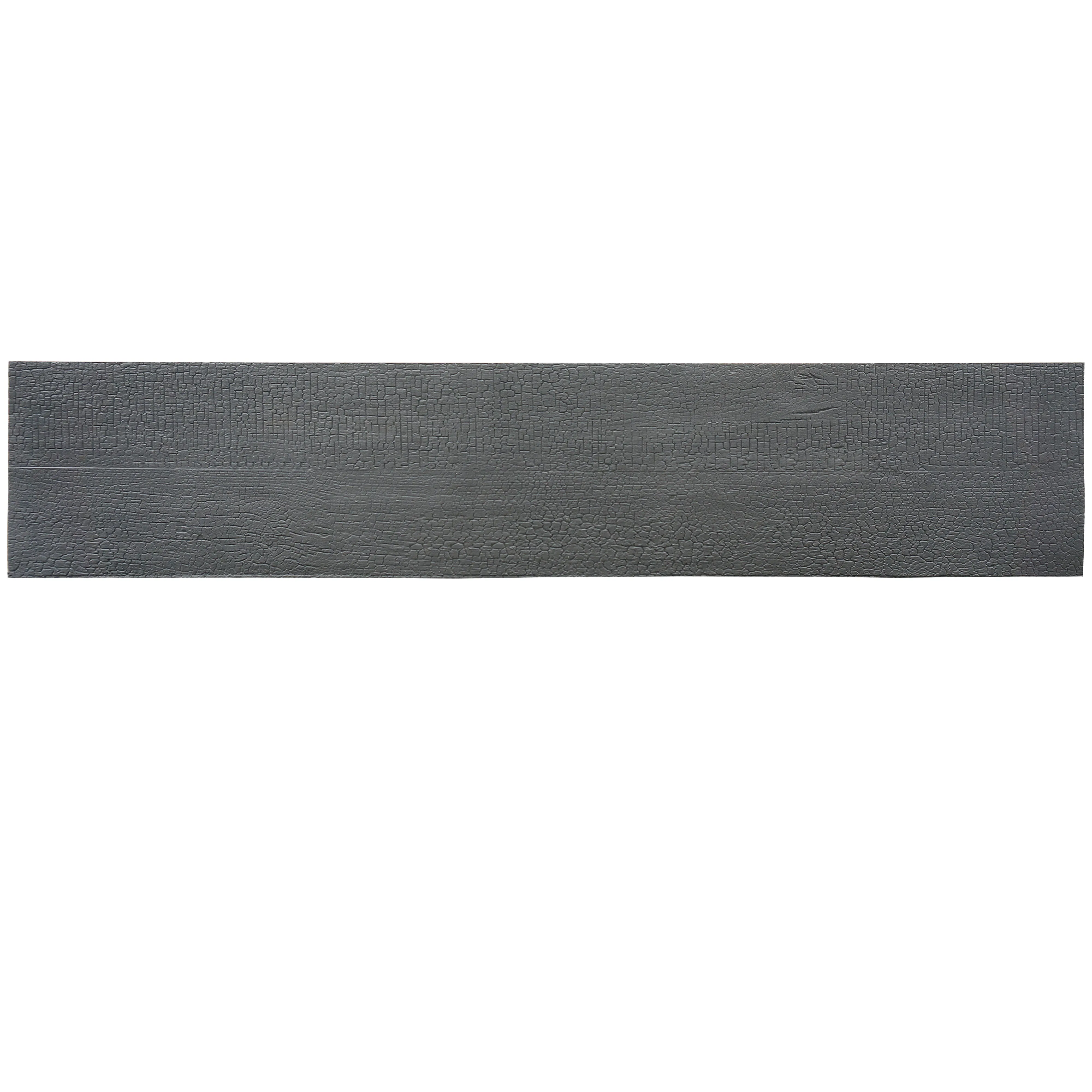
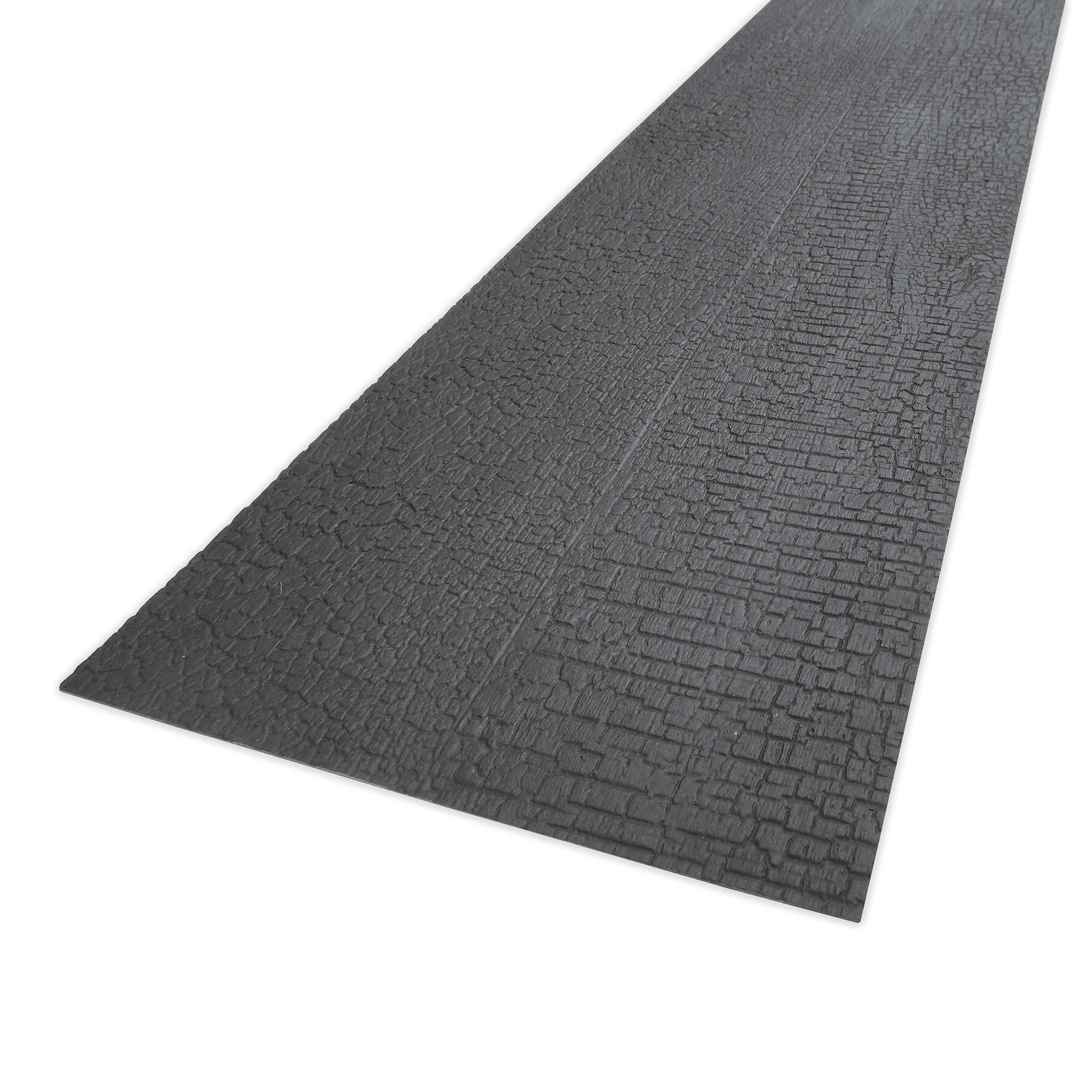
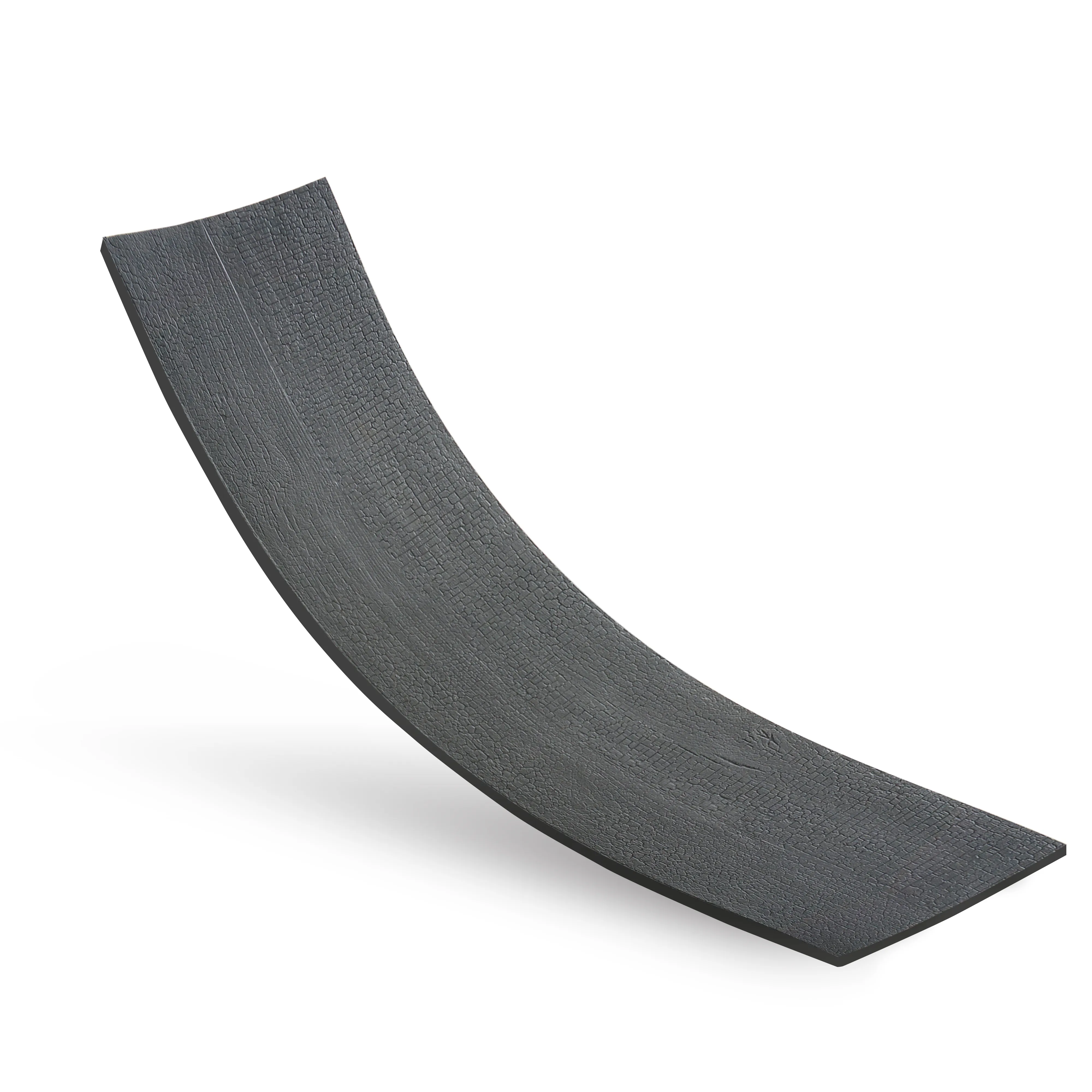
First things first: let's get familiar with the star of the show. Charcoal burnt wood board—sometimes called shou sugi ban board, after the traditional Japanese technique that inspired it—is exactly what it sounds like: wood that's been intentionally charred, then treated to create a durable, visually striking panel. Unlike the blackened planks you might find after a campfire, this is a controlled process. The wood is burned to a specific depth, brushing away loose char to reveal a textured surface that ranges from deep ebony to smoky grays, often with hints of the wood's natural grain peeking through.
Historically, the charring process was used in Japan to protect wood from rot, insects, and fire—practical solutions for a country with humid climates and dense forests. Today, it's evolved. Modern manufacturers might use propane torches, specialized ovens, or even laser technology to achieve consistent charring, pairing tradition with precision. The result? A material that's found its way into homes, restaurants, and commercial spaces, loved for its dramatic aesthetic and supposed green credentials. But looks can be deceiving—so let's dig deeper.
Sustainability starts at the source, and for charcoal burnt wood board, that source is trees. Not all wood is created equal, though. The eco-friendliness of this material hinges heavily on whether the wood is harvested responsibly. If it's coming from old-growth forests or clear-cut areas with no replanting plans, we're already off to a rocky start. But when sourced from certified sustainable forests—think FSC (Forest Stewardship Council) or PEFC (Programme for the Endorsement of Forest Certification) accredited suppliers—the story changes.
Many reputable manufacturers now prioritize wood from managed forests, where trees are replanted, biodiversity is protected, and local communities are supported. This matters because sustainably harvested wood acts as a carbon sink: trees absorb CO2 as they grow, and if the wood is used long-term (more on that later), that carbon stays locked away instead of being released into the atmosphere. So, step one for sustainability? Check the wood's origin. A good supplier will be transparent about certifications—don't be shy to ask.
Now, let's talk about the elephant in the room: burning wood. It sounds counterintuitive, right? We're told to reduce burning to cut emissions, so why is charring wood being marketed as eco-friendly? The key here is control. Traditional shou sugi ban uses minimal fuel—just enough to char the surface—often relying on simple torches. Modern methods might use more energy, but many manufacturers are offsetting this by using renewable energy sources like solar or wind to power their facilities.
Emissions are another consideration. Burning wood releases CO2, but here's the twist: trees naturally absorb CO2 as they grow. If the wood is sustainably sourced (and replanted), the CO2 released during charring is part of a closed loop—essentially, returning to the atmosphere what the tree once took in. Compare that to materials like plastic-based composites, which release fossil carbon that's been underground for millions of years, and the math starts to look better. Still, not all charring processes are equal. High-temperature industrial ovens, for example, might have a bigger footprint than small-batch torch methods, so scale matters.
A material's sustainability isn't just about how it's made—it's about how long it lasts. A cheap, "eco" product that falls apart in five years and ends up in a landfill is worse than a slightly less green option that lasts decades. Charcoal burnt wood board scores big here. The charring process creates a layer of carbon that's naturally resistant to moisture, mold, and pests. In fact, properly maintained boards can last 50 years or more—far longer than untreated wood, which might need replacing every 10–15 years in harsh conditions.
This longevity reduces the need for frequent replacements, which in turn cuts down on raw material use and production energy over time. Think of it as an investment: a longer lifespan means fewer trees harvested, fewer manufacturing cycles, and less waste. Plus, because it's so durable, it often requires minimal maintenance—no toxic paints, sealants, or treatments. A simple occasional cleaning is usually enough, keeping harmful chemicals out of the environment (and your home).
Even the most durable materials reach the end of their useful life eventually. So, what happens to charcoal burnt wood board when it's no longer needed? Unlike synthetic materials that linger in landfills for centuries, wood is biodegradable. If the board is free of toxic adhesives or coatings (another reason to check manufacturing practices), it can be composted, mulched, or even burned as biofuel—returning its carbon back to the soil or atmosphere in a natural cycle.
Some might argue that burning it releases CO2, but again, this is part of the tree's natural carbon cycle. It's a stark contrast to materials like vinyl siding or certain composite boards, which release microplastics and harmful chemicals as they break down. Of course, the ideal end-of-life scenario is reuse: old boards can be repurposed into furniture, accent walls, or garden beds, extending their lifespan even further. Sustainability, after all, is about closing loops, not just opening them.
To truly gauge charcoal burnt wood board's eco-credentials, we need to compare it to other popular building materials. Let's pit it against two contenders: MCM flexible stone and fair-faced concrete—both marketed as sustainable options in their own right. Here's how they measure up across key sustainability metrics:
| Sustainability Metric | Charcoal Burnt Wood Board | MCM Flexible Stone | Fair-Faced Concrete |
|---|---|---|---|
| Raw Material Source | Wood (sustainable forestry possible with FSC/PEFC certification) | Natural stone aggregates + recycled polymers (varies by manufacturer) | Limestone, clay, sand (non-renewable, but abundant) |
| Production Energy Use | Low to moderate (charring + minimal processing) | Moderate (crushing stone, mixing polymers, rolling into sheets) | High (cement production is energy-intensive, emits CO2) |
| Durability | 50+ years (with minimal maintenance) | 30–40 years (resistant to weathering, lightweight) | 50–100 years (high compressive strength, prone to cracking if not reinforced) |
| End-of-Life Recyclability/Biodegradability | Biodegradable (if untreated); recyclable as mulch/biomass | Recyclable in some cases (polymers can be repurposed); stone aggregates reusable | Crushable for aggregate reuse; not biodegradable |
| Carbon Footprint (Lifecycle) | Low (if sustainably sourced; closed carbon loop) | Moderate (depends on polymer content and energy use) | High (cement production is a major CO2 emitter) |
Unsurprisingly, there's no perfect material. MCM flexible stone, for example, is praised for its lightweight design (reducing transportation emissions) and use of recycled materials, but its polymer components can complicate recycling. Fair-faced concrete, while incredibly durable, has a heavy carbon footprint due to cement production—a industry responsible for ~8% of global CO2 emissions. Charcoal burnt wood board, when sourced responsibly, edges ahead in lifecycle carbon and biodegradability, but it's not without trade-offs (like reliance on forest resources).
With any trendy material, skepticism is healthy. Let's tackle some common myths about charcoal burnt wood board's sustainability:
Myth #1: "Burning wood is wasteful—you're just destroying perfectly good trees." It's true that charring removes some of the wood's mass, but the process transforms the remaining material into something far more durable. A single burnt board can outlast three or four untreated boards, meaning fewer trees are needed overall. Plus, if the wood comes from sustainably managed forests, harvesting is part of a regenerative cycle—trees are planted to replace those cut down, maintaining forest health and carbon absorption.
Myth #2: "It's not really eco-friendly if it's imported from far away." Transportation matters! A board sourced from a local FSC-certified forest and burnt in a nearby workshop has a much lower footprint than one shipped from overseas. Look for regional manufacturers—many countries now have their own shou sugi ban producers, cutting down on shipping emissions.
Myth #3: "Wood grain board is just as sustainable and looks similar." Wood grain board—often a composite of wood fibers and adhesives—can be sustainable, but it depends on the ingredients. Some wood grain boards use formaldehyde-based glues, which are toxic, or non-recyclable plastics. Charcoal burnt wood board, by contrast, is often a single, untreated material, making it a cleaner choice if sustainability is your top priority.
Numbers and metrics are one thing, but real projects tell the story best. Take the case of a boutique hotel in Portland, Oregon, which recently renovated its exterior using charcoal burnt wood board sourced from local Douglas firs. The wood came from a forest managed by the Oregon Forest Resources Institute, which practices selective harvesting (only removing mature trees to let younger ones thrive). The charring was done on-site with propane torches, minimizing transportation, and the boards required no sealants—just a yearly rinse with water.
Five years later, the hotel's walls still look as striking as day one, with no signs of rot or pest damage, even in Portland's rainy climate. The owners estimate they've saved thousands in maintenance costs compared to the previous vinyl siding, which needed repainting every two years. And when the time comes for a refresh? The boards will be chipped into mulch for the hotel's garden, feeding the soil instead of clogging a landfill. It's a small example, but it illustrates how charcoal burnt wood board can align with sustainability when paired with thoughtful sourcing and installation.
So, after all this, is charcoal burnt wood board the sustainable hero it's cracked up to be? The answer, as with most sustainability questions, is: it depends. When sourced from certified sustainable forests, produced with low-energy methods, and used in applications where its durability shines (like exteriors or high-traffic areas), it's a strong contender. Its biodegradability, minimal maintenance needs, and closed carbon loop give it a leg up on many synthetic alternatives.
But it's not a silver bullet. If the wood is coming from clear-cut forests, or if the manufacturing process relies on fossil fuels with no offsets, its eco-credentials crumble. Like any material, its sustainability is a chain—break one link (irresponsible sourcing, energy-heavy production, poor durability), and the whole thing falls apart.
For homeowners, architects, and builders, the takeaway is clear: do your homework. Ask manufacturers for proof of sustainable sourcing (FSC labels, forestry reports), inquire about their production energy use, and check if the boards are treated with any chemicals. If the answers check out, charcoal burnt wood board isn't just a pretty face—it's a material that can help build a greener future, one charred plank at a time.
Sustainability isn't about perfection; it's about progress. Charcoal burnt wood board, when done right, represents that progress—a blend of ancient wisdom and modern responsibility. It reminds us that the most eco-friendly materials often aren't the newest or the flashiest, but those that work with nature, not against it.
As we continue to reimagine how we build, let's keep asking the tough questions: Where does this come from? How is it made? How long will it last? And when its time is up, where will it go? Charcoal burnt wood board, in its best form, answers these questions with honesty—and that's a start. After all, the future of our planet isn't built on trends. It's built on choices that honor the past, protect the present, and nurture what's to come.
Recommend Products












