
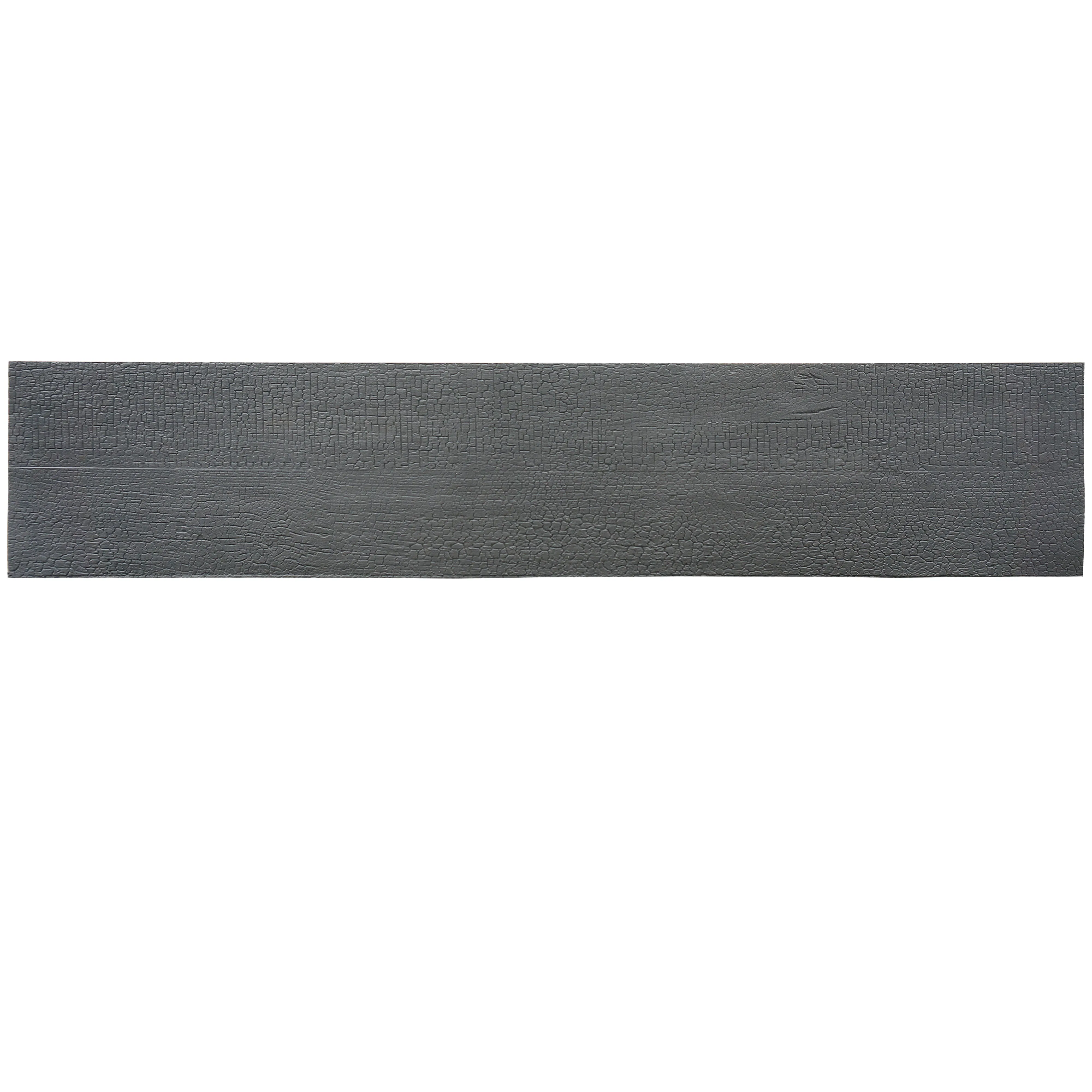
Walk into a home in a high-humidity climate—say, a coastal cottage in Maine, a tropical villa in Bali, or a basement apartment in Seattle—and you'll notice something quickly: the air feels heavy. It clings to your skin, settles on windowsills, and seeps into every nook and cranny. For homeowners and designers, this isn't just an inconvenience; it's a silent adversary. Walls warp, floors buckle, and mold creeps in, turning once-beautiful spaces into battlefields. So when a material like charcoal burnt wood board comes along—with its rich, smoky hues and rustic charm—it's natural to wonder: can it stand up to the moisture? Or is it just another pretty face destined to fade in the fog?
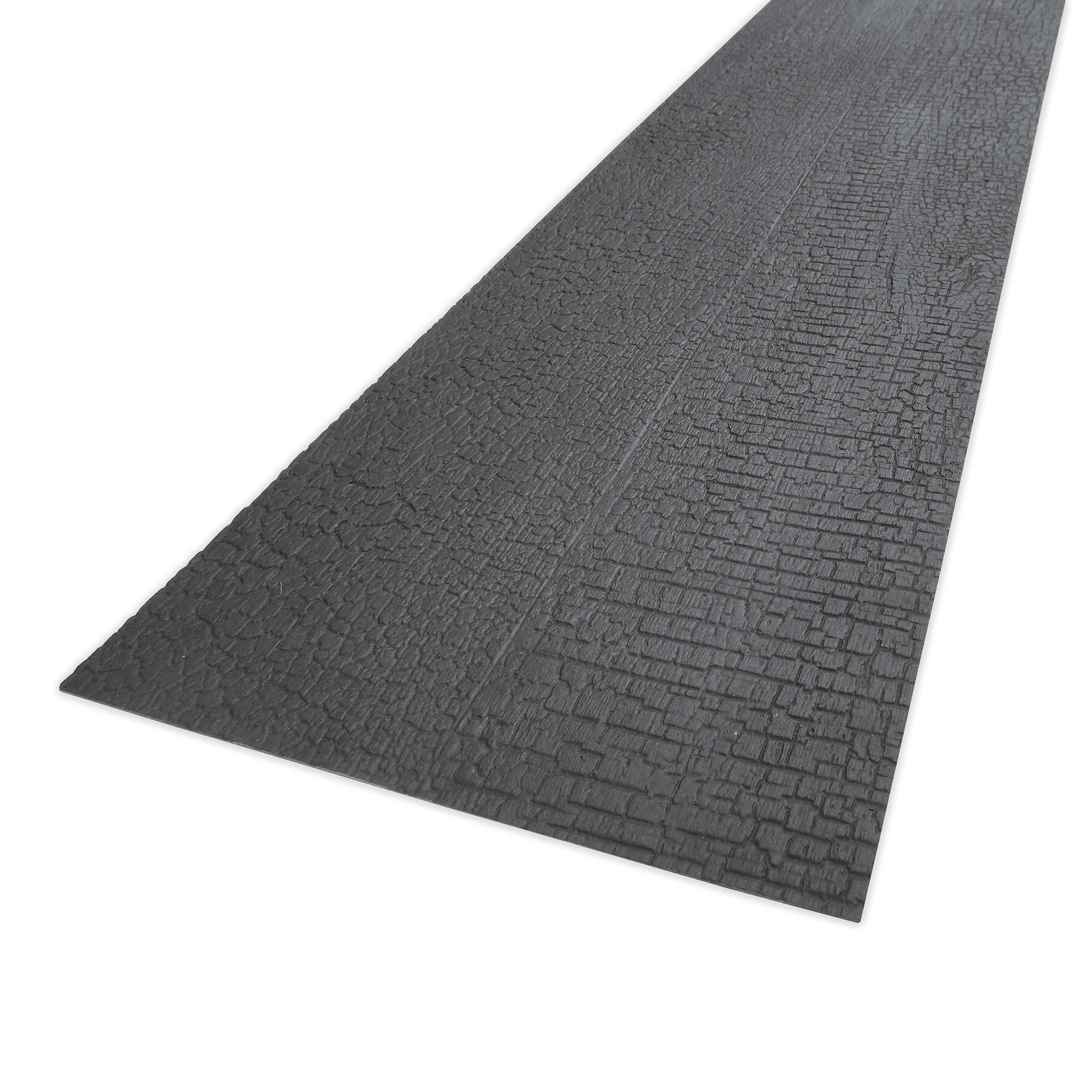
Let's start with the basics. Charcoal burnt wood board—sometimes called "shou sugi ban," borrowing from the traditional Japanese technique of yakisugi—isn't your average lumber. It's wood that's been intentionally burned, then sealed, to transform both its look and its performance. The process is surprisingly low-tech: planks are torched with a blowtorch or open flame until the surface chars, creating a deep, textured layer of carbon. After burning, the wood is brushed to remove loose ash, revealing a striking pattern of blackened grain and raw, earthy undertones. Finally, it's sealed with oil or wax to lock in the finish and protect the underlying wood.
The result? A material that looks like it's been kissed by fire—warm, rugged, and full of character. No two boards are alike: some have deep, inky streaks where the flame lingered; others show honeyed highlights where the wood resisted burning. It's this uniqueness that makes it a darling of designers aiming for that "lived-in luxury" vibe—think boutique hotels with industrial-chic lobbies or modern homes craving a touch of organic warmth.
To understand if charcoal burnt wood can hack it in humid spaces, we need to first grasp why humidity is such a nightmare for building materials. Humidity—water vapor in the air—seeks equilibrium. If the air is more humid than the material it touches, that moisture will leach into the material, causing it to expand. When the air dries out, the material shrinks. This cycle of swelling and shrinking is what leads to warping, cracking, and splitting in wood. Add in the fact that moisture creates a breeding ground for mold, mildew, and wood-boring insects, and you've got a recipe for disaster—especially in areas where humidity levels hover above 60% year-round.
Traditional untreated wood is particularly vulnerable. Pine, oak, even cedar—without proper sealing—soaks up moisture like a sponge. Plywood and MDF fare even worse, with their layered construction trapping moisture and leading to delamination. So when homeowners see a wood product that claims to be "moisture-resistant," it's no wonder they're skeptical. But charcoal burnt wood isn't traditional wood. Its secret weapon? That charred outer layer.
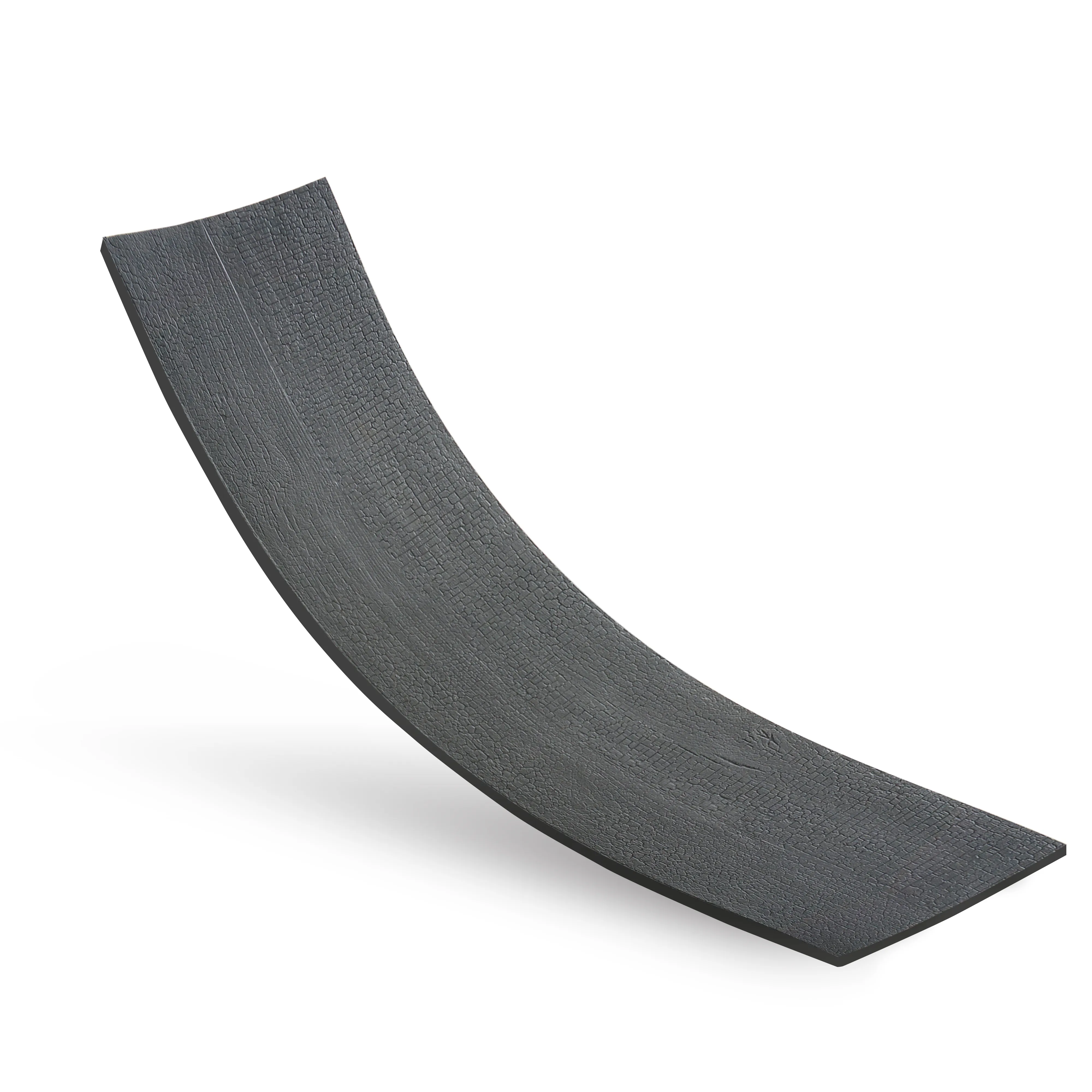
The magic of charcoal burnt wood lies in the charring process. When wood is burned, its surface undergoes carbonization—a chemical change where cellulose (the organic compound that makes wood vulnerable to rot and insects) breaks down, leaving behind a layer of carbon. Carbon is hydrophobic, meaning it repels water. Think of it like a suit of armor for the wood: the charred layer acts as a barrier, slowing down moisture absorption and preventing the kind of deep penetration that leads to warping.
But that's not all. The charring process also kills off any existing bacteria, fungi, or insect larvae in the wood, giving it a head start in the fight against decay. And because the surface is already burned, it's less likely to catch fire (counterintuitive, right?). In fact, in Japan, yakisugi was originally used to fireproof buildings—a bonus in humid climates where mold and fire risks often go hand in hand.
Of course, the char layer alone isn't enough. That's where sealing comes in. Most modern charcoal burnt wood boards are treated with a clear sealant (like tung oil, linseed oil, or polyurethane) after charring. This sealant adds an extra layer of protection, locking out moisture and preventing the char from rubbing off onto hands or furniture. Without sealing, the charred surface would be prone to flaking, and moisture could still seep into the unburnt wood below. So when shopping for charcoal burnt wood board, always check if it's pre-sealed—or plan to seal it yourself immediately after installation.
Before we crown charcoal burnt wood the king of humid climates, let's talk about its weaknesses. For starters, it's not entirely waterproof. While the char layer and sealant slow down moisture absorption, prolonged exposure to standing water (like a leaky roof or a flooded basement) will still cause damage. The wood can still swell if the sealant wears off, and in extremely humid environments—think the Amazon rainforest or a bathroom with poor ventilation—even sealed charcoal burnt wood might struggle over time.
Then there's maintenance. Unlike, say, fair-faced concrete, which can be left untouched for years, charcoal burnt wood needs regular care. The sealant will wear off over time—faster in high-humidity areas—and will need to be reapplied every 1–3 years. If you skip this step, the char layer will start to degrade, and the wood will lose its moisture resistance. For busy homeowners or those who hate DIY, this could be a dealbreaker.
Cost is another factor. Charcoal burnt wood board isn't cheap. The labor-intensive burning and sealing process, combined with the use of high-quality wood (often cedar or cypress, which are naturally more resistant to decay), means it can cost 2–3 times more than standard pine or plywood. For large projects—like wall cladding or flooring—this can add up quickly.
So charcoal burnt wood has pros and cons—but how does it compare to other popular materials for high-humidity spaces? Let's break it down.
| Material | Humidity Resistance | Maintenance Needs | Aesthetic Vibe | Cost Range |
|---|---|---|---|---|
| Charcoal Burnt Wood Board | High (with proper sealing) | Moderate: Seal every 1–3 years | Rustic, warm, organic with smoky, textured grain | $$$ (Premium) |
| MCM Flexible Stone | Very High (waterproof, mold-resistant) | Low: Wipe clean with mild soap; no sealing needed | Modern, sleek, with stone-like texture (lightweight) | $$ (Mid-Range) |
| Fair-Faced Concrete | Very High (impermeable when sealed) | Low: Seal every 5–7 years; prone to staining | Industrial, minimalist, raw and edgy | $$$ (Premium, installation-heavy) |
| Wood Grain Board | Low to Moderate (engineered, but still wood-based) | Moderate: Seal yearly; prone to warping if exposed to moisture | Traditional wood look, uniform grain | $ (Budget-Friendly) |
| Travertine (Beige) | Moderate (porous; needs frequent sealing) | High: Seal every 6–12 months; prone to staining | Elegant, natural stone with earthy, neutral tones | $$$ (Premium) |
Let's dive deeper into a few of these. MCM flexible stone, for example, is a modern marvel. Made from modified composite materials, it's lightweight, flexible, and 100% waterproof—perfect for bathrooms, kitchens, or outdoor patios. It mimics the look of stone (think slate or marble) but without the weight or porosity. And since it's man-made, it's consistent in color and texture—no surprises. But for those who crave the warmth of real wood, it can feel a bit sterile.
Fair-faced concrete is another heavy hitter in humid climates. Its dense, solid structure repels moisture, and when sealed, it's virtually mold-proof. It's got that cool, industrial vibe that's popular in modern design, but it's cold to the touch and can feel harsh in cozy spaces. Plus, installation is a beast—you'll need professionals, and it's not easy to DIY.
Travertine (beige), a classic natural stone, is beloved for its creamy, earthy tones and unique veining. But it's porous—like a sponge with tiny holes that soak up water, oil, and dirt. In high humidity, this means constant sealing (at least once a year) and a higher risk of mold if not cleaned regularly. It's beautiful, but high-maintenance.
Wood grain board, on the other hand, is the budget option. It's engineered wood with a printed wood-look layer, making it affordable and easy to install. But it's still wood-based, and in humid areas, it's prone to swelling and delamination. It's a good choice for low-moisture spaces, but not for the tropics.
If you've fallen for the charm of charcoal burnt wood and want to use it in a humid space, don't despair—with the right care, it can thrive. Here's how:
Still on the fence? Let's hear from people who've actually used charcoal burnt wood in high-humidity areas. Take Sarah, a homeowner in Charleston, South Carolina, who used it for her outdoor patio ceiling. "Charleston is basically a swamp in the summer—humidity over 80%, rain every other day," she laughs. "I was terrified the wood would rot, but we went with cedar, sealed it with tung oil, and five years later, it looks amazing. No mold, no warping, just that same rich, smoky color. We re-seal it every spring, and it's totally worth the 3-hour DIY project."
Then there's Mark, a restaurant owner in Bali, who clad his dining room walls in charcoal burnt wood. "Bali is hot and humid year-round, and with all the cooking, our kitchen walls used to get moldy constantly," he says. "We switched to charcoal burnt wood three years ago, sealed it with marine polyurethane, and now we never have mold issues. Plus, the guests love the look—it feels warm and cozy, even in the tropics."
"I once worked with a client in Seattle who wanted a wood accent wall in her basement. Basements in Seattle are basically underground swimming pools—perpetually damp. We went with charcoal burnt cypress, sealed it twice, and installed a dehumidifier. Two years later, she sent me photos: the wall still looks brand new. No warping, no mold. It's not magic, but it works." — Mia, interior designer specializing in humid-climate homes
So, is charcoal burnt wood board suitable for high-humidity areas? The answer is… it depends. If you're willing to invest in quality materials, commit to regular maintenance, and prioritize ventilation, then yes—it can be a stunning, durable choice. Its natural beauty and unique texture add warmth and character that few other materials can match, making it ideal for accent walls, ceilings, outdoor furniture, or even flooring (with extra sealing).
But if you're looking for a "set it and forget it" material—something you can install and never think about again—you might be better off with MCM flexible stone or fair-faced concrete. These options offer better moisture resistance with less maintenance, though they lack the organic charm of charcoal burnt wood.
At the end of the day, the best material is the one that balances your aesthetic goals with your practical needs. Charcoal burnt wood isn't perfect, but in the right hands—and with the right care—it can turn a humid, challenging space into something truly special. Just remember: when it comes to moisture, preparation is everything. Burn it, seal it, ventilate it, and love it—and it will love you back, even in the stickiest of climates.
Recommend Products












