
When you walk into a space that feels instantly "right"—whether it's a cozy café with walls that seem to breathe or a modern home where every surface tells a story—chances are, the building materials played a starring role. Choosing the right material isn't just about durability or cost; it's about capturing the mood you want to create, the memories you hope to hold, and the way light, texture, and color come together to shape everyday moments. From the rough-hewn charm of a stone cottage to the sleek precision of a contemporary office, materials are the silent storytellers of architecture. Among the many options available today, one material has been turning heads in design circles: Cloud Stone. But what exactly is it, and how do you know if it's the perfect fit for your next project? Let's dive in.
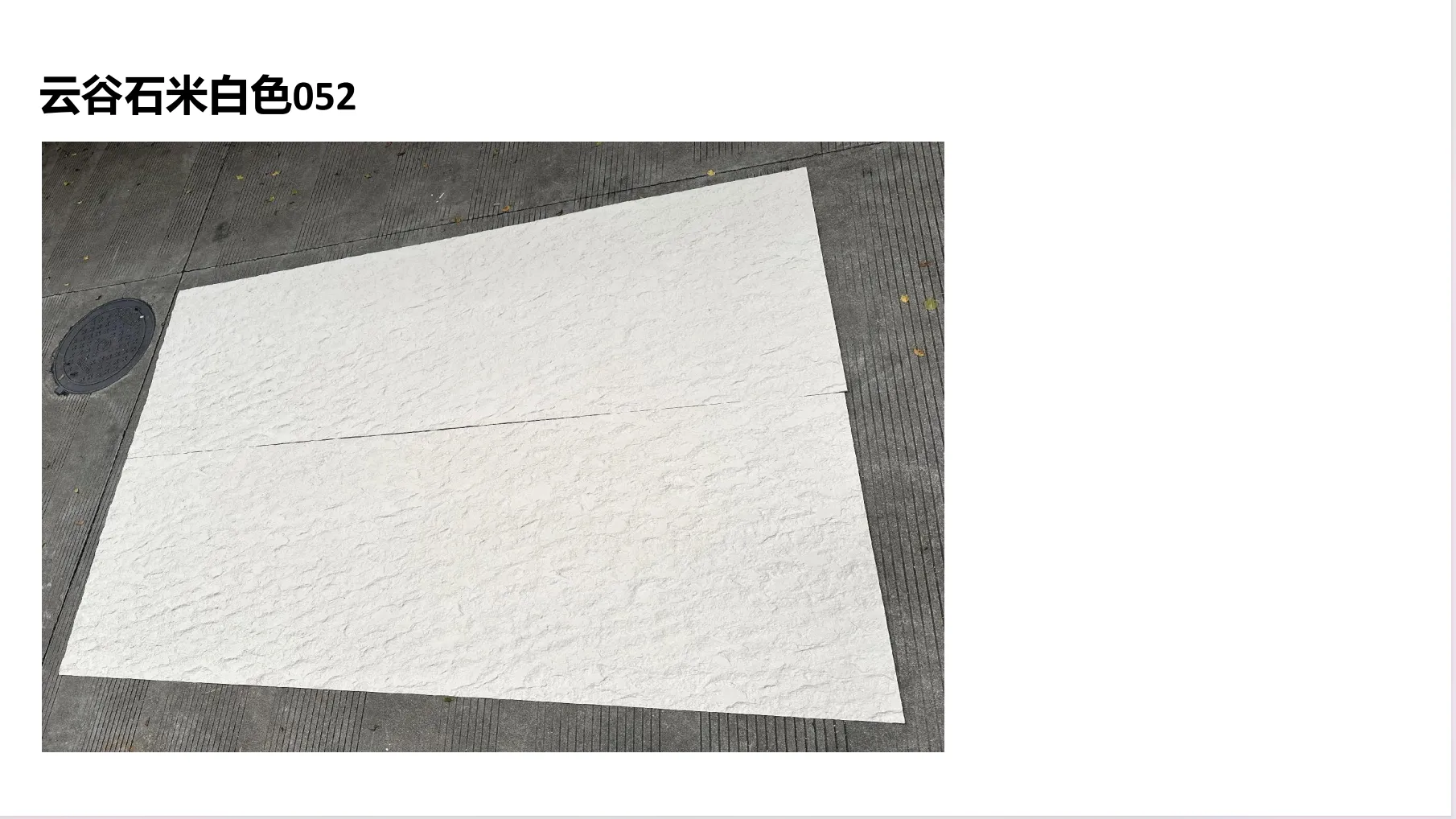
At first glance, Cloud Stone might remind you of a slab of marble or travertine, but lean in closer, and its unique character reveals itself. A blend of natural mineral aggregates and advanced binding technology, Cloud Stone is engineered to mimic the organic beauty of natural stone while offering the reliability of modern materials. Its name comes from its most striking feature: soft, billowy veining that swirls across the surface like clouds drifting across a sky. Unlike uniform synthetic materials, each slab of Cloud Stone has subtle variations in pattern and color—no two pieces are exactly alike—giving it the kind of depth and authenticity that only nature (or nature-inspired engineering) can provide.
Developed by a team of material scientists and designers, Cloud Stone was born from a desire to bridge the gap between tradition and innovation. "We wanted something that felt timeless but didn't come with the drawbacks of traditional stone," explains Dr. Elena Kim, lead researcher on the project. "Natural stone is stunning, but it can be heavy, porous, or hard to source sustainably. Cloud Stone takes the best of both worlds: the texture and visual interest of stone, with the lightness, durability, and eco-friendly profile of modern composites."
Available in a range of shades—from soft whites and grays to warmer beiges and even subtle pastels—Cloud Stone's color palette is designed to complement a variety of design styles. Run your hand over its surface, and you'll notice a finish that's smooth yet tactile: not glossy enough to feel cold, nor too matte to appear dull. It's a balance that makes it equally at home in a minimalist apartment and a rustic cabin.
To understand if Cloud Stone is right for your project, let's break down its core features—what makes it stand out, and where it might fall short compared to other options.
One of the biggest concerns for any building material is how it holds up over years of use. Cloud Stone scores high here: its dense composition resists scratches, chips, and stains, making it suitable for high-traffic areas like entryways, kitchens, and commercial lobbies. Unlike natural travertine, which is porous and prone to absorbing spills, Cloud Stone's non-porous surface repels liquids—meaning a spilled glass of red wine or a splash of olive oil is unlikely to leave a permanent mark. "I used Cloud Stone in my kitchen three years ago, and it still looks brand new," says homeowner Sarah Chen. "We have two kids and a dog, so there's no shortage of messes, but a quick wipe with a damp cloth is all it takes to clean it up."
Cloud Stone isn't limited to one type of application. It can be cut into slabs for countertops, tiles for flooring, or large panels for feature walls. Its lightweight composition (about 30% lighter than natural marble) also makes it easier to install, reducing labor costs and structural load concerns. "We recently used Cloud Stone for a bathroom renovation," notes contractor Mike Torres. "Installing it on the shower walls was a breeze compared to heavy stone tiles—it cut down on installation time by almost half, and the client loved how the light the veining creates a spa-like atmosphere."
In a world of stark, industrial materials, Cloud Stone brings warmth without sacrificing modernity. Its cloud-like veining adds movement to a space, preventing the "coldness" that can come with minimalist design. "I often pair Cloud Stone with warm wood tones and soft textiles to create a balance between hard and soft elements," says interior designer Lisa Wong. "In a recent project, we used it for a living room feature wall, and the way the afternoon light hits the veining makes the whole room feel alive. It's not just a wall anymore—it's a focal point that sparks conversation."
For eco-conscious builders and homeowners, Cloud Stone offers another advantage: sustainability. Made with recycled mineral aggregates and low-VOC (volatile organic compound) binders, it has a lower carbon footprint than many natural stones, which often require extensive mining and transportation. Additionally, its durability means less frequent replacement, reducing waste over time. "Sustainability was a top priority for our office renovation," says green building consultant Raj Patel. "Cloud Stone checked all the boxes—locally sourced, recycled content, and long-lasting. It's proof that you don't have to compromise on aesthetics to build responsibly."
Of course, Cloud Stone isn't the only option on the market. Let's see how it stacks up against other trending materials, including some from the latest MCM collections, to help you weigh your choices.
| Material | Texture & Appearance | Durability | Best For | Mood & Vibe | Maintenance Needs |
|---|---|---|---|---|---|
| Cloud Stone | Soft, cloud-like veining; smooth yet tactile finish; subtle color variations. | High: Resists scratches, stains, and moisture; suitable for high-traffic areas. | Kitchen countertops, feature walls, bathroom surfaces, flooring. | Warm, organic, and versatile—works in modern, rustic, and minimalist spaces. | Low: Wipe clean with mild soap and water; no sealing required. |
| Travertine (Starry Green) | Porous with bold, iridescent green veins; rough, natural texture. | Medium: Prone to scratches and staining; requires regular sealing. | Tropical-themed spaces, outdoor patios (with sealing), accent walls. | Vibrant, earthy, and exotic—evokes jungle or coastal energy. | High: Seal every 6–12 months; avoid acidic cleaners. |
| Lunar Peak Silvery | Metallic silver finish with a crystalline, almost futuristic texture. | High: Scratch-resistant and moisture-proof; lightweight. | Industrial-chic interiors, exterior cladding, modern fireplaces. | Cool, sleek, and edgy—perfect for spaces aiming for a "spaceship" or high-tech vibe. | Medium: Wipe clean with a dry cloth; avoid abrasive cleaners to preserve shine. |
| Foamed Aluminium Alloy Board (Vintage Silver) | Matte metallic finish with a weathered, vintage look; lightweight and malleable. | Very High: Rust-proof, dent-resistant, and ideal for exteriors. | Outdoor signage, facade cladding, industrial-style accent walls. | Retro-futuristic, with a raw, industrial charm. | Low: Resistant to the elements; occasional rinse with water. |
| MCM Flexible Stone | Thin, flexible sheets with realistic stone textures (e.g., marble, slate, travertine). | Medium: Good for low-traffic walls; less durable for flooring. | Accent walls, furniture surfaces, DIY projects (easy to cut and install). | Budget-friendly stone look-alike; varies by texture (e.g., marble for elegance, slate for ruggedness). | Medium: Avoid moisture exposure; clean with a soft cloth. |
As the table shows, Cloud Stone's strength lies in its versatility and balance. It offers the organic beauty of natural stone without the high maintenance, and the durability of synthetic materials without the sterile feel. For projects where you want warmth, durability, and ease of care, it's a strong contender.
While Cloud Stone works in many settings, some projects benefit more from its unique properties than others. Here are a few scenarios where it truly shines:
In kitchens, Cloud Stone countertops combine beauty and practicality. They stand up to hot pans, knife scratches, and food spills, making them a family-friendly choice. In bathrooms, their moisture resistance makes them ideal for shower walls, vanities, or even flooring—no more worrying about water damage or mold growth. "I replaced my old laminate countertops with Cloud Stone last year, and it's been a game-changer," says homeowner Mark Davis. "It looks like expensive marble, but I don't panic when my kids set their lunchboxes on it. Plus, the veining hides minor water spots, so it always looks clean."
Cafés, boutiques, and office lobbies see hundreds of visitors daily, so durability is key. Cloud Stone flooring or wall panels can withstand the wear and tear while maintaining their aesthetic appeal. A recent study by the Interior Design Institute found that spaces using Cloud Stone reported higher customer satisfaction scores, with visitors noting the "calming" and "inviting" atmosphere it creates. "We used Cloud Stone in our downtown café, and customers often comment on how the walls 'feel soft,'" says café owner Jamie Liu. "It's become part of our brand identity—people come not just for the coffee, but for the vibe, and Cloud Stone is a big part of that."
For spaces that need a focal point—a living room lacking personality, a bedroom that feels too plain, or a hotel lobby that needs to make an impression—Cloud Stone feature walls deliver. Its veining draws the eye without overwhelming, making it a versatile choice for both bold and subtle statements. Interior designer Carlos Mendez used Cloud Stone in a luxury hotel suite's headboard wall: "The client wanted something that felt 'grand' but not ostentatious. Cloud Stone's soft gray veining against a white base creates a sense of luxury that's understated. Guests often say the room feels like a 'cloud suite'—exactly the mood we were going for."
Before committing to Cloud Stone, order a sample slab (most suppliers offer 12x12 inch samples for a small fee). Place it in your space at different times of day to see how it interacts with natural and artificial light. Notice how the veining looks in morning sun versus evening lamp light—this can help you choose the right shade and finish for your project.
While Cloud Stone is versatile, it's not the answer for every project. Here are a few scenarios where you might want to consider alternatives:
Ready to give Cloud Stone a try? Here are some expert tips to help you make the most of it:
Cloud Stone's veining comes alive with light. Install recessed LED strips behind a Cloud Stone feature wall to create a backlit effect that makes the veins glow. In kitchens, under-cabinet lighting can highlight countertop veining, adding depth to the space. "Lighting is everything with this material," says lighting designer Jake Reed. "A little strategically placed light can turn a plain slab into a work of art."
Cloud Stone pairs beautifully with contrasting textures. Try combining it with:
In small spaces (like a powder room), opt for lighter-colored Cloud Stone with subtle veining to make the room feel larger and airier. In large, open areas (like a great room), bolder veining or darker shades can add drama without overwhelming the space. "I used a dark gray Cloud Stone with thick veining in a 20-foot-high lobby," says architect Kevin Park. "It anchors the space and gives it a sense of grandeur, but in a small bathroom, that same slab would feel cramped."
While Cloud Stone is beautiful, using it everywhere can dilute its impact. Instead, use it as a statement piece—think a kitchen island countertop, a fireplace surround, or a single accent wall—and balance it with simpler materials elsewhere. "I've seen projects where every surface is Cloud Stone, and it starts to feel monotonous," notes designer Lisa Wong. "Less is more—let it shine in one key area, and let other materials support it."
At the end of the day, the best building material is the one that aligns with your project's goals, style, and practical needs. Cloud Stone offers a rare combination of beauty, durability, and versatility that makes it a strong candidate for everything from residential renovations to commercial builds. It's not just a material—it's a way to infuse your space with warmth, personality, and a touch of the extraordinary.
So, is Cloud Stone right for your project? If you want a material that's easy to maintain, visually striking, and adaptable to almost any design style—yes. If you're chasing ultra-traditional authenticity or working with an extremely tight budget, you might want to explore other options. But for most projects, Cloud Stone is more than just a choice—it's an investment in a space that feels uniquely yours, today and for years to come.
As Dr. Kim puts it: "Materials shape how we experience the world around us. Cloud Stone isn't just about building walls or countertops; it's about building spaces that make people feel something. And in the end, that's what great design is all about."
Recommend Products












