
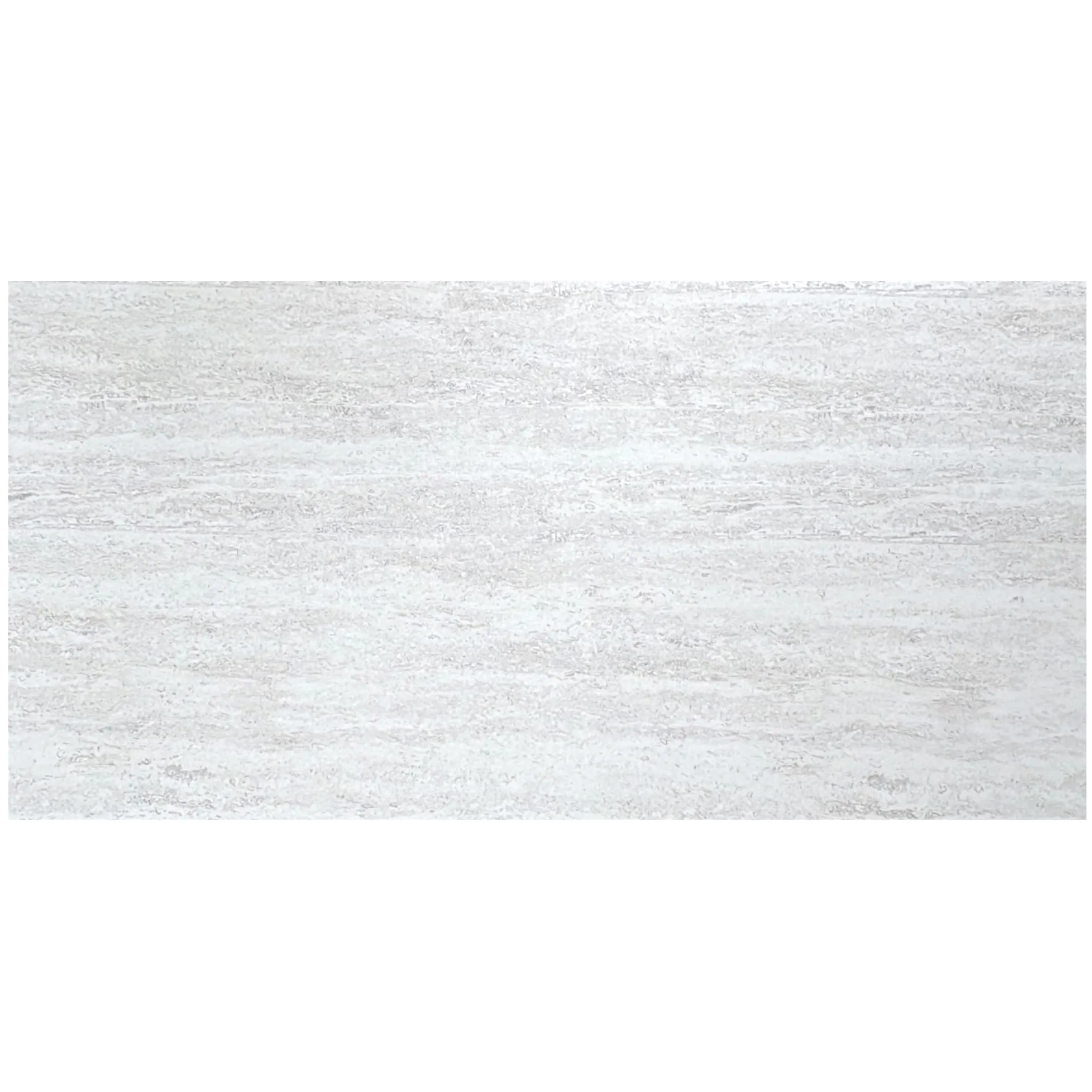
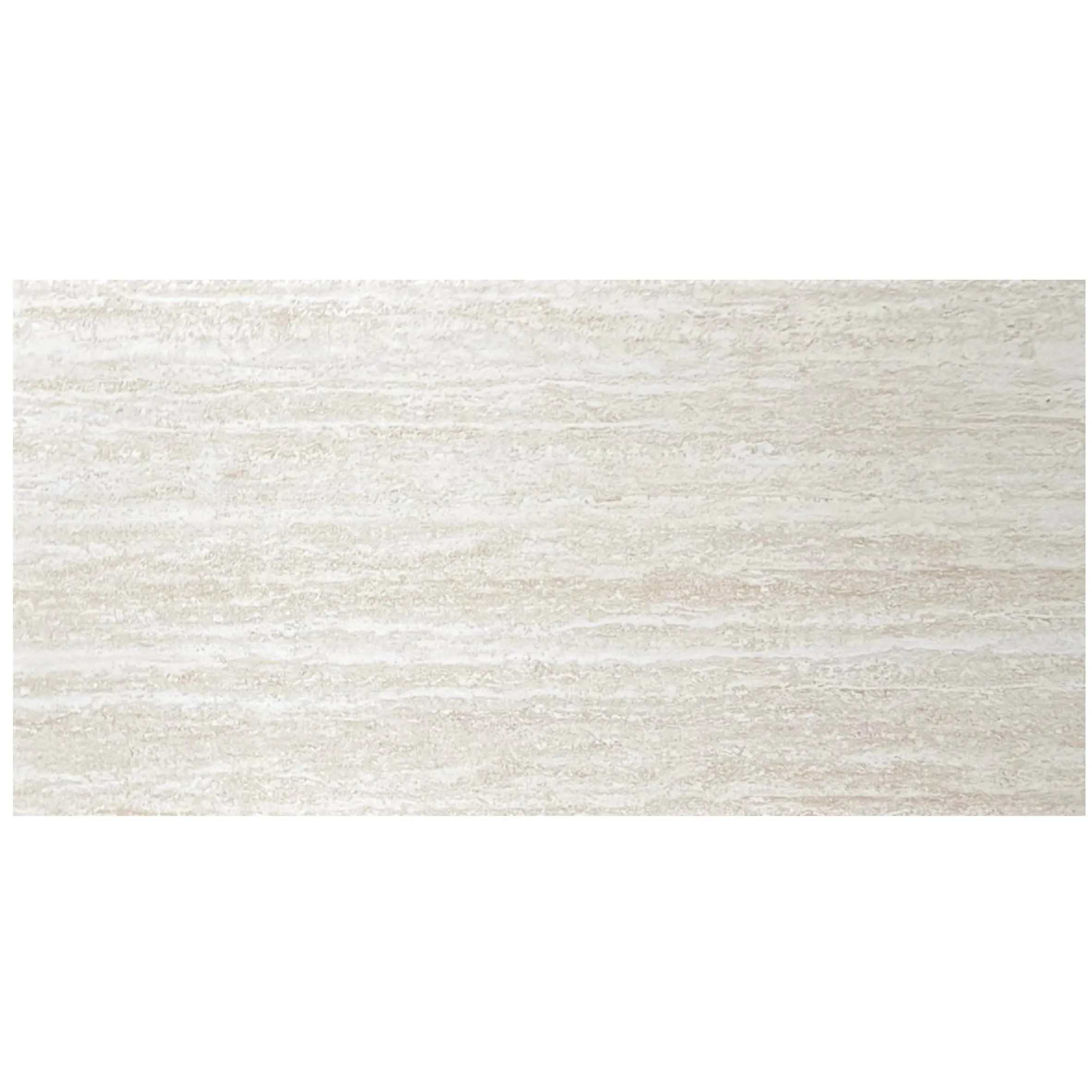
Picture this: You step into a sunlit lobby, and your eyes are drawn to the walls—they're clad in a stone that seems to shift with the light, a soft gray base swirled with threads of white, like fog curling over a mountain at dawn. The texture is warm under your fingertips, not cold or sterile, but alive with tiny pores that tell a story of time. You later learn it's called Ethereal Shadow Travertine , a material architects rave about for its ability to blend modern minimalism with organic warmth. But as you run your hand over its surface again, a question nags at you: Where did this stone come from? And at what cost to the planet?
In an era where "sustainability" isn't just a buzzword but a responsibility, even the most beautiful building materials are under scrutiny. Let's dive into the world of Ethereal Shadow Travertine—its origins, its environmental footprint, and whether it deserves a place in the growing movement toward green building materials .
Travertine itself is a form of limestone, born from mineral-rich hot springs. As water flows over rock, it deposits calcium carbonate, layer by layer, creating those signature porous pockets and swirling patterns. Ethereal Shadow is a specific variant—quarried primarily in regions like Italy, Turkey, and Iran—known for its muted gray palette and subtle veining. It's not just a stone; it's a canvas for designers, often paired with materials like foamed aluminium alloy board (vintage silver) to create contrast in high-end spaces.
But here's the catch: Traditional travertine mining hasn't always been kind to the earth. Quarrying involves heavy machinery, rock faces, and hauling tons of stone—processes that can disrupt ecosystems, deplete water sources, and release significant carbon emissions. So when we ask if Ethereal Shadow Travertine is eco-friendly, we're really asking: Has the industry evolved to minimize these harms?
Let's rewind to a decade ago. In some travertine quarries, workers would blast mountainsides without proper permits, leaving scars on landscapes that took centuries to heal. Waste rock was dumped into rivers, choking waterways and harming aquatic life. Transportation added another layer: A slab of Ethereal Shadow Travertine quarried in Turkey might travel 8,000 miles to reach a construction site in New York, burning fossil fuels the entire way.
Then there's the water issue. Travertine forms in mineral springs, so quarries are often near fragile aquifers. Over-extraction can dry up local water sources, leaving communities and wildlife struggling. And let's not forget the energy used in processing: Cutting, polishing, and sealing the stone requires electricity—much of which, in some regions, still comes from coal-fired power plants.
It's not all doom and gloom, though. In recent years, the industry has started to change. Many quarries now operate with stricter regulations, using precision cutting to reduce waste and investing in renewable energy to power machinery. Some even replant native vegetation on closed quarry sites, turning scars back into green spaces.
For every architect who swears by Ethereal Shadow Travertine, there's another exploring alternatives that skip the environmental toll. Enter materials like mcm flexible stone —a game-changer in the world of sustainable design. Unlike traditional travertine, mcm (modified composite material) is made from recycled stone dust, polymers, and natural fibers. It's lightweight, flexible (so it can bend around curves), and requires a fraction of the energy to produce. One manufacturer claims their mcm flexible stone reduces carbon emissions by 60% compared to quarried travertine—and it still mimics the look of natural stone, right down to the texture.
Then there are options like foamed aluminium alloy board (vintage silver) . These panels are crafted from recycled aluminum, which is 100% recyclable itself. They're lightweight, so transportation emissions plummet, and their vintage silver finish adds a sleek, industrial edge that pairs beautifully with wood or warm textiles. Plus, they're fire-resistant and low-maintenance—no sealing or special cleaning required.
And let's not overlook other travertine variants that prioritize sustainability. Take travertine (starry blue) , for example. Some quarries now offer "starry" lines—like starry blue, starry red, or starry orange—made by repurposing waste stone from larger Ethereal Shadow projects. Instead of dumping offcuts, they're polished and sold as smaller tiles, turning waste into a unique design feature.
To get a clearer picture, let's compare traditional Ethereal Shadow Travertine with two popular eco-alternatives: mcm flexible stone and foamed aluminium alloy (vintage silver). The table below breaks down key sustainability metrics:
| Metric | Traditional Ethereal Shadow Travertine | mcm Flexible Stone | Foamed Aluminium Alloy (Vintage Silver) |
|---|---|---|---|
| Carbon Footprint (per m²) | 120-150 kg CO2 | 45-60 kg CO2 | 30-40 kg CO2 |
| Water Usage (per m²) | 800-1,000 liters | 150-200 liters | 50-80 liters |
| Waste Generated | 20-30% of quarried stone | 5-10% (recyclable waste) | 2-5% (100% recyclable) |
| Transport Emissions | High (heavy, long distances) | Low (lightweight, local production) | Very low (ultra-light, recyclable packaging) |
The numbers speak for themselves: mcm flexible stone and foamed aluminium alloy have significantly lower footprints. But that doesn't mean Ethereal Shadow Travertine is obsolete. Many quarries now offer "green-certified" travertine, which means they adhere to strict standards for water conservation, reforestation, and fair labor practices. For example, a quarry in Italy might use solar panels to power its cutting machines, or a Turkish site might filter and reuse 90% of its water. These efforts don't erase the stone's impact, but they do make it a more responsible choice.
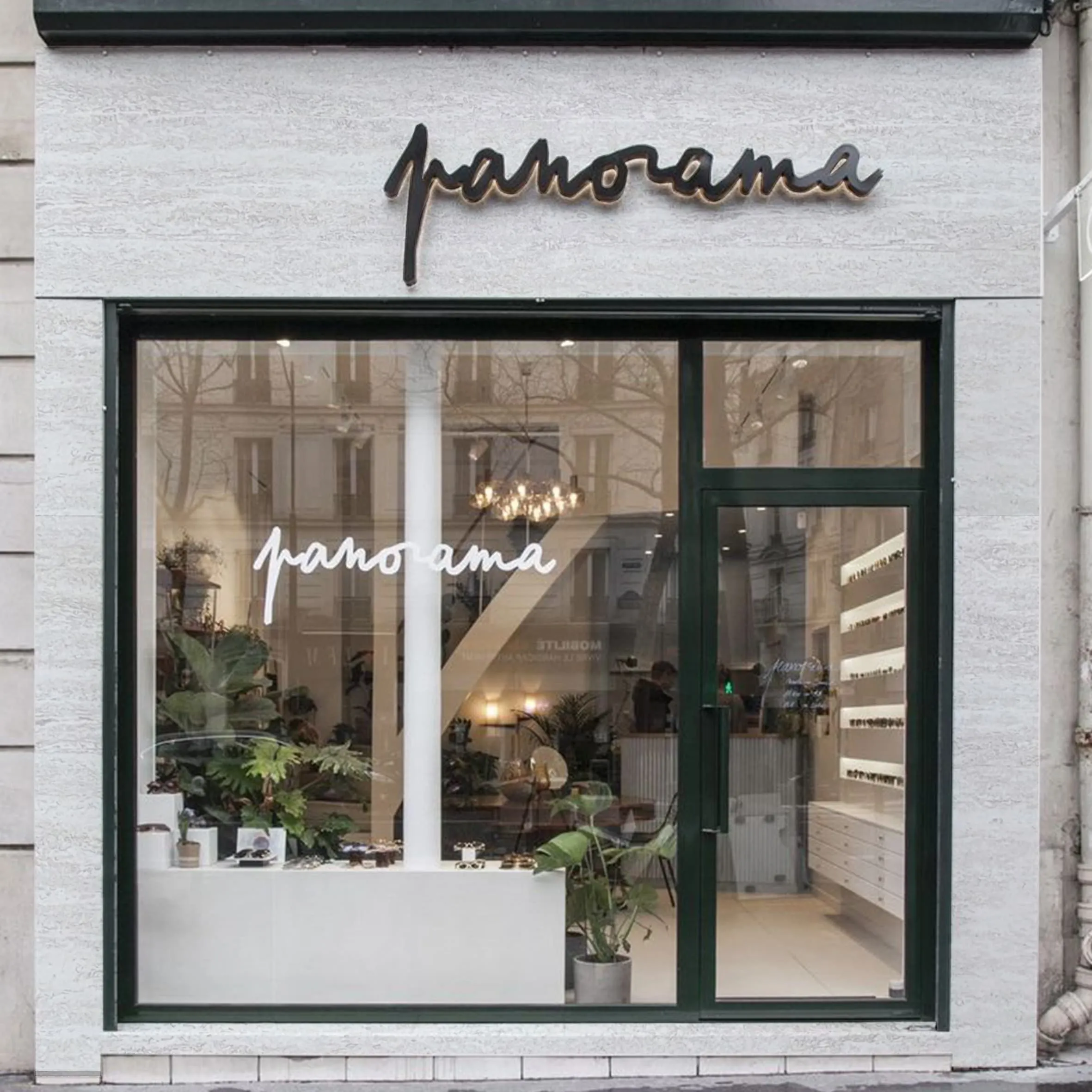
At the end of the day, sustainability isn't just about the material—it's about the choices we make. An architect might opt for Ethereal Shadow Travertine, but source it from a quarry with a zero-waste policy and local transportation. Or they might mix it with foamed aluminium alloy board (vintage silver) to reduce the overall amount of stone used. It's about balance.
Take the example of a boutique hotel in Portland, Oregon. The designers fell in love with Ethereal Shadow Travertine for their lobby walls but wanted to keep the project carbon-neutral. They partnered with a Turkish quarry that uses wind power to run its machinery and ships the stone via cargo ships (lower emissions than trucks or planes). Then, they paired the travertine with mcm flexible stone for the guest room bathrooms, cutting down on the total stone needed. The result? A space that feels luxurious and responsible.
Ethereal Shadow Travertine isn't inherently eco-friendly—but it doesn't have to be a villain, either. Traditional sourcing methods carry significant environmental risks, but modern quarries are proving that travertine can be mined more responsibly. And when paired with alternatives like mcm flexible stone or foamed aluminium alloy, it can be part of a sustainable design strategy.
The real takeaway? Beauty and sustainability don't have to be enemies. Whether you're drawn to the timeless elegance of Ethereal Shadow Travertine or the innovation of green building materials , the key is to ask questions: Where was this made? How was it transported? What happens to its waste? Because at the end of the day, the most sustainable material is the one we choose with intention.
So the next time you run your hand over a stone wall—whether it's Ethereal Shadow, starry blue travertine, or mcm flexible stone—remember: It's not just a surface. It's a story. And we get to decide what that story says about our planet.
Recommend Products












