
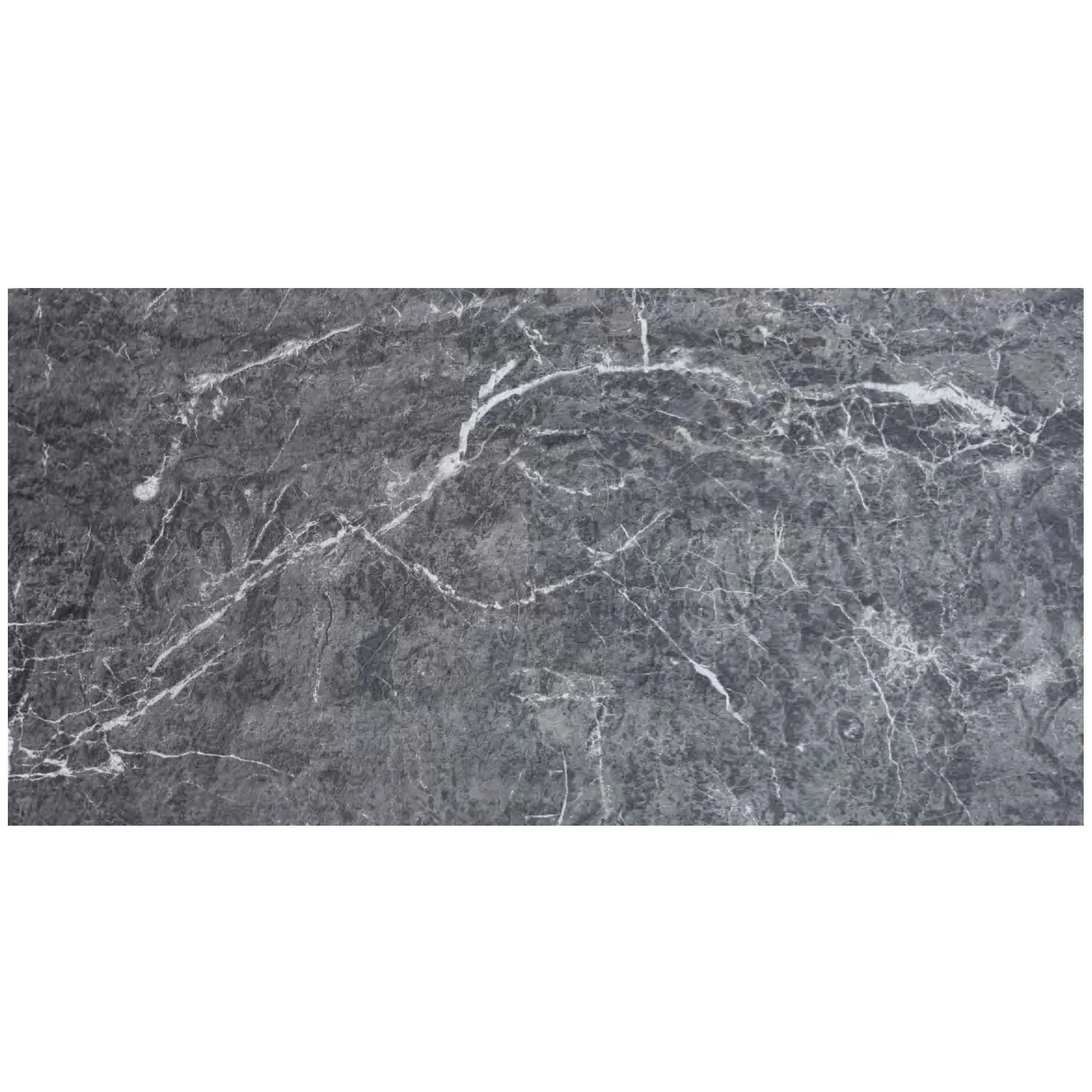
Walk into any high-end hotel lobby or luxury home, and you'll likely spot it: the deep, velvety black surface of Granite Nero Margiua, flecked with subtle silver or gold mineral deposits that catch the light like scattered stardust. It's a stone that exudes opulence, a favorite among designers aiming to make a bold, timeless statement. But here's the question many homeowners, architects, and project managers whisper when they see it: Is Granite Nero Margiua expensive? The short answer? Yes—but it doesn't have to be the only option. In this article, we'll unpack why natural stones like Granite Nero Margiua come with a hefty price tag, and how modern innovations in building materials, specifically MCM (Modified Composite Material) solutions, are offering a budget-friendly alternative that doesn't skimp on style or durability.
Before we dive into costs, let's get to know the star of the show. Granite Nero Margiua isn't your run-of-the-mill countertop stone. Hailing from quarries in regions like Brazil or India, it's a type of igneous rock formed over millions of years by the slow cooling of magma beneath the Earth's surface. What sets it apart is its striking color palette: a near-black base with iridescent mineral inclusions that shift from silver to gold depending on the light. It's dense, scratch-resistant, and heat-proof—qualities that make it ideal for both interior (kitchen countertops, accent walls) and exterior (facades, patio flooring) use.
But here's where the price comes in. Extracting Granite Nero Margiua is no easy feat. Quarries must blast through solid rock to reach the deposits, and because the stone is relatively rare compared to more common granites like Black Galaxy, supply is limited. Once extracted, each slab requires precision cutting, polishing, and sealing to bring out its natural beauty—processes that demand skilled labor and specialized equipment. By the time it reaches your local stone yard, the cost per square meter can easily climb into the hundreds, even before installation.
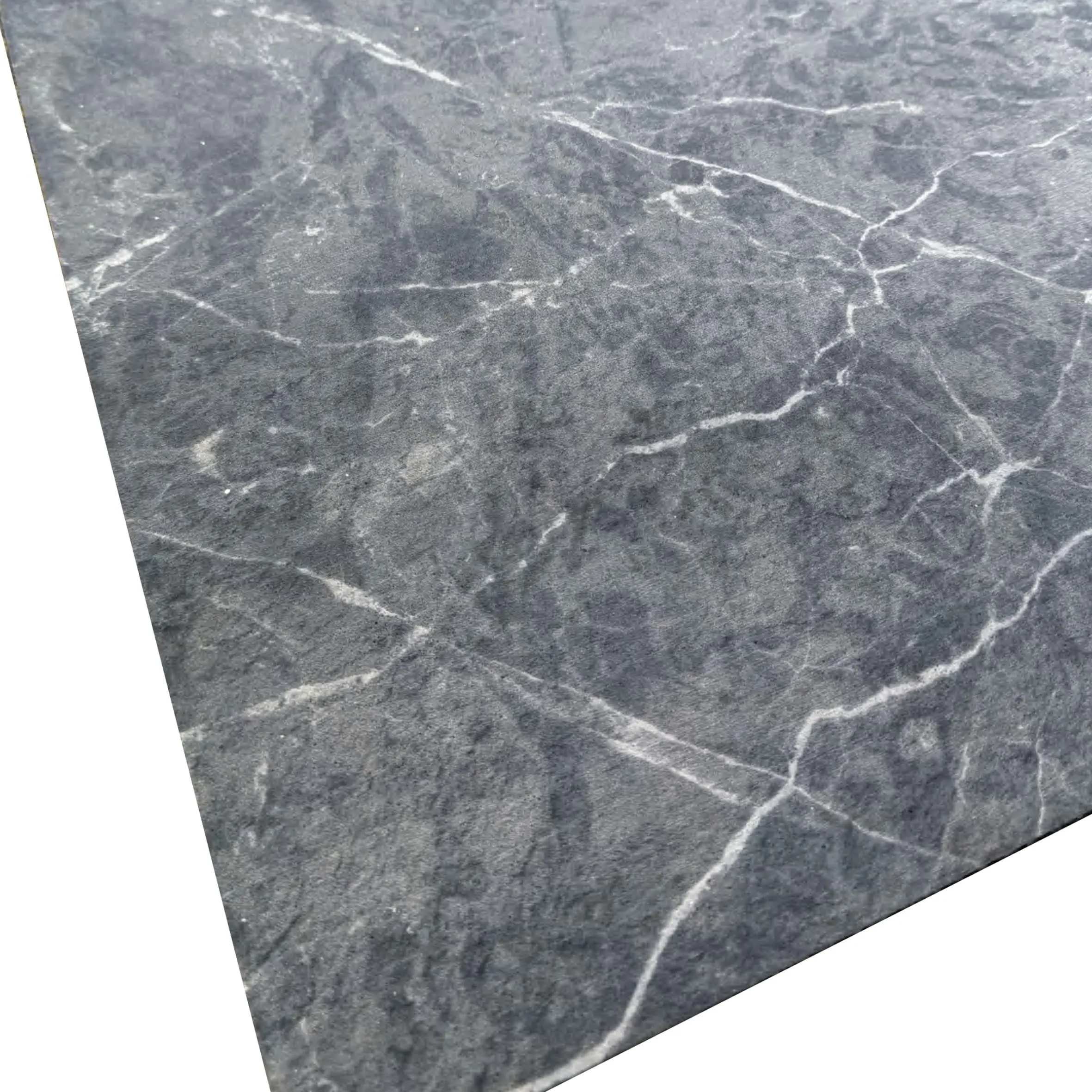
If the upfront cost of Granite Nero Margiua makes you wince, brace yourself for the hidden expenses. Natural stone is heavy—really heavy. A single slab of Nero Margiua can weigh upwards of 300 kilograms, which means you'll need reinforced structural support to install it, especially for vertical applications like wall cladding. That adds engineering fees and extra labor costs right off the bat.
Then there's installation. Unlike ceramic tiles or laminate, natural stone slabs require expert masons who can handle their weight and fragility. A misstep during installation can crack the slab, turning an expensive material into a costly mistake. Sealing is another must: Granite Nero Margiua is porous (yes, even dense granite!), so it needs regular sealing to prevent stains from liquids like wine or oil. Over time, that's more money spent on sealants and professional maintenance.
And let's not forget sustainability. Quarrying natural stone disrupts ecosystems, contributes to carbon emissions from transportation (since most Nero Margiua is imported), and generates a lot of waste—up to 30% of a extracted block is lost during cutting and shaping. For eco-conscious builders, that's a hard pill to swallow, even if the aesthetic is unmatched.
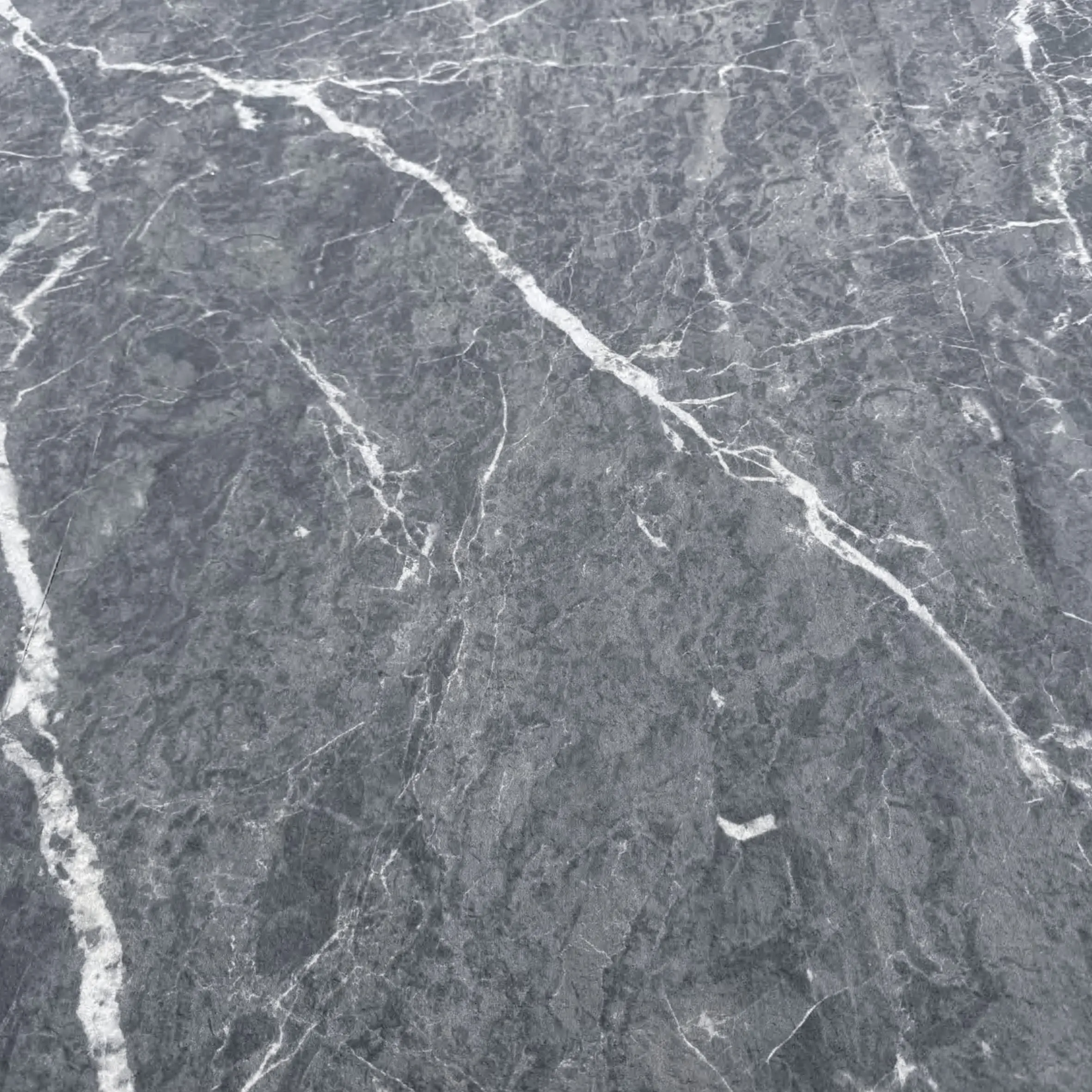
So, if natural stones like Granite Nero Margiua are expensive, heavy, and hard on the planet, what's the alternative? Enter MCM, or Modified Composite Material—a game-changing technology that's revolutionizing the building materials industry. MCM products are engineered to mimic the look and feel of natural stone, metal, wood, and more, but with a fraction of the weight, cost, and environmental impact.
At their core, MCM panels are made by bonding a thin layer of natural mineral particles (like stone dust or metal flakes) to a lightweight, flexible substrate (often fiberglass or aluminum). The result? A material that's 70-80% lighter than natural stone, yet just as durable. It's scratch-resistant, weatherproof, and requires minimal maintenance—no sealing, no special cleaners, just a quick wipe with soap and water.
But the real win? Cost. Because MCM uses recycled or abundant materials and streamlines production, it's significantly cheaper than natural stone. And since it's lightweight, installation is faster and requires fewer workers, slashing labor costs. Suddenly, that "luxury look" isn't reserved for million-dollar projects anymore.
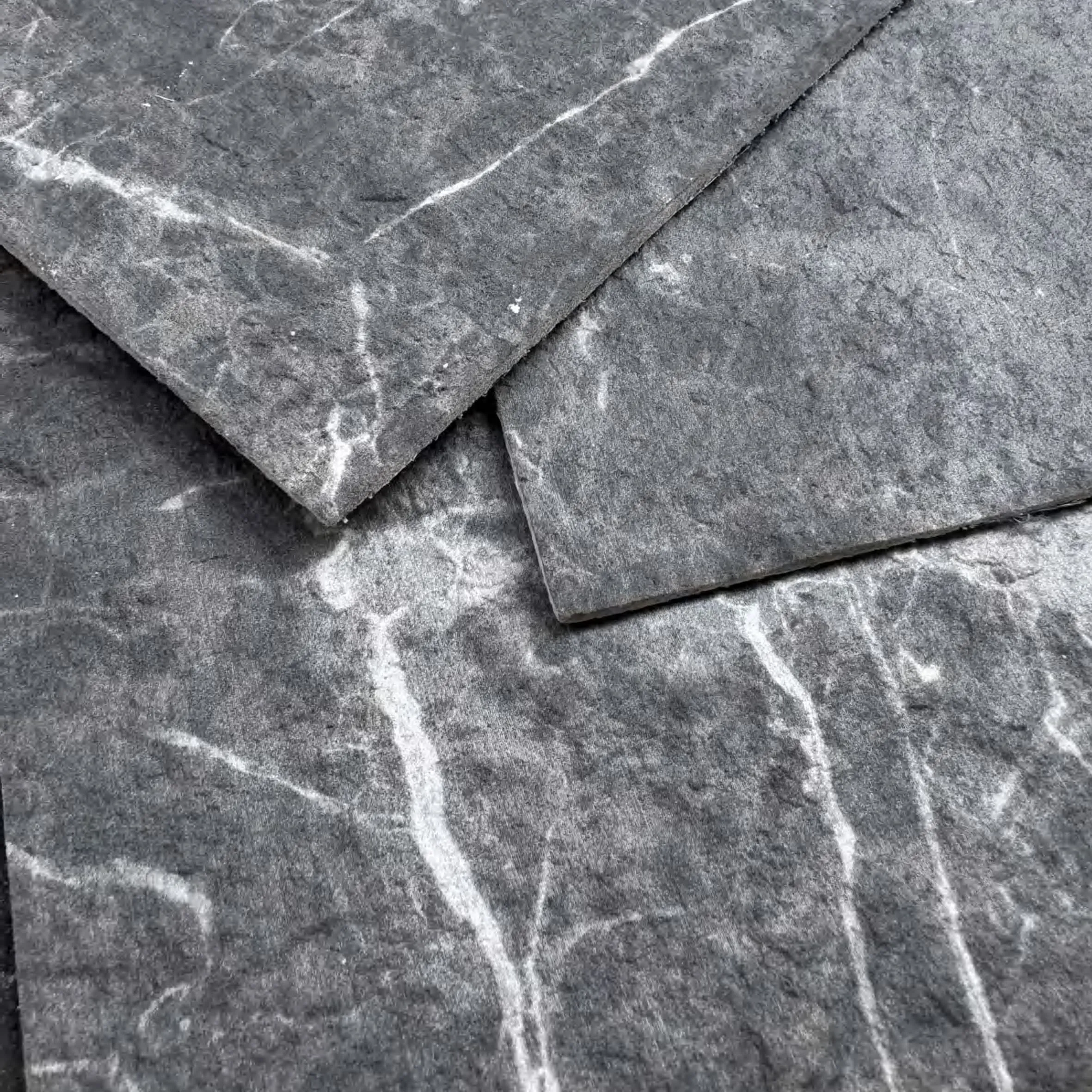
MCM isn't a one-size-fits-all solution—it's a whole universe of materials designed to suit every aesthetic and need. Let's take a closer look at three standout products that are giving Granite Nero Margiua a run for its money:
If you love the texture of natural stone but hate the weight, MCM flexible stone is your new best friend. Imagine a material that looks and feels like quarried stone but bends like a thick sheet of paper. That's MCM flexible stone. It's available in a range of finishes, from rough-hewn to polished, and can be applied to curved surfaces, columns, or even furniture—something natural stone could never do without custom (read: expensive) cutting.
Take, for example, the travertine (starry green) variant—with its soft, veined pattern and subtle sparkle, it mimics the look of high-end travertine but weighs less than 5kg per square meter. Installers can carry multiple sheets at once, cutting installation time by half. And because it's flexible, there's less risk of cracking during transport or installation. For homeowners wanting a stone accent wall without the structural hassle, this is a no-brainer.
For projects that demand the grandeur of large-format slabs (think: hotel lobbies, corporate exteriors), the MCM Big Slab Board Series delivers. These panels come in sizes up to 1200x2400mm—comparable to natural stone slabs—with seamless joints that create a sleek, monolithic look. And unlike Granite Nero Margiua, which requires cranes and forklifts to move, these big slabs weigh just 8-10kg per square meter, so two workers can carry them by hand.
The lunar peak silvery finish, for instance, mimics the cool, metallic sheen of Nero Margiua but with a modern twist. It's UV-resistant, so it won't fade in sunlight, and moisture-proof, making it perfect for outdoor use. Architects rave about it for facades—one recent project in Singapore used MCM big slabs to clad a 15-story building, reducing the structural load by 60% compared to natural granite and cutting the construction timeline by three months.
For those who love the industrial-chic vibe of metal but want something warmer than stainless steel, the foamed aluminium alloy board (vintage silver) is a standout. Made by infusing aluminum with tiny air bubbles, this MCM product is ultra-lightweight (just 3kg per square meter!) and has a soft, brushed finish that ages beautifully—think "vintage silver" with a hint of patina that adds character over time.
Unlike solid aluminum, which dents easily, the foamed structure gives it surprising strength, making it ideal for high-traffic areas like restaurant walls or retail storefronts. And because it's 100% recyclable, it ticks the sustainability box too. A café owner in Barcelona recently replaced their old wooden paneling with vintage silver foamed aluminium boards—they loved the modern look, and the fact that it's fire-resistant and easy to clean (no more scrubbing coffee stains out of wood!).
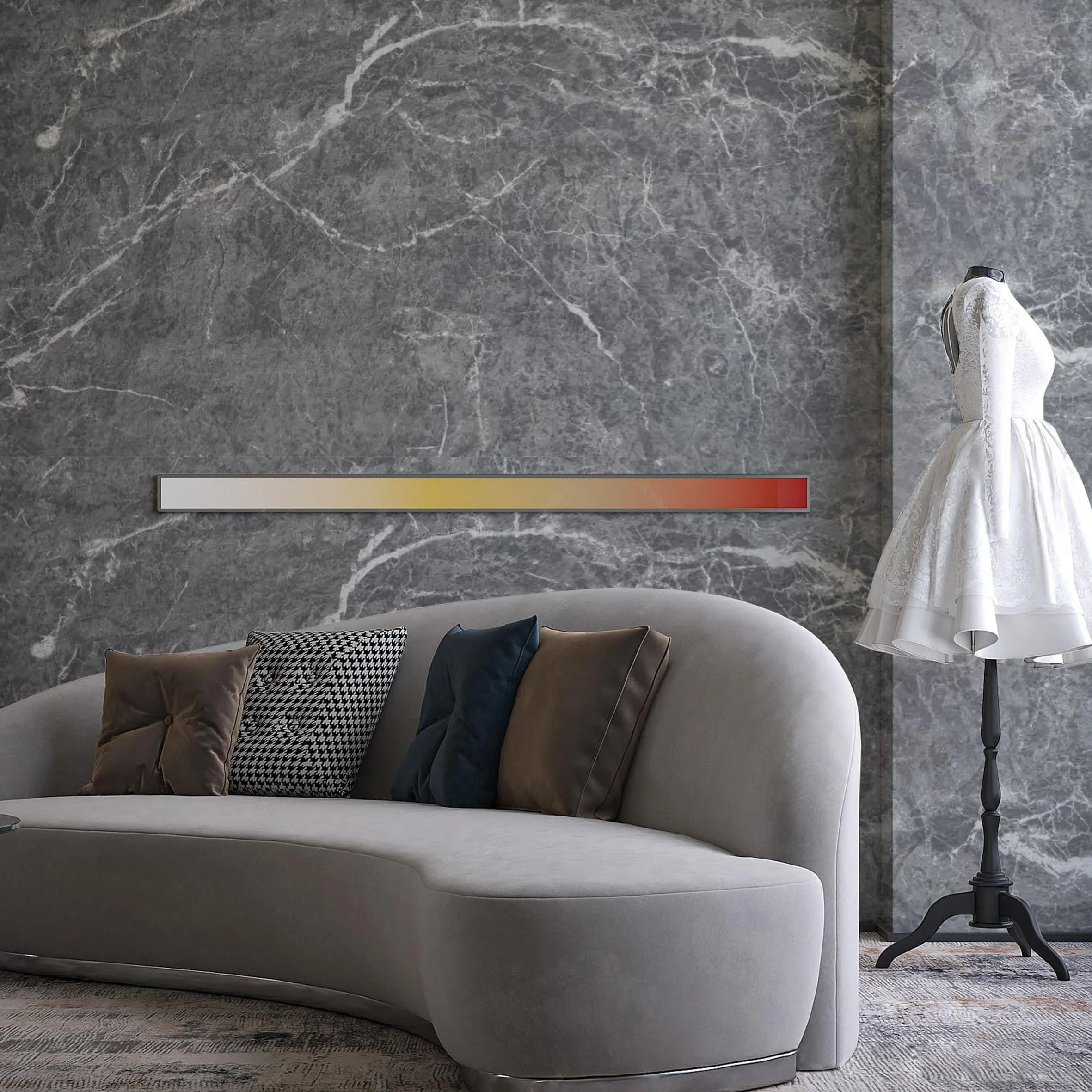
Still skeptical? Let's break it down with hard numbers. Below is a cost comparison between Granite Nero Margiua and two popular MCM alternatives—MCM flexible stone (travertine starry green) and MCM Big Slab Board (lunar peak silvery):
| Factor | Granite Nero Margiua | MCM Flexible Stone (Travertine Starry Green) | MCM Big Slab Board (Lunar Peak Silvery) |
|---|---|---|---|
| Material Cost (per sqm) | $250–$400 | $60–$90 | $80–$120 |
| Installation Cost (per sqm) | $150–$200 (requires heavy machinery) | $30–$50 (hand-installed) | $40–$60 (lightweight slabs) |
| Maintenance Cost (annual) | $50–$80 (sealing, polishing) | $5–$10 (soap and water cleaning) | $5–$10 (no special care needed) |
| Weight (per sqm) | 25–30kg | 4–5kg | 8–10kg |
| Sustainability | High carbon footprint (quarrying, transport) | Low (recycled materials, local production) | Low (energy-efficient manufacturing) |
Even at the high end, MCM products cost less than half of Granite Nero Margiua when you factor in material, installation, and maintenance. For a 100 sqm project, that's a savings of $30,000 or more—money that could go toward other upgrades, like better lighting or landscaping.
MCM isn't just a theoretical solution—it's already transforming buildings around the globe. Let's look at a few real-world examples:
The Smiths, a family in Chicago, dreamed of a kitchen with a "luxury stone backsplash" but balked at the $15,000 quote for Granite Nero Margiua. Their contractor suggested MCM flexible stone in travertine (beige) —a warm, neutral option that mimicked the look of natural travertine. The total cost? $3,500, including installation. "It looks exactly like the stone we saw in the magazine," Mrs. Smith says. "And when our kid spilled juice on it, I just wiped it up with a cloth—no stains, no panic."
The Zenith Hotel in Dubai wanted a facade that stood out but didn't blow its $2M construction budget. They chose MCM Big Slab Boards in lunar peak golden , a rich, sunlit finish that complemented the city's skyline. The lightweight panels reduced the need for structural reinforcement, saving $400,000 in engineering costs. "We get compliments every day on how 'luxurious' the facade looks," says the hotel's architect. "No one believes it's not real stone until we tell them."
A sustainable fashion brand in Portland wanted a store interior that reflected its eco-values. They opted for foamed aluminium alloy board (vintage gold) for their feature wall. The material is 100% recyclable, and its warm, metallic finish added a touch of elegance without the environmental guilt. "Our customers love that we're using green materials," says the store owner. "And we love that it was cheaper than wood or natural stone!"
So, is Granite Nero Margiua expensive? Absolutely. Its rarity, weight, and maintenance needs make it a splurge that few can justify. But here's the good news: you don't have to sacrifice style for affordability. MCM solutions—like flexible stone, big slab boards, and foamed aluminium alloy panels—offer the same high-end look, better durability, and a fraction of the cost. They're lightweight, easy to install, low-maintenance, and eco-friendly. In short, they're the answer to the "natural stone cost crisis."
Whether you're a homeowner renovating a bathroom, an architect designing a skyscraper, or a business owner sprucing up a storefront, MCM lets you create spaces that feel luxurious, unique, and intentional—without breaking the bank. So the next time you find yourself staring at a price tag for natural stone and wondering, "Is this worth it?" remember: MCM is here, and it's changing the game.
Luxury shouldn't cost the earth—or your savings. With MCM, it doesn't have to.
Recommend Products












