
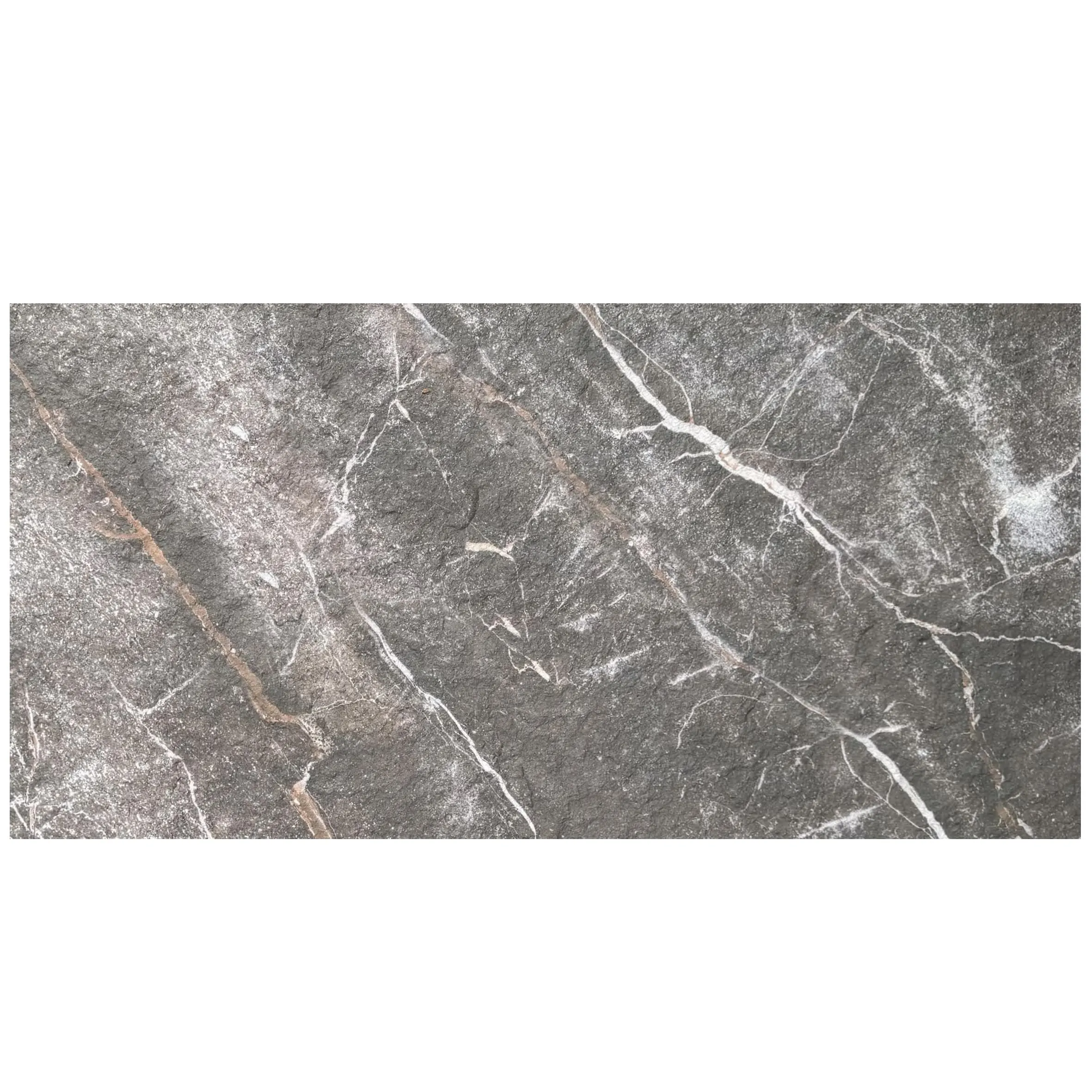
Walk into any luxury hotel lobby, high-end restaurant, or upscale home, and you might find your gaze drawn to a striking material: a deep black stone veined with swaths of gold, so elegant it feels almost otherworldly. That's likely Granite Portoro. For decades, it's been the gold standard (pun intended) for designers aiming to blend opulence with durability. But in an era where every choice we make echoes through the planet's ecosystems, we're left asking: Is the beauty of Granite Portoro worth its environmental cost?
Sustainability in building materials isn't just a trend—it's a necessity. The construction industry accounts for nearly 40% of global carbon emissions, and the materials we choose play a huge role in that footprint. From the quarries where stone is extracted to the trucks that ship it across oceans, every step leaves a mark. So today, let's peel back the curtain on Granite Portoro: what it is, why it's beloved, and how it stacks up when we measure it against the planet's needs. We'll also explore alternatives that might let us have both beauty and a clear conscience—materials like fair-faced concrete, foamed aluminium alloy boards, and MCM flexible stone that are redefining what "sustainable luxury" looks like.
Before we dive into sustainability, let's get to know the star of the show. Granite Portoro isn't actually granite—confusingly, it's a type of marble, though its name has stuck. Quarried primarily in the Portoro region of Italy (hence the name), it's famous for its dramatic contrast: a jet-black base interrupted by bold, irregular veins of gold, cream, or sometimes white. It's dense, hard-wearing, and resistant to heat and scratches, which is why it's a favorite for countertops, floor tiles, wall cladding, and even decorative accents in luxury spaces.
Its appeal is undeniable. There's a reason it's been used in iconic projects, from the lobbies of five-star hotels in Dubai to the penthouses of New York City. It exudes timelessness—unlike trendy materials that come and go, Portoro feels forever. But here's the catch: that "forever" beauty often comes with a hidden cost, one that's measured in disrupted ecosystems, carbon emissions, and wasted resources.
To understand if Granite Portoro is sustainable, we need to follow its journey from the earth to your living room. Let's break it down step by step.
Mining any natural stone starts with extraction, and that process is rarely gentle on the planet. Granite Portoro quarries, mostly in Italy, are massive operations. To get to the stone, miners first clear vegetation—often in areas that have been undisturbed for centuries. This deforestation disrupts local ecosystems, displacing wildlife and leaving soil vulnerable to erosion. Once the land is cleared, heavy machinery breaks up the rock, a process that can cause noise pollution, dust, and even vibrations that harm nearby water tables.
Water is another casualty here. Quarrying requires large amounts of water to cool machinery and wash stone, which can deplete local water sources. Worse, runoff from quarries often carries sediment and chemicals into rivers and streams, harming aquatic life. In some cases, entire landscapes are altered: hillsides are carved away, leaving scars that take decades (if not centuries) to heal, even with reclamation efforts.
And here's a staggering statistic: for every ton of usable Granite Portoro extracted, mines often discard 2-3 tons of waste rock. That waste doesn't just disappear—it's piled up in landfills or dumped in nearby areas, contributing to soil and water pollution.
Once the raw stone is pulled from the quarry, it's far from ready for your kitchen counter. It needs to be cut, polished, and shaped—processes that guzzle energy and water. Cutting Granite Portoro requires diamond-tipped saws, which run on electricity (often from fossil fuels in many regions). Polishing, which gives it that signature shine, uses abrasive tools and even more energy. All that energy use translates to carbon emissions, adding to the material's overall footprint.
Water is again a key player. Polishing alone can use up to 20,000 liters of water per ton of stone, much of which becomes contaminated with stone dust and chemicals. While some quarries recycle water, many don't, leading to wastewater that's either dumped or requires costly treatment. Then there's the waste: cutting the stone into slabs or tiles creates "offcuts"—small pieces that are too small for most projects. These offcuts often end up in landfills, though some are repurposed for smaller decor items (think coasters or tabletops), but that's a drop in the bucket compared to the total waste generated.
Granite Portoro is a global commodity. Quarried in Italy, it's shipped to construction sites in Dubai, Singapore, the U.S., and beyond. That journey adds a significant carbon footprint. Stone is heavy—very heavy. A single slab of Granite Portoro can weigh 200-300 kilograms, and a shipping container might hold 10-15 slabs. Transporting that weight by truck, ship, or plane burns fossil fuels, releasing CO2 into the atmosphere. A slab traveling from Italy to Dubai, for example, could add hundreds of kilograms of carbon emissions to its lifecycle—emissions that wouldn't exist if the material were sourced locally.
It's not all doom and gloom. One argument in favor of Granite Portoro (and natural stone in general) is durability. A well-maintained Portoro countertop or floor can last 50 years or more, which means less frequent replacement compared to materials like laminate or even some engineered stones. In sustainability terms, longevity matters: if you don't have to replace a material every 10-15 years, you reduce the demand for new resources and the emissions from manufacturing and shipping replacements.
But does durability (offset) the high initial impact? It depends. If a Portoro slab is used in a building that's demolished after 20 years, its long lifespan is wasted. If it's reused or recycled, that helps—but recycling natural stone is rare. Most often, when buildings are renovated, old stone ends up in landfills. So while durability is a plus, it's not a get-out-of-jail-free card for the material's environmental sins.
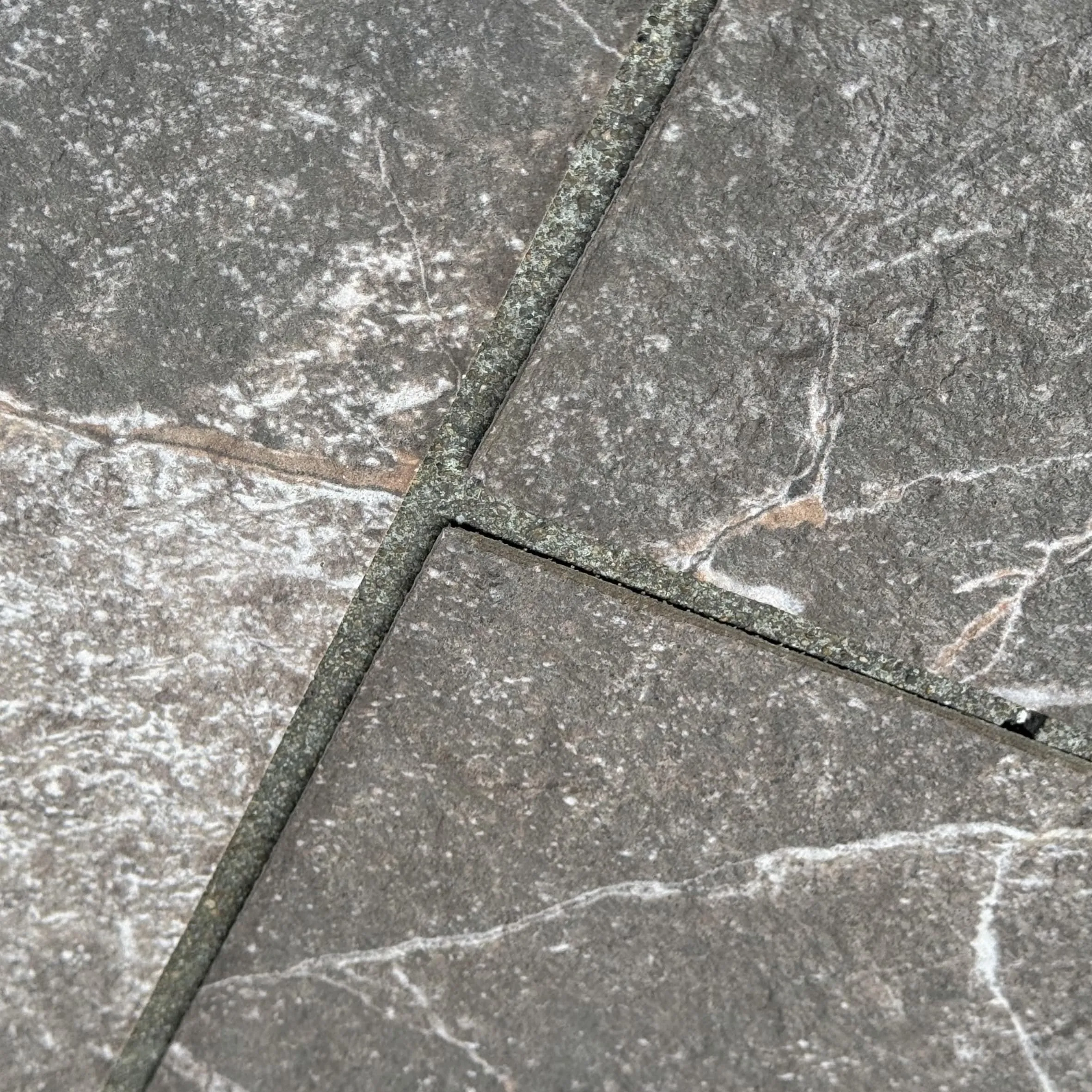
The good news is that the building materials industry is evolving. Today, there are alternatives to Granite Portoro that offer similar aesthetics (or even new, exciting looks) with a fraction of the environmental impact. Let's take a closer look at a few of them, including some you might recognize from the keyword list: fair-faced concrete, MCM flexible stone, and foamed aluminium alloy board (vintage silver).
| Material | Extraction Impact | Processing Energy Use | Transport Carbon Footprint | Recyclability | Durability |
|---|---|---|---|---|---|
| Granite Portoro | High (quarrying disrupts ecosystems, generates waste rock) | High (energy-intensive cutting/polishing, water use) | High (heavy, often shipped globally) | Low (rarely recycled; offcuts sometimes repurposed) | Very High (50+ years with maintenance) |
| Fair-Faced Concrete | Medium (uses sand/aggregate; local sourcing possible) | Medium (lower energy than stone processing; can use recycled materials) | Low (often produced locally) | Medium (crushed concrete can be reused as aggregate) | High (30-40 years in exterior applications) |
| MCM Flexible Stone | Low (made from recycled stone powder, minimal quarrying) | Low (lightweight, energy-efficient manufacturing) | Very Low (lightweight, reduces shipping emissions) | Medium (some components recyclable; long lifespan reduces replacement) | High (25-30 years, resistant to weathering) |
| Foamed Aluminium Alloy Board (Vintage Silver) | Low (aluminium is recyclable; foam core reduces material use) | Medium (recycled aluminium uses 95% less energy than virgin) | Very Low (extremely lightweight) | High (aluminium is 100% recyclable, no loss of quality) | High (resistant to corrosion, 30+ years) |
Fair-faced concrete (also called "architectural concrete") is having a moment, and for good reason. Unlike the gray, industrial concrete of the past, fair-faced concrete is finished to show off its natural texture—think subtle variations in color, visible aggregate, and even intentional "imperfections" that give it character. It's minimal, modern, and surprisingly versatile.
From a sustainability standpoint, it's a strong contender. Concrete is made from sand, gravel, and cement, and while cement production is carbon-intensive, innovations like using recycled aggregate or adding supplementary cementitious materials (like fly ash) can reduce its footprint. What's more, fair-faced concrete often requires no additional cladding—you use the material as-is, cutting down on waste from extra layers. And since it's produced locally in most regions, transportation emissions are minimal. It's not as "glamorous" as Portoro, but in the hands of a skilled designer, it can feel just as sophisticated—with a fraction of the guilt.
MCM flexible stone is a relative newcomer, but it's quickly gaining traction in green building circles. MCM stands for "Modified Composite Material," and it's exactly what it sounds like: a blend of natural stone powder (often recycled from quarry waste), polymers, and fibers, formed into thin, flexible sheets. The result? A material that looks and feels like natural stone but weighs up to 80% less than traditional slabs.
Why does that matter for sustainability? Let's count the ways: First, it uses recycled stone powder, diverting waste from landfills. Second, its lightweight nature slashes transportation emissions—you can ship 10 times more MCM panels than traditional stone slabs in a single container. Third, it's easy to install, reducing labor and energy use on-site. And because it's flexible, it can be applied to curved surfaces, opening up design possibilities that rigid stone can't match. For projects that want the look of Portoro's bold veins but with a greener profile, MCM flexible stone offers custom colorways that mimic natural patterns—without the need for destructive quarrying.
Foamed aluminium alloy boards might not sound as luxurious as marble, but hear us out. These materials (like the vintage silver variant) are made by injecting gas into molten aluminium, creating a lightweight, porous core sandwiched between solid aluminium sheets. The result is a material that's strong, corrosion-resistant, and surprisingly elegant—with a metallic sheen that can rival Portoro's gold veins, especially in modern designs.
Sustainability is baked into this material's DNA. Aluminium is one of the most recyclable metals on the planet: recycling it uses just 5% of the energy needed to produce virgin aluminium, and it can be recycled infinitely without losing quality. Foamed aluminium is also incredibly lightweight, which cuts down on shipping emissions, and its durability means it lasts for decades. Plus, it's 100% recyclable at the end of its life, closing the loop on the material lifecycle. It's not a direct replacement for Portoro in terms of aesthetics, but for designers willing to embrace a more contemporary look, it's a standout choice for green building materials.
At the end of the day, sustainability isn't about banning a single material—it's about shifting our mindset. The question shouldn't be, "Is Granite Portoro sustainable?" but rather, "How can we create beautiful spaces that honor both human creativity and the planet's limits?"
Granite Portoro will likely always have a place in high-end design—there's no denying its allure. But for most projects, especially those aiming for LEED certification or other green building standards, alternatives like MCM flexible stone, fair-faced concrete, and foamed aluminium alloy boards offer a better balance. They prove that we don't have to choose between beauty and the planet; we can have both.
As consumers and designers, we also have power. By asking questions about where materials come from, how they're made, and where they go at the end of their life, we push the industry to innovate. We've already seen this happen: 10 years ago, "sustainable luxury" felt like an oxymoron. Today, it's a selling point. MCM flexible stone, foamed aluminium, and fair-faced concrete are just the beginning—who knows what green building materials will emerge next?
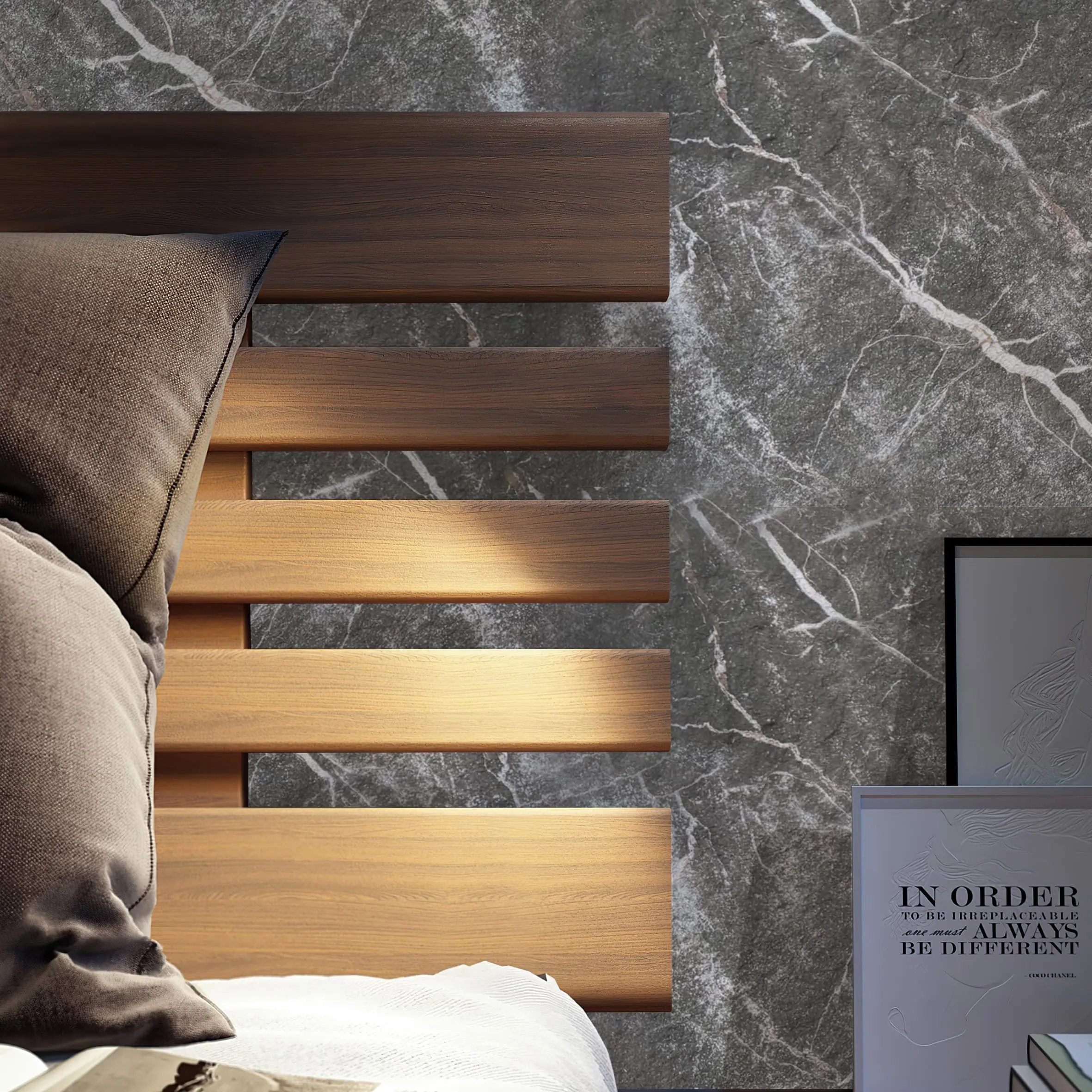
Granite Portoro is a masterpiece of nature, but its beauty comes with a heavy environmental price tag. From quarrying to shipping, its lifecycle leaves a trail of disruption that's hard to ignore. That said, its durability is a point in its favor, and for projects where longevity and timeless elegance are non-negotiable, it might still be the right choice—so long as we're honest about its impact.
But for the rest of us—for the architects, designers, and homeowners who want to build a better future—there's a world of sustainable alternatives waiting to be explored. Materials like MCM flexible stone, fair-faced concrete, and foamed aluminium alloy board (vintage silver) aren't just "green" replacements; they're innovative, beautiful, and full of potential. They remind us that sustainability and luxury can coexist, and that the most stunning spaces are the ones that respect the planet that made them possible.
So the next time you walk into a room and admire the materials around you, take a moment to wonder: What story does this stone (or concrete, or metal) tell? And is it a story we're proud to be part of?
Recommend Products












