
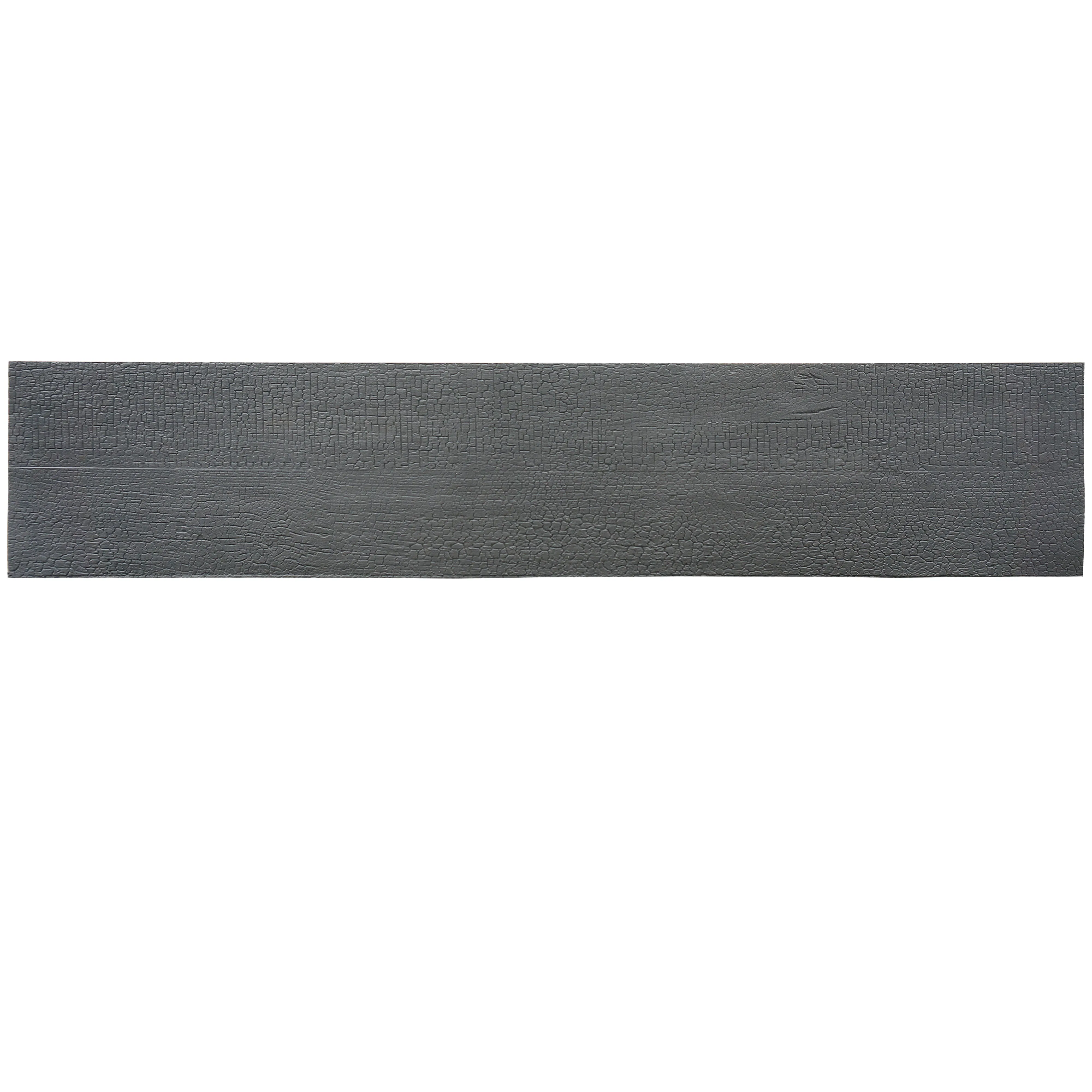
There's something undeniably captivating about charcoal burnt wood board. Its deep, smoky hues, tactile texture, and rustic charm have made it a favorite among designers, homeowners, and architects alike—whether it's gracing the walls of a modern café, adding warmth to a minimalist living room, or weathering the elements as exterior cladding. But beyond its visual appeal lies a hidden factor that can make or break its longevity: pH. The acidity or alkalinity of the wood's environment, and even the wood itself, plays a silent but powerful role in how well it holds up over time. In this guide, we'll dive into the world of pH and charcoal burnt wood board, exploring whether high or low pH is better, and why it matters for anyone considering this material.
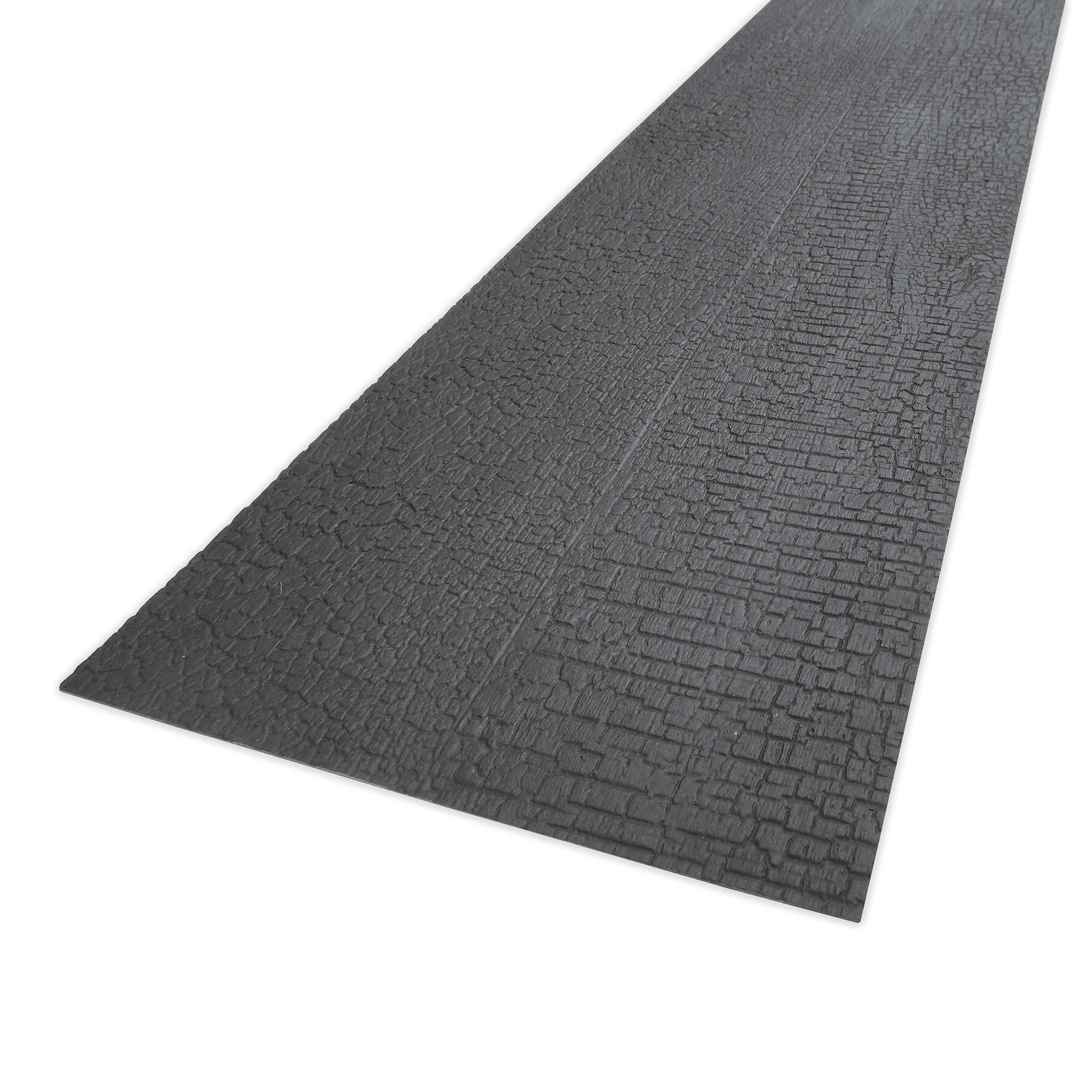
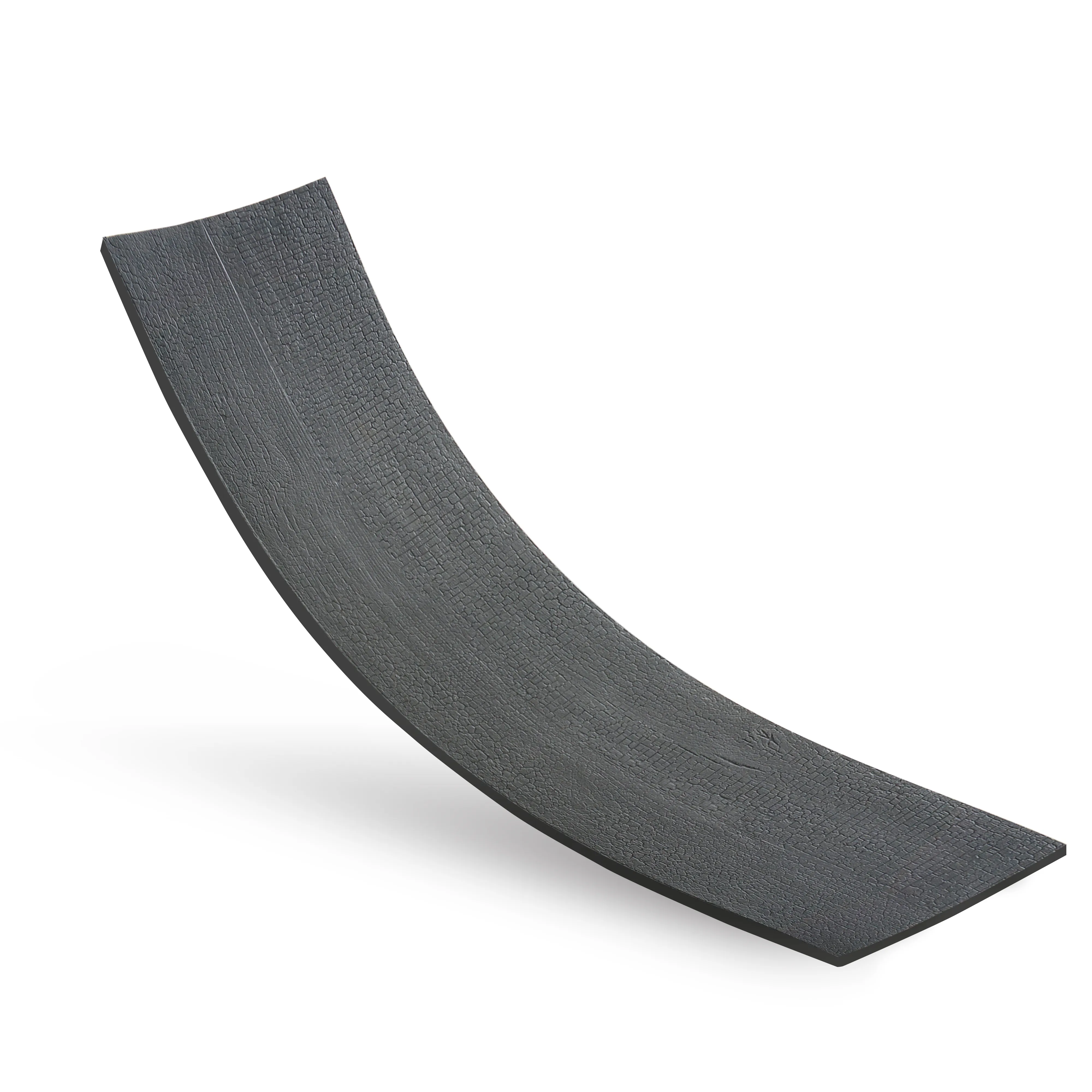
Before we get into pH, let's take a moment to appreciate the star of the show: charcoal burnt wood board. Also known as "shou sugi ban" in its traditional Japanese form, this material is created by intentionally burning the surface of wood to enhance its properties. The process involves torching the wood with a flame, which chars the outer layer, then brushing away the loose soot to reveal a textured, carbon-rich surface. The result? A material that's not just visually striking—with its varying shades of black, brown, and even hints of silver—but also surprisingly durable. The charring process naturally resists rot, insects, and moisture, making it a practical choice for both indoor and outdoor use.
Today, modern iterations of charcoal burnt wood board have expanded beyond traditional methods, incorporating techniques to adjust texture, color depth, and even pH levels during production. It's often used for wall panels, flooring, furniture, and exterior siding, pairing beautifully with materials like fair-faced concrete for an industrial-chic vibe or wood grain board for a layered, nature-inspired look. But to truly make the most of its benefits, understanding how pH influences its performance is key.
pH is a measure of how acidic or alkaline a substance is, ranging from 0 (highly acidic) to 14 (highly alkaline), with 7 being neutral. You might remember this from school, but here's why it matters for materials like charcoal burnt wood board: wood is a organic material, made up of complex compounds like cellulose, lignin, and hemicellulose. These compounds react differently to acidic and alkaline environments, which can affect everything from the wood's structural integrity to its appearance over time.
In the context of charcoal burnt wood board, pH can refer to two things: the pH of the wood itself after processing, and the pH of the environment it's installed in (think: humidity, rainwater, cleaning products, or adjacent materials like rough granite stone , which might leach minerals that alter pH). Both factors interact to determine how well the wood ages.
To understand whether high or low pH is better, let's break down how each end of the scale impacts the wood:
Wood's strength and stability come from its cell structure, held together by lignin—a tough, organic polymer. Acids (low pH) and alkalis (high pH) can both break down lignin over time, but they do so in different ways. Acids tend to hydrolyze lignin, breaking its chemical bonds slowly and causing the wood to become brittle and prone to cracking. Alkaline environments, on the other hand, can dissolve lignin more aggressively, especially at very high pH levels (above 10), leading to softening and loss of structural integrity. This means that extreme pH levels—whether too low or too high—can weaken the wood over time.
Charcoal burnt wood board's charred layer is naturally hydrophobic (water-repellent), but pH can influence how well it retains this property. Acidic environments (low pH) can disrupt the char layer's structure, making it more porous and allowing moisture to seep in. Moisture, as any woodworker knows, is the enemy of wood—it encourages mold, mildew, and rot. Alkaline environments, while sometimes better at repelling certain types of fungi, can draw moisture through chemical reactions, especially if the wood is in contact with alkaline materials like concrete or mortar. Balancing pH is thus crucial for maintaining the wood's natural water resistance.
One of the biggest draws of charcoal burnt wood board is its rich, dark color—but that color isn't always permanent. pH can affect how the wood's pigments (like melanin, which darkens during charring) hold up over time. Acidic conditions can cause fading, turning deep blacks to dull grays, while high pH levels might react with the char layer to create uneven discoloration or "bleeding" of pigments onto adjacent surfaces. For designers aiming for a consistent look, pH stability is non-negotiable.
Now, the million-dollar question: is high pH or low pH better for charcoal burnt wood board? The answer, as with many material science questions, is "it depends." Let's break down the pros and cons of each scenario.
| Aspect | High pH (Alkaline: 8–14) | Low pH (Acidic: 0–6) |
|---|---|---|
| Durability | Pros: May resist some acidic corrosion (e.g., in urban areas with acid rain). Cons: Risk of lignin dissolution at pH >10, leading to softening. | Pros: Less risk of alkaline hydrolysis of wood components. Cons: Acidic hydrolysis of lignin over time, causing brittleness. |
| Moisture Resistance | Pros: Can repel acidic moisture (e.g., from rain in polluted areas). Cons: May absorb moisture if in contact with alkaline materials like mortar. | Pros: Better compatibility with acidic sealants (e.g., some water-based finishes). Cons: More porous char layer, increasing moisture absorption. |
| Color Retention | Pros: Darker char color may hold longer in dry, alkaline environments. Cons: Risk of uneven discoloration or pigment bleeding. | Pros: Less risk of alkaline-induced color changes. Cons: Fading and graying over time, especially with UV exposure. |
| Compatibility with Other Materials | Better with alkaline materials (e.g., limestone, some concretes). Poor with acidic materials (e.g., certain metals, rough granite stone with high silica content). | Better with acidic materials (e.g., rough granite stone with low silica, certain woods). Poor with alkaline materials (e.g., mortar, lime-based paints). |
As the table shows, neither extreme is ideal. Instead, most experts recommend aiming for a slightly acidic to neutral pH range (6–7.5) for charcoal burnt wood board. This "sweet spot" minimizes the risks of lignin breakdown, moisture retention, and color fading, while still allowing the wood to retain its natural durability and charm.
To put this into perspective, let's look at a few real-world scenarios where pH has made a difference in charcoal burnt wood board performance.
A beachfront home in Maine used charcoal burnt wood board for exterior siding, paired with fair-faced concrete accents. Coastal areas are prone to salt spray, which is slightly acidic (pH ~5.5–6.5). The wood was treated to a pH of 6.5 during production, balancing the acidic environment. After five years, the siding showed minimal fading and no signs of rot, thanks to the neutral pH preventing excessive moisture absorption and lignin breakdown.
A renovation project in a 19th-century building in Europe used charcoal burnt wood board for interior wall panels. The building's original mortar was highly alkaline (pH ~12), and the wood was initially left untreated (natural pH ~5.8). Over time, the alkaline mortar leached into the wood, causing the char layer to soften and discolor. The solution? Applying a pH-neutral sealant to the wood before installation, creating a barrier between the alkaline mortar and the wood. The panels now remain stable, with their color intact.
So, how do you ensure your charcoal burnt wood board has the right pH for your project? Here are some tips from industry experts:
Before selecting your wood, test the pH of the environment where it will be installed. For exteriors, this might mean testing rainwater, soil, or adjacent materials (like concrete or rough granite stone ). For interiors, check paints, adhesives, or cleaning products that might come into contact with the wood. Aim for a wood pH that's within 1–2 points of the environment's pH to avoid extreme reactions.
In most cases, a pH range of 6–7.5 is safest for charcoal burnt wood board. This minimizes the risk of lignin breakdown, moisture issues, and color fading. Many manufacturers now offer "pH-balanced" charcoal burnt wood board, treated during production with neutralizing agents to hit this sweet spot.
Even if the wood itself has the right pH, the sealants or finishes applied to it can alter its chemistry. Choose water-based or solvent-based sealants labeled "pH-neutral" (around 7) to avoid disrupting the wood's natural balance. Avoid acidic stains or alkaline paints, which can react with the char layer.
Charcoal burnt wood board is more than just a pretty face; it's a material with depth, durability, and character. But to keep it looking and performing its best for years to come, pH can't be ignored. While neither high nor low pH is universally "better," aiming for a slightly acidic to neutral range (6–7.5) is your best bet for balancing strength, moisture resistance, and color stability. By testing your environment, choosing pH-balanced wood, and using neutral sealants, you can ensure that your charcoal burnt wood board remains a stunning, long-lasting feature—whether it's paired with fair-faced concrete in a modern home or wood grain board in a cozy cabin.
At the end of the day, the beauty of charcoal burnt wood board lies in its ability to blend nature's raw power with human ingenuity. And with a little attention to pH, you can make sure that beauty stands the test of time.
Recommend Products












