

The short answer is yes. Masonry stone is one of the most environmentally friendly building materials available today. It is natural, durable, energy-efficient, and can be reused for generations. For architects, contractors, and homeowners who care about sustainability, understanding why masonry stone earns this reputation — and how modern innovations like flexible stone are making it even greener — is well worth a closer look.
Masonry stone is quarried directly from the earth. Granite, limestone, sandstone, slate, travertine, and marble are all natural materials that need no complex chemical processing or synthetic binders. This natural origin is the first reason stone has a light environmental footprint. Unlike petroleum-based cladding or energy-hungry metals, stone is simply cut, shaped, and installed.
The embodied energy of stone is also remarkably low. Compared with steel, aluminum, or fired ceramic products, natural stone requires far less energy to extract and prepare, because it does not have to be melted, smelted, or fired in high-temperature kilns. Choosing stone means choosing a material whose production quietly respects the planet.
Durability is another pillar of stone's green credentials. A well-built stone wall or facade can stand for decades, even centuries, with very little maintenance. A material that lasts this long means fewer replacements, less manufacturing, and dramatically less construction waste over the life of a building. In practical terms, durability is sustainability.
Stone also works as a natural thermal mass. It absorbs heat during the day and releases it slowly at night, helping to keep interiors cooler in summer and warmer in winter. This passive behaviour reduces the need for mechanical heating and cooling, lowering a building's day-to-day energy use without any extra equipment.
Finally, stone is fully recyclable and reusable. Old masonry can be salvaged, re-cut, and installed in new projects, or crushed into aggregate for foundations and paving. Nothing about the material is wasted, which supports the circular economy and keeps valuable material out of landfill. And because natural stone releases no volatile organic compounds, it also contributes to healthier indoor air.
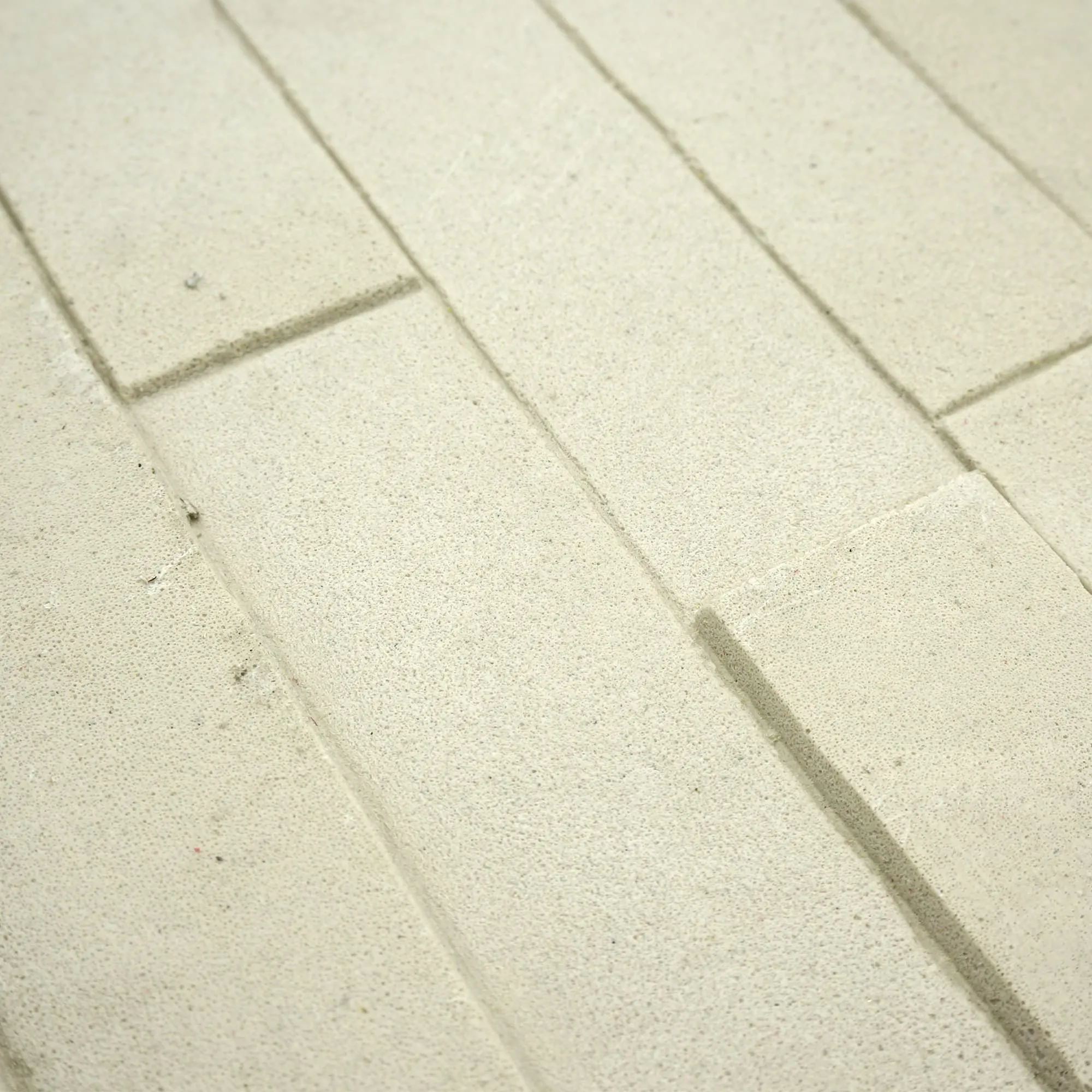
Set against common alternatives, masonry stone stands out. Vinyl siding is petroleum-based, difficult to recycle, and can release harmful compounds over its lifetime. Wood is renewable but demands regular treatment, painting, and eventual replacement. Steel and aluminum panels carry high embodied energy because their manufacturing is energy-intensive. Stone, by contrast, combines natural sourcing, minimal maintenance, and outstanding longevity — a balance few other materials can match.
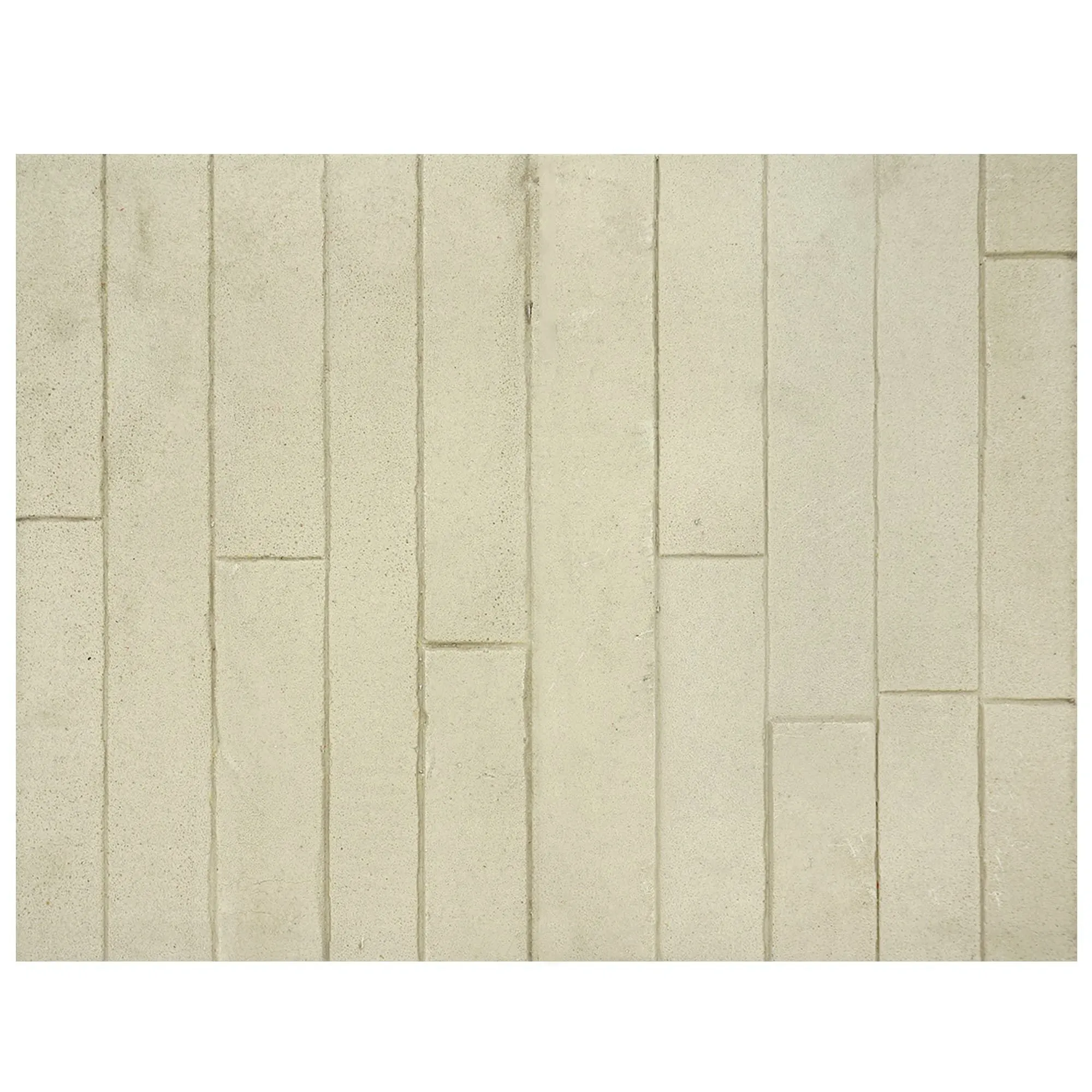
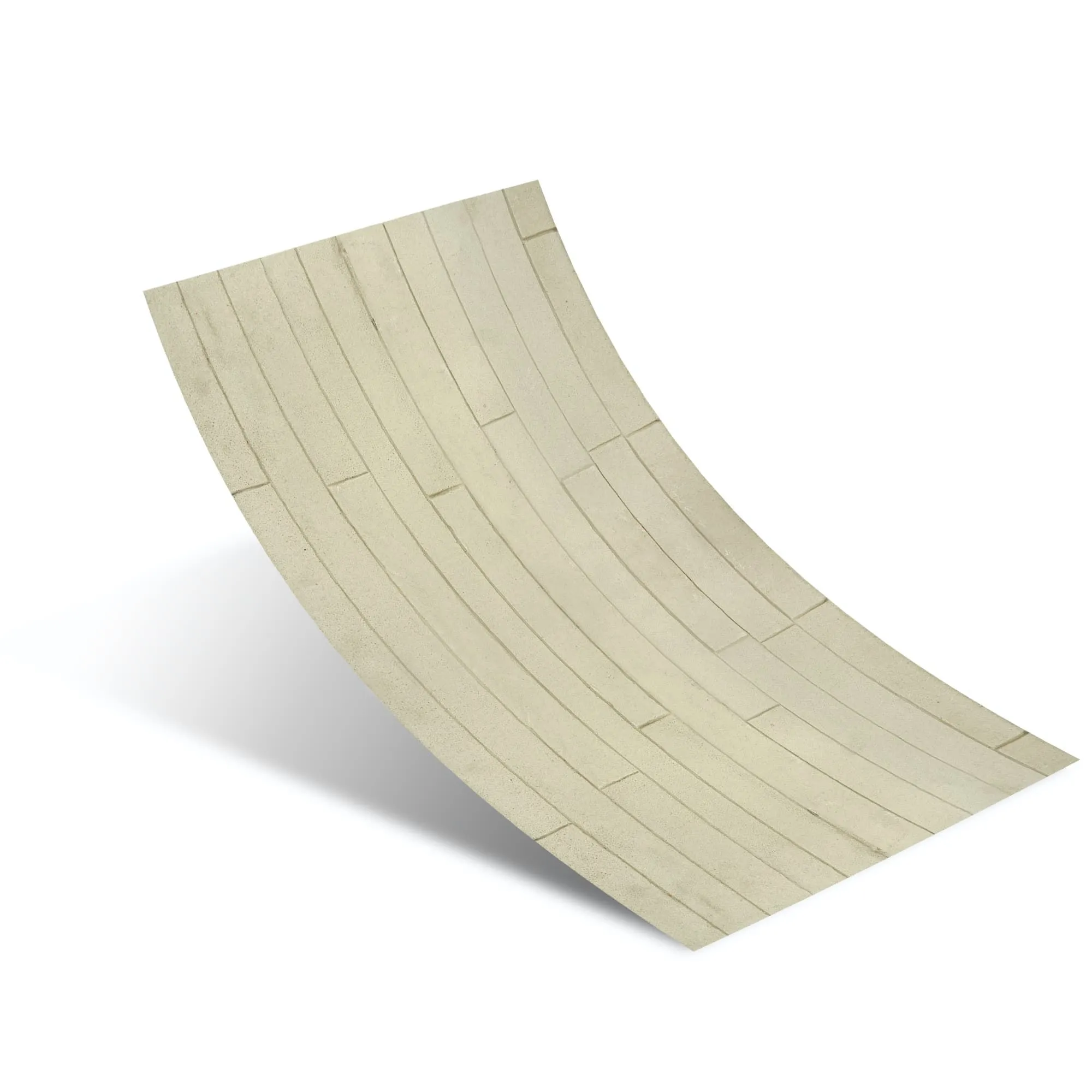
Traditional stone is heavy, and heavy materials cost more to transport and install. This is where modern innovation steps in. MCM (modified clay material) flexible stone reproduces the texture and beauty of natural stone in thin, lightweight, flexible panels that use far less raw material and energy to ship to a project site.
As a leading supplier of flexible stone, Coloria Group offers panels that deliver the authentic look of natural masonry with easier handling, faster installation, and lower logistics costs. Because the panels are so light, they can often be fixed directly onto existing surfaces, which makes them ideal for renovation and retrofit projects where demolition waste would otherwise be a problem. For anyone pursuing green building materials, this combination of natural aesthetics and practical efficiency is hard to beat.
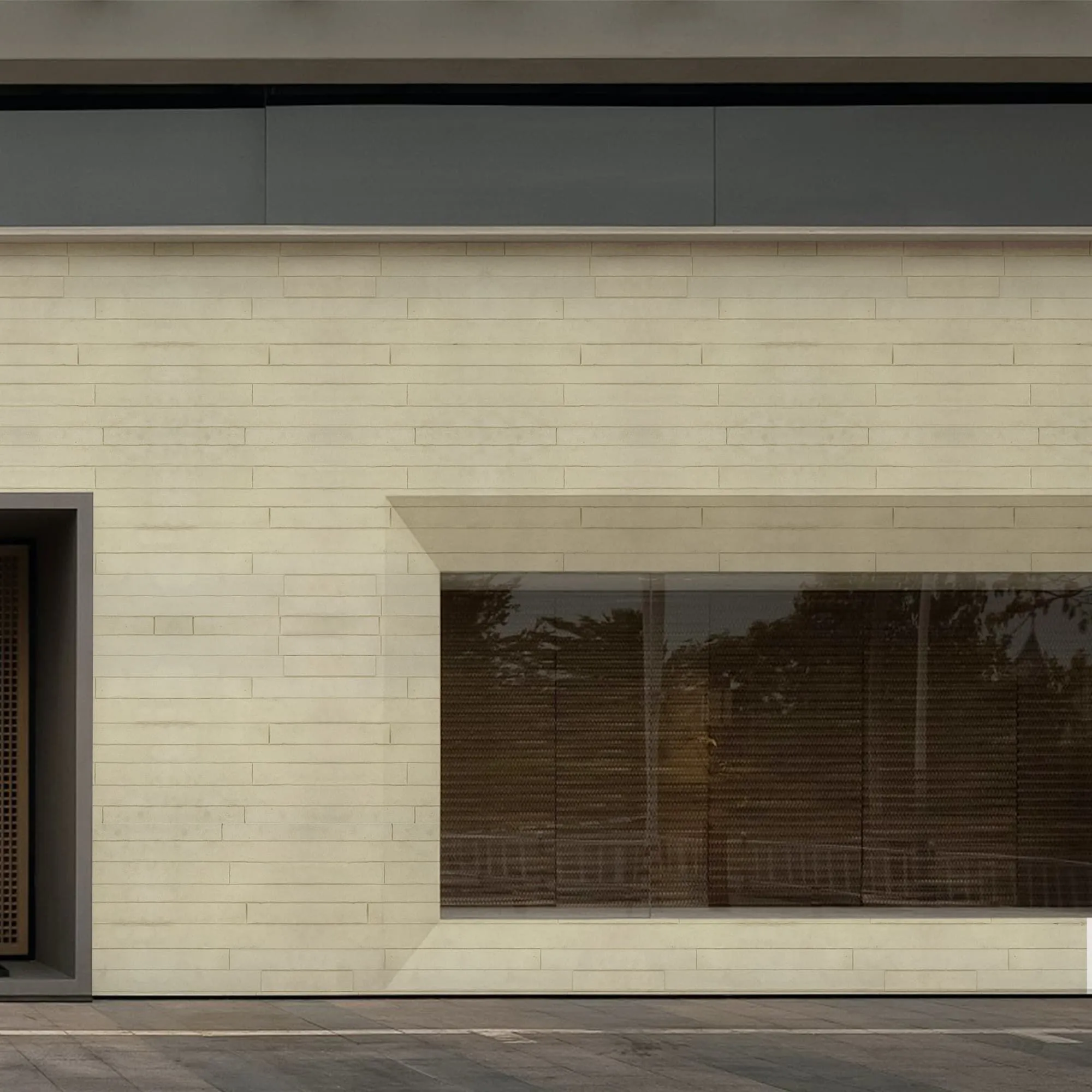
A few simple considerations will help you get the most from stone on a sustainable project. Look for locally sourced material, which cuts transport emissions. Choose a stone suited to your climate so it does not need early replacement. And think about format: for renovation work, lightweight flexible panels can be installed over existing walls without tearing anything out. Working with a supplier that offers a full range of options, from traditional masonry stone to modern flexible panels, makes it easy to match the right material to each job.
Masonry stone is genuinely environmentally friendly, and modern innovations are making it even more so. Whether you choose classic natural stone or lightweight flexible stone panels, you are choosing a material that is natural, durable, and kind to the planet. Coloria Group is committed to providing one-stop building material solutions that help you build sustainably — together, we build the future.
Recommend Products











