
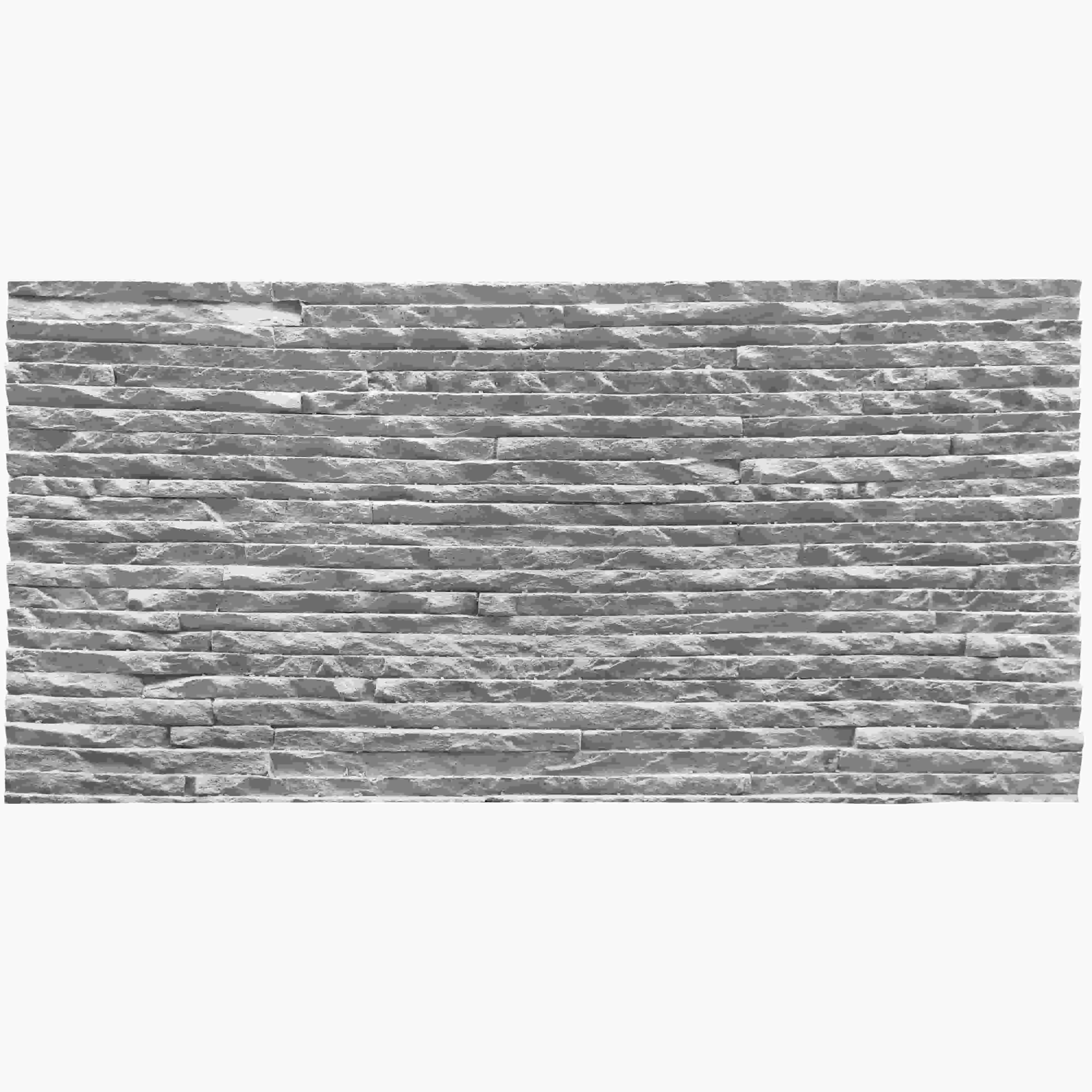
Walk into any modern restaurant with walls that feel both rugged and refined, or pass a boutique hotel with an exterior that seems to glow softly in the sunlight, and there's a good chance you're looking at Muretto Stone (Light Grey). It's become a darling of architects and interior designers alike—not just for its ability to turn spaces into something memorable, but for its reputation as a "workhorse" material. But here's the question that always comes up when safety is on the line: Is this beautiful stone actually fire-resistant? Let's pull back the curtain and find out.
Before we dive into fire resistance, let's get to know the star of the show. Muretto Stone (Light Grey) is part of a larger family of building materials known as MCM flexible stone—a category that's revolutionized how we think about stone cladding. Unlike traditional natural stone, which is heavy, brittle, and often hard to install, MCM (Modified Composite Material) flexible stone is engineered to be lighter, more durable, and surprisingly adaptable. Think of it as natural stone's smarter, more versatile cousin.
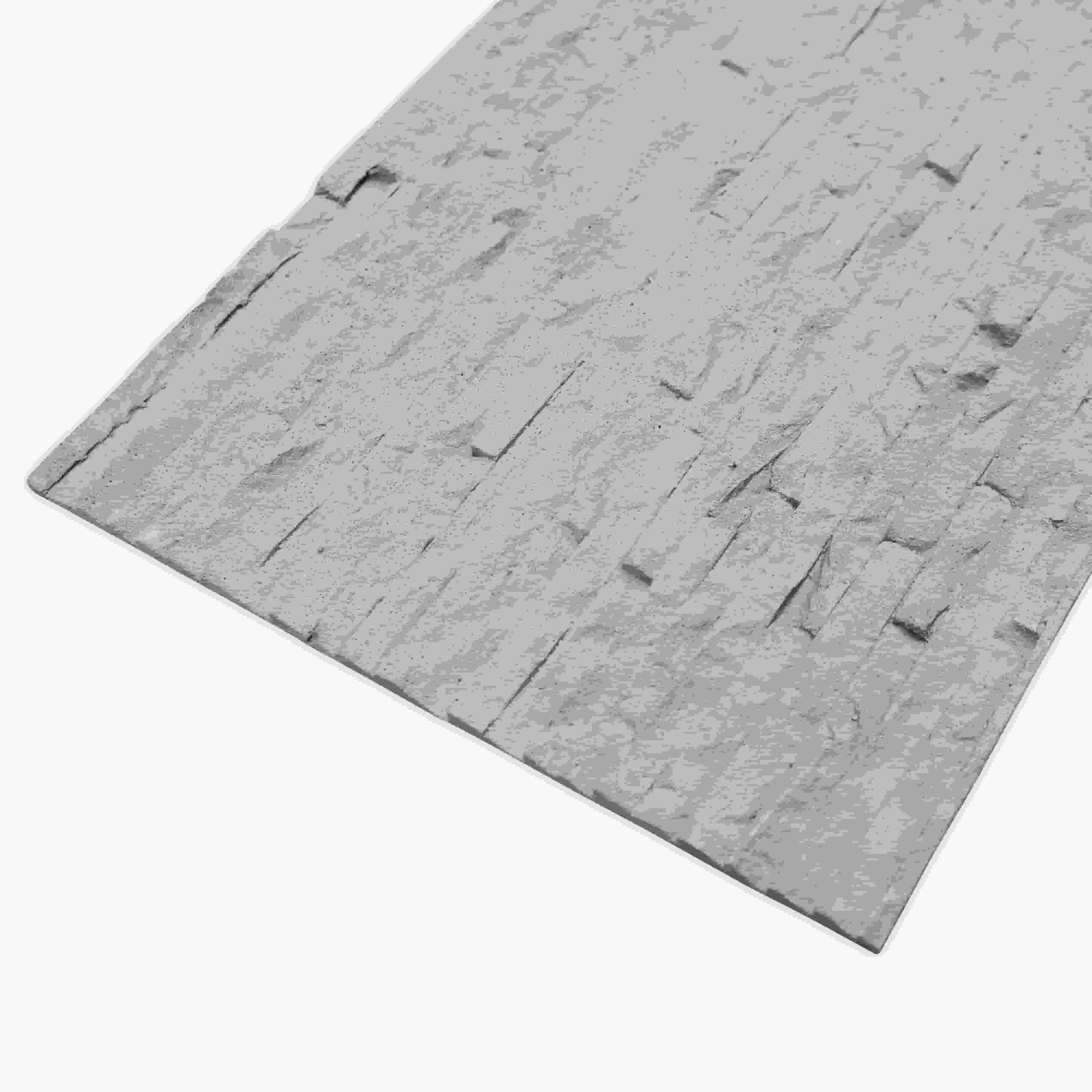
So, what's in it? At its core, Muretto Stone (Light Grey) is made from natural stone aggregates (think crushed marble, limestone, or travertine) mixed with a polymer binder. This combo gives it the best of both worlds: the authentic look and feel of stone, with the flexibility and strength of modern composites. The light grey hue isn't just a random choice, either—it's a deliberate nod to timelessness. It's soft enough to complement warm wood tones in a cozy home but sleek enough to hold its own in a minimalist office lobby. No wonder designers can't get enough of it.
You'll find Muretto Stone (Light Grey) everywhere these days: on exterior facades of apartment buildings, as accent walls in trendy cafes, even in high-end retail stores. It's popular because it's not just pretty—it's practical. But practicality means nothing if it can't keep people safe. Which brings us back to the big question: fire resistance.
Let's start with the basics: Why does fire resistance matter in building materials? Imagine you're in a crowded shopping mall, or your family is asleep upstairs. If a fire breaks out, the materials around you can either slow the spread or fuel the flames. Fire-resistant materials don't just protect the building—they buy time. Time for sprinklers to activate, for alarms to sound, for people to evacuate. That's why building codes around the world are strict about fire ratings, and why architects lose sleep over choosing the right materials.
So, how does Muretto Stone (Light Grey) stack up? To answer that, we need to talk about fire ratings. Most building materials are tested using standards like ASTM E119 (in the U.S.) or EN 13501 (in Europe), which measure how long a material can withstand fire before failing. The highest rating? Class A, which means the material is non-combustible, doesn't spread flames, and releases minimal heat. And here's the good news: Muretto Stone (Light Grey) typically earns a Class A fire rating.
What does that mean in real life? Let's say a fire starts in a kitchen with Muretto Stone walls. The stone won't catch fire easily. If flames do touch it, they'll spread slowly—if at all. And unlike materials like polyurethane foam or untreated wood, it won't melt, drip, or release huge plumes of black smoke. That's a game-changer. But there's more to fire safety than just not burning. What about toxic fumes? When materials burn, they release gases like carbon monoxide or hydrogen cyanide—these are often more deadly than the flames themselves. Muretto Stone (Light Grey)'s secret here is its low organic content. Since it's mostly stone and a small amount of polymer binder, it releases very few toxic fumes when exposed to extreme heat. That's not just a safety feature—that's peace of mind.
To really appreciate Muretto Stone (Light Grey)'s fire resistance, let's compare it to two other popular materials: wood paneling and standard drywall. Wood is beautiful, but it's highly combustible. Even treated wood can ignite at around 570°F (300°C). Drywall, on the other hand, is fire-resistant up to a point—it's made with gypsum, which releases water vapor when heated, slowing combustion. But standard drywall starts to break down around 900°F (480°C), and it's not nearly as durable as stone. Muretto Stone (Light Grey), by contrast, can withstand temperatures well above 1,000°F (538°C) without structural failure. That's a huge difference when every second counts.
Fire resistance is the headline, but safety is about more than just surviving a blaze. Let's talk about the other ways Muretto Stone (Light Grey) keeps spaces safe and healthy—because when you're choosing materials for your home or business, you're not just building walls; you're building a environment where people live, work, and breathe.
Ever walked past a building with a cracked stone facade and thought, "That looks unsafe"? You're not wrong. Cracks can let water in, leading to mold, or create sharp edges that catch on clothing (or worse). Muretto Stone (Light Grey) is built to resist this kind of damage. Its composite structure is flexible enough to handle minor shifts in a building's foundation (which happen over time) without cracking. It's also impact-resistant—so if a delivery truck backs into an exterior wall, or a kid throws a ball at an interior accent wall, it's less likely to chip or break. Less damage means fewer repairs, and fewer repairs mean fewer opportunities for safety hazards to pop up.
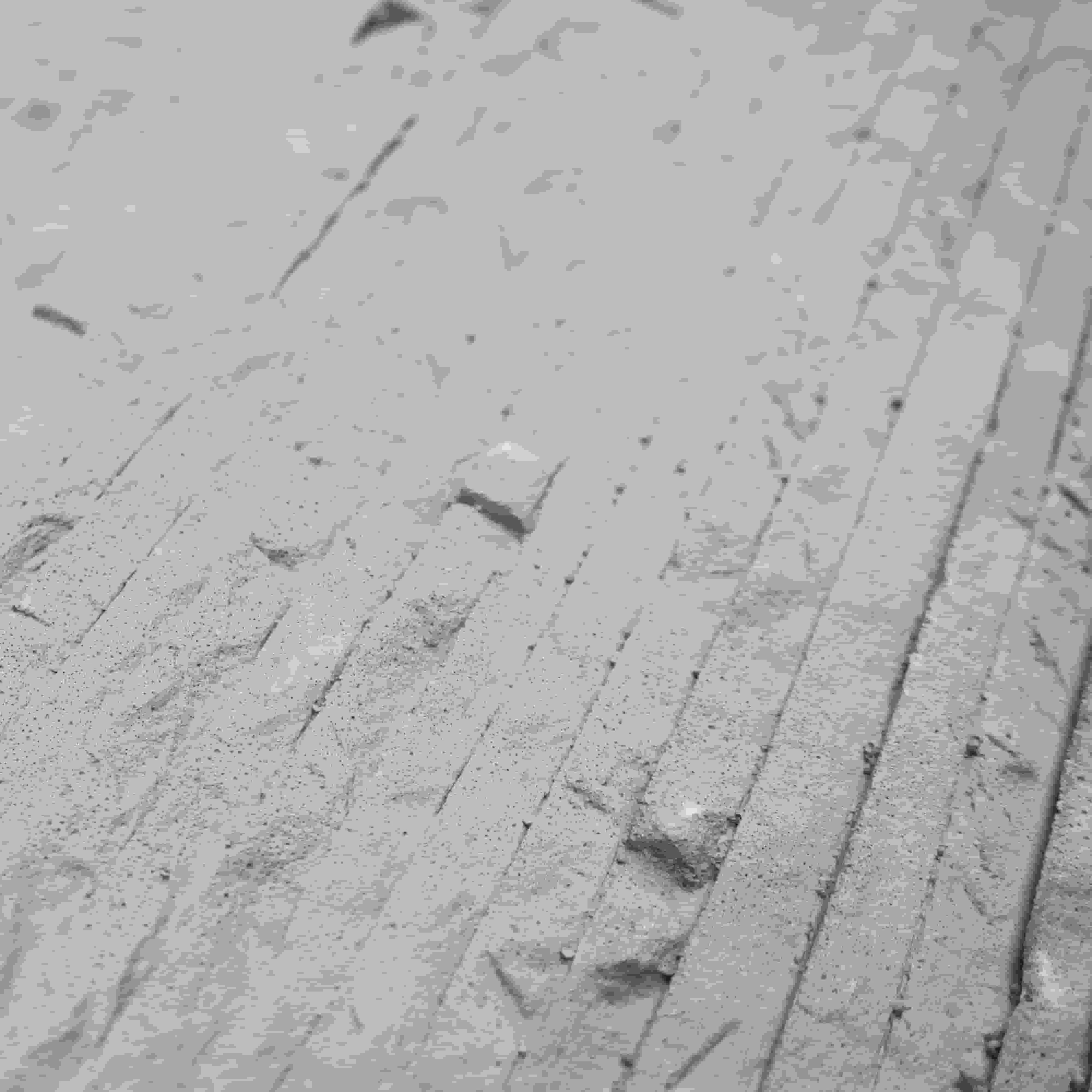
Mold isn't just unsightly—it's a health hazard. It triggers allergies, worsens asthma, and can even cause respiratory infections. And mold loves moisture. That's why materials that resist water are a big deal for indoor air quality. Muretto Stone (Light Grey) has a dense, non-porous surface that repels water. Unlike porous natural stones (looking at you, marble), it won't absorb spills in the kitchen or humidity in the bathroom. Wipe up a leak, and it's like it never happened. No water absorption means no mold growth. That's a win for anyone who cares about keeping their space healthy.
These days, "safety" isn't just about people—it's about the planet. Green building materials aren't a trend; they're a necessity. Muretto Stone (Light Grey) checks this box, too. Many manufacturers use recycled stone aggregates in their mixes, reducing the need to quarry new stone. They also use low-VOC binders, which means fewer harmful chemicals are released into the air during production or installation. And since it's so durable, it lasts longer, reducing waste from frequent replacements. When you choose Muretto Stone (Light Grey), you're not just choosing safety for your family or customers—you're choosing safety for the environment, too.
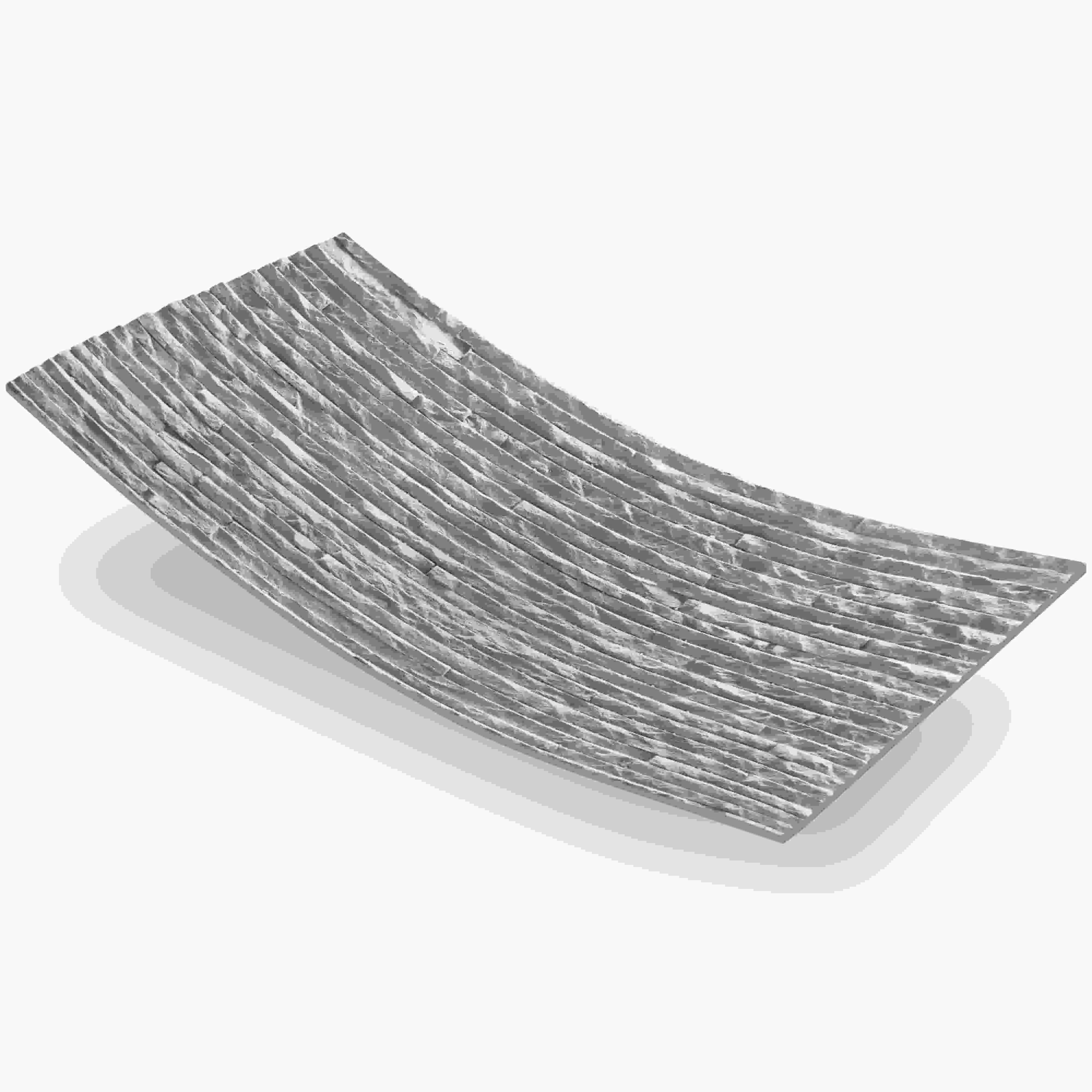
Here's a safety feature you might not think about: weight. Traditional stone cladding is heavy—like, "needs a crane to install" heavy. All that weight puts stress on a building's structure. Over time, that stress can lead to cracks in walls or even foundation issues. Muretto Stone (Light Grey), being part of the MCM flexible stone family, is up to 70% lighter than natural stone. That makes installation easier (and safer) for construction workers, who don't have to lift heavy slabs. It also reduces the load on the building itself, making it more structurally sound over the long haul. Lighter = safer, plain and simple.
To really see how Muretto Stone (Light Grey) measures up, let's put it head-to-head with a few other materials you might be considering. We'll look at fire resistance, durability, and eco-friendliness—three key safety metrics.
| Feature | Muretto Stone (Light Grey) | Fair-Faced Concrete | Foamed Aluminium Alloy Board (Vintage Silver) |
|---|---|---|---|
| Fire Resistance Rating | Class A (Non-combustible, minimal heat release) | Class A (Excellent, but heavy) | Class A (Lightweight, good heat resistance) |
| Toxic Fume Emission | Low (mineral-based, low organic content) | Low (inert when burned) | Moderate (may release aluminum oxide fumes at extreme temps) |
| Durability | High (flexible, impact-resistant, resists cracking) | High (but prone to cracking if not reinforced) | Moderate (can dent under heavy impact) |
| Moisture Resistance | Excellent (non-porous surface) | Good (but porous; needs sealing) | Excellent (waterproof, rust-resistant) |
| Eco-Friendly | High (often uses recycled aggregates, low-VOC binders) | Moderate (high carbon footprint in production) | Moderate (recyclable, but energy-intensive to produce) |
| Weight | Lightweight (70% lighter than natural stone) | Heavy (requires strong structural support) | Very lightweight (easy to install) |
As you can see, Muretto Stone (Light Grey) holds its own against fair-faced concrete and foamed aluminium alloy board. It matches or exceeds them in fire resistance, durability, and moisture resistance, and it's more eco-friendly than both. Plus, it has a natural, organic look that concrete and aluminium just can't replicate. If you're after a material that's safe and stylish, this is it.
Numbers and tests are great, but nothing beats hearing from people who've actually used Muretto Stone (Light Grey) in real projects. Let's meet a few architects and builders who've put its safety features to the test.
In downtown Seattle, a developer wanted to build a 12-story apartment complex with a modern, approachable vibe. They needed exterior cladding that could withstand Seattle's rainy winters, meet strict fire codes, and look good doing it. They chose Muretto Stone (Light Grey).
"Fire safety was non-negotiable," says Raj Patel, the project's lead architect. "With over 200 families living there, we couldn't take chances. Muretto Stone checked all the boxes: Class A fire rating, lightweight so we didn't have to over-engineer the structure, and it looks amazing. After two years, the exterior still looks brand new—no cracks, no water damage, and we've had zero issues with mold in the units. It was the right call."
A popular café in Austin, Texas, wanted to redo its interior with materials that could handle daily wear and tear (think spilled lattes, rowdy brunch crowds) and still keep patrons safe. They chose Muretto Stone (Light Grey) for their back bar and accent walls.
"We have an open kitchen with a wood-fired oven, so fire safety was top of mind," says Mia Chen, the café owner. "We didn't want something that would look industrial—this is a cozy spot, after all. Muretto Stone was perfect. It's warm and inviting, but I know if there was ever a grease fire, those walls aren't going to catch. Plus, cleaning up spills is a breeze—no stains, no mold. Our regulars always comment on how 'charming' the walls are. Little do they know, they're also super safe."
Even the safest materials need a little love to stay that way. The good news? Muretto Stone (Light Grey) is low-maintenance. Here's how to keep it in top shape:
Do this, and your Muretto Stone (Light Grey) will stay safe, beautiful, and functional for decades.
Let's wrap this up: Is Muretto Stone (Light Grey) fire-resistant? Absolutely. It's Class A rated, releases minimal toxic fumes, and can withstand extreme heat without failing. But it's not just fire-resistant—it's durable, moisture-resistant, eco-friendly, and lightweight. It's a material that doesn't just meet safety standards; it exceeds them. And it does all this while looking like a million bucks.
At the end of the day, building materials are about more than bricks and mortar. They're about creating spaces where people feel safe, happy, and at ease. Muretto Stone (Light Grey) gets that. It's not just a wall covering—it's a promise. A promise that beauty and safety don't have to be enemies. And in a world where we're always balancing form and function, that's a promise worth keeping.
So, if you're planning a project and safety is your top priority (and let's be real, it should be), give Muretto Stone (Light Grey) a closer look. Your future self—and everyone who steps into the space you're building—will thank you.
Recommend Products












