
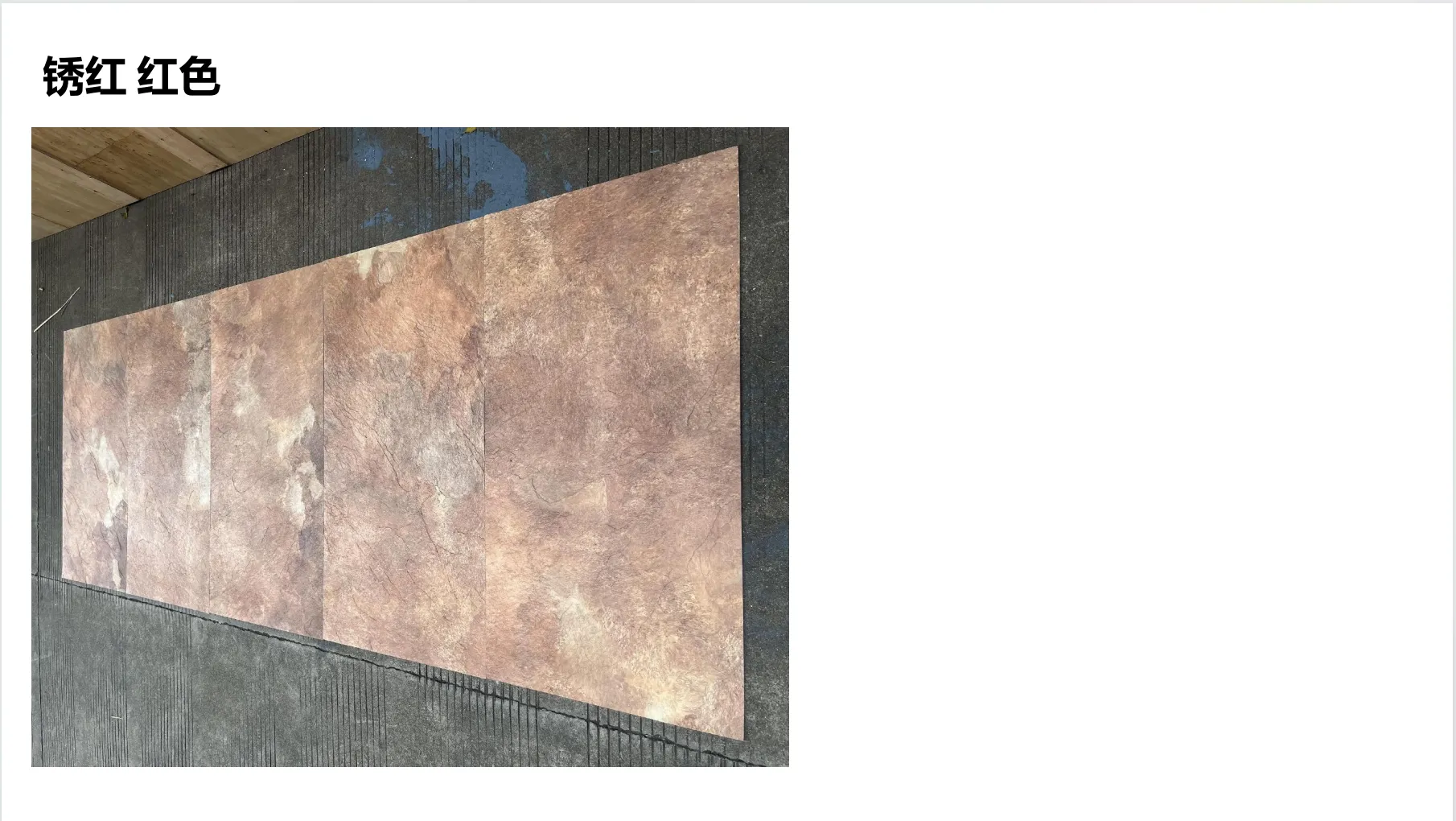
Rusty red has moved far beyond its industrial origins. Once the accidental color of weathered metal and aging clay, this warm, earthy tone now appears on facades, feature walls, and interior surfaces in some of the most talked-about contemporary buildings. But is it a passing trend, or does it genuinely belong in modern architecture? The short answer is yes — rusty red works exceptionally well in modern design when it is chosen for the right reasons and paired with the right materials.
Modern architecture is often associated with cool palettes: white render, grey concrete, and glass. Rusty red offers a deliberate counterpoint. It is a warm color with a natural, grounded quality, and it reads as honest and material-driven rather than decorative. That honesty aligns perfectly with the modernist preference for expressing materials as they are.
Rusty red also has a practical advantage: it does not date as quickly as trend-driven colors. Because it echoes natural materials — clay, terracotta, iron oxide, and autumn foliage — it feels timeless even in a contemporary setting. It can warm up a minimalist facade, add depth to a flat elevation, and give a building a clear sense of identity without shouting.
The material matters more than the color
The same rusty red can look completely different depending on the material that carries it, and this is where modern technology has changed the game. For decades, architects who wanted a rusted look had few options: real weathering steel, which is heavy, expensive, and requires careful drainage detailing, or painted metal, which fades and peels over time. Today, flexible stone panels offer a lighter, more versatile path to the same aesthetic.
MCM flexible stone is a modified clay material that reproduces the texture and color of natural stone — including rich rusty red tones — in a thin, flexible sheet that can be applied to walls, curved surfaces, and existing structures with ease. Because it is lightweight and flexible, it opens up rusty red to projects where heavy steel would be impractical: renovation work, curved facades, interior feature walls, and buildings with limited structural capacity. It delivers the visual warmth of rust without the weight, the runoff, or the long weathering period.
Pairing rusty red with the right materials
The success of a rusty red finish depends heavily on what surrounds it. Some pairings work beautifully; others compete. Here are the combinations that consistently perform well in modern projects:
Rusty red + concrete. The neutral grey of concrete lets rusty red take center stage. This is a classic modern combination that works on facades, plinths, and interior walls alike.
Rusty red + glass. The warm, matte texture of rusty red contrasts sharply with the reflective surface of glass, creating a clean, contemporary rhythm that reads as distinctly modern.
Rusty red + wood. Warm on warm, this pairing suits residential projects and creates a cozy, organic feel. Cedar, ipe, and other tannin-rich woods harmonize naturally with rust tones.
Rusty red + greenery. Rusty red sits opposite teal and green on the color wheel, so planting and living walls make the color feel alive and intentional rather than heavy.
What to avoid: pairing rusty red with bright, polished metals such as chrome, or with very light porous stone that could be stained by runoff in the case of real steel. With flexible stone, runoff is not a concern, which removes one of the biggest practical objections to rust-colored cladding.
Where rusty red works best
Rusty red is not a color to use everywhere, but it excels in specific roles:
Facade accents. A rusty red panel or band against a neutral facade gives a building a memorable identity without overwhelming it.
Entrance and feature walls. A single rusty red wall at an entrance or lobby creates a strong first impression that visitors remember.
Curved and sculptural surfaces. Because flexible stone bends, rusty red can follow curves and organic forms that rigid panels simply cannot.
Interior walls. In hospitality, retail, and office spaces, rusty red adds warmth and a sense of material authenticity that flat paint cannot match.
Renovation and adaptive reuse. Adding a rusty red element to an older building clearly marks the new intervention while respecting the original structure.
Practical considerations
For real weathering steel, rusty red comes with maintenance and detailing requirements: drainage management, stainless steel fasteners, and a weathering period before the color stabilizes. For flexible stone cladding, the picture is simpler. The color is consistent from the day it is installed, there is no runoff to manage, and the material is low-maintenance and durable. It is also lighter, which reduces structural load and installation cost.
Climate also matters. In coastal or high-humidity environments, real steel needs extra care, while flexible stone is largely unaffected. In dry, sunny climates, dark rusty red surfaces absorb heat, so insulation and shading should be planned accordingly — a consideration that applies to any dark cladding material.
Conclusion
Rusty red is not only suitable for modern architecture — it is one of the most effective ways to add warmth, character, and material honesty to a contemporary building. The key is to choose the right material and the right pairings. With modern flexible stone, the rusty red finish that once required heavy steel is now available to almost any project, from a small renovation to a large commercial facade. If you are considering a rusty red exterior wall cladding, it is worth exploring how flexible stone panels can deliver the look with less weight, less cost, and fewer complications.
Recommend Products












