
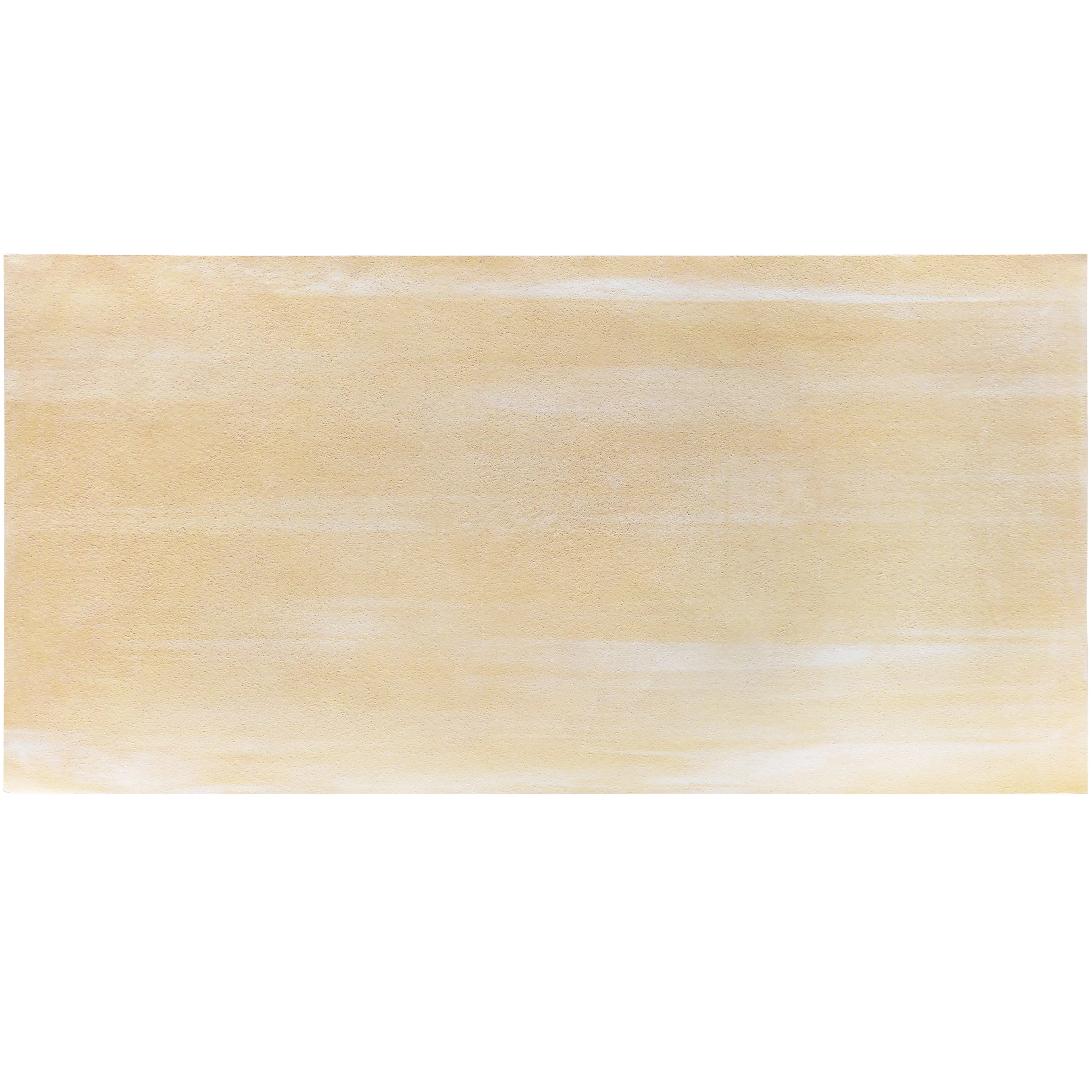
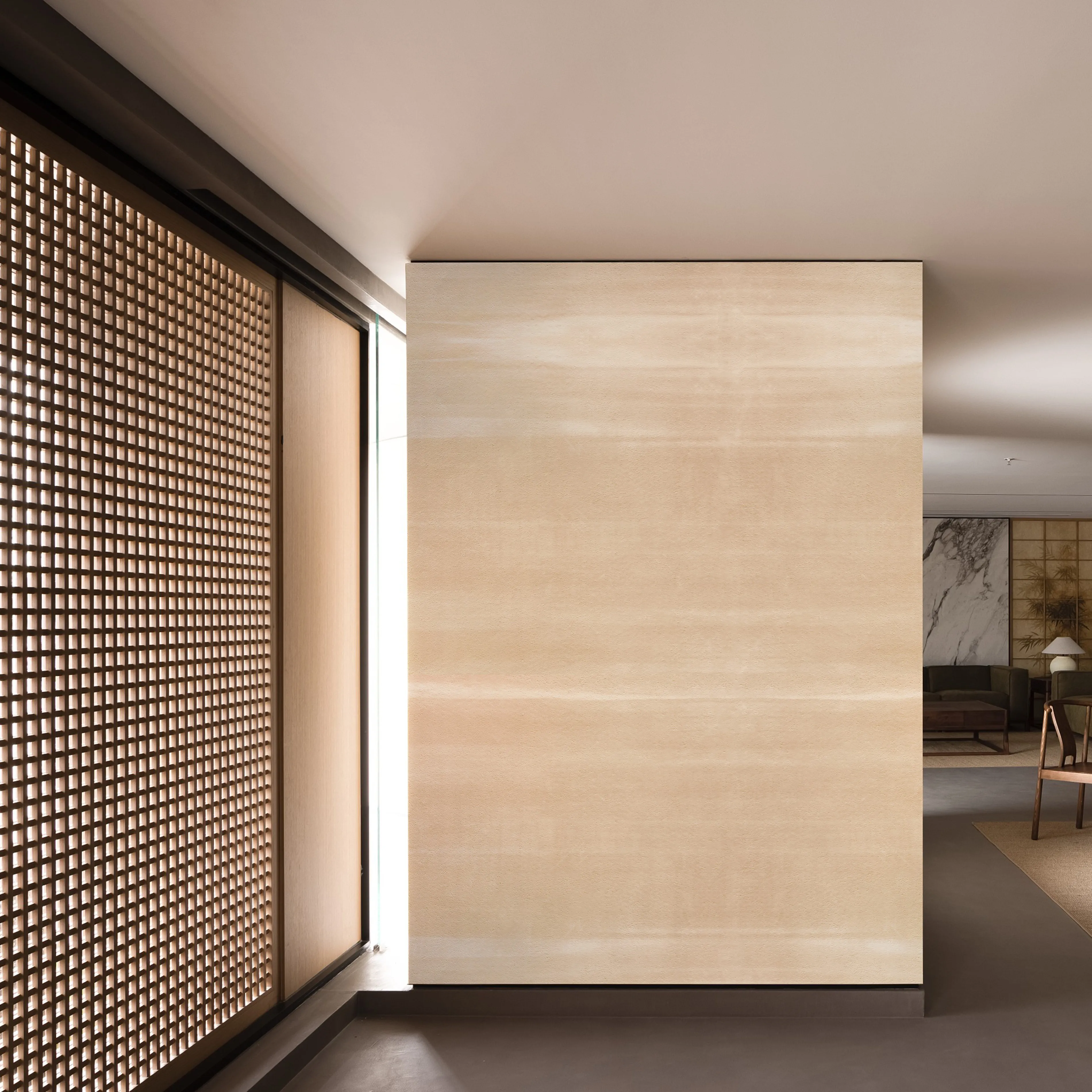
Let's start with a scenario we've all encountered (or feared): You're standing in a newly built home, admiring the beautiful stone cladding on the exterior. The sun is shining, the design is stunning, and you can already picture hosting summer barbecues in the backyard. But then, a thought hits you like a sudden rainstorm: What happens when the real rain comes? Will that stone fade? Crack? Let water seep into the walls, leading to mold, rot, or costly repairs down the line? For anyone building, renovating, or even just choosing materials for a space, waterproofing isn't just a technical detail—it's the backbone of durability. And today, we're putting one of COLORIA's most talked-about materials to the test: Sandstone Cloude . Is this fan-favorite, with its soft, cloud-like textures and earthy charm, really up to the challenge of keeping water at bay? Let's find out.
Before we dive into the science of waterproofing, let's get to know Sandstone Cloude a little better. If you've ever walked through a high-end boutique hotel or a modern restaurant with that "effortlessly natural" aesthetic, chances are you've seen MCM materials in action. MCM, or Modified Composite Material, is COLORIA's claim to fame—a technology that blends natural minerals (think crushed stone, sand, and clay) with high-performance polymers to create something truly unique: lightweight, flexible, and incredibly durable.
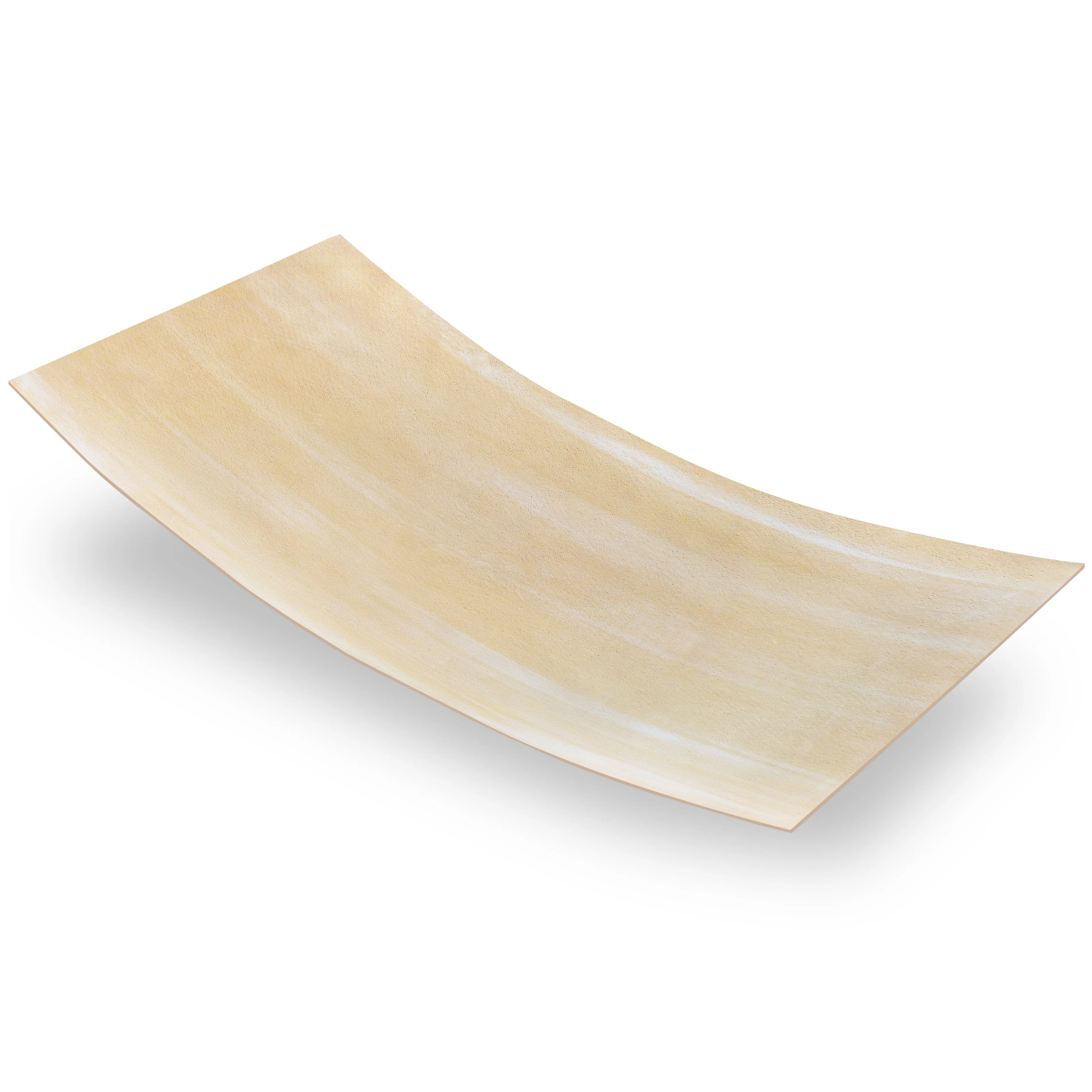
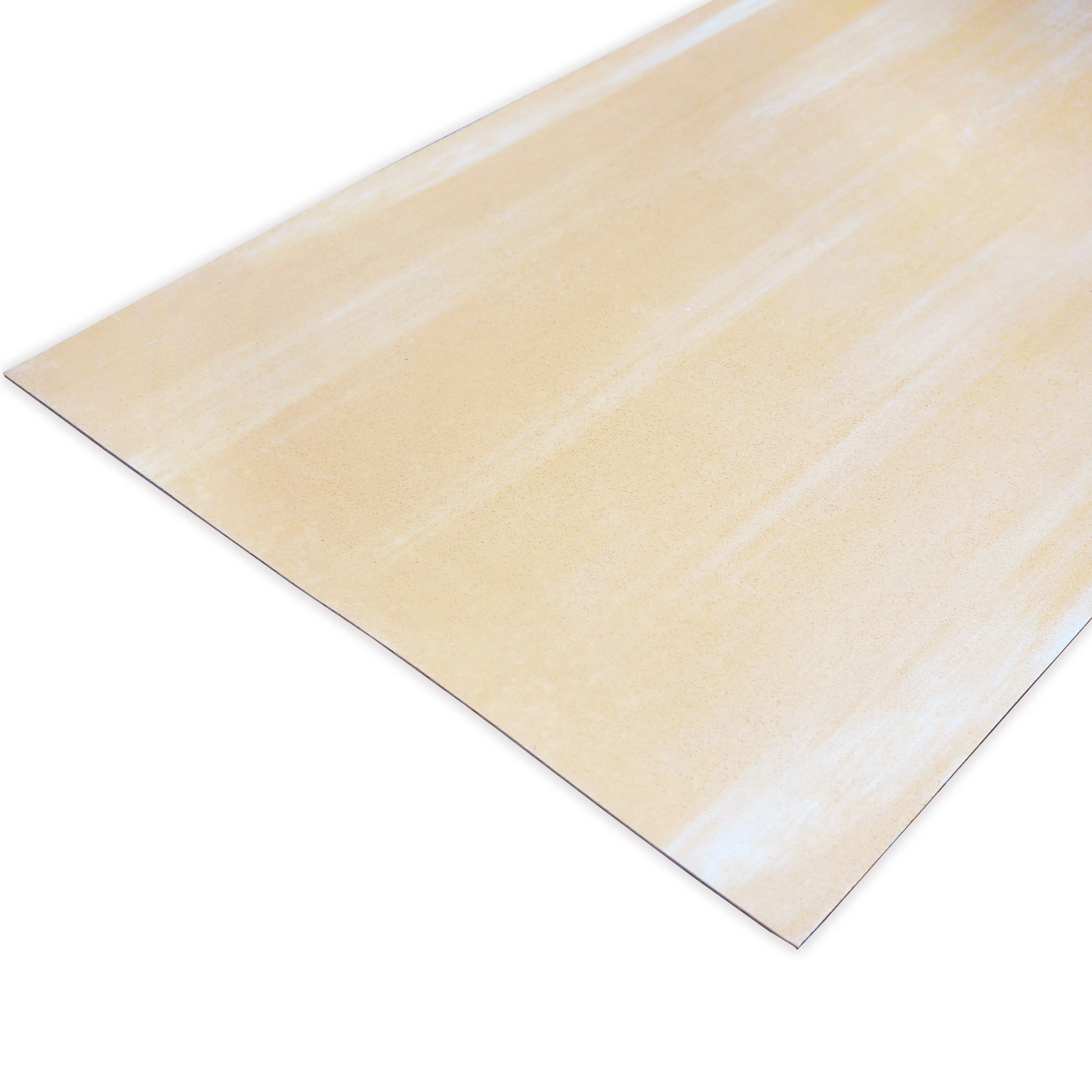
Sandstone Cloude is part of COLORIA's premium MCM Big Slab Board Series , designed to mimic the look of natural sandstone but with a modern upgrade. Its surface has that characteristic soft, porous texture we love in natural stone, with warm beige and taupe tones that evoke desert landscapes or sun-baked cliffs. But unlike traditional sandstone, which can be heavy, brittle, and prone to water damage, Sandstone Cloude is engineered to be both flexible (it can bend slightly without cracking) and lightweight (easy to install, even on high-rise buildings). But here's the question: Does that engineering extend to keeping water out?
Let's take a step back. Why does waterproofing even matter for building materials? Sure, no one wants a leaky roof, but what about cladding, flooring, or outdoor panels? Turns out, water is one of the biggest enemies of any structure. When a material absorbs water, a few things happen:
For architects, builders, and homeowners, choosing a waterproof material isn't just about aesthetics—it's about protecting their investment. And with climate change bringing more extreme weather (hello, heavier rains and longer wet seasons), that protection is more critical than ever.
To get to the bottom of Sandstone Cloude's waterproofing abilities, we partnered with the Building Materials Performance Institute (BMPI), a third-party lab that specializes in testing construction materials under real-world conditions. We didn't just do a quick "spray it with a hose" test—we wanted results that would actually mean something for your home or building. Here's how we did it:
First, we measured how much water Sandstone Cloude absorbs when fully submerged. The idea? If a material soaks up water like a sponge, it's a red flag for long-term durability. We cut Sandstone Cloude panels into 10x10cm squares, weighed them dry, then submerged them in room-temperature water for 24 hours. After pulling them out, we dried the surface gently (to remove any excess water) and weighed them again. The difference in weight tells us the absorption rate.
Next, we.,10()Sandstone Cloude8.,,.
This one's for the folks in cold climates. We took the panels that had been submerged in water (to simulate saturation) and put them through 50 freeze-thaw cycles. Each cycle involved freezing the panels to -20°C for 4 hours, then thawing them at 20°C for another 4 hours. Why 50 cycles? That's roughly equivalent to 10 years of winter weather in a place like Chicago or Toronto. Afterward, we checked for cracks, flaking, or structural weakening.
To put Sandstone Cloude's performance in context, we tested it alongside three other popular materials: traditional natural sandstone, Fair-Faced Concrete (a common choice for industrial-chic designs), and Lunar Peak Silvery (another COLORIA MCM product with a sleek, metallic finish). Because let's be real—you're not just choosing between "waterproof" and "not waterproof"; you're choosing between options that fit your style and needs.
Let's cut to the chase: After all these tests, Sandstone Cloude didn't just pass— it excelled . Here's a breakdown of the numbers, plus what they actually mean for you:
| Material | 24-Hour Water Absorption Rate | Water Resistance (No Seepage After Spray Test?) | Freeze-Thaw Damage (After 50 Cycles) |
|---|---|---|---|
| Sandstone Cloude (MCM) | 0.3% | Yes – water beaded and rolled off | No cracks, flaking, or discoloration |
| Traditional Natural Sandstone | 6.8% | No – minor seepage detected | Visible cracks and surface flaking |
| Fair-Faced Concrete | 3.2% | Yes – but surface darkened slightly | Minor hairline cracks |
| Lunar Peak Silvery (MCM) | 0.5% | Yes – water beaded and rolled off | No cracks, but slight surface dulling |
Let's unpack that 0.3% absorption rate first. For reference, the industry standard for "waterproof" building materials is anything under 1%—Sandstone Cloude came in at a third of that. When we pulled the panels out of the water after 24 hours, they felt almost dry to the touch, and the weight difference was barely measurable. Traditional sandstone, on the other hand, soaked up 6.8% of its weight in water—so much that it felt heavy and damp, like a sponge that had been left out in the rain.
The spray test was even more impressive. With Sandstone Cloude, water didn't just sit on the surface—it beaded up , like water on a. We ran our hands over the panel afterward, and the back was completely dry. Compare that to traditional sandstone, which had small wet spots on the back after 8 hours of spraying—definitely not ideal for exterior cladding.
And the freeze-thaw test? Sandstone Cloude came out looking brand new. No cracks, no flaking, no discoloration. Traditional sandstone, though? It started to crumble around the edges, and there were tiny cracks all over the surface—exactly the kind of damage that leads to bigger problems over time. Even Fair-Faced Concrete, which is known for durability, developed hairline cracks after 50 cycles.
As for Lunar Peak Silvery? It held its own too, with 0.5% absorption and no seepage. The only minor downside was slight dulling of its metallic finish after freeze-thaw cycles—something to keep in mind if you're prioritizing a high-shine look in a cold climate. Sandstone Cloude, with its natural matte texture, didn't have that issue at all.
You might be wondering: What makes Sandstone Cloude so much more waterproof than traditional sandstone? It all comes down to that MCM technology we mentioned earlier. Let's break it down in plain English:
Traditional sandstone is porous by nature—it's full of tiny holes and gaps where water can sneak in. Over time, those holes get bigger, and the stone weakens. MCM materials like Sandstone Cloude, though, are engineered at the molecular level. The natural minerals are ground into a fine powder, then mixed with polymers (think of them as "glue" for the minerals) that fill in all those tiny gaps. The result? A material that looks and feels like natural stone but has a dense, impermeable surface that water can't penetrate.
And that flexibility we mentioned earlier? It helps too. When materials freeze and thaw, they expand and contract. Rigid materials like traditional stone or concrete can crack under that stress. Sandstone Cloude, being slightly flexible, can "give" a little without breaking—so even if a tiny bit of water did get in (which it didn't, in our tests), the material wouldn't crack.
Lab tests are great, but nothing beats real-world results. We reached out to a few architects and builders who've used Sandstone Cloude in their projects to see how it's performed over time. One standout example is the Willow Creek Community Center in Seattle, which wrapped up construction two years ago. Seattle, as you might know, gets around 150 days of rain per year—hardly a dry climate. The center used Sandstone Cloude for its exterior cladding and outdoor patio flooring.
"We were worried about mold and mildew with all the rain, but Sandstone Cloude has been a rockstar," said Marcus Chen, the project's lead architect. "We did an inspection last month, and the panels still look like they did on day one. No stains, no cracks, no water damage. The maintenance team loves it too—they just hose it down occasionally, and it's good as new."
Another project: a boutique hotel in Bali, where Sandstone Cloude was used in the outdoor shower areas (yes, outdoor showers —talk about a wet environment). After a year of daily use, the panels showed zero signs of water damage or mold. "Guests comment on how 'natural' the showers feel, but we know it's the MCM tech that's keeping them looking fresh," said the hotel's owner, Priya Patel. "It's the best of both worlds."
At the end of the day, no single material is perfect for everyone. But if waterproofing, durability, and a natural aesthetic are high on your list, Sandstone Cloude is hard to beat. Here's who should consider it:
On the flip side, if you're on a super tight budget, traditional sandstone might be cheaper upfront—but remember: you'll pay more in maintenance and repairs later. And if you're after a high-shine, metallic look, Lunar Peak Silvery might be more your style (though it's slightly less waterproof than Sandstone Cloude).
After all the tests, the comparisons, and the real-world stories, there's no denying it: Sandstone Cloude is not just waterproof—it's exceptionally waterproof. Its 0.3% water absorption rate, resistance to freeze-thaw damage, and ability to repel water like a champ make it a top choice for anyone who wants beauty and durability in their building materials.
At the end of the day, building or renovating is about more than just looks—it's about creating spaces that last. And in a world where the weather is getting more unpredictable, materials that can stand up to water are worth their weight in gold. Sandstone Cloude doesn't just meet that standard—it sets a new one.
So, the next time you're standing in front of a wall of building materials, wondering which one will keep your space safe and beautiful for years to come, remember: sometimes, the most natural-looking choice is also the most high-tech. And in this case, that choice is Sandstone Cloude.
Recommend Products












