
When you're building or renovating a space—whether it's your dream home, a bustling café, or a sleek office—there are a million details to juggle. From paint colors to floor plans, every choice shapes the look and feel of the finished project. But if there's one factor that should never take a backseat, it's safety. And when it comes to safety, few things matter more than how well your building materials stand up to fire. After all, a beautiful space means nothing if it can't protect the people and memories inside it.
That's why today, we're diving deep into a question we've heard from designers, homeowners, and contractors alike: Is Slate Sunnye fire-resistant? If you've been eyeing this material for your next project—drawn to its subtle veining, earthy tones, or reputation for durability—you're probably wondering if it checks the box for fire safety. Let's break it down, step by step, so you can make an informed choice that keeps both style and safety at the forefront.
Before we get into the specifics of Slate Sunnye, let's talk about why fire resistance is such a critical consideration. Fires in homes and commercial buildings can start in an instant—from a stray kitchen spark to an electrical malfunction—and spread faster than you might imagine. The materials we choose for walls, floors, and countertops play a huge role in how a fire behaves: Will they fuel the flames, or slow them down? Will they release toxic smoke, or stay stable under heat? These aren't just technical details—they're life-saving factors.
For homeowners, fire-resistant materials offer peace of mind. If you have kids, pets, or elderly family members, knowing your walls and floors won't easily catch fire can reduce anxiety during everyday activities, like cooking or using space heaters. For business owners, it's a legal and ethical responsibility; codes often require certain fire ratings for commercial spaces, and investing in safe materials protects employees, customers, and your livelihood.
And here's the good news: You don't have to sacrifice style for safety. Modern building materials, including Slate Sunnye, are designed to offer both. But first, let's answer the big question: What is Slate Sunnye, anyway?
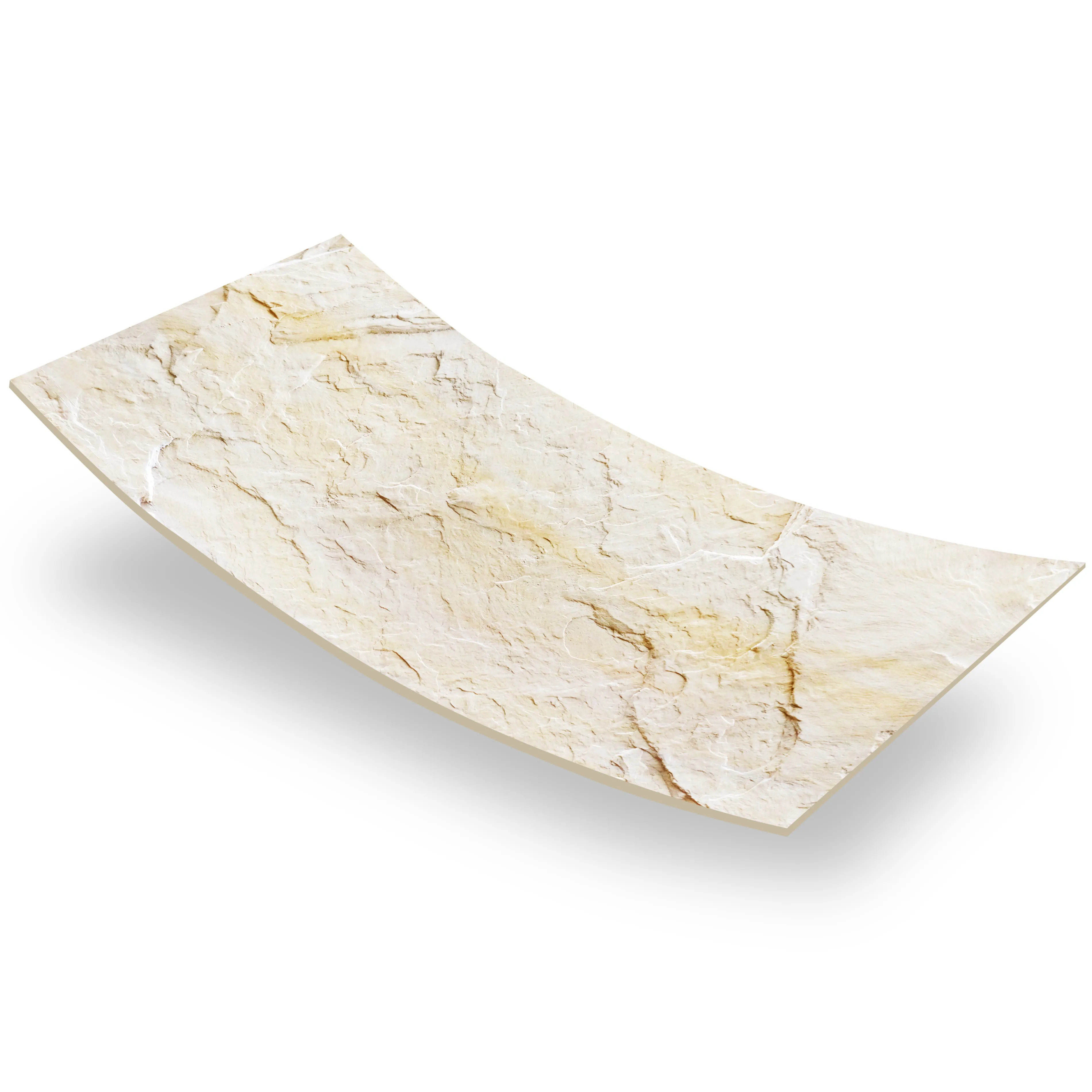
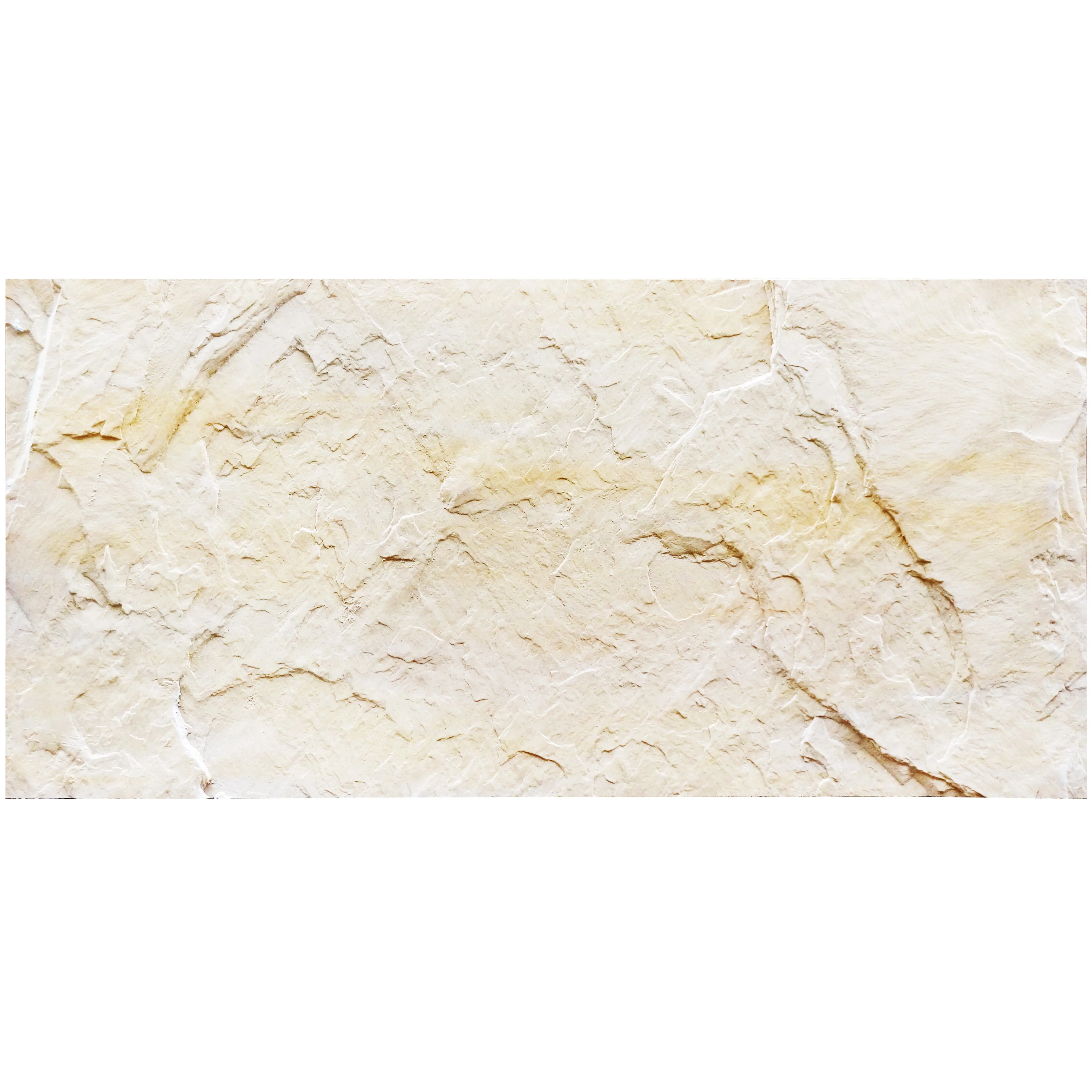
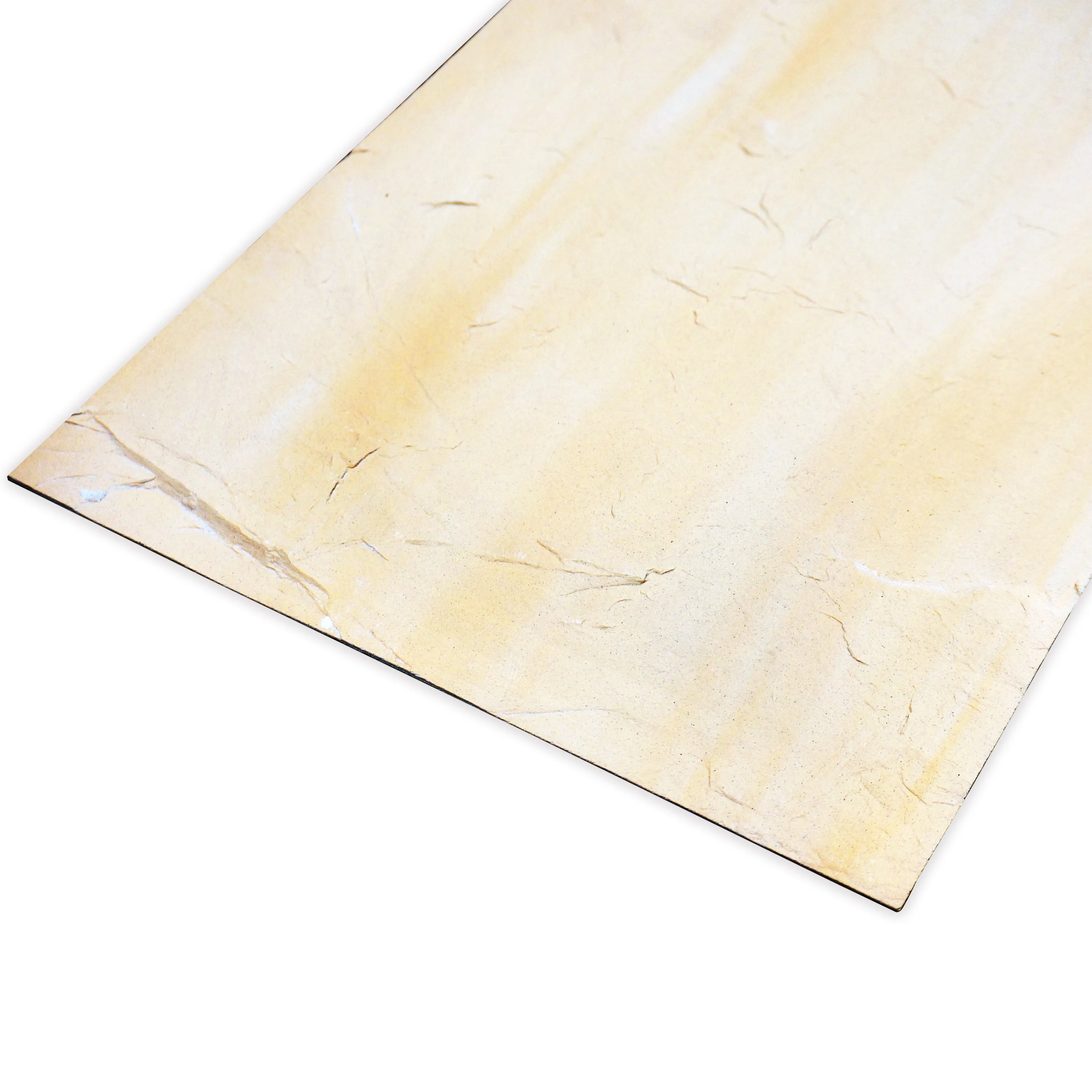
Slate Sunnye is a type of natural stone that's been gaining popularity in architectural and design circles for its unique blend of durability and aesthetics. Think of it as slate with a twist—its surface often features soft, sunlit veining in warm grays and subtle golds, giving it a name that feels like a nod to its appearance: "sunny" and bright, even in a stone that's traditionally associated with cooler tones. But beyond its looks, Slate Sunnye has a composition that sets it apart from other stones, and that composition is key to understanding its fire resistance.
Like all slates, Slate Sunnye forms from sedimentary rock that's been compressed and heated over millions of years. This process creates a dense, layered structure—think of it as nature's own armor. But what makes Slate Sunnye special is its low porosity and high mineral density, thanks to a unique mix of quartz, feldspar, and mica. These minerals don't just make the stone hard-wearing; they also give it impressive heat-resistant properties.
Now, let's get technical (but don't worry, we'll keep it simple). When a material is exposed to fire, two key factors determine its performance: how easily it ignites (flammability) and how much it contributes to the spread of flames (flame spread index). For natural stones like Slate Sunnye, the story starts with their inability to ignite. Unlike wood or some synthetic materials, stone doesn't burn—it can char, crack, or even melt under extreme heat, but it won't catch fire. That's a huge advantage right off the bat.
To put it plainly: Slate Sunnye is highly fire-resistant. But let's back that up with facts. Most building materials are tested using standards set by organizations like ASTM International or the National Fire Protection Association (NFPA). One common test is the ASTM E84, which measures a material's flame spread index (FSI) and smoke development index (SDI). A lower FSI means the material doesn't spread flames easily; a lower SDI means it produces less toxic smoke when heated.
Slate Sunnye typically scores an FSI of less than 25 and an SDI of under 50, putting it in the "Class A" fire rating category—the highest possible rating for building materials. For context, Class A materials are considered "non-combustible" and are recommended for high-risk areas like kitchens, stairwells, and exteriors. To put that in perspective: Wood has an FSI of over 100, while some synthetic laminates can exceed 200. Slate Sunnye's low scores mean that even in a fire, it won't fuel the flames or release harmful smoke, making it a top choice for safety-conscious projects.
But don't just take our word for it. Let's compare Slate Sunnye to two other popular building materials to see how it stacks up in the safety department: fair-faced concrete and foamed aluminium alloy board (vintage silver). Both are known for their durability, but how do they measure up when fire is in the picture?
| Material | Fire Rating (ASTM E84) | Key Fire-Resistant Features | Aesthetic Appeal | Best For |
|---|---|---|---|---|
| Slate Sunnye | Class A (FSI <25, SDI <50) | Dense mineral structure, low porosity, heat-resistant quartz content; does not ignite or release toxic smoke. | Warm gray base with sunlit veining; natural, organic look that pairs with modern and rustic designs. | Kitchen countertops, fireplace surrounds, exterior cladding, commercial lobbies. |
| Fair-Faced Concrete | Class A (FSI ~20, SDI ~40) | Non-combustible; high thermal mass absorbs heat slowly, reducing flame spread. | Industrial-chic, minimalist; smooth or textured finishes in neutral tones. | Walls, floors, outdoor patios; modern commercial spaces. |
| Foamed Aluminium Alloy Board (Vintage Silver) | Class B (FSI 25–75, SDI ~60) | Metallic core resists melting at high temperatures; lightweight but less dense than stone. | Sleek, metallic finish with a vintage sheen; modern, futuristic vibe. | Accent walls, ceiling panels, lightweight exteriors. |
As you can see, Slate Sunnye holds its own against fair-faced concrete—a material long praised for its fire safety—and outperforms foamed aluminium alloy in both flame spread and smoke development. But what really sets Slate Sunnye apart is that it doesn't just excel in safety; it adds a natural, warm beauty that concrete (while stylish in its own right) can't always match. And when you're designing a space where people live, work, or gather, that balance of safety and soul matters.
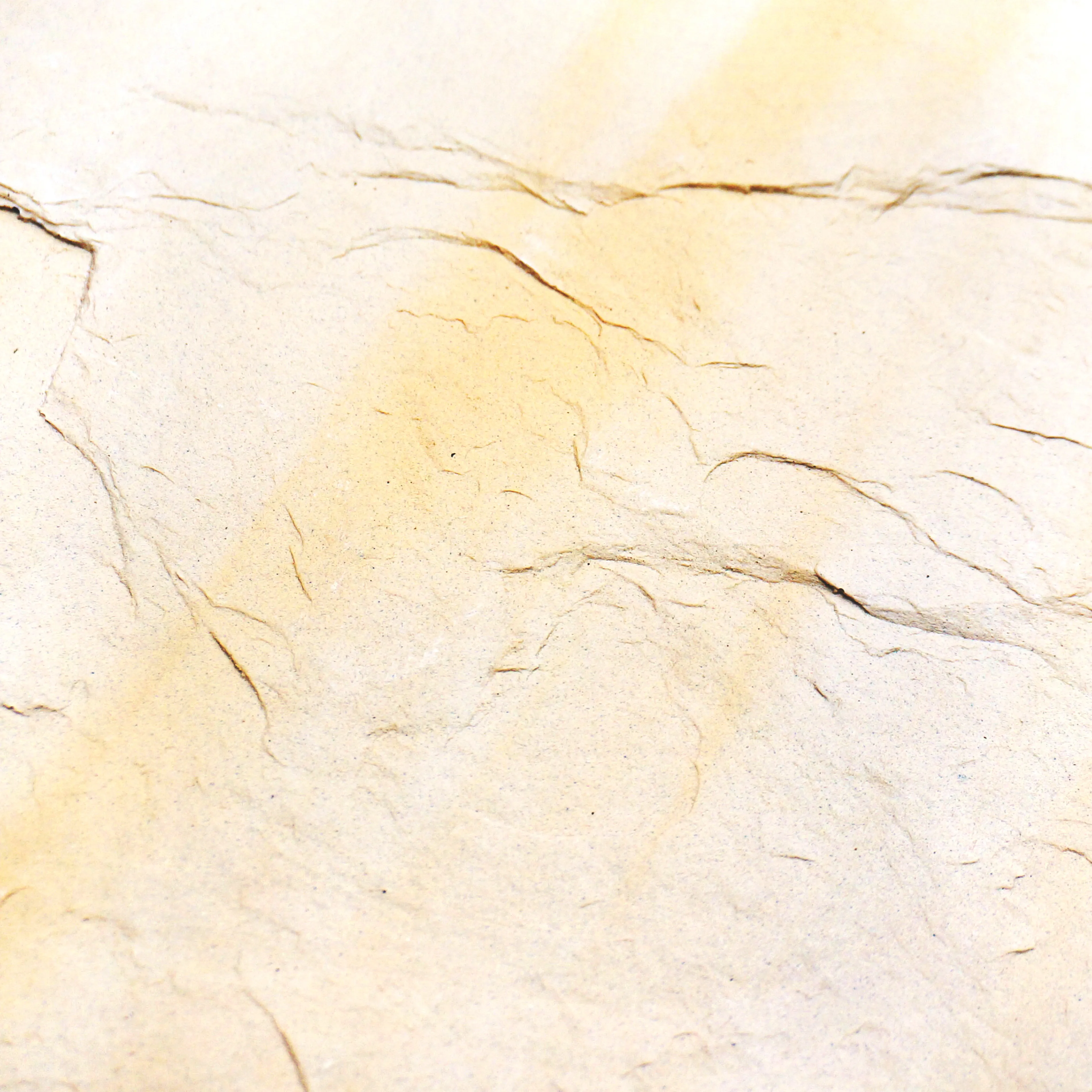
Fire resistance is a star feature, but it's not the only reason to consider Slate Sunnye. Let's talk about durability, because a material that's safe but falls apart after a few years isn't much use. Slate Sunnye's dense structure makes it resistant to scratches, stains, and even water damage—perfect for high-traffic areas like kitchens or entryways. Unlike some marbles or granites, it doesn't require frequent sealing, which saves time and money in the long run.
And then there's heat resistance beyond fire. Think about a kitchen backsplash behind a stove, or a fireplace surround that's exposed to daily heat. Slate Sunnye can handle sustained temperatures without cracking or discoloring, which is why designers often recommend it for these spots. Compare that to materials like wood, which can warp, or even some tiles that might glaze over and lose their finish under heat. Slate Sunnye stays true to its form, even when things get hot.
But let's not overlook the elephant in the room: cost. Natural stone can sometimes come with a higher price tag than synthetic alternatives, but Slate Sunnye offers a middle ground. It's not the cheapest option, but when you factor in its longevity (it can last decades with minimal maintenance) and safety benefits, it becomes an investment rather than an expense. Plus, its timeless look means you won't have to replace it in a few years when trends shift—unlike that "must-have" neon backsplash from 2010.
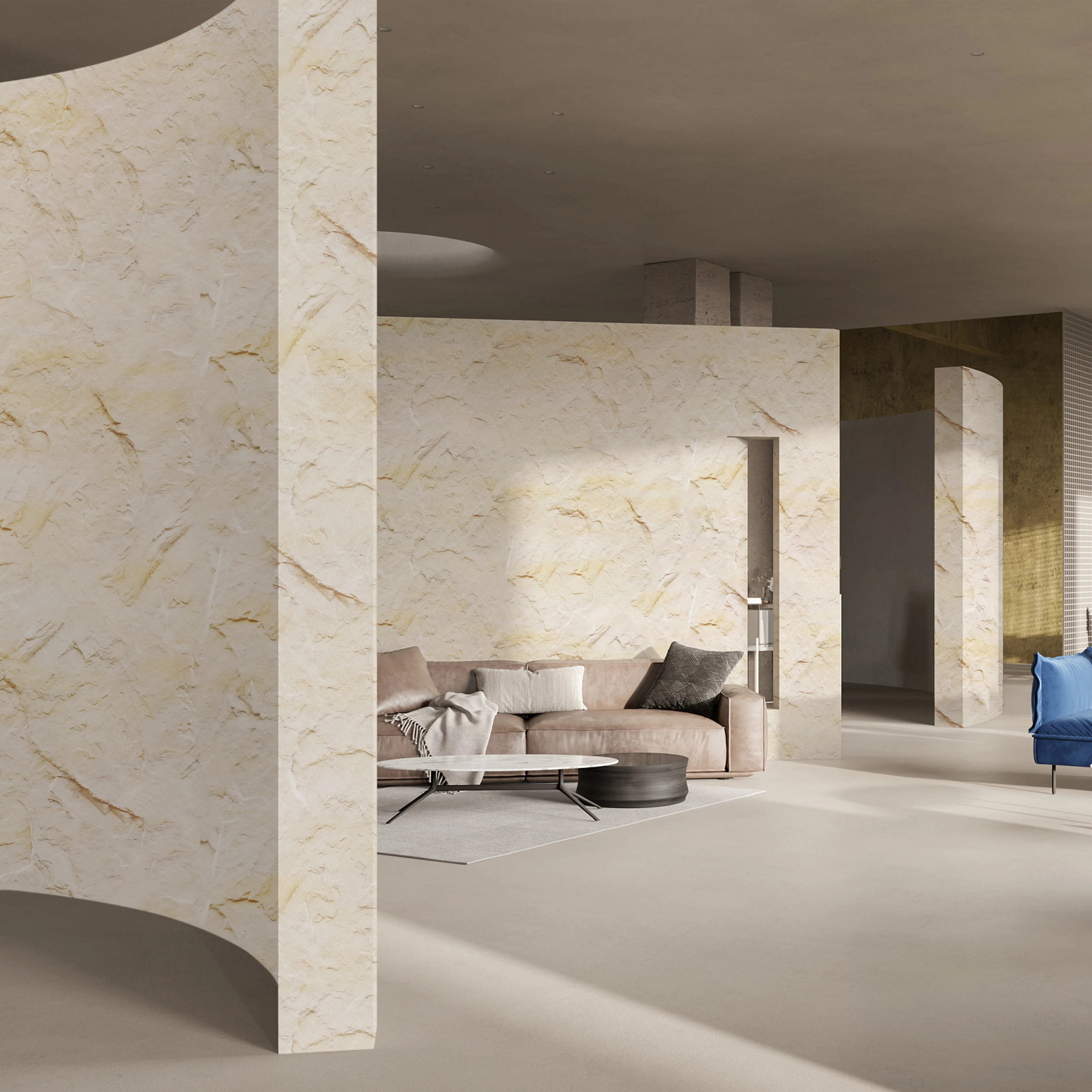
So, where should you use Slate Sunnye? The short answer: Anywhere you want safety, durability, and style to coexist. Let's break down some common applications:
Kitchens are ground zero for fire risks—stoves, ovens, toasters, and even microwaves can spark accidents. That's why choosing fire-resistant materials for countertops, backsplashes, and flooring is a no-brainer. Slate Sunnye's heat resistance makes it ideal for countertops; even if a hot pan is accidentally set down, it won't scorch. Its low porosity also means it resists stains from oils and sauces, so your kitchen stays both safe and spotless.
Imagine a kitchen with Slate Sunnye countertops in warm gray, paired with travertine (starry blue) backsplash tiles for a pop of color. The travertine adds a playful, starry texture, while Slate Sunnye provides the safety net. It's a design that feels intentional, not just safe.
Exterior cladding takes a beating from the elements—rain, wind, and yes, even fire (think wildfires or nearby grill accidents). Slate Sunnye's density makes it resistant to water damage, and its fire resistance adds an extra layer of protection. In areas prone to wildfires, using non-combustible cladding like Slate Sunnye can even lower insurance premiums, as insurers recognize the reduced risk.
Picture a home with Slate Sunnye siding, its warm tones complementing a wooden deck (don't worry—we'll talk about wood safety later). The stone cladding acts as a barrier, while the deck, treated with fire-retardant sealant, adds warmth. It's a balanced approach to exterior design.
Restaurants, hotels, and offices have a duty to protect their patrons and employees. Slate Sunnye works well in lobbies as flooring or accent walls, where its durability handles foot traffic and its fire resistance meets building code requirements. In restaurants, it can be used for bar tops or tabletops near open flames (hello, fondue night!), giving owners peace of mind during busy service.
What better place for a fire-resistant material than around a fireplace? Slate Sunnye surrounds and hearths not only look elegant but also prevent heat from transferring to nearby walls or floors, reducing the risk of accidental fires. Unlike some stones that might crack under repeated heating and cooling, Slate Sunnye's layered structure allows it to expand and contract without damage, making it a long-lasting choice for this cozy feature.
You might be thinking, "If Slate Sunnye is a natural stone, isn't all natural stone fire-resistant?" Not exactly. While most natural stones are non-combustible (they don't catch fire), their heat resistance can vary. For example, some marbles are more porous and can crack under extreme heat, while sandstones might absorb water and weaken when heated. Slate Sunnye's specific mineral makeup and density make it more heat-resistant than many other stones, which is why it's a standout choice.
Another myth: "Fire-resistant materials are ugly." We've already debunked this with Slate Sunnye's sunlit veining, but it's worth repeating. Safety doesn't have to mean sacrificing style. Modern manufacturing and natural stone processing have come a long way, offering materials that are as beautiful as they are safe. Slate Sunnye is proof of that.
When choosing any building material, it's important to look for third-party certifications that verify its claims. Slate Sunnye typically meets or exceeds international standards, including:
Always ask your supplier for certification documents—reputable companies will be happy to provide them. It's your right to know that the material you're installing lives up to its promises.
Still on the fence? Let's hear from people who've used Slate Sunnye in their projects. Take Sarah, a homeowner in California who renovated her kitchen after a small grease fire damaged her old laminate countertops. "I wanted something that looked nice but also gave me peace of mind," she says. "Slate Sunnye was the perfect fit. Last month, I accidentally left a hot baking sheet on the counter, and there wasn't even a mark. I don't panic anymore when I'm cooking—that's priceless."
Then there's Mike, a restaurant owner in Chicago who used Slate Sunnye for his bar tops. "We have open flames from our tiki torches on the patio, and the bar is right next to it," he explains. "The fire marshal recommended Class A materials, and Slate Sunnye checked that box. Plus, our customers love the look—it's rustic but modern, and it hides spills better than our old wood bar. Win-win."
At the end of the day, choosing building materials is about balance. You want something that looks good, lasts long, and keeps you safe. Slate Sunnye delivers on all three fronts. Its fire resistance, rooted in its natural composition, makes it a reliable choice for any space where safety is a priority. Its warm, sunlit appearance ensures your home or business doesn't feel like a bunker—instead, it feels like a place where life happens, safely.
So, is Slate Sunnye fire-resistant? Absolutely. But it's more than that—it's a material that understands the needs of modern design: safety without compromise, durability without dullness, and style that stands the test of time. Whether you're building a new home, renovating a kitchen, or designing a commercial space, Slate Sunnye is more than just a trend—it's a smart, safe choice that will serve you well for years to come.
After all, the best spaces aren't just beautiful—they're built to protect the people who love them. And with Slate Sunnye, you can have both.
Recommend Products












