
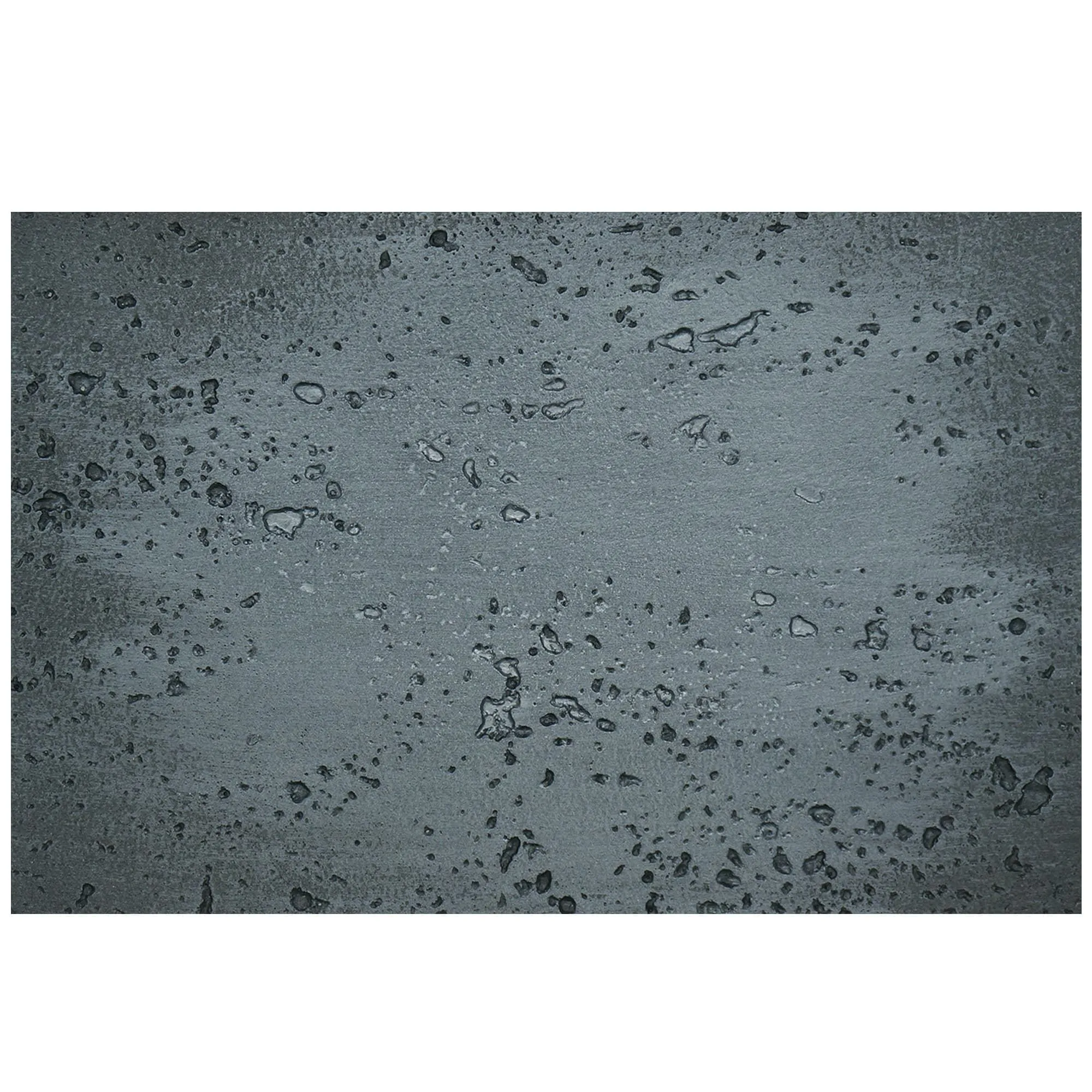
Choosing the right exterior wall cladding is like picking the perfect outfit for your home—it needs to look good, fit the environment, and stand the test of time. For years, homeowners and architects have debated the merits of materials ranging from vinyl siding to natural stone, each with its own set of pros and cons. Lately, one material has been turning heads in design circles: travertine, specifically the vintage silver finish. But while its soft, muted glow and timeless texture make it a stunner, the big question remains: Is travertine (vintage silver) durable enough to handle the harsh realities of outdoor life?
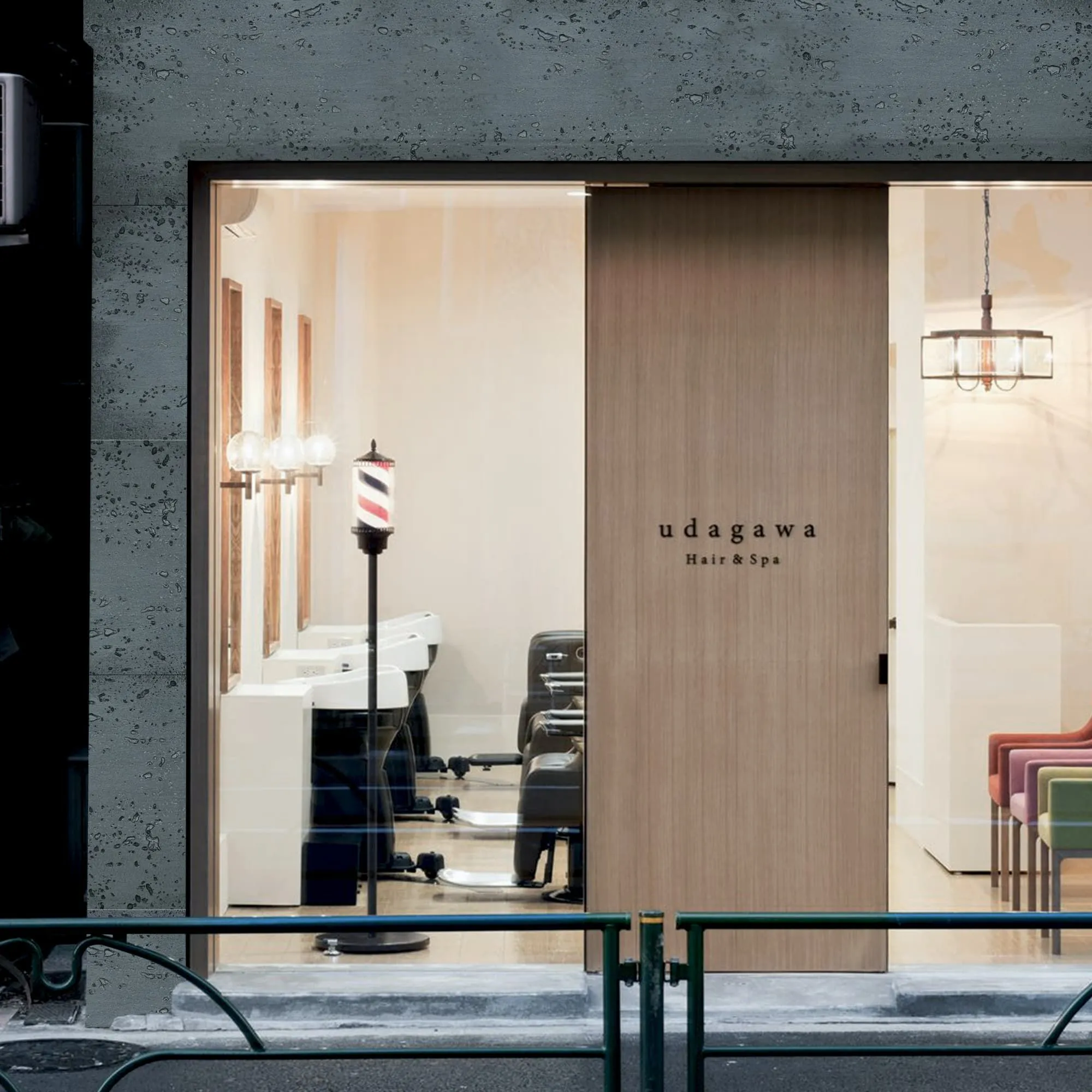
If you've ever walked past a building with travertine walls, you might have noticed its unique character—subtle pits, gentle veining, and a warmth that synthetic materials struggle to replicate. Vintage silver travertine takes this a step further, with a brushed or honed surface that tones down the stone's natural sheen, giving it a weathered, almost antique look that feels both modern and historic. But beauty alone isn't enough when it comes to exterior cladding. Your home's exterior has to battle rain, snow, UV rays, temperature swings, and even the occasional stray baseball or hailstorm. So, does travertine (vintage silver) have what it takes to be more than just a pretty face?
In this article, we'll dive deep into the durability of travertine (vintage silver) as an exterior wall cladding. We'll explore its natural properties, how it holds up against the elements, and how it stacks up against other popular materials like MCM flexible stone and fair-faced concrete. We'll also share real-world insights, maintenance tips, and help you decide if this elegant stone is the right choice for your project. Let's start by getting to know travertine (vintage silver) a little better.
First things first: travertine is a natural stone, formed over thousands of years by the slow accumulation of mineral deposits from hot springs and limestone caves. Think of it as nature's own art project—each piece is unique, with patterns and textures shaped by the water, temperature, and minerals present during its formation. Unlike marble or granite, which are dense and crystalline, travertine is porous, with tiny holes (called vesicles) that form as carbon dioxide bubbles escape during the stone's creation. These vesicles give travertine its signature look, but they also raise questions about its durability, especially outdoors.
Vintage silver travertine is a finish, not a separate type of stone. To achieve that muted, silvery-gray hue, the stone is typically honed (ground down to a smooth, matte surface) and then treated with a special sealant or dye that enhances its natural gray and silver undertones. The result is a stone that's less flashy than polished marble and more understated than rustic slate. It's the kind of material that looks just as good on a sleek modern home with floor-to-ceiling windows as it does on a cottage-style house with a gabled roof. But how does this finish affect its durability?
One of the key benefits of the vintage silver treatment is that it reduces the stone's reflectivity. Polished stones can fade over time when exposed to constant sunlight, as the shine wears off and the color dulls. Vintage silver, with its matte surface, starts with a more muted appearance, which means any fading that does occur is far less noticeable. Additionally, the honing process can smooth out some of the larger vesicles, making the stone slightly less porous than its more rustic counterparts. But make no mistake—travertine, even in vintage silver, is still a porous stone, and that porosity is both its charm and its Achilles' heel when it comes to exterior use.
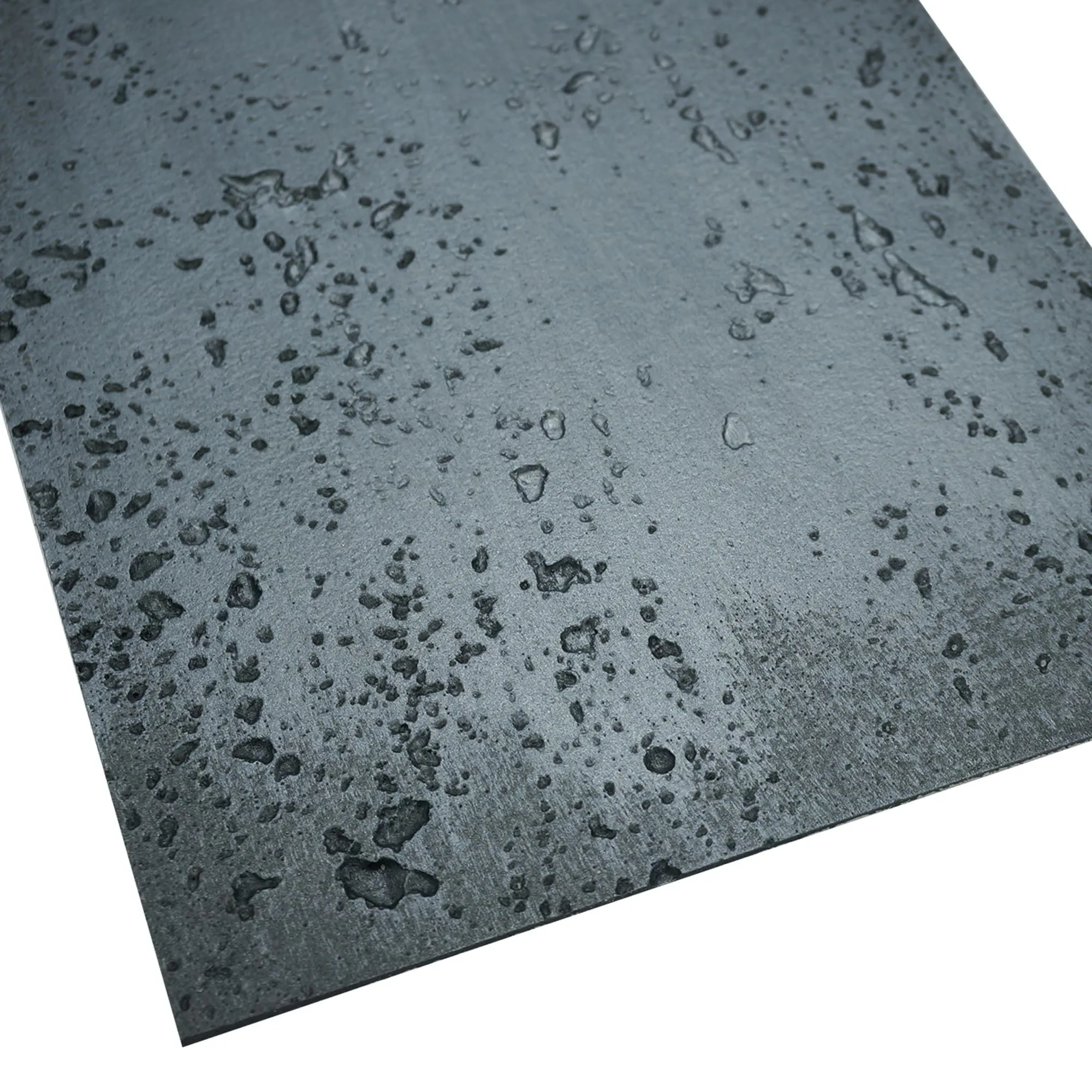
To determine if travertine (vintage silver) is durable for exterior cladding, we need to examine how it performs in several critical areas: weather resistance, porosity and sealing, impact resistance, and color retention. Let's break each one down.
Your home's exterior cladding is the first line of defense against the elements, so it needs to handle whatever Mother Nature throws its way. Let's start with rain. Travertine's porosity means it can absorb water, which sounds like a problem—but here's the catch: when properly sealed, that porosity becomes far less of an issue. A high-quality stone sealer acts as a barrier, preventing water from seeping into the stone's pores and causing damage like cracking or staining. In fact, many historic buildings around the world—think the Colosseum in Rome, which is made of travertine—have stood for centuries in rainy, snowy, and sunny climates, proving that travertine can endure when cared for.
Snow and freezing temperatures add another layer of complexity. When water freezes, it expands, and if that water is trapped inside the stone, it can cause the stone to crack (a process called freeze-thaw damage). But again, sealing is key here. A well-sealed travertine (vintage silver) panel will repel most water, reducing the risk of freeze-thaw issues. That said, in areas with extremely cold winters and heavy snowfall, you'll want to ensure the stone is sealed annually (more on maintenance later) and that your installer uses proper drainage behind the cladding to prevent water from pooling.
Then there's UV radiation. The sun's harsh rays can fade colors and degrade materials over time, but travertine's natural pigments are surprisingly resilient. Vintage silver, with its gray and silver tones, is less likely to fade dramatically than darker stones, which absorb more heat and UV light. In fact, some homeowners report that their vintage silver travertine walls develop a subtle "patina" over time—a slight darkening or softening of the color—that actually enhances the stone's character. It's not fading; it's aging gracefully, like a well-loved leather jacket.
We've mentioned porosity a few times, and for good reason—it's the single most important factor when it comes to travertine's durability outdoors. Travertine's vesicles (those tiny holes) are like little sponges, ready to soak up water, dirt, and stains. Left unsealed, a travertine wall could quickly become a breeding ground for mold, mildew, and unsightly discoloration. But here's the good news: modern stone sealers are incredibly effective. A penetrating sealer (as opposed to a topical one) soaks into the stone, filling the pores from the inside out and creating a hydrophobic barrier that repels water and oil-based stains.
For exterior travertine (vintage silver), we recommend using a high-quality, breathable sealer. "Breathable" is important because it allows any moisture that does seep in (say, from humidity or condensation) to evaporate, preventing trapped moisture from causing damage. Topical sealers, which sit on the surface, can peel or yellow over time, especially in direct sunlight, so they're better suited for indoor use. Penetrating sealers, on the other hand, last longer (typically 2–5 years outdoors, depending on exposure) and won't alter the stone's natural texture or appearance—so your vintage silver finish stays looking like vintage silver, not a shiny plastic coating.
But sealing isn't a one-and-done deal. Over time, sealers wear off, especially in high-traffic or high-exposure areas (like south-facing walls that get all-day sun). That's why regular maintenance—inspecting the sealer and reapplying as needed—is non-negotiable if you want your travertine (vintage silver) cladding to last.
Exterior walls don't just face natural threats—they also have to deal with human error. A stray soccer ball, a falling branch, or even a ladder slipping during gutter cleaning can all lead to dents, chips, or cracks. So, how tough is travertine (vintage silver) when it comes to impacts?
Compared to marble, which is relatively soft and prone to scratching, travertine is a bit harder (it ranks around 3.5–4 on the Mohs scale, while marble is 3–3.5). That means it's more resistant to scratches and minor impacts. However, it's still softer than granite (which ranks 6–7) or man-made materials like MCM flexible stone. A heavy object, like a large hailstone or a falling brick, could chip or crack travertine, especially along its natural veins or weaker areas around the vesicles.
The good news? Vintage silver travertine's textured surface can help hide small chips or scratches. Unlike polished stone, where a scratch would stand out like a sore thumb, the matte finish and subtle pits of vintage silver make minor imperfections far less noticeable. And if a larger chip does occur, professional stone repair services can often fill it in with a color-matched epoxy, making the damage nearly invisible. It's not indestructible, but it's certainly resilient enough for most residential and low-traffic commercial applications.
One of the biggest fears with natural stone cladding is color fading. No one wants to invest in a beautiful silver-toned wall only to have it turn a dull gray or yellow over time. So, how does travertine (vintage silver) hold up in this department?
First, it's important to note that all natural stones will change slightly over time. UV rays, pollution, and even rain can alter their appearance, but the extent depends on the stone's composition and finish. Travertine is primarily made of calcium carbonate, which is more stable than some other minerals (like the iron oxides that give red granite its color, which can fade in sunlight). Vintage silver travertine, with its neutral gray and silver base, is less likely to experience dramatic color shifts than, say, a vibrant red travertine or a blue stone with synthetic dyes.
In fact, many homeowners and designers actually prefer the way travertine ages. The slight weathering can add depth and character, making the stone look more integrated with its surroundings. For example, a vintage silver travertine wall in a coastal area might develop a subtle saltwater patina over the years, deepening its gray tones and enhancing its vintage charm. This isn't fading—it's evolution, and it's part of what makes natural stone so appealing.
That said, if you want to keep your travertine (vintage silver) looking as close to its original state as possible, regular sealing will help. Sealers not only protect against water damage but also act as a barrier against UV rays and pollutants, slowing down the aging process. It's a small price to pay for a material that only gets more beautiful with time.
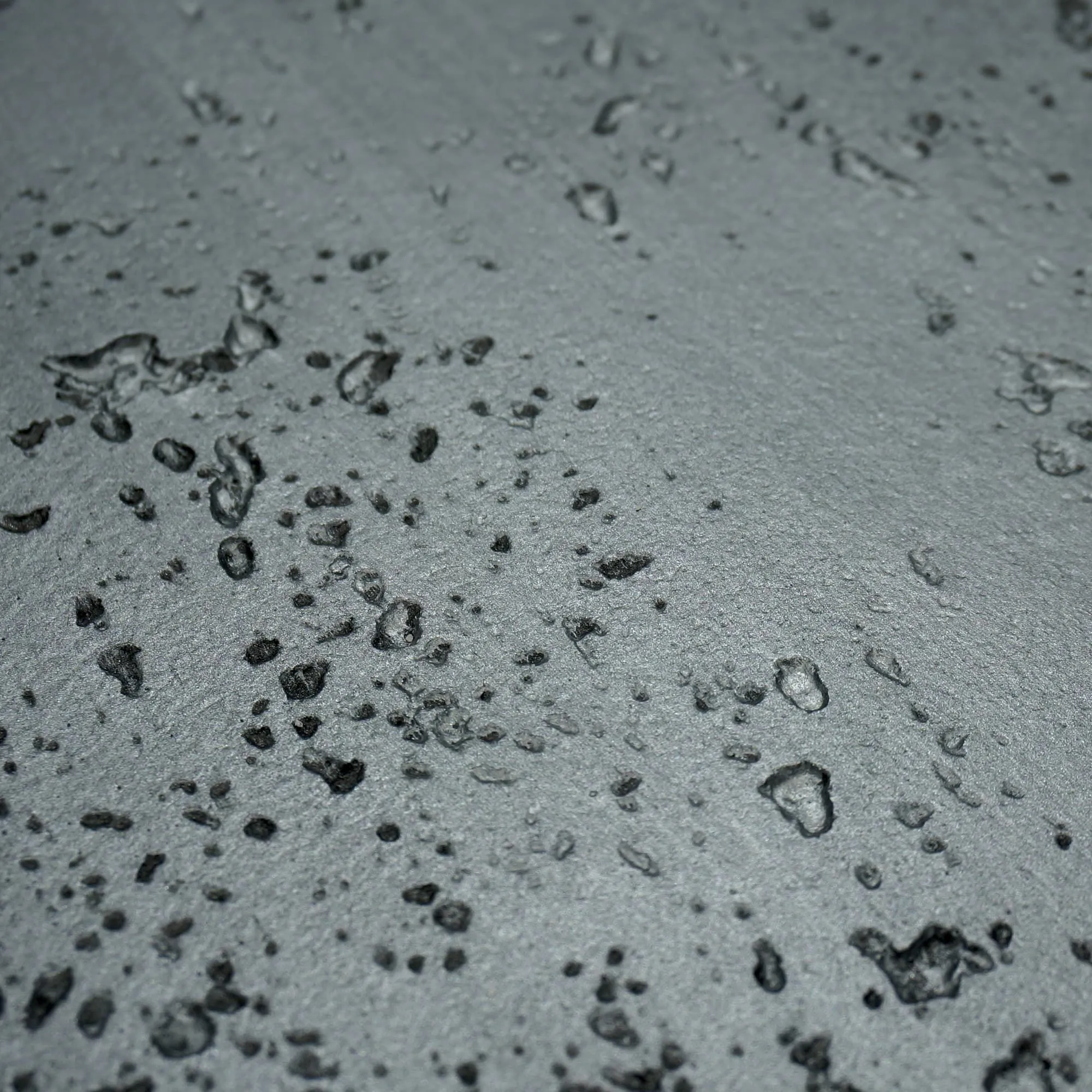
To really understand travertine (vintage silver)'s durability, it helps to see how it stacks up against other popular exterior cladding options. Let's take a look at three contenders: MCM flexible stone, fair-faced concrete, and lunar peak silvery (another trending finish).
| Material | Durability | Maintenance | Aesthetic Appeal | Cost | Installation |
|---|---|---|---|---|---|
| Travertine (Vintage Silver) | Good (with sealing); resists UV and weather, moderate impact resistance | Annual sealing, gentle cleaning | High; natural texture, warm, timeless, ages gracefully | Mid to high (natural stone) | Requires professional installation; heavy, needs sturdy support |
| MCM Flexible Stone | Excellent; lightweight, impact-resistant, waterproof | Low; occasional washing with soap and water | High; mimics natural stone, consistent patterns | Mid; more affordable than natural travertine | Easy; lightweight, can be cut to size, adhesive-backed |
| Fair-Faced Concrete | Excellent; fire-resistant, weatherproof, high impact resistance | Low; minimal sealing needed, resists stains | Industrial, modern; lacks natural warmth | Low to mid; affordable material, labor-intensive installation | Complex; requires formwork, prone to cracking if not installed properly |
| Lunar Peak Silvery | Very good; engineered stone, dense, low porosity | Low to moderate; sealing every 2–3 years | Modern, sleek; metallic sheen, uniform texture | Mid; more expensive than MCM, less than natural travertine | Moderate; lighter than natural stone, but still needs professional help |
MCM flexible stone (short for Modified Composite Material) is a man-made material that's been gaining popularity for its durability and versatility. It's made by mixing stone particles with polymers, creating a lightweight, flexible panel that mimics the look of natural stone. On paper, MCM flexible stone seems like a tough competitor: it's waterproof, impact-resistant, and requires almost no maintenance. So, why would anyone choose travertine over MCM?
The answer lies in authenticity. While MCM flexible stone can look convincing, it lacks the depth and uniqueness of natural travertine. Every piece of travertine (vintage silver) has its own story—its own vesicles, veining, and imperfections that can't be replicated in a factory. For homeowners who value natural materials and want their home to have a one-of-a-kind look, travertine wins hands down. Additionally, MCM flexible stone can fade or crack over time if exposed to extreme temperatures, whereas travertine's natural composition makes it more stable in harsh climates (with proper care).
Fair-faced concrete (also known as architectural concrete) is loved for its raw, industrial aesthetic and unmatched durability. It's fire-resistant, can withstand heavy impacts, and requires almost no maintenance. But let's be honest—concrete is cold. It lacks the warmth and organic feel of travertine, which can make a home's exterior feel unwelcoming. Travertine (vintage silver), with its soft gray and silver tones, adds texture and life to a facade, making it feel more like a part of nature than a man-made structure.
Concrete also has its own issues: it can crack over time due to settling or temperature changes, and repairs are often visible. Travertine, while more porous, is less prone to cracking (when properly installed) and can be repaired more seamlessly. For those who want a balance of durability and warmth, travertine (vintage silver) is the clear choice.
Lunar peak silvery is another finish that's been making waves in exterior design. It's often described as a "modern take on stone," with a smooth, almost metallic surface and a silvery-gray color similar to vintage silver travertine. But there's a key difference: lunar peak silvery is typically an engineered stone, made by combining natural stone particles with resins and pigments. This makes it denser and less porous than travertine, which can improve its durability in high-moisture areas.
However, engineered stones like lunar peak silvery lack the natural variation of travertine. Each panel is uniform, which can make large installations feel repetitive. Travertine (vintage silver), on the other hand, celebrates imperfection—no two pieces are exactly alike, creating a dynamic, organic look that's hard to replicate with engineered materials. For those who prioritize authenticity and character, travertine wins, even if it requires a bit more maintenance.
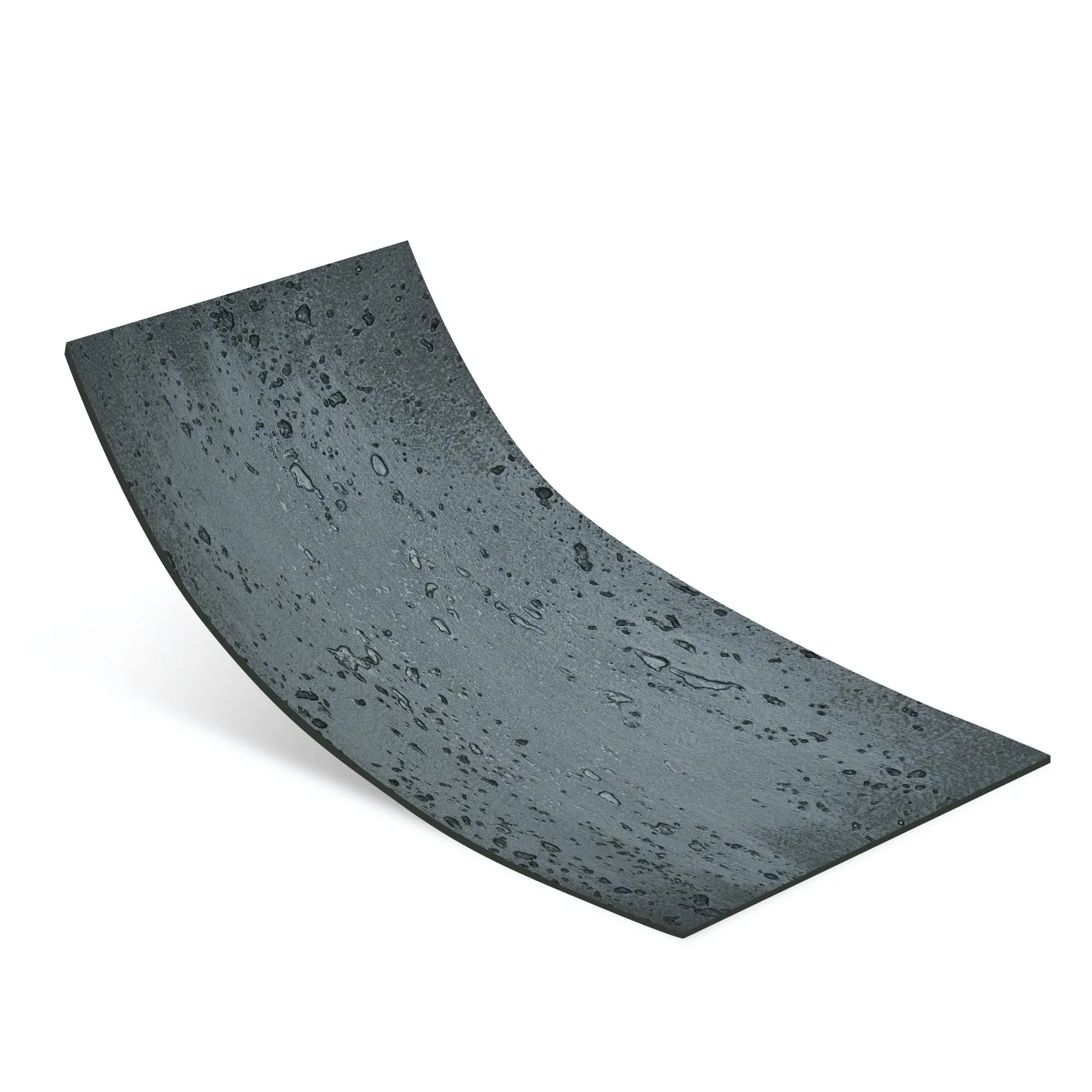
Sometimes, the best way to gauge a material's durability is to hear from people who've used it. Let's take a look at a few hypothetical (but realistic) case studies to see how travertine (vintage silver) performs in different environments.
Imagine a beach house in Cannon Beach, Oregon, where the exterior is exposed to saltwater spray, heavy rain, and strong winds for most of the year. The homeowner, Sarah, wanted a cladding material that could withstand the coastal elements but still look elegant. After researching options, she chose travertine (vintage silver) for the front facade.
Five years later, Sarah's travertine walls are still going strong. She has the stone sealed annually by a professional, and she rinses it with fresh water every few months to remove salt buildup. The result? The vintage silver finish has developed a subtle, weathered patina that complements the coastal landscape, and there's no sign of cracking, staining, or fading. "I was worried the saltwater would eat away at it, but it's held up better than I expected," Sarah says. "And honestly, I love how it looks now more than when we first installed it. It feels like it belongs here."
In Phoenix, Arizona, where temperatures regularly top 100°F in the summer and UV rays are intense, a local café owner named Mike decided to use travertine (vintage silver) for his outdoor patio walls. He wanted a material that would stay cool in the heat (natural stone absorbs less heat than concrete) and create a welcoming atmosphere for customers.
Three years later, the travertine walls are still in excellent condition. Mike had the stone sealed with a UV-resistant sealer during installation and reapplies it every 18 months. The walls have maintained their silvery-gray color, with no signs of fading, and the porous surface helps keep the patio area cooler by releasing moisture through evaporation. "We get a lot of compliments on the walls," Mike says. "Customers say it feels like a little oasis in the desert. And maintenance-wise, it's been a breeze—just a quick hose down every week and a professional sealing every year and a half. Totally worth the investment."
In Boston, a homeowner named James is restoring a 1920s colonial home and wanted to replace the original brick exterior with something that matched the home's historic charm but offered better insulation and durability. He chose travertine (vintage silver) for its timeless look and natural warmth.
Two winters and two summers later, the travertine walls have handled Boston's harsh weather—freezing temperatures, snowstorms, and humid summers—without issue. James notes that the stone's porous nature actually helps with moisture regulation, preventing mold and mildew in the humid months. "The brick was beautiful, but it was drafty and hard to maintain," he says. "The travertine not only looks better but has made the house more energy-efficient. We had a bad hailstorm last spring, and there wasn't a single chip. I was shocked. This stone is tougher than it looks."
We've talked a lot about maintenance, but let's get specific. With the right care, your travertine (vintage silver) exterior walls can last for decades. Here's what you need to do:
The bottom line? Travertine (vintage silver) isn't a "set it and forget it" material, but its maintenance requirements are minimal compared to the beauty and durability it offers. Think of it like caring for a hardwood floor—with a little effort, it will reward you with years of enjoyment.
After diving into its properties, comparing it to other materials, and hearing real-world stories, the answer is a resounding yes —with a caveat. Travertine (vintage silver) is durable enough for exterior wall cladding when properly installed and maintained . Its natural porosity means it needs regular sealing to withstand water and stains, and it's not as impact-resistant as some man-made materials, but its beauty, warmth, and ability to age gracefully make it a standout choice for those who value authenticity and timeless design.
If you're willing to put in the minimal effort to seal and clean it, travertine (vintage silver) will reward you with a home exterior that turns heads, stands up to the elements, and only gets more charming with time. It's not the cheapest option, nor is it the lowest-maintenance, but for those who believe in investing in quality materials that tell a story, it's worth every penny.
At the end of the day, choosing exterior cladding is about balancing form and function. Travertine (vintage silver) doesn't just check the durability box—it elevates it, proving that a material can be both tough and beautiful. So, if you're dreaming of a home that feels like a work of art and a fortress against the elements, travertine (vintage silver) might just be the perfect fit.
Recommend Products












