
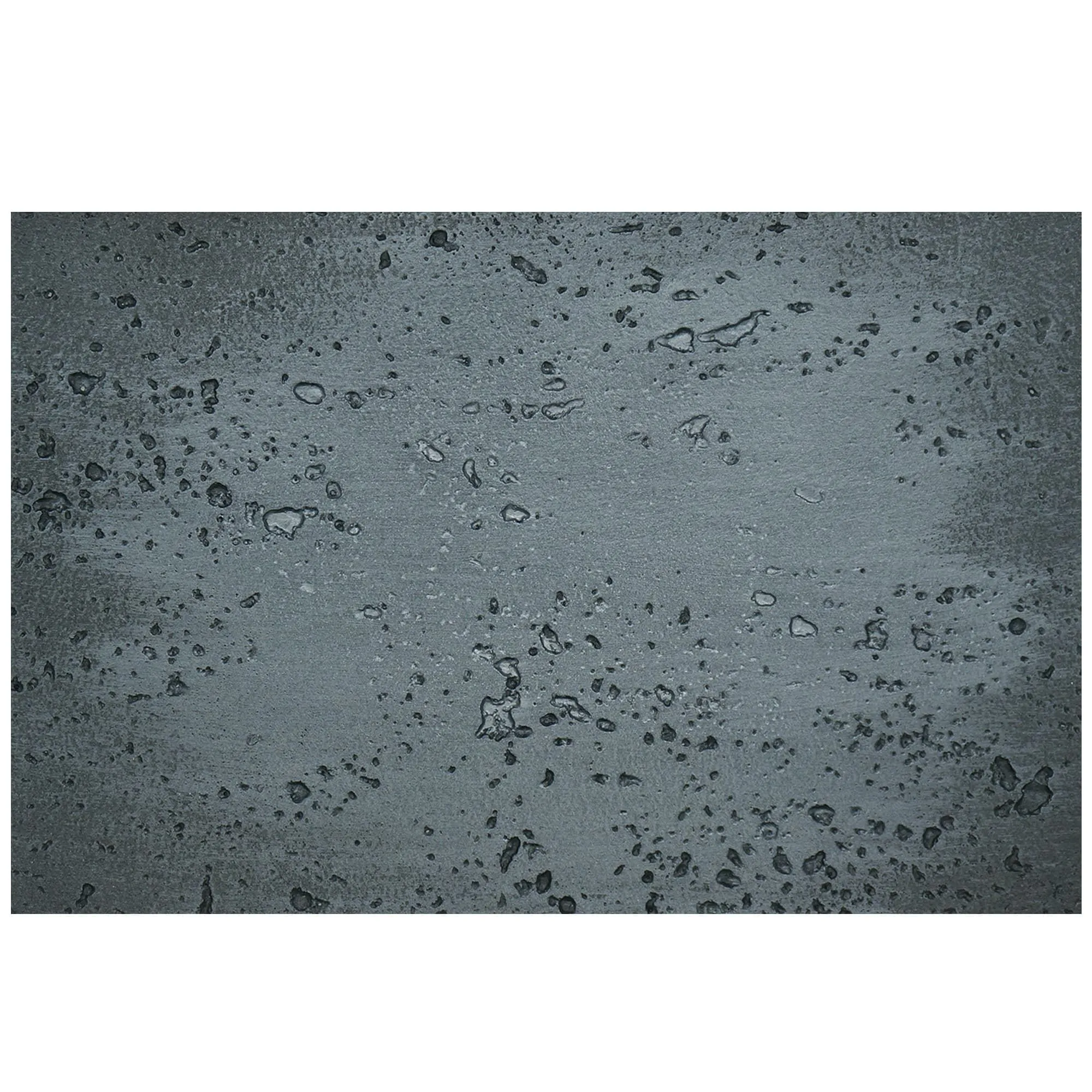
So you've fallen for the soft, silvery sheen of travertine (vintage silver) – and who could blame you? Its muted elegance, with subtle veins that catch the light like stardust, feels both timeless and modern. Whether you're dreaming of a kitchen backsplash that elevates your morning coffee routine or a bathroom wall that turns every shower into a spa-like escape, this stone has a way of making spaces feel intentional and warm. But before you commit, there's a big question lingering: just how resistant is it to stains and chemicals? After all, life happens – spills, cleaners, the occasional mishap – and you don't want your dream material turning into a maintenance nightmare. Let's dive in and find out.
Before we talk resistance, let's get to know the star of the show. Travertine is a natural stone, formed over centuries by mineral-rich hot springs depositing calcium carbonate. It's part of the limestone family but has a unique, porous texture that gives it character – think tiny holes and troughs that tell the story of its formation. Now, "vintage silver" isn't a geological term; it's a finish. Picture a stone that's been gently brushed or honed to a soft, matte glow, not the high-shine polish of marble. The result? A surface that feels lived-in yet refined, with a cool silver undertone that pairs beautifully with warm woods or bold accent colors.
You might also hear it mentioned alongside "mcm flexible stone" – that's because travertine (vintage silver) is often used in modern cladding systems, where flexibility and durability matter. MCM (Modified Composite Material) panels wrap buildings in thin, lightweight layers of stone, and vintage silver travertine fits right in, adding texture without weighing structures down. But even in these applications, the same question arises: can it stand up to the elements – and the chaos of daily life?
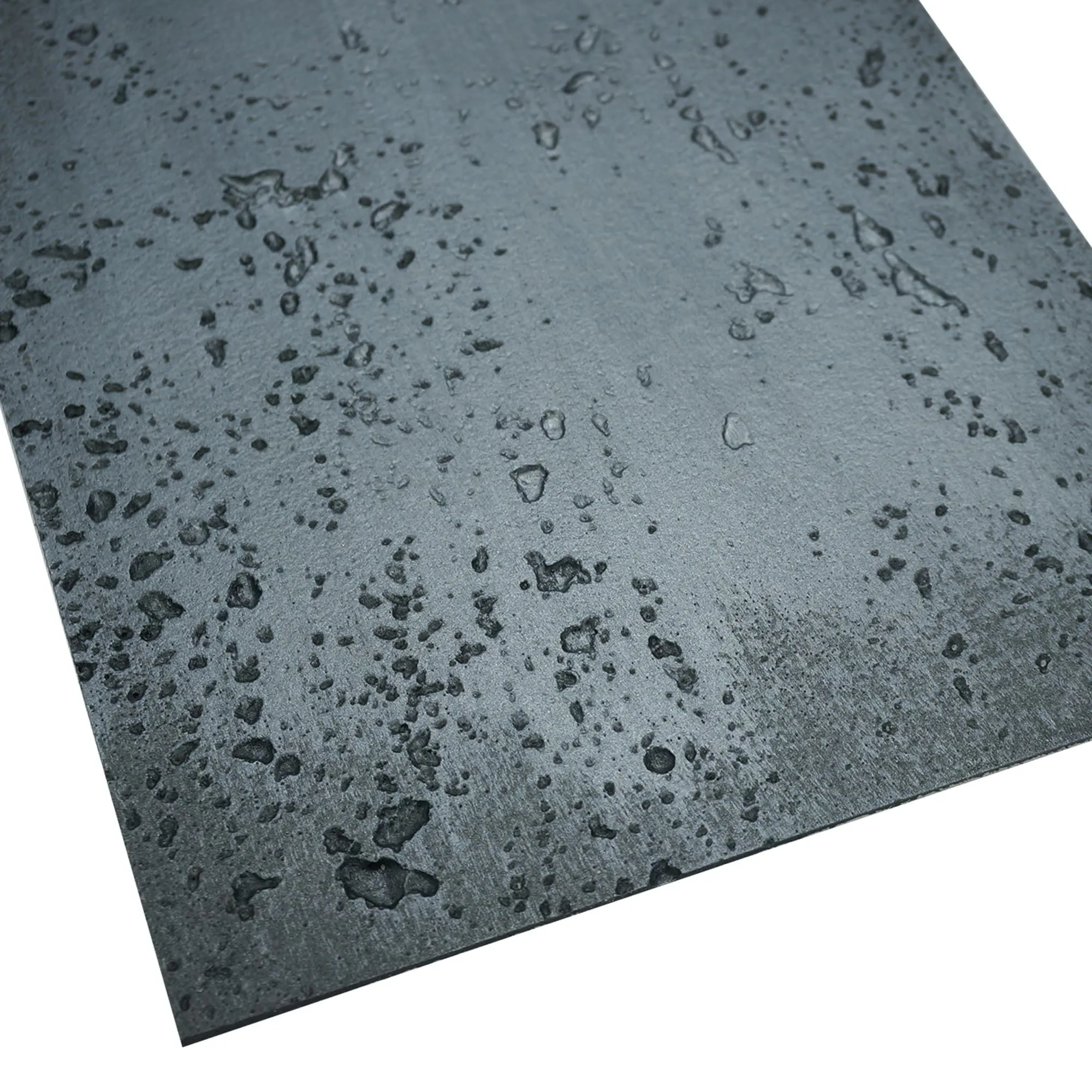
Here's the thing about natural stone: porosity is both its charm and its Achilles' heel. Travertine (vintage silver), like all travertine, has tiny pores – leftovers from gas bubbles trapped during its formation. These pores are what give the stone its unique texture, but they also mean liquids can seep in if left unchecked. So, is it stain-resistant? The short answer: it depends on sealing and the type of stain.
Unsealed travertine (vintage silver) will absorb spills quickly. A drop of red wine or a splash of olive oil could darken the stone within minutes, leaving a mark that's hard to erase. But here's the good news: sealing changes everything. A quality stone sealer fills those pores, creating a barrier that slows down absorption. Suddenly, that wine spill gives you time to grab a cloth and wipe it away before it sets. Think of it like a rain jacket for your stone – not impenetrable, but definitely protective.
Not all stains are created equal, though. Water-based spills (like coffee or juice) are easier to handle than oil-based ones (grease, makeup). Even with sealing, oil can sometimes find its way in if left too long, so quick action is key. And acidic substances? We'll get to those in the chemical resistance section – they're a different beast.
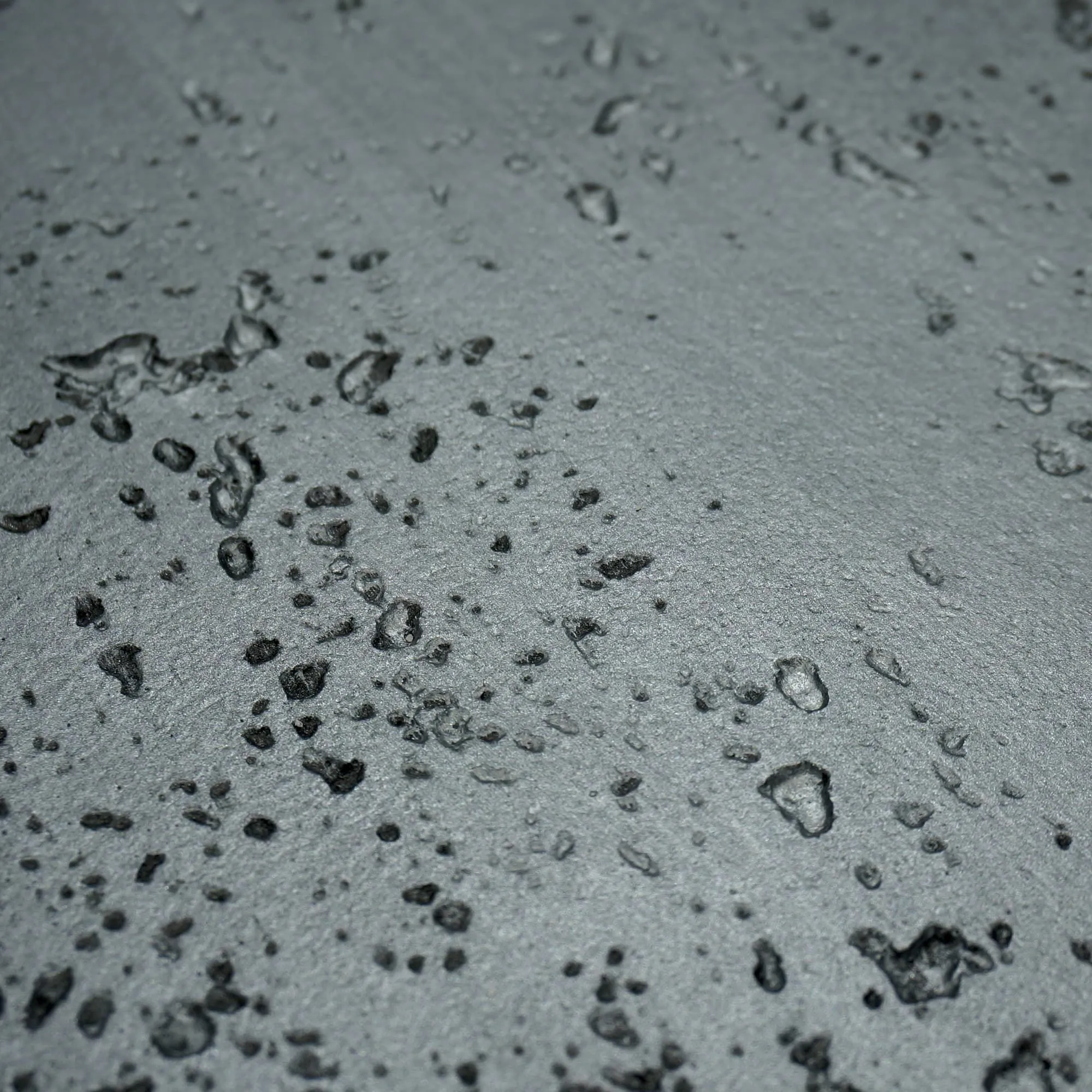
Now, let's talk about the cleaners under your sink and the accidental drips of bleach or vinegar. Travertine (vintage silver) is calcium-based, which means it's sensitive to acids. Think lemon juice, vinegar, toilet bowl cleaner, or even some multipurpose sprays – these can etch the stone's surface, leaving dull spots or tiny pits that ruin that smooth, vintage finish. Alkaline chemicals, like ammonia or bleach, are less likely to etch but can discolor the stone over time, especially if used repeatedly.
So, does that mean you're stuck using only fancy stone cleaners? Not exactly. Mild, pH-neutral cleaners (think dish soap diluted in water) are your best friend. They'll get the job done without harming the stone or stripping the sealer. And if you do accidentally spill something acidic? Blot it up immediately with a damp cloth – don't rub, which can spread the acid – and rinse with water. Quick thinking here can save you from permanent damage.
One more thing: outdoor use. If you're considering travertine (vintage silver) for a patio or pool deck, you'll need to factor in rain and pollution. Acid rain, in particular, can slowly etch the stone over time, even with sealing. That doesn't mean it's off-limits – just that you'll want to seal it more frequently (every 6 months instead of 12, maybe) and rinse it down after heavy rain to wash away any acidic buildup.
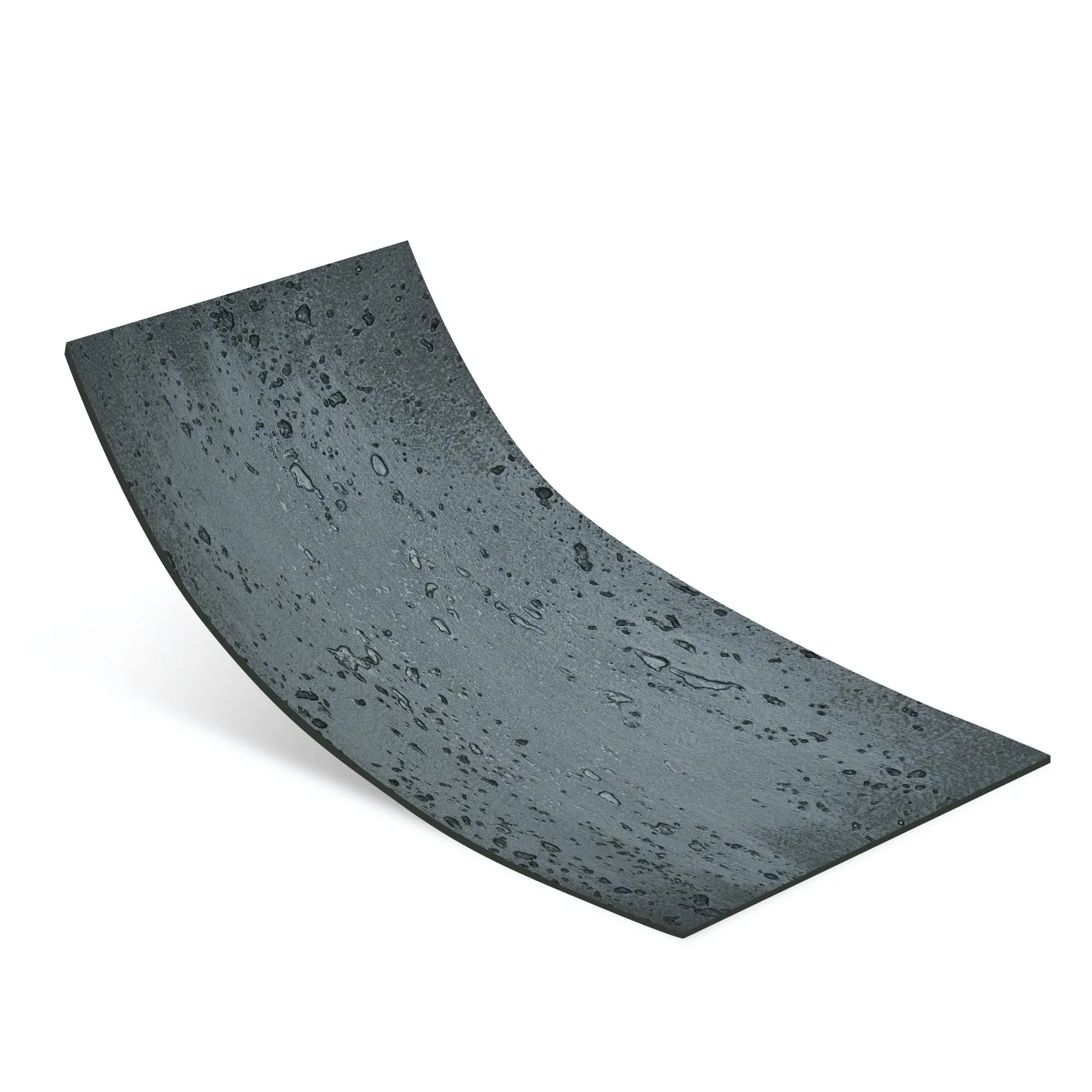
You might be wondering: is travertine (vintage silver) the right choice, or should I go with something more "low-maintenance"? Let's compare it to a few popular alternatives – fair-faced concrete, polish concrete, and wood grain board – to see how it holds up.
| Material | Stain Resistance (with Maintenance) | Chemical Resistance | Durability | Maintenance Level |
|---|---|---|---|---|
| Travertine (Vintage Silver) | Medium (requires sealing every 6-12 months) | Medium (avoids acids/alkalis; use pH-neutral cleaners) | High (resistant to scratches, chips with care) | Moderate (sealing, quick spill cleanup) |
| Fair-Faced Concrete | Low-Medium (porous; stains if unsealed) | High (resistant to most chemicals, including mild acids) | Very High (can handle heavy foot traffic, weather) | Low (seal once every 2-3 years; easy to clean) |
| Polish Concrete | High (dense, non-porous surface when polished) | High (resistant to oils, acids, and most cleaners) | Very High (no cracks, chips with proper installation) | Low (occasional resealing; wipe spills easily) |
| Wood Grain Board | Low (vulnerable to moisture, oil, and stains) | Low (can warp or discolor with chemicals, water) | Medium (prone to scratches, dents over time) | High (regular sealing, avoiding water, refinishing) |
As you can see, travertine (vintage silver) sits in the middle – not as hands-off as polish concrete, but more forgiving than wood grain board. Its charm lies in its natural beauty, which concrete can't replicate, and its durability beats wood by a mile. If you're willing to put in a little effort (sealing, quick cleanups), it's a trade-off that many homeowners find worthwhile.

Let's get practical. Where does travertine (vintage silver) work best, and where might it struggle? In low-traffic, indoor spaces – think bedroom walls, living room fireplaces, or powder room vanities – it's a rockstar. These areas see fewer spills and harsh chemicals, so with regular sealing, you'll barely notice the maintenance. Kitchen backsplashes? Doable, but you'll need to seal more often (every 6 months) and wipe up grease splatters immediately. Bathrooms? Great, as long as you avoid using acidic cleaners and dry the stone after showers to prevent water spots.
Outdoors, it's a bit trickier but still possible. Covered patios or pool surrounds with minimal direct rain exposure work well. Just avoid areas where standing water pools (like near a sprinkler) – even sealed, prolonged moisture can lead to mildew. And if you live in a region with heavy acid rain, you might want to think twice, or budget for more frequent sealing.
Okay, so you're sold on the beauty – now how do you keep it that way? Here are a few pro tips:
Invest in a high-quality penetrating sealer (look for "impregnating" sealers that soak into the pores, not just coat the surface). Apply it when the stone is new, then every 6-12 months depending on use. Kitchens and bathrooms need more frequent sealing than living rooms.
Don't let spills sit! Grab a clean, dry cloth and blot (don't rub) the area. For oil-based spills, a little dish soap on a damp cloth can help lift the grease before it sets.
Stick to pH-neutral stone cleaners or mild dish soap diluted in water. Avoid anything with vinegar, lemon, bleach, or ammonia – even "natural" cleaners can be acidic.
Under glasses, vases, or appliances (like blenders or toasters) – this prevents scratches and water rings. In the bathroom, a bath mat will protect the stone from standing water.
At the end of the day, travertine (vintage silver) isn't the most low-maintenance material out there – but it's far from high-maintenance, too. Its stain and chemical resistance, when paired with proper care, is more than enough for most homes and commercial spaces. What it lacks in "set it and forget it" convenience, it makes up for in character, warmth, and timeless appeal.
Think of it like a vintage leather couch – it develops a patina over time, and that's part of its charm. A small stain here or a tiny etch there tells the story of your life in that space: the morning coffee spills, the kids' art projects, the dinner parties with friends. If you're someone who values authenticity and is willing to put in a little effort to preserve beauty, travertine (vintage silver) might just be the perfect choice.
So go ahead – let that silvery glow light up your space. With a little love, it'll shine for years to come.
Recommend Products












