
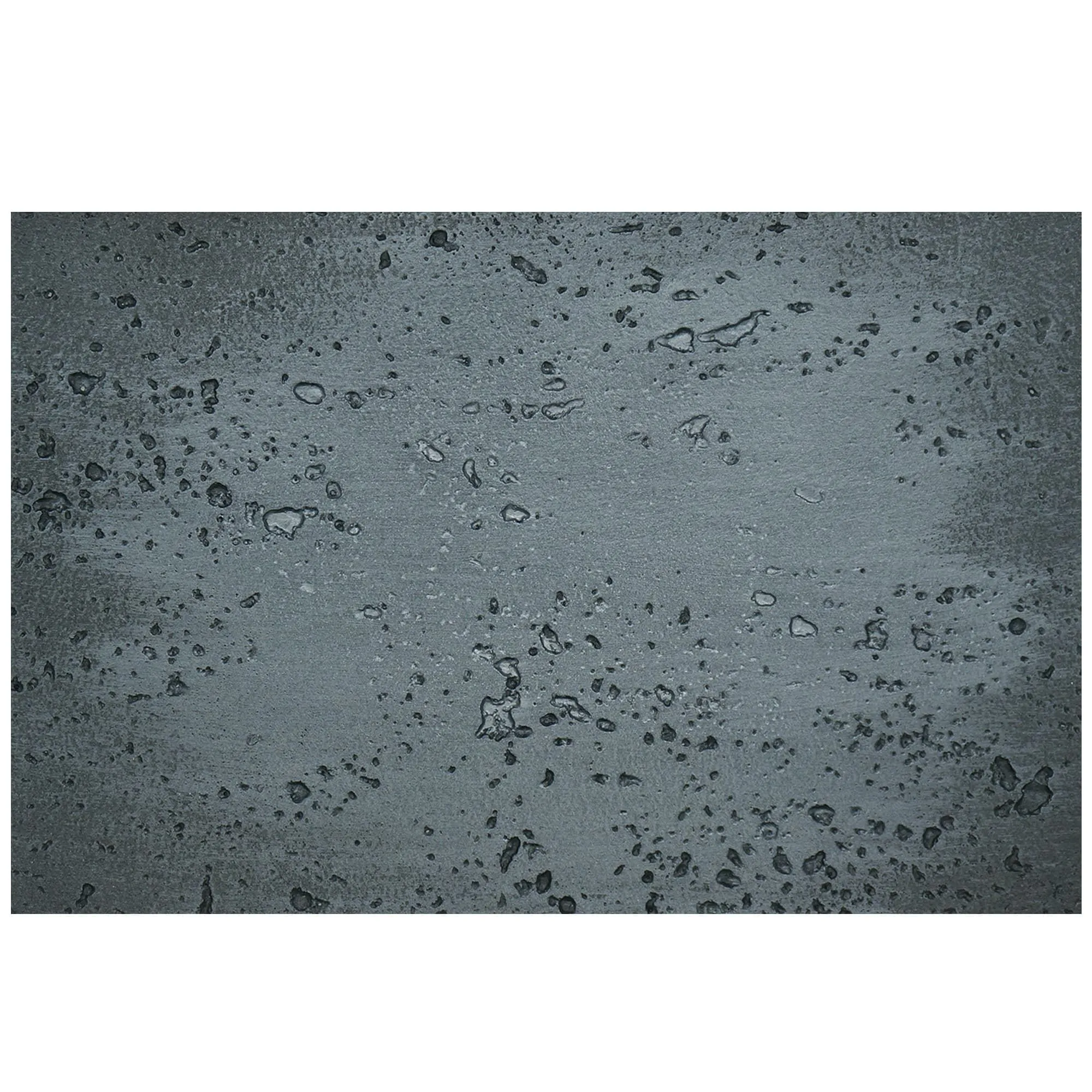
Picture this: You're standing in a sunlit room, surrounded by the soft glow of natural stone. The walls are clad in a material that shimmers like moonlight on water—subtle, elegant, with just enough texture to feel alive. That's the allure of travertine (vintage silver), a finish that blends the organic warmth of travertine with a muted, silvery-gray hue, evoking the charm of aged metal or weathered rock. But if this room sits in a high-humidity climate—say, a coastal home in Florida, a bathroom in a tropical villa, or a kitchen in a rainy Pacific Northwest city—you might pause. Does this beauty come with a hidden cost? Can travertine (vintage silver) truly hold its own when moisture lingers in the air like an uninvited guest?
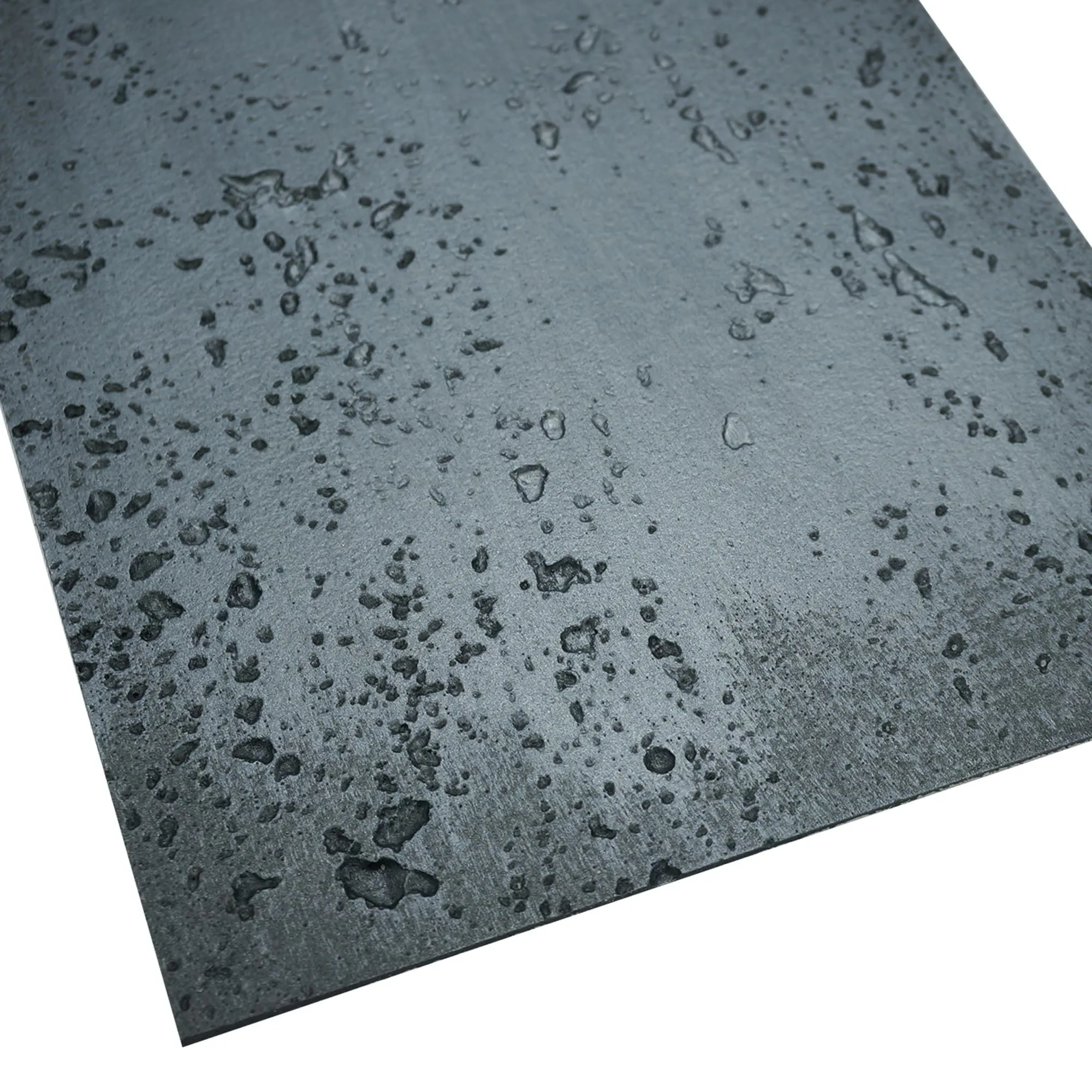
Before we dive into humidity, let's get to know the star of the show. Travertine itself is a type of limestone formed by mineral-rich hot springs, slow-dripped into layers over centuries. Its signature look? Tiny, naturally occurring holes (called "vugs") and soft, feathery veining, which give it a lived-in, earthy character. The "vintage silver" finish takes this classic stone and dials up the sophistication: it's often honed (matte, not polished) to reduce glare, with subtle silver undertones that soften the stone's natural beige or ivory base. The result? A surface that feels both timeless and modern, like a piece of history with a contemporary twist.
But here's the catch: travertine is porous. Those charming vugs and veins aren't just for show—they're tiny pockets that can absorb liquids if left unprotected. For dry climates, this porosity is rarely an issue. But in high-humidity environments, where moisture seeps into every crevice, porosity becomes a critical factor. So, does the vintage silver finish change the game?
High-humidity climates aren't just about rain or fog—they're about constant moisture. Think morning dew that lingers until noon, bathroom steam that clings to walls for hours, or coastal air thick with salt and mist. Over time, this environment tests a material's mettle in three key ways:
These aren't just technical concerns—they're practical ones. No one wants to invest in a beautiful backsplash or floor only to watch it develop dark water spots or fuzzy mold patches a year later. So, how does travertine (vintage silver) stack up?
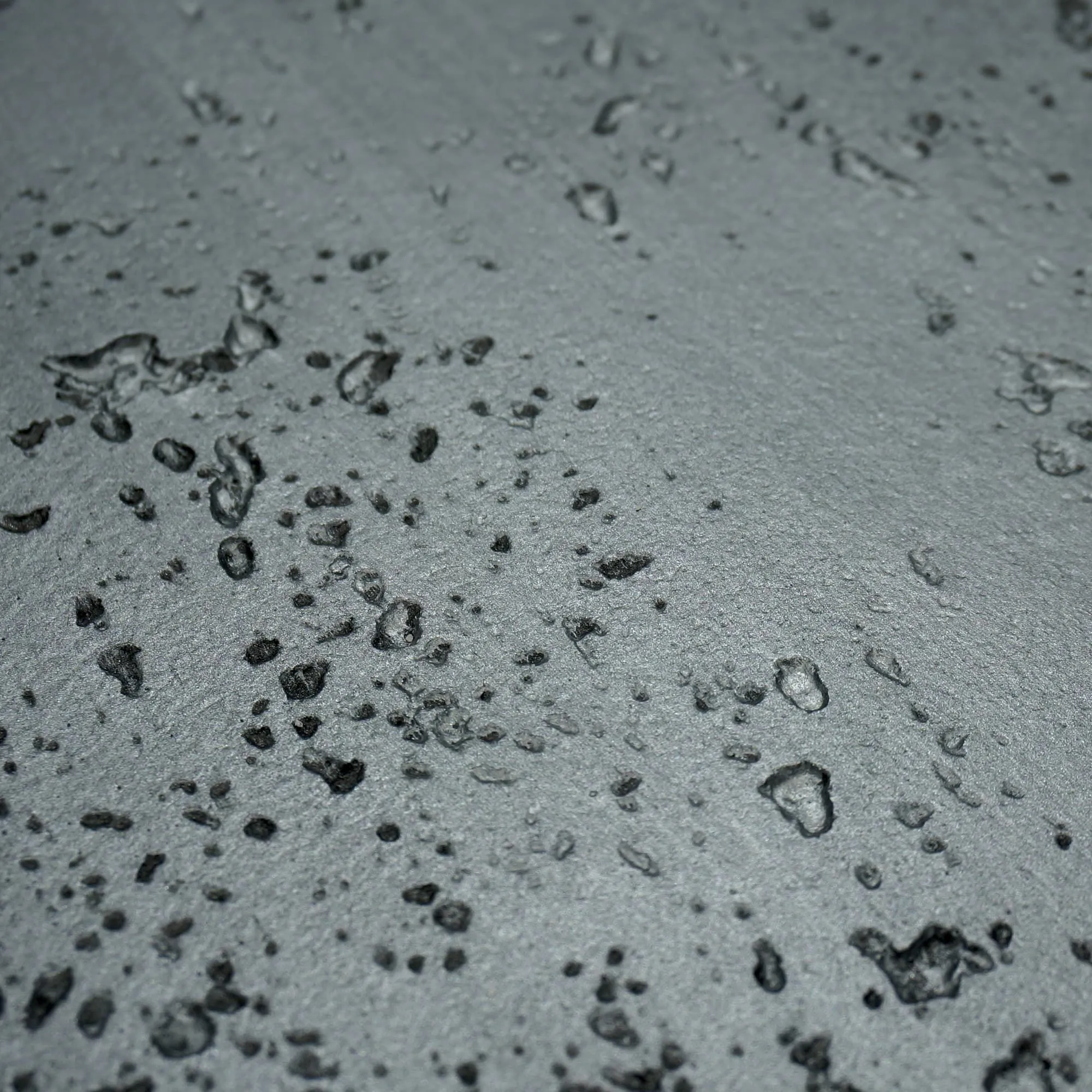
The Case For: Let's start with the positives. When properly sealed, travertine (vintage silver) can hold its own in moderate humidity. The vintage silver finish, often honed rather than polished, has a slightly rougher surface than polished travertine, which can actually improve traction in damp areas (think: bathroom floors where slips are a risk). Its neutral color also hides minor water spots better than lighter travertine varieties, like beige or ivory. And aesthetically? There's nothing quite like it. The silvery-gray tones complement the lush greens of tropical plants or the warm woods of coastal decor, adding depth without overwhelming a space.
Another plus: travertine is surprisingly durable. It's been used in ancient Roman architecture (the Colosseum, anyone?) for millennia, so it's no stranger to standing the test of time. In covered outdoor spaces—like a screened porch or a patio with a roof—it can even handle occasional rain, provided it's sealed.
The Case Against: Now, the reality check. Even with sealing, travertine (vintage silver) is still porous. Sealer acts as a barrier, but it wears off over time—especially in high-traffic, high-moisture areas. In a bathroom with daily showers, you might need to reseal every 1–2 years (more often than in dry climates). Skip a sealing, and those vugs become magnets for moisture, leading to staining or even efflorescence (a white, powdery residue from mineral deposits). Mold is another risk: if water pools in a corner or behind a fixture, the stone's pores can trap it, creating a hidden mold haven.
Worst-case scenario? Unsealed or poorly maintained travertine (vintage silver) in a humid kitchen could absorb spills, or in a coastal home, salt air might gradually etch the surface, dulling that silvery sheen. It's not impossible to manage—but it requires commitment.
To truly gauge travertine (vintage silver)'s suitability, let's stack it against a few popular alternatives for high-humidity spaces—all from the MCM lineup, known for innovative building materials. The table below breaks down key factors:
| Material | Water Absorption (Sealed) | Mold Resistance | Maintenance Needs | Aesthetic Vibe |
|---|---|---|---|---|
| Travertine (Vintage Silver) | Moderate (3–5% absorption rate) | Low to Moderate (needs sealing) | Biannual sealing; wipe spills promptly | Warm, organic, timeless with a silvery twist |
| Fair-Faced Concrete | Low (1–2% absorption rate) | High (dense, non-porous when sealed) | Annual sealing; resistant to staining | Industrial, sleek, modern |
| Foamed Aluminium Alloy Board (Vintage Silver) | Very Low (negligible absorption) | Very High (non-porous, moisture-proof) | Minimal (wipe with mild soap; resistant to corrosion) | Sleek, metallic, contemporary |
| MCM Flexible Stone | Low (2–3% absorption rate) | High (engineered for moisture resistance) | Low (occasional cleaning; no sealing needed) | Stone-like texture with added flexibility |
As the table shows, travertine (vintage silver) falls in the middle of the pack. It can't match the moisture resistance of foamed aluminium alloy or MCM flexible stone, but it offers a warmth and character those materials can't replicate. Fair-faced concrete, for example, is ultra-durable but leans cold and industrial—great for a modern loft, less so for a cozy coastal cottage. Travertine (vintage silver), by contrast, bridges the gap between nature and design, making it a favorite for spaces where "heart" matters as much as function.
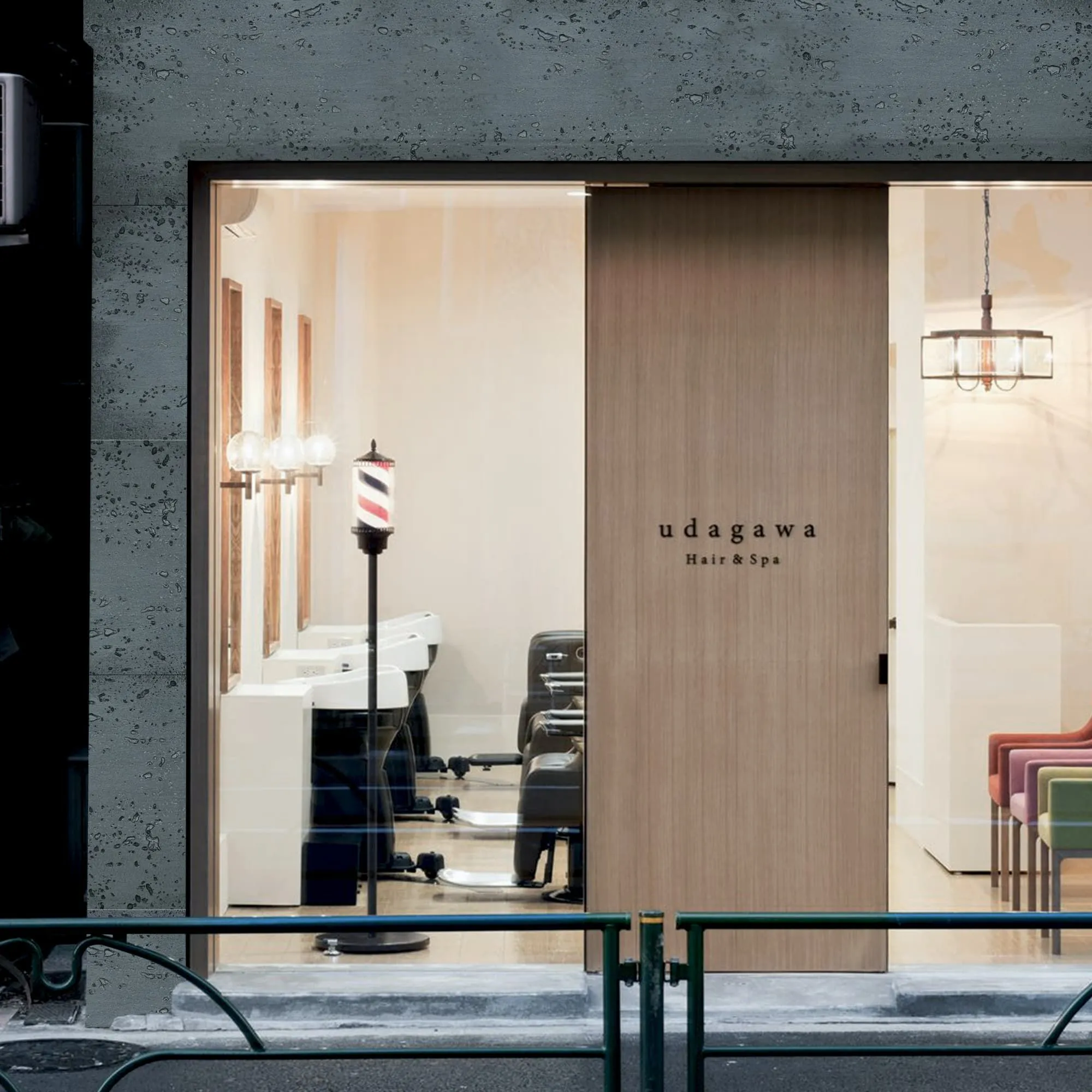
Let's ground this in examples. If you're designing a covered outdoor patio in a humid climate—say, Charleston, SC—travertine (vintage silver) could work beautifully. The overhead covering limits direct rain exposure, and with annual sealing, the stone can handle the ambient humidity. Pair it with wooden furniture and potted palms, and you've got a space that feels both elegant and relaxed.
On the flip side, a shower floor in a tropical bathroom? That's riskier. Even with sealing, constant standing water and steam could lead to mold in the grout lines or staining over time. Here, you might be better off with MCM flexible stone, which mimics travertine's texture but is engineered to repel moisture, or foamed aluminium alloy (vintage silver) for a sleek, low-maintenance alternative.
What about a kitchen backsplash ? This is a middle ground. Kitchens have humidity from cooking, but spills are usually wiped up quickly. With proper sealing, travertine (vintage silver) can thrive here, adding texture behind a stove or sink. Just avoid using harsh cleaners—stick to pH-neutral soap and water to preserve the finish.
If you're set on travertine (vintage silver) for a high-humidity space, don't despair—with the right care, it can last. Here's how to keep it looking its best:
Travertine (vintage silver) isn't the most low-maintenance choice for high-humidity climates, but it's far from impossible. If you prioritize natural beauty, texture, and a warm, timeless aesthetic, and you're willing to commit to regular sealing and care, it can work beautifully in covered outdoor spaces, kitchens, or bathrooms with good ventilation. Think of it like a luxury car—stunning to look at, but it needs regular tune-ups to perform its best.
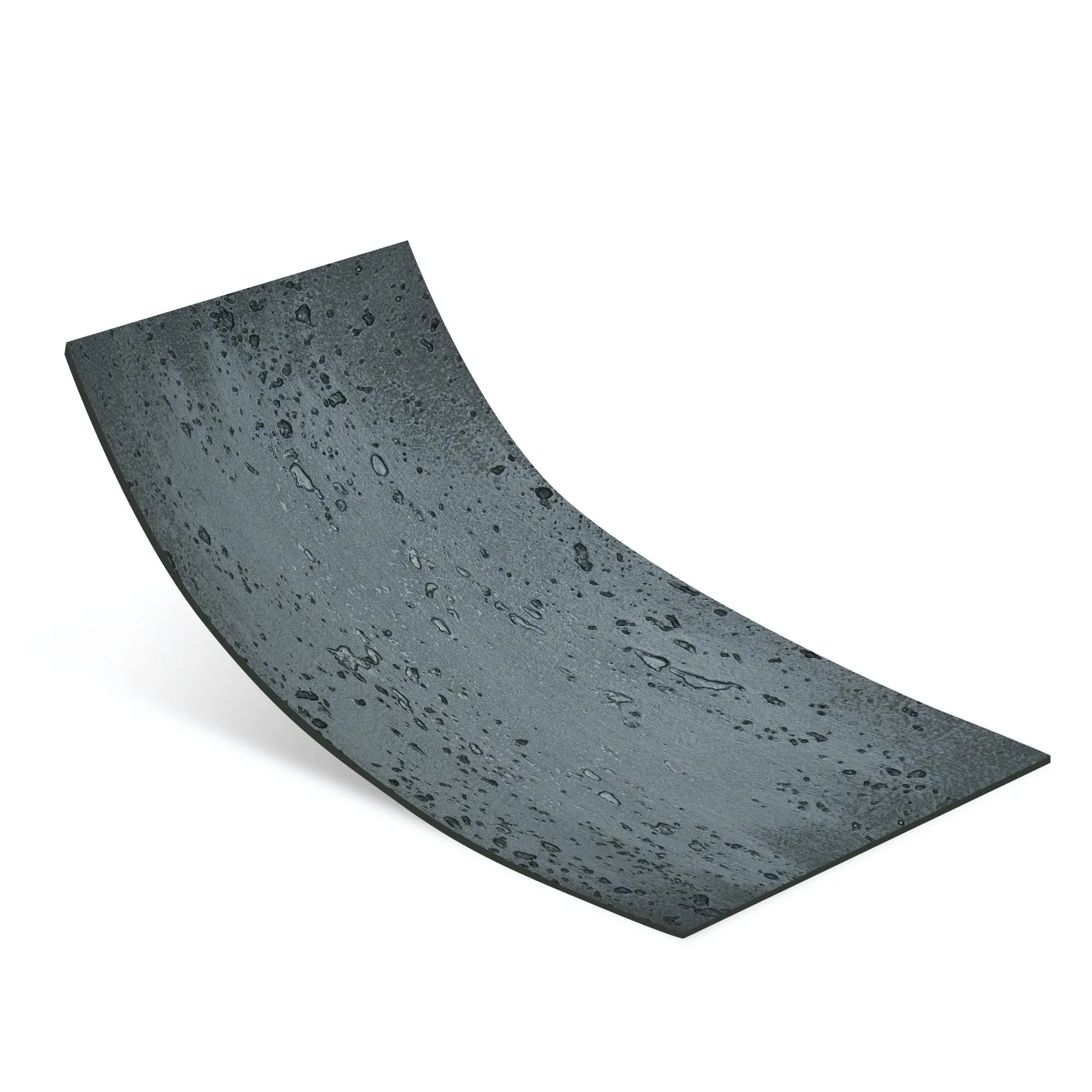
For those who want the travertine look without the upkeep, consider alternatives like MCM flexible stone (which mimics travertine's texture but with better moisture resistance) or fair-faced concrete (sleek and durable, though less organic). And if you're after that silvery sheen with zero hassle, foamed aluminium alloy board (vintage silver) is a standout—waterproof, mold-proof, and effortlessly modern.
At the end of the day, the choice comes down to balance: how much do you love travertine (vintage silver)'s unique charm, and how much time are you willing to invest in keeping it that way? In the right hands, even in high humidity, this stone can be more than just a material—it's a statement piece that brings warmth and character to every space it touches.
Recommend Products












