
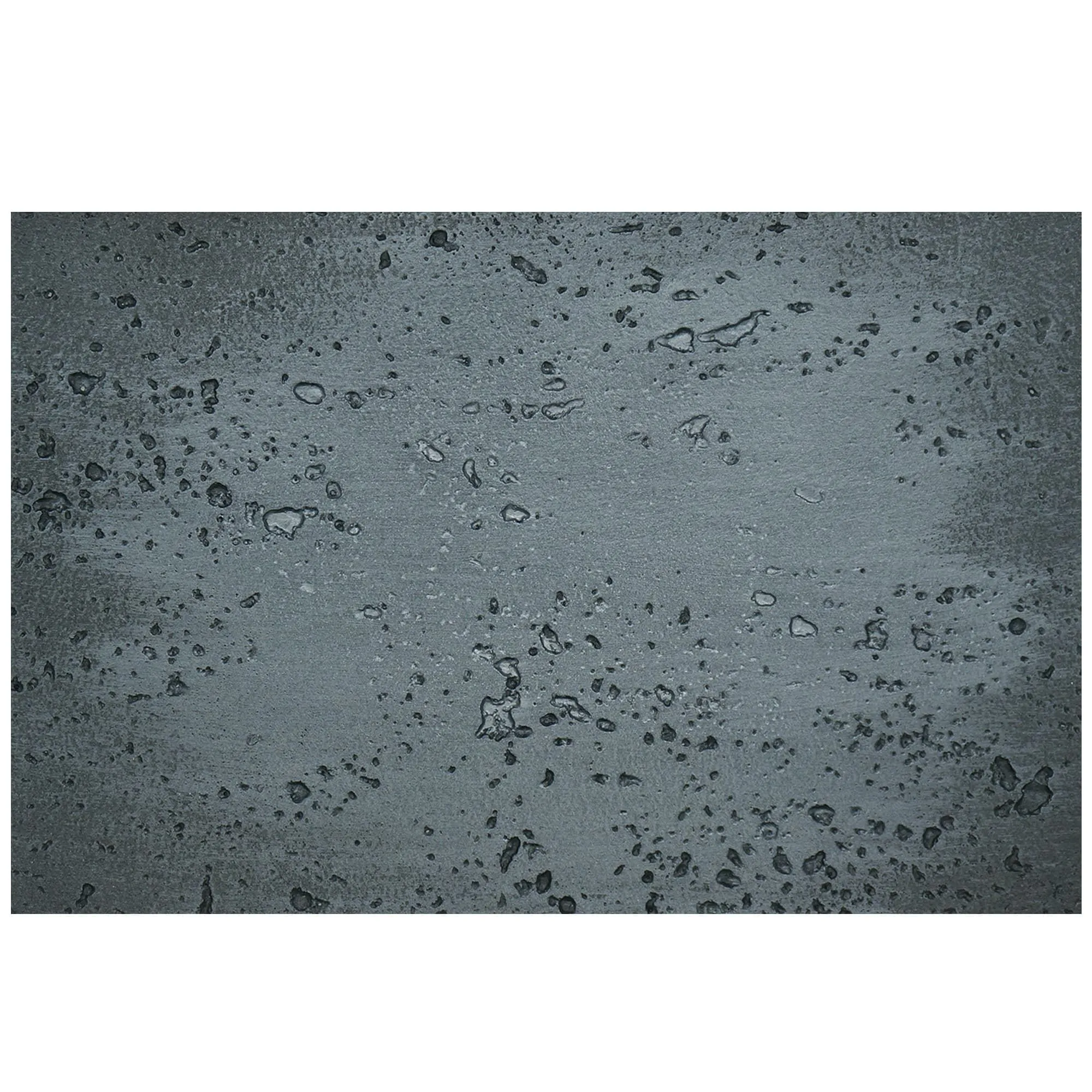
Walk into any bustling commercial space—a busy airport terminal, a crowded shopping mall, or a high-end hotel lobby—and you'll quickly realize that the flooring and wall materials aren't just there for show. They're working overtime: withstanding thousands of footsteps daily, resisting spills from coffee cups and food trays, maintaining their visual appeal through years of wear, and even contributing to the overall ambiance of the space. In such environments, choosing the right material is a balancing act between durability, aesthetics, and practicality. Lately, one material has been turning heads among architects and designers: travertine (vintage silver). But is this elegant, silver-hued stone really up to the challenge of high-traffic commercial areas? Let's dive in.
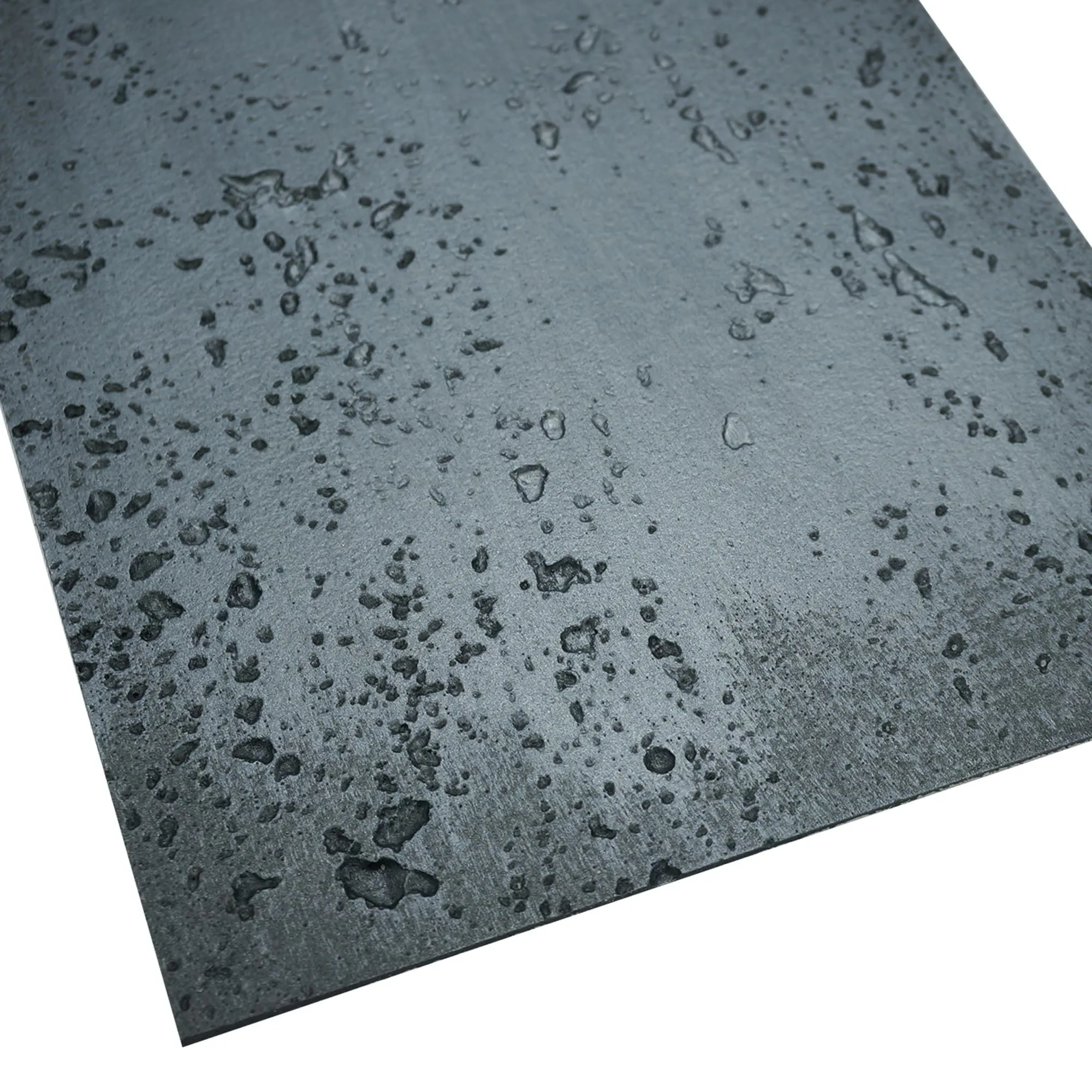
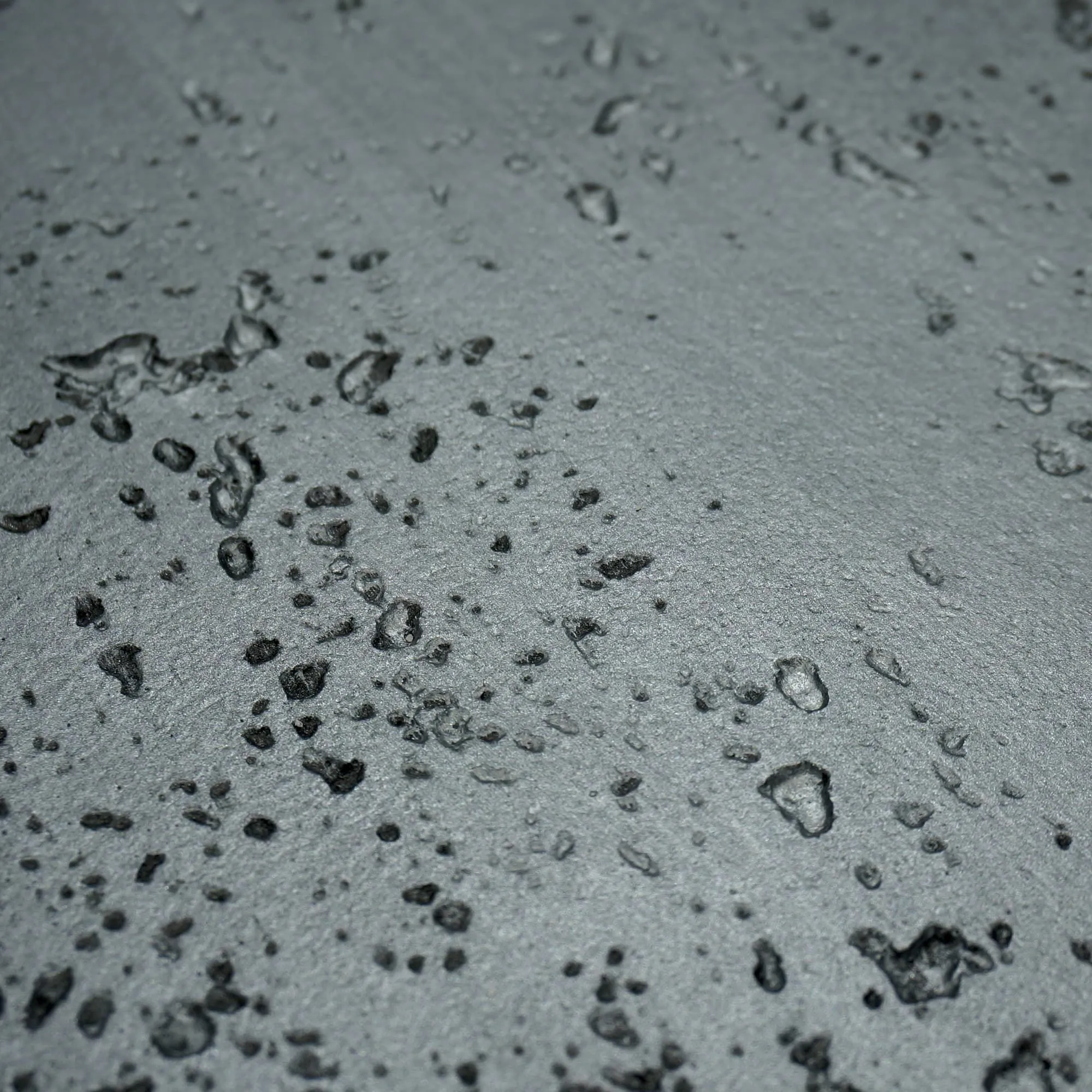
Before we judge its suitability for busy spaces, let's get to know travertine (vintage silver) a little better. Travertine itself is a natural stone, formed from mineral-rich hot springs over thousands of years. It's part of the limestone family but stands out for its unique porous texture and distinctive veining—those subtle, earthy lines that give each slab a one-of-a-kind look. The "vintage silver" finish is a modern twist: it's typically honed (not polished) to a soft, matte sheen that leans toward cool, silvery-gray tones, with hints of beige or taupe in its natural veining. Unlike high-gloss polished stones, this vintage finish has a lived-in elegance, like a well-loved antique that only gets more charming with time.
But travertine (vintage silver) isn't just about looks. It's a stone with character, and character matters in commercial design. Think of it as the "quiet luxury" of building materials—subtle enough to complement bold decor but striking enough to stand on its own. Now, the big question: can this stone handle the chaos of a space where hundreds (or thousands) of people pass through daily?
To answer whether travertine (vintage silver) is suitable, we first need to define the "job requirements" for materials in high-traffic zones. Let's break down the must-haves:
Now, let's put travertine (vintage silver) to the test against these criteria—and throw in a few comparisons with other popular commercial materials, like fair-faced concrete and rough granite stone (medium grey) , to see how it stacks up.
To really understand if travertine (vintage silver) is up to the task, let's compare it side-by-side with two common alternatives. We'll use a table to break down key factors, and then dive deeper into what each means for high-traffic spaces.
| Factor | Travertine (Vintage Silver) | Fair-Faced Concrete | Rough Granite Stone (Medium Grey) |
|---|---|---|---|
| Durability | High (natural stone hardness ~3-4 on Mohs scale); porous, but sealable | Very high (dense, resistant to cracks); prone to staining if unsealed | Extremely high (hardness ~6-7 on Mohs scale); less porous than travertine |
| Aesthetics | Warm, organic veining; vintage silver finish adds subtle elegance | Industrial, minimalist; uniform but can feel cold | Bold, granular texture; medium grey offers a strong, earthy look |
| Maintenance | Moderate (seal every 2-3 years; avoid harsh cleaners) | Low (seal once; easy to clean with water and mild soap) | Low (minimal sealing needed; resistant to stains) |
| Slip Resistance | High (honed/vintage finish = textured surface) | Medium (smooth finish can be slippery when wet; additives improve grip) | Very high (rough texture naturally slip-resistant) |
| Sustainability | Good (natural stone; responsibly quarried options available) | Fair (energy-intensive to produce; long lifespan offsets impact) | Good (natural stone; durable = less replacement waste) |
| Cost (Installed) | Mid-range ($12-$20/sq ft) | Low to mid-range ($8-$15/sq ft) | High ($15-$25/sq ft) |
At first glance, travertine (vintage silver) sits nicely in the middle—but let's unpack what these numbers really mean for a busy commercial space.
Travertine is a natural stone, formed by mineral deposits from hot springs, which gives it a unique structure—think of it as nature's version of a sponge, with tiny pores and channels running through it. On the Mohs hardness scale (which rates minerals from 1-10, with 10 being diamond), travertine clocks in at 3-4, making it softer than granite (6-7) but harder than marble (2-3). That means it's tough enough for most high-traffic areas, but not indestructible.
The "vintage silver" finish works in its favor here. Unlike polished travertine, which has a smooth, reflective surface, the vintage finish is honed—slightly textured, which helps hide small scratches and scuffs that might show up on a glossy surface. Think of it like a pair of vintage jeans: a little wear only adds to the character, rather than looking like damage.
But what about those pores? Left unsealed, travertine can absorb spills (hello, coffee stains in a hotel lobby!) and become a breeding ground for bacteria. The solution? A high-quality penetrating sealer, applied during installation and reapplied every 2-3 years. Modern sealers are designed to fill those pores without changing the stone's natural look—so you get the beauty of travertine without the maintenance headache. Many commercial spaces that use travertine (including airports and upscale malls) swear by this step, reporting that sealed travertine holds up to daily foot traffic for 10+ years.
Compare this to fair-faced concrete : it's dense and tough, but it's not impervious. Without sealing, it can stain easily (ever seen a concrete floor with permanent oil spots?), and while it's resistant to cracks, heavy impacts (like a dropped pallet in a retail stockroom) can still chip it. Travertine, with its natural flexibility (yes, stone can flex a little!), might actually handle minor shifts in the subfloor better than rigid concrete, reducing the risk of cracking over time.
High-traffic commercial spaces need materials that don't just look good on opening day—they need to maintain their appeal as the years pass. Travertine (vintage silver) has a secret weapon here: it's a natural material, which means no two slabs are exactly alike. The subtle veining, the soft silver-gray tones, and the slight variations in texture create a floor (or wall) that feels alive, not sterile.
Imagine walking into a luxury hotel lobby. If the floors were rough granite stone (medium grey) , you might get a sense of strength, but it could feel cold or imposing. Fair-faced concrete might read as industrial, which works for a trendy café but not for a space aiming for warmth and elegance. Travertine (vintage silver), on the other hand, strikes a balance: it's sophisticated without being fussy, timeless without feeling outdated. Its neutral color palette plays well with almost any design scheme—modern, classic, bohemian, you name it.
And here's the kicker: unlike synthetic materials (looking at you, vinyl plank), travertine doesn't fade in sunlight. So if your commercial space has large windows (think a mall atrium or a restaurant with floor-to-ceiling glass), you won't end up with uneven coloration over time. The vintage silver finish also means that as it wears, it develops a soft "patina"—a gentle glow that makes it look even more inviting, not worn out.
Let's be real: commercial cleaning crews have enough on their plates. They don't need a material that requires special cleaners, daily buffing, or constant attention. So how does travertine (vintage silver) fare here?
Sealed travertine is surprisingly low-maintenance. For day-to-day cleaning, a damp mop with mild soap (avoid acidic cleaners like vinegar, which can eat away at the sealer) is all it takes. Spills? Wipe them up quickly, and they won't penetrate the sealer. Even tough stains, like red wine or ketchup, can usually be removed with a baking soda paste and a soft brush—no harsh chemicals needed.
Compare this to rough granite stone (medium grey) : while granite is less porous, its rough texture can trap dirt and grime in the crevices, requiring more scrubbing to keep clean. And fair-faced concrete ? It's easy to clean, but scratches and stains can be harder to hide than they are on travertine's variegated surface. A small scratch on concrete might stand out like a sore thumb; on travertine, it might blend right into the natural veining.
The only "extra" step with travertine is resealing every 2-3 years. But let's put that in perspective: most commercial spaces schedule deep cleaning or maintenance shutdowns annually anyway, so adding a sealer application to that checklist is hardly a burden. And the cost? A gallon of high-quality sealer covers about 500 sq ft and costs around $50-$100—chump change compared to replacing a worn-out floor.
Slip-and-fall accidents are a major liability in commercial spaces, especially in high-traffic areas like entryways, food courts, or near water fountains. So how does travertine (vintage silver) perform here?
The key is in the finish. Polished travertine is smooth and can be slippery when wet—but we're talking about vintage silver , which is honed, not polished. Honed travertine has a slightly textured surface, like a gentle sandpaper, that provides excellent grip even when damp. In fact, the Americans with Disabilities Act (ADA) recommends honed natural stone for commercial spaces because of its slip resistance.
For extra peace of mind, some installers add a non-slip additive to the sealer, which increases traction without altering the stone's appearance. This is a common practice in areas prone to spills, like restaurant kitchens or mall food courts. Compare this to fair-faced concrete , which often needs a stamped or brushed finish (or added aggregates) to improve slip resistance—and even then, it might not match travertine's natural texture.
Modern businesses don't just care about how a material looks—they care about its carbon footprint. Travertine (vintage silver) has a few sustainability feathers in its cap:
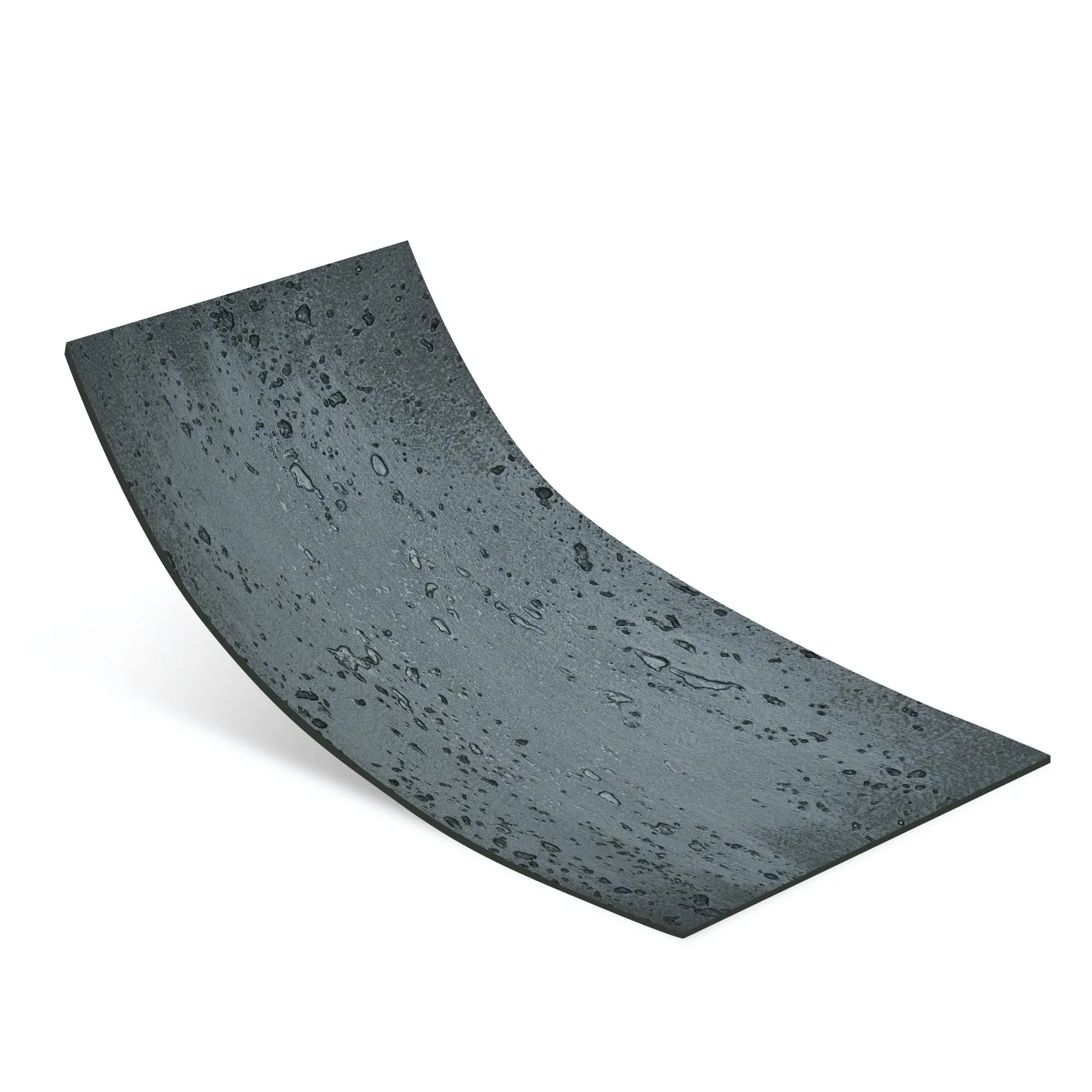
That said, no material is perfect. Quarrying does have environmental impacts, which is why it's important to source travertine from quarries with certifications like the Natural Stone Institute's "Sustainable Stone" program. And if sustainability is your top priority, you might also consider MCM flexible stone —a composite material made from recycled stone and polymers, which offers the look of natural stone with a smaller carbon footprint. But for businesses that want the real deal, travertine (vintage silver) is a solid eco-friendly choice.
Still on the fence? Let's look at a few real-world examples of travertine (vintage silver) thriving in high-traffic commercial spaces:
Riverfront Mall, a busy shopping center with over 50,000 visitors daily, renovated its main hall in 2018, choosing travertine (vintage silver) for the flooring. Five years later, the floors still look as good as new. "We were worried about stains from food court spills and constant foot traffic," says Maria Gonzalez, the mall's facilities manager. "But with regular sealing and daily mopping, the travertine has held up beautifully. The vintage finish hides scuffs, and the silver tone complements our modern decor. We've had zero complaints about slipping, even on rainy days."
The Skyline Hotel, a luxury boutique property near Miami International Airport, installed travertine (vintage silver) in its lobby and corridors in 2015. "We wanted a material that felt upscale but could handle luggage carts, rolling suitcases, and the occasional spilled cocktail," explains architect James Chen. "Travertine was the perfect fit. It adds warmth to the space, and after eight years, it still looks luxurious. We reseal it every 2 years during our annual maintenance, and it's been worth every penny."
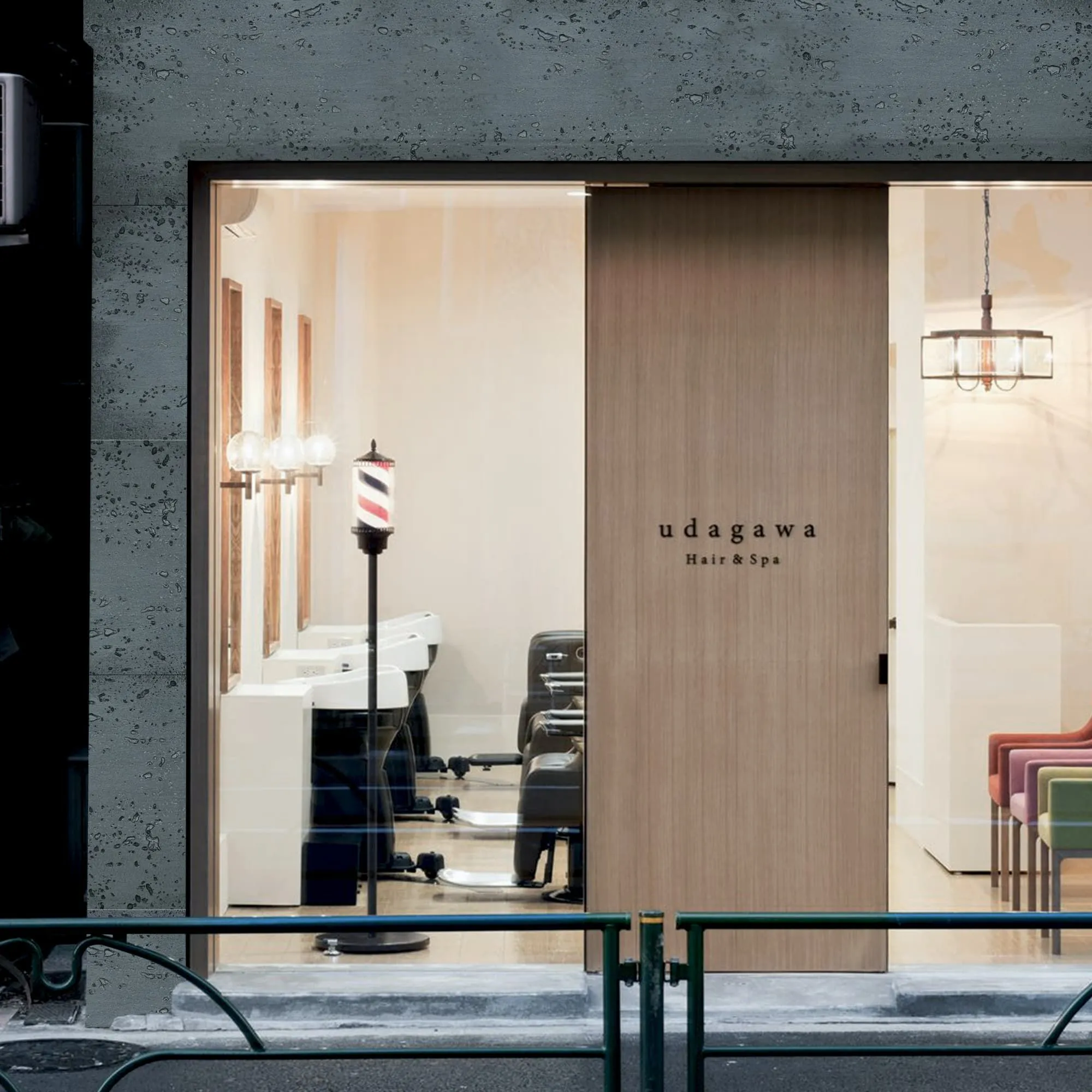
To be fair, travertine (vintage silver) isn't a magic bullet. There are a few potential downsides to consider before installing it in a high-traffic commercial space:
After weighing the pros and cons, travertine (vintage silver) emerges as a strong contender for high-traffic commercial areas—with a few conditions. It's durable enough for daily wear, beautiful enough to elevate your space, easy enough to maintain, safe enough to prevent slips, and sustainable enough to align with modern values. The key is proper installation (including sealing!) and regular maintenance (resealing every 2-3 years).
It's not the best choice for every space—if you're on an extremely tight budget, fair-faced concrete might be more practical. If you need something ultra-rough and industrial, rough granite stone (medium grey) could work. But for businesses that want to balance durability with beauty, travertine (vintage silver) is hard to beat.
Think of it this way: a commercial space is an investment, and the materials you choose are part of that investment. Travertine (vintage silver) isn't just a floor—it's a statement that your business values quality, timeless design, and attention to detail. And in a world where customers notice everything, that statement can make all the difference.
Recommend Products












