
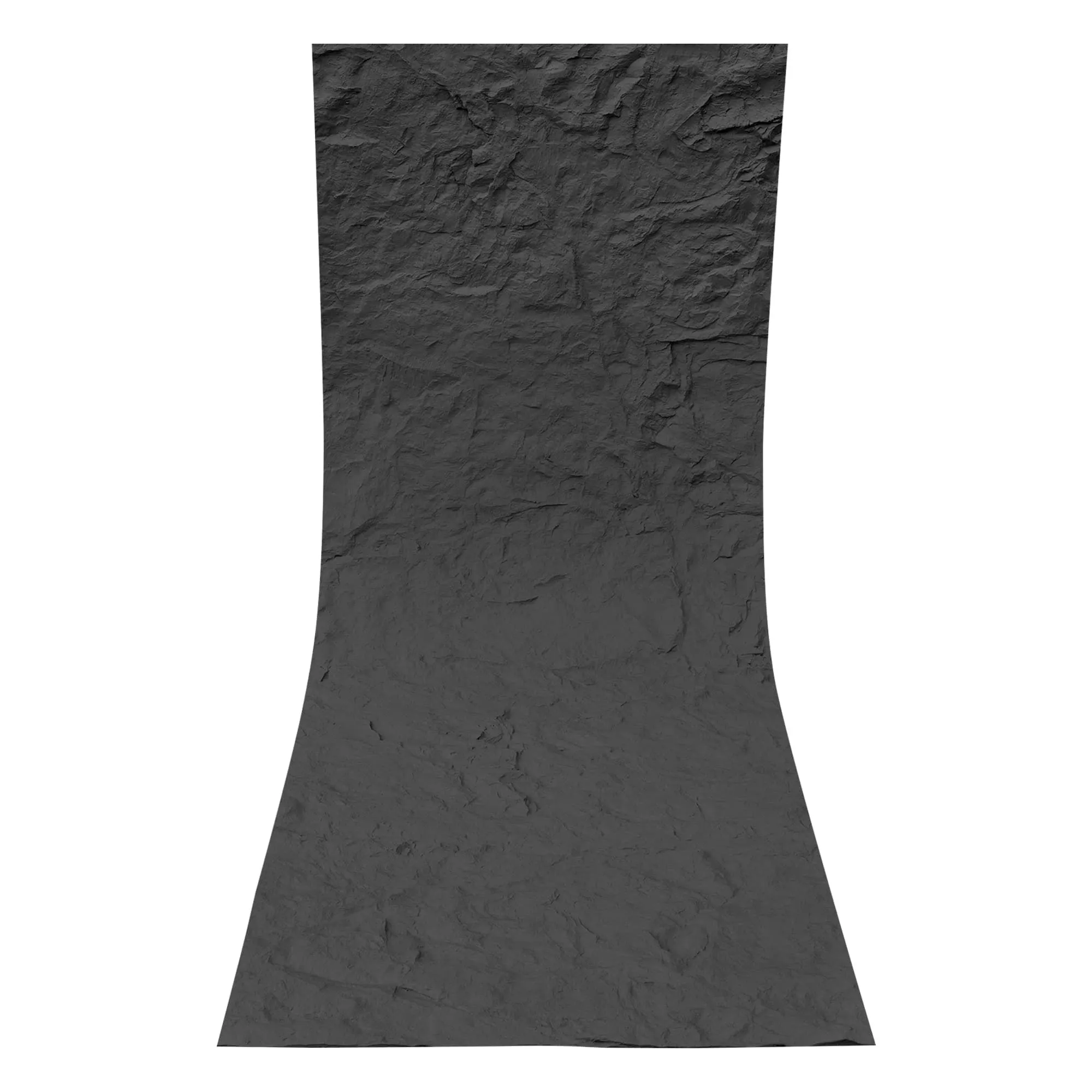
Sarah, an interior designer in Seattle, stared at the sample board in her studio, (brows furrowed). The vintage black boulder slab from COLORIA's MCM series had caught her eye months ago—its rich, weathered texture and deep charcoal hue perfectly matched the industrial-chic vibe her client wanted for their restaurant's outdoor patio. But there was a catch: Seattle's rainy season lasts half the year. "What if it soaks up water, warps, or fades?" she'd wondered. "A beautiful facade won't matter if it peels after the first storm."
If you've ever stood in Sarah's shoes—falling for a material's aesthetics but worrying about its real-world grit—you're not alone. For designers and homeowners alike, exterior cladding is a balancing act: beauty versus durability, style versus practicality. That's why we decided to dig into one of COLORIA's most sought-after products: the vintage black boulder slab . Is it just a pretty face, or can it stand up to the elements? Let's walk through COLORIA's rigorous weatherproof tests and find out.
Before we dive into the tests, let's talk about why waterproofing is non-negotiable for exterior materials. Water isn't just a nuisance—it's a silent destroyer. When moisture seeps into cladding, it can cause discoloration, mold growth, or even structural damage over time. For porous materials like traditional stone or concrete, this is a constant battle. Imagine investing in a stunning facade only to watch it develop water stains or crack after a few winters. That's the nightmare Sarah was trying to avoid.
Enter MCM flexible stone —COLORIA's flagship technology. Short for Modified Composite Material, MCM is a game-changer: it mimics the look and texture of natural stone but is engineered to be lightweight, flexible, and yes, highly resistant to water. But does the vintage black boulder slab —with its rugged, aged finish—live up to that promise?
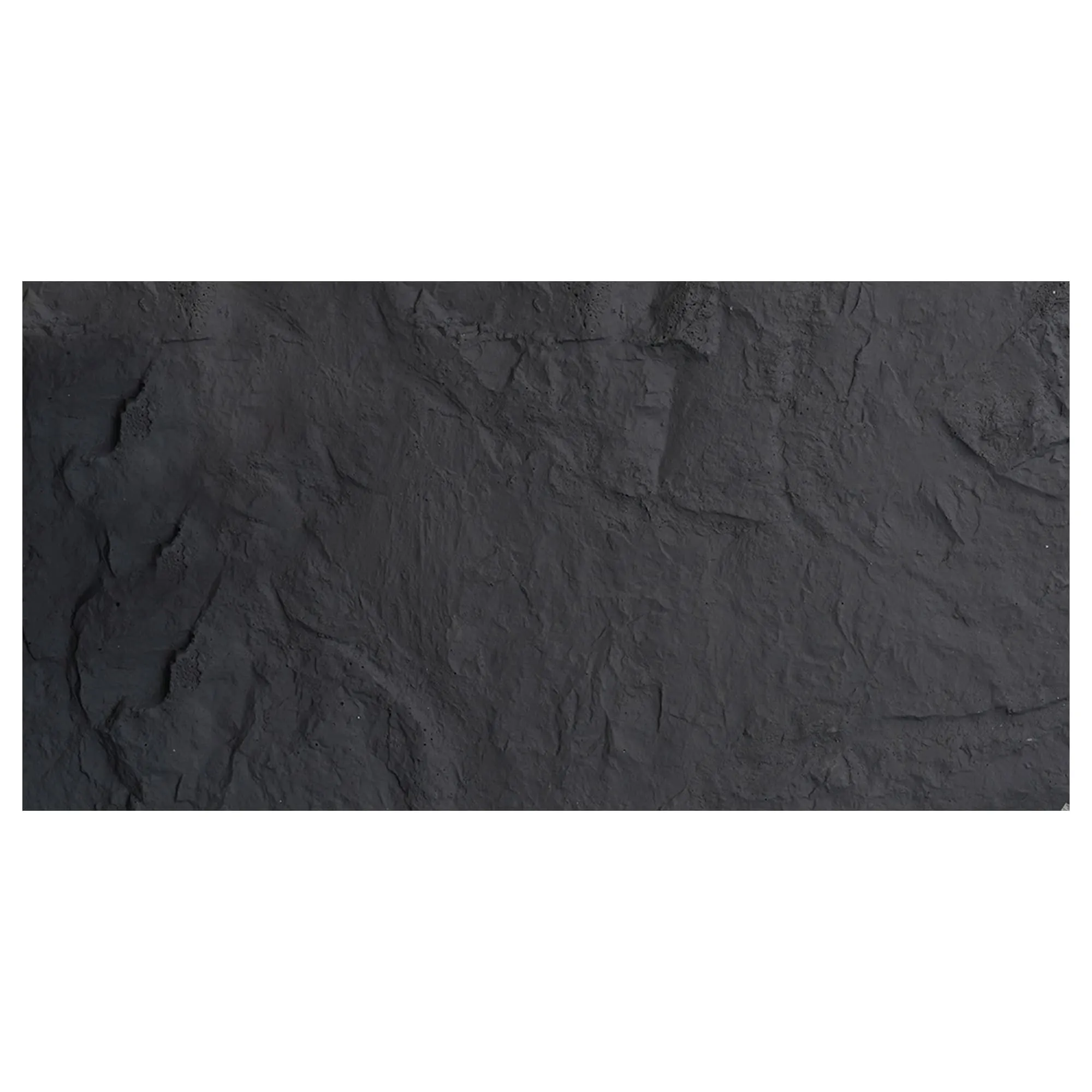
COLORIA's testing facility in Guangzhou isn't just a lab—it's a torture chamber for materials. We sat down with Li Wei, the lead materials engineer there, to watch the vintage black boulder slab go through its paces. "We don't just test for 'waterproof'—we test for 'weatherproof,'" Li explained, gesturing to a row of machines that simulate everything from monsoons to desert heat. "A material needs to handle rain, humidity, UV rays, and even freeze-thaw cycles if it's going to be used globally."
The first test? A 500-hour continuous water spray. Picture a (high-pressure water gun) blasting the slab at 30 PSI—about the force of a heavy downpour—for over 20 days straight. Afterward, Li measured water absorption: the vintage black boulder slab absorbed less than 0.3% of its weight in water. For context, traditional fair-faced concrete often absorbs 5-8% in the same test. "That low absorption is thanks to MCM's dense, resin-based core," Li said, tapping the slab. "Water can't penetrate the surface, so it beads right off—like water on a waxed car."
Next up: the humidity chamber. The slab was placed in an environment with 95% humidity at 40°C (104°F) for 30 days—think a tropical rainy season on repeat. When we checked it, there was no mold, no warping, and no color change. "Mold needs moisture to grow," Li noted. "Since the slab doesn't hold water, mold doesn't stand a chance."
The final test was the freeze-thaw cycle: 100 rounds of freezing the slab to -20°C (-4°F) and then thawing it to 20°C (68°F). This mimics harsh winter conditions where water inside materials expands and contracts, causing cracks. After 100 cycles, the vintage black boulder slab showed zero signs of damage. "Traditional stone would start to spall—small pieces breaking off—after 50 cycles," Li said. "MCM's flexibility lets it expand and contract without stress."
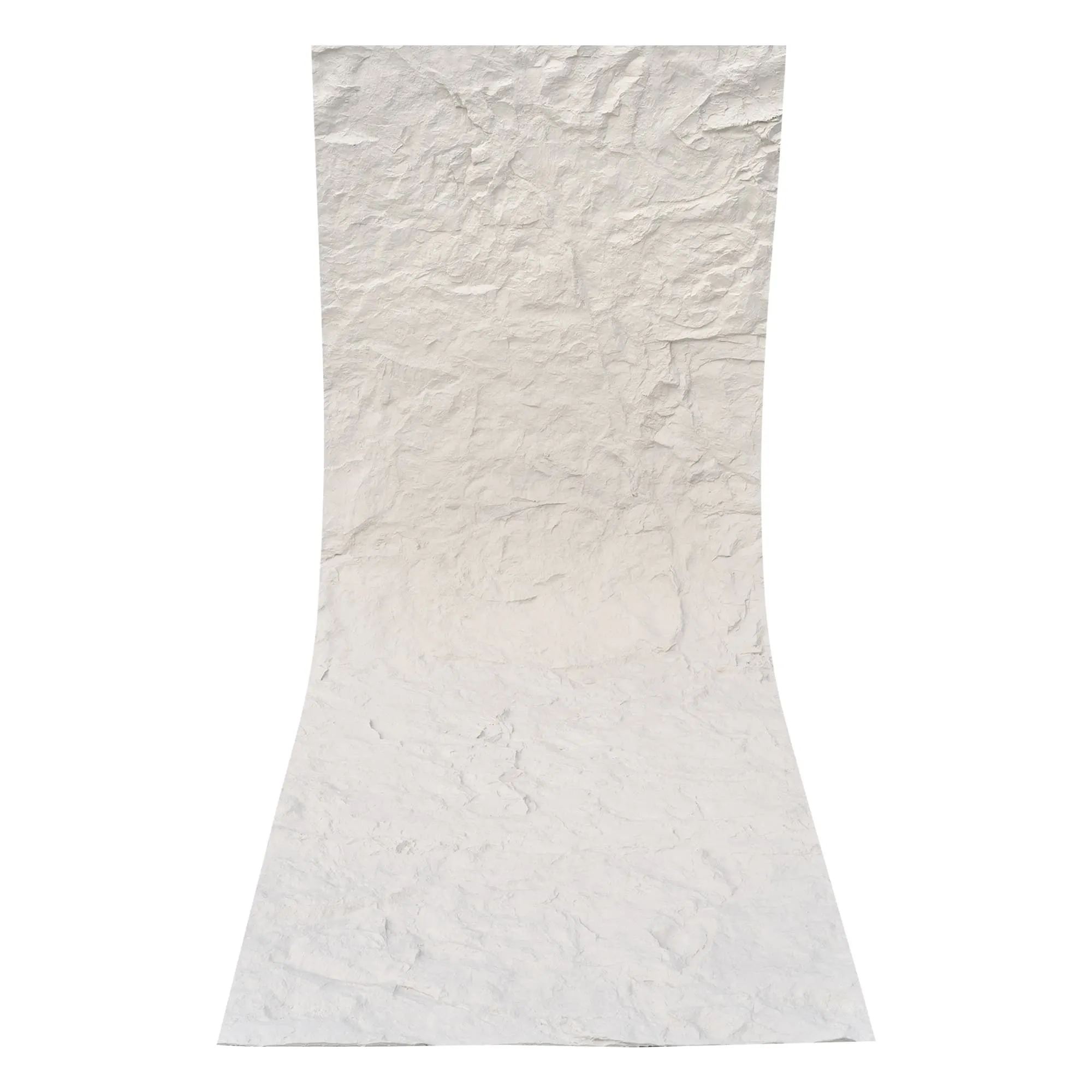
To put the results in perspective, we compared the vintage black boulder slab with two other popular options: fair-faced concrete (a classic choice) and COLORIA's own lunar peak black (a sleek, modern alternative). Here's how they fared:
| Feature | Vintage Black Boulder Slab (MCM) | Fair-Faced Concrete | Lunar Peak Black (MCM) |
|---|---|---|---|
| Water Absorption (500-hour spray) | 0.3% | 6.2% | 0.4% |
| Freeze-Thaw Resistance | 100+ cycles (no damage) | 45 cycles (spalling starts) | 100+ cycles (no damage) |
| Weight (per sq.m) | 4.5kg | 22kg | 4.2kg |
| Aesthetic Appeal | Rugged, aged black finish with subtle texture | Raw, industrial look (prone to staining) | Sleek, metallic black with a smooth surface |
The takeaway? While lunar peak black (another MCM product) performs similarly in waterproofing, the vintage black boulder slab stands out for its unique, weathered charm—a look that's hard to replicate with smooth finishes. And compared to fair-faced concrete , it's lighter, more durable, and far less likely to show water damage.
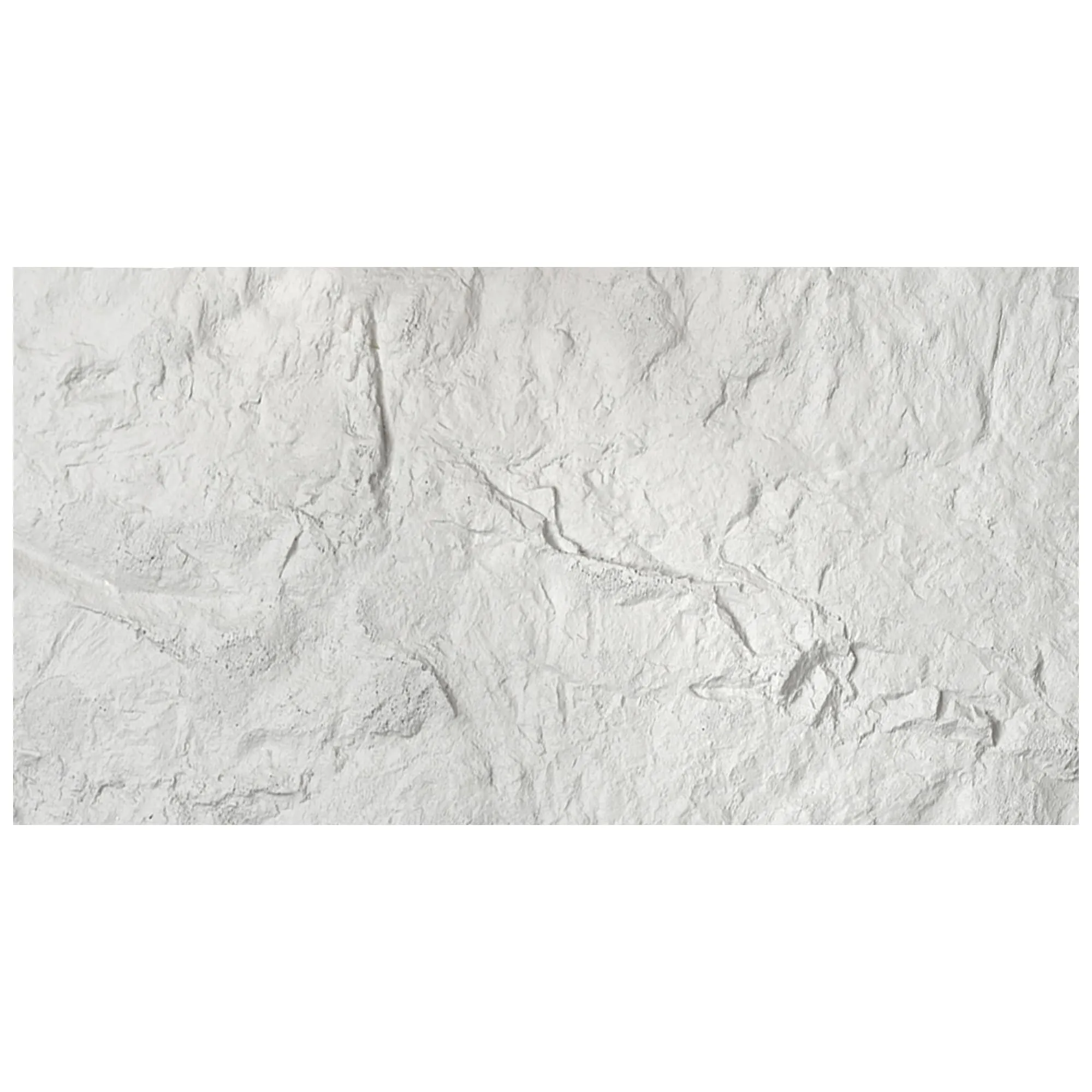
Tests and tables are one thing, but real-world use tells the true story. Take Michael Chen, a designer who used the vintage black boulder slab for a hotel facade in Hangzhou—a city known for its humid summers and rainy springs. "We were nervous at first," Michael admitted. "The client wanted that 'aged steel' look, but we needed something that wouldn't rust or stain. A year later, the facade still looks brand new. No water spots, no fading—even after Typhoon Lekima hit last summer."
Another fan is Emma Rodriguez, a homeowner in Portland, Oregon, who clad her backyard patio with the slabs. "Pacific Northwest rain is no joke," she laughed. "I was tired of my old wooden deck warping every year. Now, I hose down the patio without a second thought. The black finish still pops, and there's never any mold—even in the shade."
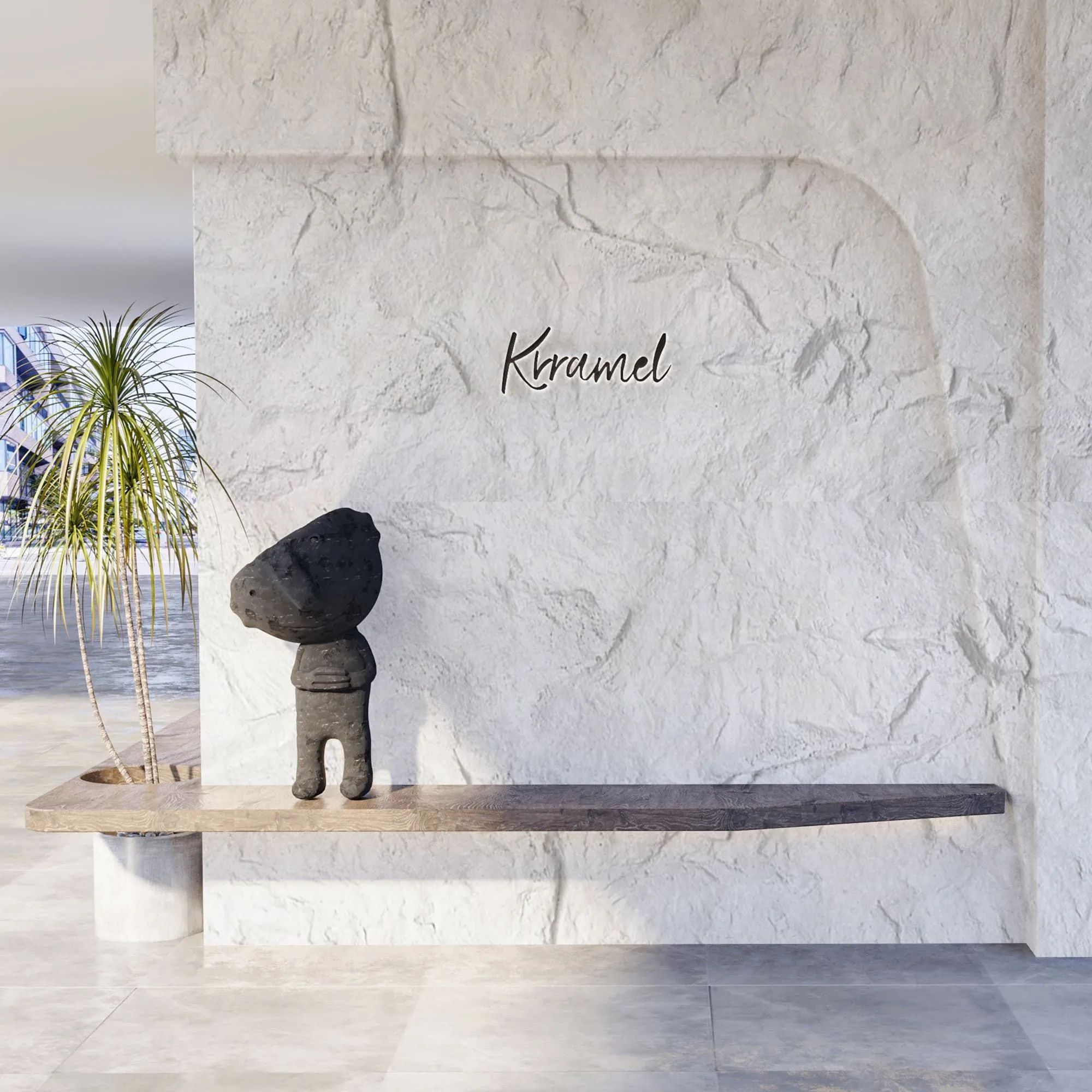
After watching the tests, comparing it to other materials, and hearing from real users, there's no doubt: the vintage black boulder slab is more than waterproof—it's weatherproof. Its MCM core makes it resistant to water, humidity, and extreme temperatures, while its unique texture adds that coveted "lived-in" elegance. For Sarah and designers like her, that means one less thing to worry about: you can have the look you love without sacrificing durability.
At the end of the day, exterior cladding should make you proud, not stressed. Whether you're designing a restaurant patio, a hotel facade, or your own home, the vintage black boulder slab proves that you don't have to choose between beauty and resilience. It's a material that works as hard as you do—so you can focus on creating spaces that inspire, not maintaining ones that deteriorate.
So, is the vintage black boulder slab waterproof? Absolutely. And then some.
Recommend Products












