
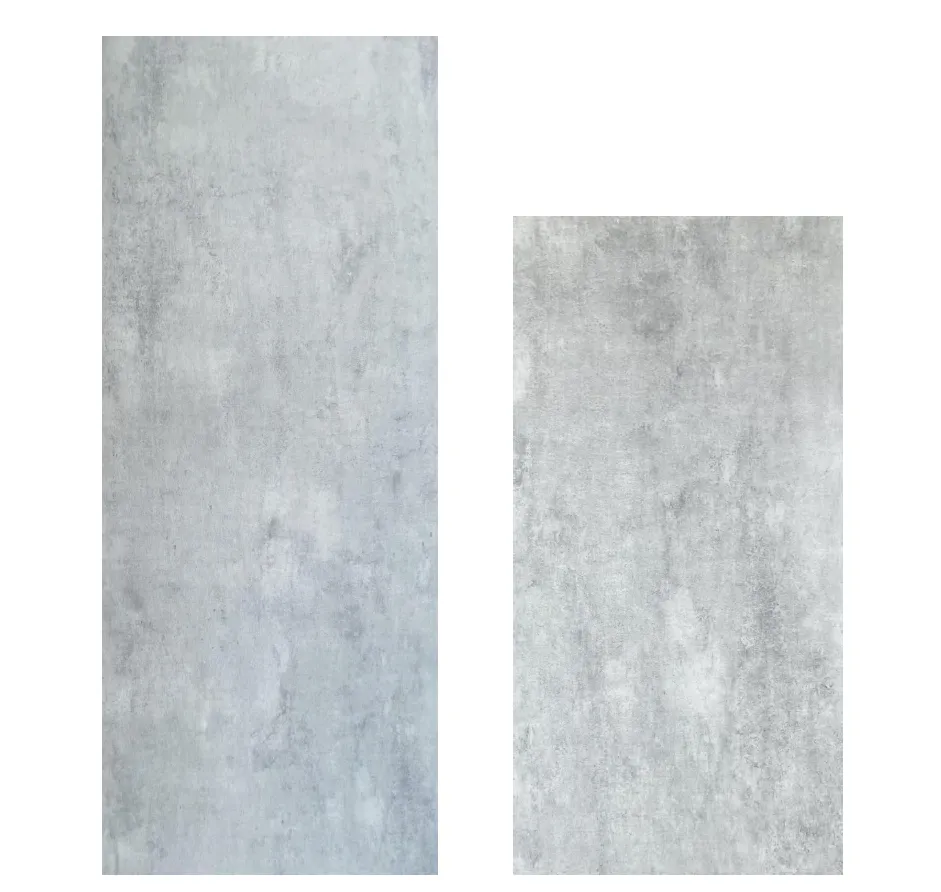
Think about the last time you stepped into a building that made you pause—maybe it was the way light filtered through windows and danced across the walls, or how the texture of a surface felt surprisingly warm under your fingertips. That quiet moment of connection? It's often the work of a material that doesn't just exist in a space, but shapes it. In a world of generic drywall and cookie-cutter finishes, finding a material that balances strength, beauty, and heart can feel like discovering a hidden gem. Enter marble concrete board—a material that's been turning heads in architecture and design circles not just for what it does, but for how it makes spaces feel .
At first glance, the name might sound like a technical jargon—"marble" and "concrete" mashed together. But in reality, it's a love letter to both tradition and innovation. It takes the timeless elegance of marble, the rugged reliability of concrete, and weaves them into something entirely new. Whether you're designing a cozy home, a bustling café, or a grand public venue, this material has a way of bridging the gap between "practical" and "poetic." Let's dive into what makes it so special—starting with the backbone of any great building material: durability.
Let's get real: no one wants to invest in a material that starts showing wear and tear after a year. We've all seen it—walls that chip, surfaces that stain, finishes that fade under the sun. It's frustrating, not just for the wallet, but for the soul of a space. Marble concrete board? It's here to rewrite that story. What sets it apart is its ability to stand up to the chaos of daily life without losing its character.
Imagine a busy restaurant kitchen, where spills happen, pots clatter, and temperatures swing. Or a high-traffic lobby where hundreds of shoes scuff the floors daily. In these spaces, weakness isn't an option. Marble concrete board brings the best of both worlds: the compressive strength of concrete (we're talking "can handle heavy furniture, foot traffic, and even the occasional dropped tool" strong) and the natural resilience of marble, which resists cracks and chips better than you might expect. Unlike pure concrete, which can feel cold and unforgiving, this blend has a subtle flexibility that helps it absorb minor impacts without breaking—a bit like a seasoned athlete who knows how to roll with the punches.
And let's not forget the elements. If you've ever walked past a building with fair-faced concrete walls, you might have noticed how they can look weathered over time—stained by rain, cracked by frost, or discolored by UV rays. Marble concrete board, though, is like a material with a built-in raincoat and sunscreen. Its dense composition repels water, so mold and mildew don't stand a chance. UV-resistant pigments mean it won't fade into a dull shadow of its former self after years in the sun. Even in harsh climates—blistering deserts, freezing winters, coastal areas with salt in the air—it holds its ground. This isn't just durability in the "tough as nails" sense; it's durability with grace. It ages like a well-loved book—gaining character, not scars.
Compare that to materials like traditional marble, which, while stunning, can be porous and prone to etching from acidic spills (we're looking at you, red wine and citrus juices). Or even polish concrete, which, while durable, can lack the depth and resistance to staining that marble concrete board offers. It's a material that doesn't just survive the test of time—it thrives in it.
Strength is important, but let's be honest—we don't just live in spaces; we experience them. And nothing shapes that experience quite like how a material looks and feels. Marble concrete board isn't just tough; it's stunning —in a way that feels both intentional and organic.
One of the first things you'll notice is its texture. Unlike the flat, lifeless surfaces of some synthetic materials, marble concrete board has depth. Run your hand over it, and you might feel the subtle ridges of marble veining, the smoothness of polished concrete, or the gentle grain of natural stone—depending on the finish. It's a material that invites touch, that makes you want to reach out and connect. Designers love it because it's a chameleon—equally at home in a minimalist, Scandi-inspired living room (think soft, neutral tones with subtle gray marbling) or a bold, industrial café (darker hues with dramatic white veining that pop against exposed brick).
Color-wise, it's a masterclass in versatility. Want something warm and earthy? There are shades that mimic sunlit sand or aged wood, with hints of gold and terracotta that make a room feel cozy. Craving something sleek and modern? Cool grays, deep blacks, and crisp whites with marble-like patterns add sophistication without feeling cold. And here's the kicker: because it's a blend of natural marble aggregates and concrete, each slab has slight variations—no two pieces are exactly alike. That means your space gets a one-of-a-kind look, like a fingerprint. It's the opposite of cookie-cutter; it's personality you can see.
Polish concrete finishes take this beauty to another level. When sealed and polished, the surface glows with a subtle sheen that reflects light, making rooms feel brighter and more open. It's like having a piece of art that also happens to be a wall or a countertop. Compare that to fair-faced concrete, which often leans toward a raw, industrial look (lovely in its own right, but not as versatile). Marble concrete board lets you have the best of both: the rawness of concrete and the refinement of marble, all in one.
These days, when we choose a material, we're not just choosing for ourselves—we're choosing for the planet, too. The best design isn't just about what looks good today; it's about what leaves a gentle footprint for tomorrow. Marble concrete board shines here, too, and it's not by accident.
First, let's talk about ingredients. Traditional marble extraction can be hard on the earth—quarrying large blocks, transporting them long distances, and generating a lot of waste. Marble concrete board, on the other hand, often uses recycled marble chips and aggregates left over from other projects. Instead of letting those scraps end up in landfills, they're ground down, mixed with eco-friendly concrete binders, and transformed into something beautiful. It's a circular approach that honors the "reduce, reuse, recycle" mantra without sacrificing quality.
Then there's longevity. A material that lasts 50 years instead of 10 means fewer replacements, less waste, and lower carbon emissions over time. Marble concrete board's durability isn't just a selling point for homeowners—it's a win for the planet. Think about it: if every building used materials that didn't need to be replaced every decade, we'd drastically cut down on the resources (energy, water, raw materials) needed to constantly rebuild and refinish. It's a quiet act of sustainability that adds up.
Even the production process is designed with care. Many manufacturers prioritize low-energy kilns, water recycling systems, and local sourcing to minimize transportation emissions. It's a far cry from materials that are mass-produced in factories halfway around the world, leaving a trail of carbon in their wake. Choosing marble concrete board isn't just about building a better space—it's about building a better future.
Still curious how marble concrete board holds up against other popular materials? Let's break it down in a way that's easy to digest:
| Material | Durability | Aesthetics | Sustainability | Best For |
|---|---|---|---|---|
| Marble Concrete Board | High (resists chips, stains, weathering) | Versatile (marble veining, color variations, polish finishes) | High (recycled materials, long lifespan, low carbon footprint) | Residential, commercial, high-traffic areas |
| Fair-Faced Concrete | High (strong, but prone to staining without sealant) | Industrial, raw look (limited color/finish options) | Medium (durable, but less recycled content) | Warehouses, modernist buildings |
| Polish Concrete | Medium-High (resistant to wear, but can crack under heavy impact) | Sleek, uniform (less natural variation) | Medium (durable, but energy-intensive to polish) | Basements, garages, minimalist interiors |
At the end of the day, materials are more than just tools—they're storytellers. They tell the story of the people who designed the space, the values of the community that uses it, and the planet we all share. Marble concrete board tells a story of balance: strength without harshness, beauty without excess, progress without forgetting our roots.
It's the kind of material that makes you excited to build—whether you're dreaming of a home that feels like a hug, a workspace that sparks creativity, or a public square that brings people together. It's not just about walls and floors; it's about creating spaces that matter, spaces that last, and spaces that make us feel proud to be part of something bigger.
So the next time you're brainstorming ideas for a project, remember: the best materials aren't just on the spec sheet. They're the ones that make you stop, touch, and think, "This is where I belong." Marble concrete board might just be that material. And in a world that's always rushing, isn't that the greatest gift a building material can give?
Recommend Products












