
How a modern stone innovation is redefining the and functionality of travel spaces
Stepping off a long-haul flight, the first breath of air in a new city often carries the faint scent of adventure—but it's the space around you that truly sets the tone. Airport terminals, those bustling gateways between destinations, are more than just transit hubs; they're the first chapter of a traveler's story. The walls you brush past while rushing to a connecting flight, the floors that cushion your steps after hours of sitting, the surfaces that greet you with light and texture—these elements shape how we feel about a place before we've even left the airport. In recent years, architects and designers have turned to innovative materials to craft these experiences, and one name has risen to the forefront: Rock Cut Dolomitic Stone .
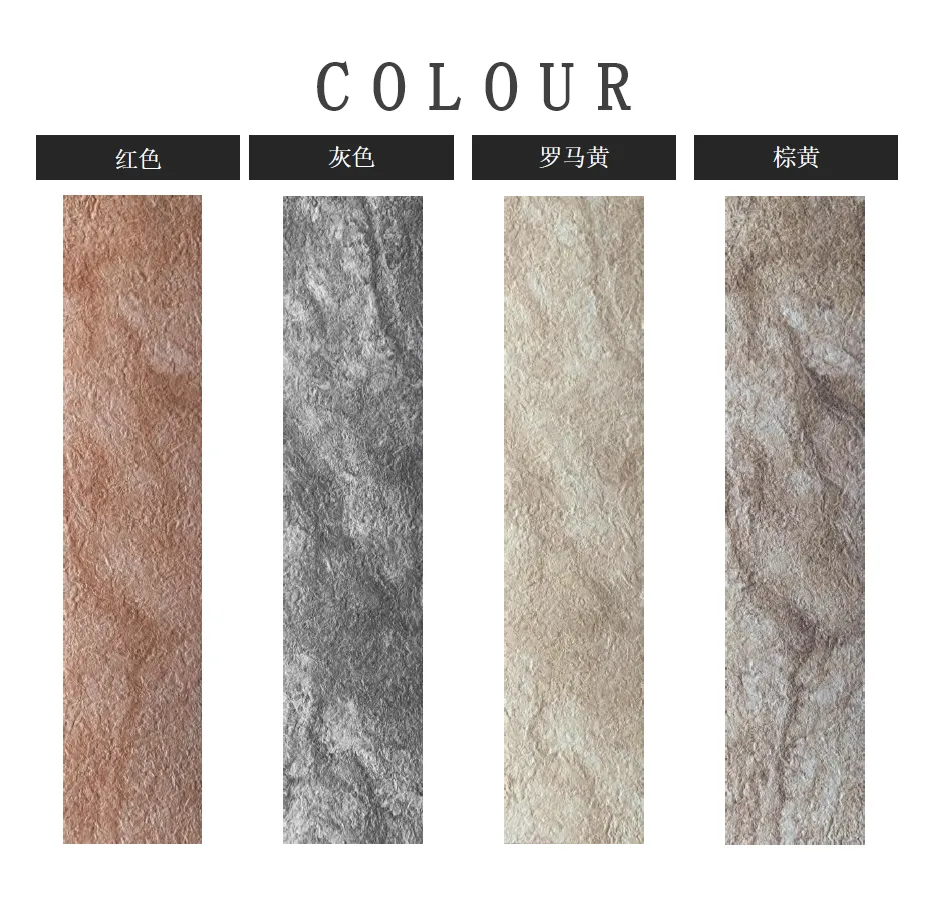
Gone are the days when airport interiors relied solely on cold, utilitarian materials. Today's travelers crave warmth, authenticity, and a hint of the local culture—and Rock Cut Dolomitic Stone delivers on all fronts. But what makes this material so special? Let's start with the basics: dolomitic stone itself is a naturally occurring sedimentary rock, known for its durability and unique mineral composition, which gives it a distinctive veining and color palette ranging from soft beiges to deep grays. When processed using modern techniques like those in the mcm flexible stone line, it transforms into something even more remarkable: a material that retains the raw beauty of natural stone but gains the flexibility and adaptability needed for large-scale architectural projects.
Airport terminals are among the most demanding environments for building materials. Think about it: they host millions of passengers annually, each dragging luggage, spilling coffee, or brushing against walls. Temperature fluctuations—from the icy blast of air conditioning near gates to the warmth of sunlight streaming through glass facades—test a material's resilience. Then there's the need for aesthetics: airports are public spaces that reflect a city's identity, and they must balance functionality with visual appeal. For decades, options were limited: fair-faced concrete offered durability but felt sterile; traditional marble or granite looked elegant but cracked under heavy use; even travertine , with its timeless charm, often required frequent sealing to prevent staining.
Enter Rock Cut Dolomitic Stone. Developed to address these pain points, it's engineered to withstand the chaos of airport life while adding a layer of organic beauty. Unlike brittle natural stones, its flexibility—enhanced by the mcm (modified composite material) process—means it can be shaped into large panels (think the mcm big slab board series ) that cover expansive walls with minimal seams, creating a sense of continuity that makes vast terminals feel more cohesive. Imagine walking through a terminal where the check-in counters, the walls behind them, and even the pillars are clad in the same flowing stone texture—it's a small detail, but it reduces visual clutter, making the space feel calmer, more intentional.
Let's break down the key features that make Rock Cut Dolomitic Stone a standout choice for airports. First, its durability. Thanks to its high density and low porosity, it resists scratches, stains, and moisture—critical for areas like baggage claim, where suitcases scrape floors and spills are inevitable. Unlike traditional stone, which can absorb liquids and harbor bacteria, this material's non-porous surface is easy to clean with simple detergents, reducing maintenance costs over time. For airport operators, that's a game-changer: less time spent on repairs means more focus on passenger experience.
Then there's its aesthetic versatility. Rock Cut Dolomitic Stone isn't a one-size-fits-all material. Through precision cutting and finishing techniques, it can mimic the rough-hewn look of a mountain cliff or the smooth polish of a river stone. This adaptability lets designers tailor the material to a terminal's theme. For example, a terminal aiming for a "natural retreat" vibe might opt for a textured, rock-cut finish, while one in a sleek, modern city could choose a honed surface that reflects light like a mirror. Pair this with the mcm big slab board series , which offers panels up to 3 meters in length, and you can cover entire walls without the visual interruption of grout lines—a trick that makes spaces feel larger and more open.
Sustainability is another big win. In an era where eco-conscious design is no longer optional, Rock Cut Dolomitic Stone delivers. The mcm flexible stone process uses minimal water and energy compared to traditional stone quarrying, and the material itself is 100% recyclable at the end of its lifespan. Many manufacturers also source dolomitic stone from local quarries, reducing carbon emissions from transportation. For airports, which often aim to achieve LEED or BREEAM certifications, this sustainability edge is a major plus.
Let's take a virtual tour of an airport terminal designed with Rock Cut Dolomitic Stone to see how it elevates different spaces.
Arrivals Hall: The first space passengers encounter, arrivals halls need to make a statement. Here, Rock Cut Dolomitic Stone often takes center stage as a feature wall behind the information desk. Imagine a 20-meter-long panel in a warm, earthy tone, its natural veining creating a sense of movement—like a landscape frozen in stone. This isn't just decoration; it's a subtle nod to the region's geography, whether it's the rolling hills of Tuscany or the rugged cliffs of Iceland. The material's sound-absorbing properties also help dampen the noise of luggage carts and chatter, making the space feel quieter and more serene.
Check-In Counters: These high-traffic zones demand materials that can handle constant use. Rock Cut Dolomitic Stone countertops are resistant to scratches from luggage tags and spills from coffee cups, and their non-slip surface ensures staff can work safely even if liquids are spilled. The mcm big slab board series is particularly useful here, as it allows for seamless counter tops that are easy to clean—no crevices for crumbs or dirt to hide in.
Security Checkpoints: Here, durability is non-negotiable. Floors made from Rock Cut Dolomitic Stone stand up to the endless shuffle of feet and the weight of security equipment. Their slip-resistant finish is crucial, too—no one wants a slippery floor in a space where people are rushing to make flights. Plus, the material's neutral color palette helps security personnel focus on passengers rather than distracting patterns.
Lounges and Waiting Areas: These are the "oases" of the airport, and Rock Cut Dolomitic Stone adds a touch of luxury without feeling opulent. Imagine a lounge with walls clad in smooth, honed dolomitic stone in soft gray, paired with warm wood accents and plush seating. The stone's cool temperature (it stays relatively cool even in warm environments) creates a refreshing contrast to the cozy furniture, making the space feel balanced and inviting. Some lounges even use backlit Rock Cut Dolomitic Stone panels behind seating, where the stone's translucent edges glow softly, mimicking the effect of sunlight filtering through rock formations.
To truly appreciate Rock Cut Dolomitic Stone, it helps to see how it compares to other popular materials in airport design. Below is a breakdown of its key attributes versus two common alternatives: the mcm big slab board series (a close cousin in the mcm lineup) and classic travertine .
| Material | Key Aesthetic Features | Durability (Expected Lifespan) | Installation Flexibility | Sustainability Score* |
|---|---|---|---|---|
| Rock Cut Dolomitic Stone | Natural veining, rough or honed finish, color range: beiges, grays, earth tones | 50+ years (resistant to scratches, stains, moisture) | High (flexible panels, compatible with mcm tech for large slabs) | 9/10 (low carbon footprint, recyclable, local sourcing options) |
| mcm big slab board series | Uniform appearance, customizable colors/patterns, smooth or textured | 40+ years (composite core resists warping) | Very High (lightweight, easy to install on curved surfaces) | 8/10 (recyclable materials, energy-efficient production) |
| Travertine | Classic, porous surface with natural pits, warm ivory/beige tones | 30–40 years (requires regular sealing to prevent staining) | Medium (heavy, limited to smaller tiles/panels) | 7/10 (natural material, but high water usage in quarrying) |
*Sustainability score based on production impact, recyclability, and sourcing practices.
As the table shows, Rock Cut Dolomitic Stone excels in durability and sustainability, while the mcm big slab board series leads in installation flexibility. Travertine, beloved for its timeless look, still holds its own but requires more maintenance. The best airports often blend these materials: using Rock Cut Dolomitic Stone for high-traffic areas, mcm big slabs for curved walls or custom designs, and travertine accents for a touch of classic elegance.
As airports evolve to meet the needs of tomorrow's travelers—think smarter technology, more green spaces, and personalized experiences—materials like Rock Cut Dolomitic Stone will play an even bigger role. Designers are already experimenting with integrating the material with digital elements: imagine a check-in wall clad in Rock Cut Dolomitic Stone, where embedded touchscreens blend seamlessly with the stone surface, or interactive displays projected onto its textured backdrop. The material's neutral palette and natural texture make it the perfect canvas for such innovations, ensuring technology enhances rather than clashes with the environment.
Another trend is biophilic design—the idea that connecting people to nature improves well-being. Rock Cut Dolomitic Stone, with its earthy tones and organic texture, is a natural fit here. Airports are increasingly incorporating living walls, indoor gardens, and water features, and pairing these with stone elements creates a harmonious "indoor-outdoor" feel. For example, a terminal with a central atrium featuring a rock garden surrounded by Rock Cut Dolomitic Stone walls can help reduce passenger stress by evoking a sense of being in nature, even miles above the ground.
At the end of the day, Rock Cut Dolomitic Stone is more than just a building material. It's a tool for creating memorable travel experiences. It turns sterile terminals into spaces that feel human, durable surfaces into works of art, and transit hubs into reflections of a city's soul. Whether you're rushing to catch a flight or pausing to admire a sunlit stone wall, this innovative material quietly shapes how you feel about the journey ahead.
So the next time you're in an airport, take a moment to notice the walls and floors around you. If they feel warm, durable, and somehow... alive, there's a good chance you're looking at Rock Cut Dolomitic Stone. And in that moment, you'll understand why it's quickly becoming the material of choice for airports that care about both function and feeling.
Recommend Products












