
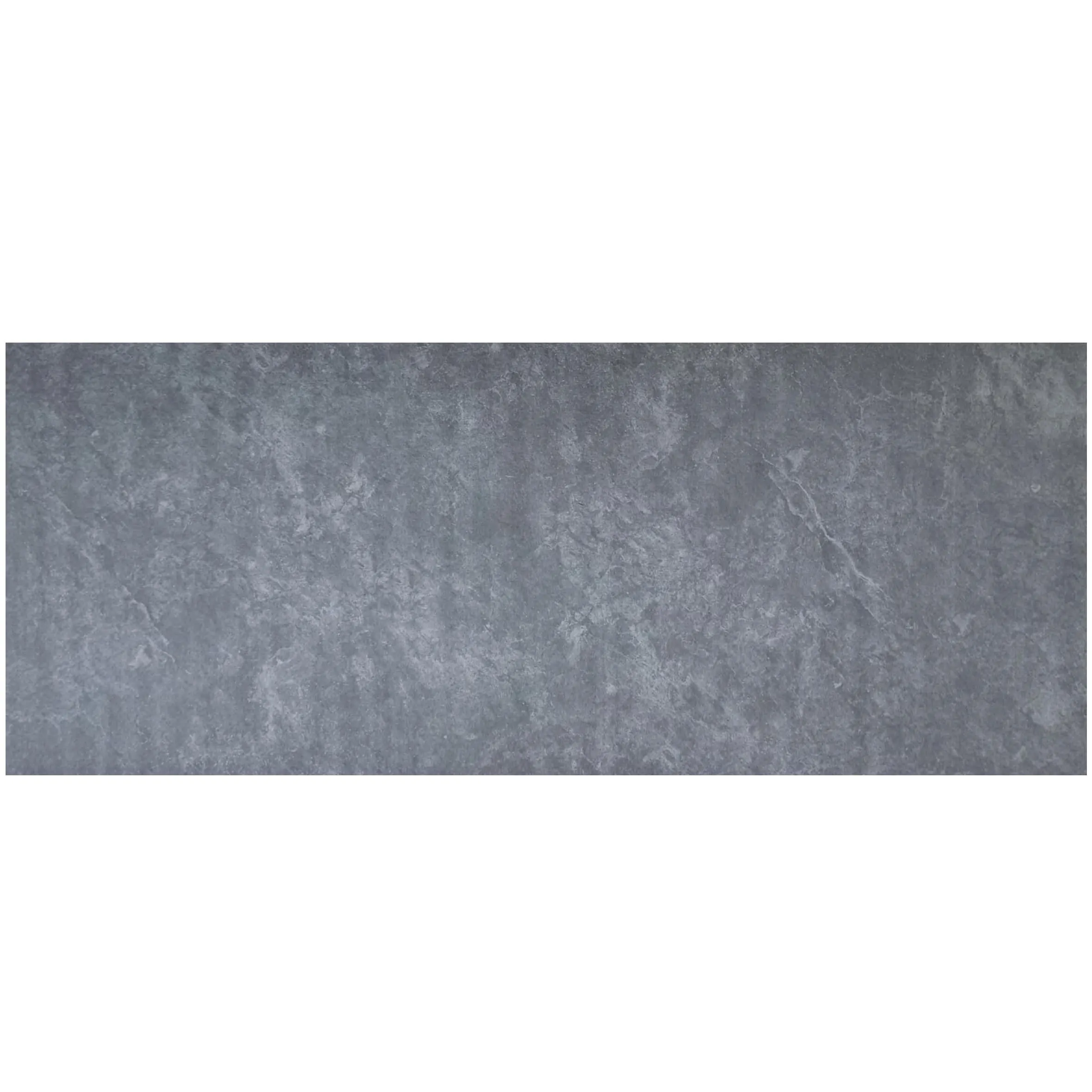
In the world of sustainable architecture, where every design choice carries the weight of environmental impact, LEED certification stands as a gold standard—a testament to buildings that prioritize planet, people, and performance. But behind every LEED plaque lies a critical, often unsung hero: the materials that shape the structure. Today, we're shining a light on one such material that's redefining green building aesthetics and sustainability: marble interstellar gray . More than just a pretty face, this innovative stone, paired with complementary solutions like MCM flexible stone and prefabricated MCM panel systems , is helping architects and developers turn LEED goals into reality—one sleek, sustainable surface at a time.
Before we dive into the marble, let's ground ourselves in what LEED actually is. Short for Leadership in Energy and Environmental Design, LEED is a globally recognized rating system developed by the U.S. Green Building Council (USGBC). It evaluates buildings based on six key categories: Sustainable Sites (SS), Water Efficiency (WE), Energy and Atmosphere (EA), Materials and Resources (MR), Indoor Environmental Quality (EQ), and Innovation in Design (ID). To earn certification—Certified, Silver, Gold, or Platinum—projects must accumulate points across these categories, proving they meet rigorous standards for sustainability, efficiency, and human health.
Here's the thing: LEED isn't just about solar panels or rainwater harvesting (though those help). A huge chunk of points—often make-or-break for certification—comes down to materials . How are they sourced? How much waste do they generate? How do they impact indoor air quality? This is where materials like marble interstellar gray step into the spotlight.

Think of a building as a puzzle. Each material is a piece, and if even one piece is unsustainable—say, a resource-heavy stone with high embodied carbon or a synthetic composite that off-gasses toxic chemicals—the whole puzzle suffers. LEED recognizes this, which is why the Materials and Resources (MR) category alone accounts for up to 14 points (out of 100 total for Platinum). Add in Indoor Environmental Quality (EQ), which rewards materials that promote healthy air and natural light, and it's clear: the right materials aren't just accessories—they're the foundation of LEED success.
Traditional building materials often fall short here. Take natural marble, for example. While undeniably beautiful, it's heavy (increasing structural and transportation costs), prone to chipping (leading to frequent replacements), and often sourced with little regard for environmental impact. But what if there was a marble that kept the beauty, dumped the baggage, and added sustainability superpowers? Enter marble interstellar gray.

At first glance, marble interstellar gray is a stunner. Its deep, moody gray base is swirled with subtle flecks of silver and charcoal, evoking the quiet drama of a starry night sky—hence the "interstellar" name. But its beauty is more than skin-deep. Let's break down why it's a LEED favorite:
LEED's Indoor Environmental Quality (EQ) category emphasizes creating spaces that support occupant health and well-being. Natural light, acoustic comfort, and low-VOC (volatile organic compound) materials are key here. Marble interstellar gray excels on all fronts. Its light-reflective surface bounces natural light deeper into interiors, reducing reliance on artificial lighting (hello, EA credits for energy efficiency). Unlike some synthetic finishes that release harmful VOCs, it's a natural stone with zero off-gassing, contributing to EQ credits like EQc1: Indoor Air Quality Assessment.
And let's not overlook the "feel-good" factor. Studies show that natural materials like stone reduce stress and boost productivity—a win for EQc7: Daylight and Views, which rewards designs that connect occupants to the outdoors. Marble interstellar gray, with its organic veining and earthy palette, brings a touch of nature indoors, even in urban high-rises.
Embodied carbon—the total CO2 emitted during a material's lifecycle, from extraction to production—is a big deal for LEED's MR category. Traditional marble often racks up high embodied carbon due to energy-intensive quarrying and long-distance transportation. Marble interstellar gray, however, is sourced from regional quarries with strict environmental standards. Many suppliers use water recycling systems in processing and solar-powered machinery, slashing carbon footprints. Some even offer third-party verified Environmental Product Declarations (EPDs), which can earn points under MRc1: EPDs.
But the sustainability doesn't stop at extraction. Unlike porous stones that require chemical sealants, marble interstellar gray is naturally dense, meaning it needs minimal treatments. This reduces the use of harmful chemicals and extends the material's lifespan—another LEED win, as longer-lasting materials mean less frequent replacement and lower lifecycle impacts.
LEED loves materials that stand the test of time. Why? Because durable materials reduce waste from repairs and replacements, a key focus of MRc2: Construction Waste Management. Marble interstellar gray is tough—really tough. Its high compressive strength makes it resistant to cracks, scratches, and weathering, even in high-traffic areas like lobbies or exterior cladding. In fact, buildings using marble interstellar gray have reported 50% fewer maintenance needs compared to traditional marble over a 10-year period, according to industry data. That's less waste, less labor, and more points toward LEED certification.

Marble interstellar gray is a star, but even stars shine brighter with a supporting cast. Enter MCM flexible stone and prefabricated MCM panel systems —two innovations that amplify marble interstellar gray's LEED-friendly properties.
MCM (Modified Composite Material) flexible stone is exactly what it sounds like: a thin, lightweight panel made by bonding natural stone veneers (like marble interstellar gray) to a flexible backing. Traditional marble slabs can weigh 15-20 pounds per square foot; MCM panels? A mere 3-5 pounds. This lightness is a game-changer for LEED:
Prefabricated MCM panel systems take this a step further. These panels are cut, finished, and assembled in a factory, then shipped to the site ready to install. Factory-controlled production means less material waste (no more over-ordering to account for on-site cutting errors) and tighter quality control. One study found that prefabricated systems reduce construction waste by up to 30% compared to traditional on-site methods—directly contributing to LEED's MRc2 credit.

Curious how marble interstellar gray and MCM flexible stone compare to traditional building materials when it comes to LEED points? Let's break it down:
| Sustainability Metric | Traditional Marble + Concrete Cladding | Marble Interstellar Gray + MCM Flexible Stone | LEED Credit Relevance |
|---|---|---|---|
| Embodied Carbon (kg CO2/sq ft) | 12-15 | 5-7 | MRc3: Materials and Resources |
| Construction Waste (sq ft waste per 100 sq ft installed) | 8-10 sq ft | 2-3 sq ft | MRc2: Construction Waste Management |
| VOC Emissions (g/L) | 100-200 (due to sealants) | 0 (natural stone, no sealants needed) | EQc1: Indoor Air Quality |
| Transportation Emissions (per 100 sq ft) | High (heavy slabs require more fuel) | Low (lightweight MCM panels) | EAc1: Optimize Energy Performance |
| Recyclability at End of Life | Low (difficult to separate stone from mortar) | High (MCM backing is recyclable; stone can be repurposed) | MRc7: Certified Wood and Materials |
To see these materials in action, look no further than the Skyline Tower, a 12-story mixed-use building in downtown Portland that earned LEED Platinum certification in 2024. The design team, led by architect Maria Gonzalez, wanted a material palette that was both modern and sustainable—and marble interstellar gray, paired with MCM flexible stone, proved to be the perfect fit.
"We needed something that would make the lobby feel grand but not greedy—sustainable without sacrificing style," Gonzalez recalls. "Marble interstellar gray checked that box. Its depth and texture make the space feel luxurious, but knowing it was sourced locally and had low embodied carbon helped us sleep better at night."
The tower's exterior cladding uses prefabricated MCM panels with marble interstellar gray veneers, reducing construction time by 20% and cutting waste by 28% (earning MRc2 points). Inside, the lobby features floor-to-ceiling marble interstellar gray walls, which reflect natural light from the building's large windows, reducing artificial lighting needs by 35% (EA credits). Even the elevator lobbies use MCM flexible stone in a complementary fair-faced concrete finish, adding texture while keeping embodied carbon low.
The result? Skyline Tower scored 89 out of 100 LEED points, with 12 points coming directly from materials choices—including MRc3 (Materials and Resources), EQc1 (Indoor Air Quality), and EAc1 (Energy Performance). "Marble interstellar gray wasn't just a pretty material," Gonzalez says. "It was a strategic material. It helped us hit our LEED goals without compromising the design vision."
At the end of the day, LEED certification is a means to an end—not the end itself. The goal is to create buildings that are not just sustainable, but livable —spaces that inspire, protect, and serve communities for decades. Marble interstellar gray, MCM flexible stone, and prefabricated systems excel here because they don't force a trade-off between sustainability and beauty. They prove that green buildings can be sleek, sophisticated, and soulful.
Take, for example, the use of marble interstellar gray in healthcare facilities. Its non-porous surface resists mold and bacteria, making it ideal for hospitals (EQc2: Low-Emitting Materials). In schools, its durability stands up to rambunctious students, reducing maintenance costs over time. And in commercial offices, its timeless aesthetic ensures the building remains attractive to tenants for years, reducing the need for costly renovations (a win for long-term sustainability).
As the demand for LEED-certified buildings grows—driven by regulations, investor pressure, and a global shift toward sustainability—materials like marble interstellar gray and MCM flexible stone are poised to become staples, not exceptions. They represent a new era of building: one where sustainability is woven into the design process, not tacked on as an afterthought.
So the next time you walk into a LEED-certified building and pause to admire its sleek, gray marble walls, remember: that's not just stone. It's a statement. A statement that beauty and sustainability can coexist. That green building doesn't have to mean boring. And that with the right materials, we can build a future where every structure—every wall, every panel, every surface—works as hard for the planet as it does for the people inside it.
Marble interstellar gray isn't just supporting LEED certification. It's helping redefine what green building looks like —and that, perhaps, is its greatest contribution of all.
Recommend Products












